 +86 18751738721
 sales@unitatransformer.com
EV charging station construction continues to boom worldwide. Most investors focus only on charger quantity, brand parameters and station appearance, while ignoring the most critical core equipment — the power transformer. As the “heart” of the entire charging hub, the transformer determines long-term operational stability, power efficiency and project profitability.
Many charging station projects suffer underpowered chargers, failed grid inspections, frequent overheating trips and costly rework. In most cases, these problems are not caused by chargers, but by wrong transformer selection at the early design stage. This professional guide reveals the most common and costly transformer pitfalls that may waste tens of thousands of your project investment.
1. Capacity Calculation Trap: Do Not Trust Rated Nameplate Data Blindly
The biggest and most fatal mistake in EV charging station design is simply matching transformer kVA rating with charger kW power. Many project owners assume that a 2000kVA transformer can fully support 2000kW charging power. This is a serious misunderstanding.
Transformer capacity is calculated in kVA (apparent power), while EV chargers work in kW (active power). The actual usable power is limited by the power factor, material loss and operational margin.
In real engineering scenarios:
- Aluminum core transformers only deliver about 70% of the nameplate capacity under real charging loads.
- Ordinary copper core transformers only reach around 80% output capacity under continuous impact load.
In addition, most power grid authorities require a 15%–20% reserved load margin for charging stations. If you calculate capacity based on theoretical values only, your chargers will fail to run at full power, and the entire station may fail grid acceptance, resulting in expensive rework and delayed revenue.
2. Core Material Pitfall: Copper Core vs Aluminum Core Transformer
Material selection directly decides a charging station’s long-term profitability. Aluminum core transformers are extremely popular in low-bid projects because their initial cost is nearly 50% lower than copper core models. However, choosing aluminum cores is a typical “penny wise and pound foolish” decision for EV charging scenarios.
Three critical gaps separate copper core and aluminum core transformers for 24/7 charging station operation:
Higher Energy Efficiency & Lower Operation Cost
Copper features far higher conductivity than aluminum. Under the same specification and load conditions, copper core transformers reduce power loss by 10%–15%. For charging stations running thousands of hours annually, the saved power loss turns directly into pure long-term profit.
Stronger Overload Resistance for Fluctuating Charging Loads
EV charging load is highly volatile. During peak hours, instantaneous current may surge to 110% of rated capacity. Copper core transformers provide excellent thermal stability and mechanical strength to withstand continuous impact loads without overheating or deformation.
In contrast, aluminum coils have lower melting points and are prone to oxidation and thermal deformation under frequent high-load impact. Long-term operation easily causes coil damage, over-temperature tripping and even burnout failures.
Longer Service Life & Higher Residual Value
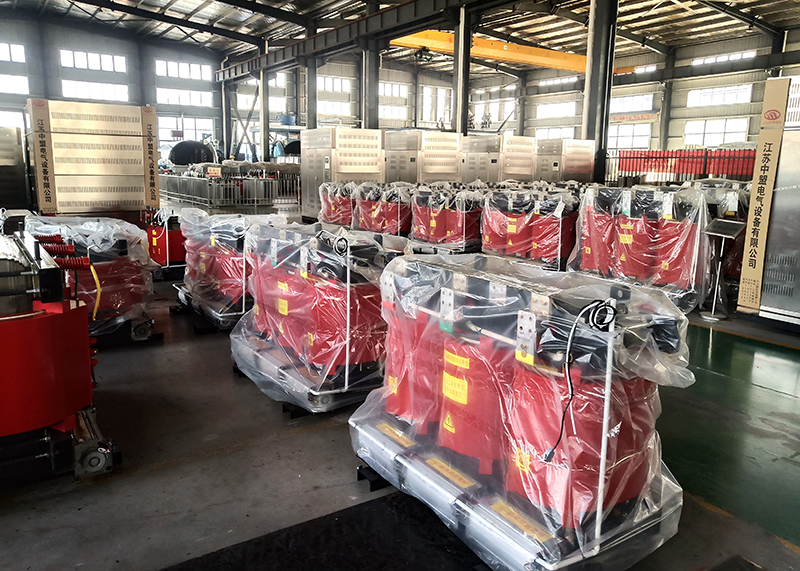
A standard copper core transformer has a design lifespan of more than 30 years with stable performance. Even after long-term operation, copper materials retain high recycling value. Aluminum core transformers usually fail within 15–20 years, with frequent maintenance costs and unexpected station shutdown losses far exceeding the initial equipment savings.
3. Long-Term Investment Logic: Avoid Short-Sighted Equipment Selection
Building an EV charging station is a long-term asset investment, not a short-term quick profit project. The transformer is the most durable core device in the entire station. Low-cost aluminum core equipment may save budget at the beginning, but it will restrict full-power operation, increase monthly power loss and bring frequent hidden faults.
Choosing a high-quality copper core transformer means stable operation for decades, lower O&M costs and continuous revenue output. Never let a low-grade transformer drag down your entire station’s profitability.
Reliable EV Charging Transformer Solution From VoltCloud Electric
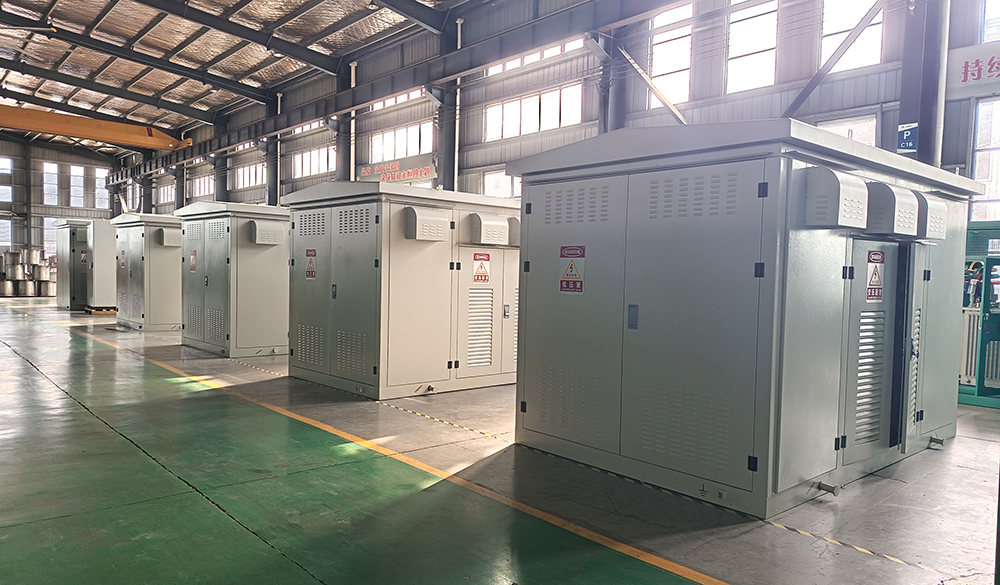
VoltCloud Electric specializes in custom box transformers and distribution equipment for high-power EV charging stations. We adopt full copper core winding, high-efficiency iron core and reserved temperature rise margin specially designed for fluctuating charging loads.
All our charging station transformers reserve sufficient capacity margin, support continuous overload impact operation and effectively control harmonic distortion. They help investors avoid rework risks, pass grid inspection smoothly and maximize long-term station revenue.
Final Conclusion
The biggest EV charging station investment pitfall is ignoring transformer design and material standards. Accurate capacity calculation and strict copper-core selection are the basic guarantees for stable, profitable and long-term station operation. If you are planning new charging station construction or equipment upgrading, contact VoltCloud Electric for professional transformer selection guidance and customized power solutions.