+86 18751738721
 sales@unitatransformer.com
Medium voltage (MV) switchgear serves as the core equipment of modern power distribution systems. It is widely deployed in 3kV to 35kV power grids, industrial facilities, commercial buildings, photovoltaic plants and energy storage stations. It undertakes critical tasks including power transmission, energy distribution, system protection and circuit control. For EPC engineers, design specialists and procurement teams, mastering the standard definition and classification of MV switchgear is essential to select the most reliable and cost-effective equipment for power projects.
1. What Is Medium Voltage Switchgear?
Medium voltage switchgear is universally known as metal-enclosed switchgear. Complying with the authoritative standard GB 3906 for 3~35kV metal-enclosed switchgear and controlgear, it is defined as electrical equipment fully enclosed by a complete metal housing. Only reserved openings are available for cable incoming and outgoing connections.
All live components, switching parts and protection devices are fully enclosed and isolated inside the metal cabinet. This structural design delivers high operational safety, excellent system stability and strong anti-interference capability for medium-voltage power distribution networks.
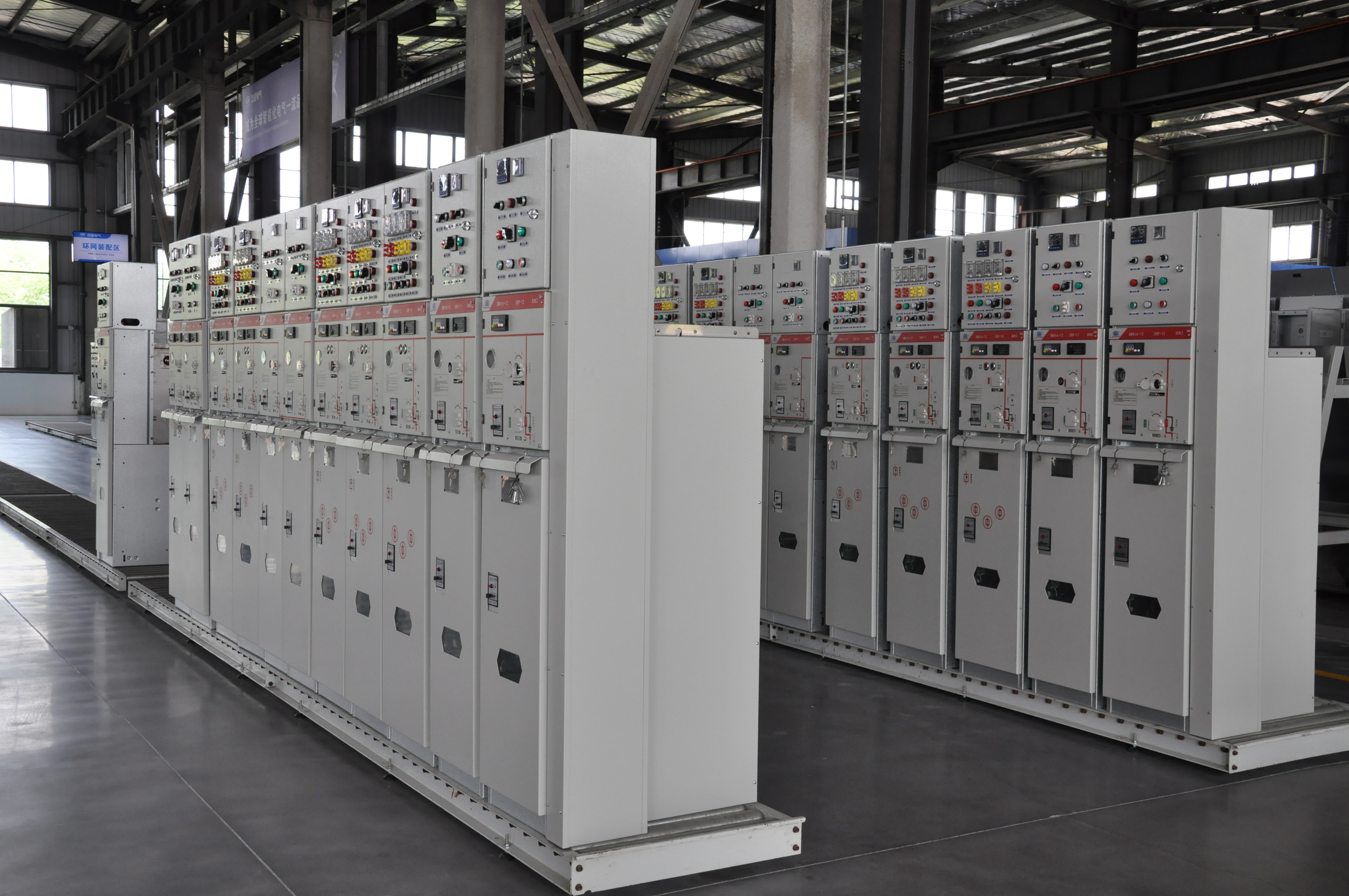
2. Three Main Types of Medium Voltage Switchgear (By Compartment Structure)
According to internal compartment layout and partition materials, standard medium voltage metal-enclosed switchgear is categorized into three mainstream types, each designed for distinct operational and safety requirements:
2.1 Metal-Clad Switchgear
All core electrical components are installed in independent separate compartments, which are completely divided by grounded metal partitions. This full metal isolation structure offers the highest safety level, outstanding arc resistance and ultra-stable performance. It is the preferred solution for large power stations, industrial parks and high-standard grid projects with strict safety requirements.
2.2 Compartment-Type Switchgear
Similar to metal-clad switchgear, key components are placed in individual independent compartments. The core difference lies in its partition material: partial compartment baffles adopt non-metallic insulating plates. It balances safety performance and economic cost perfectly, making it ideal for conventional industrial and commercial power distribution projects.
2.3 Box-Type Switchgear
Box-type switchgear covers all metal-enclosed switchgear that does not adopt metal-clad or compartment-type structures. It features an integrated box cabinet without elaborate multi-compartment isolation. With a simple structure and remarkable cost advantages, it is widely used in general power distribution scenarios with low maintenance frequency and conventional operational demands.
3. Classification by Installation Structure
3.1 Fixed-Type Switchgear
Fixed-type switchgear adopts a stationary installation design for core components, including SF6 load switches, vacuum load switches and pressure air load switches. It features a compact structure, stable operation and extremely low failure rate. However, equipment inspection and component replacement require a full power outage, resulting in relatively inconvenient on-site maintenance.
3.2 Withdrawable / Truck-Type Switchgear
Withdrawable (truck-type) switchgear is equipped with movable handcart components, such as circuit breaker trucks, PT trucks, metering trucks and isolation trucks. The handcart can be freely pulled out of the cabinet for inspection, maintenance or replacement. This design greatly improves operational flexibility and shortens equipment maintenance time.
Its only wearable component is the tulip contact. Regular routine inspection is necessary to prevent overheating and poor contact faults during long-term continuous operation.
4. Classification by Application Environment
4.1 Indoor Type
Indoor medium voltage switchgear is specially designed for installation in enclosed professional power distribution rooms. It accounts for the majority of our product offerings. Working in a stable indoor environment, this type of switchgear delivers a long service life and minimal daily operational failures.
4.2 Outdoor Type
Outdoor switchgear is professionally optimized to adapt to harsh outdoor environments, with integrated waterproof, dustproof, anti-corrosion and UV-resistant functions. Typical products include package substations, XGW-12 outdoor ring main units and DFW-12 outdoor high-voltage cable branch boxes. They are widely applied in field power stations, municipal power distribution and outdoor grid construction projects.
Conclusion
Medium voltage switchgear is an indispensable core component of modern power systems. Different types of MV switchgear, classified by compartment structure, installation mode and application environment, precisely match diverse power project requirements. Reasonable equipment selection effectively improves power system safety, reduces long-term maintenance costs and maximizes the return on investment for power projects undertaken by owners and EPC contractors.
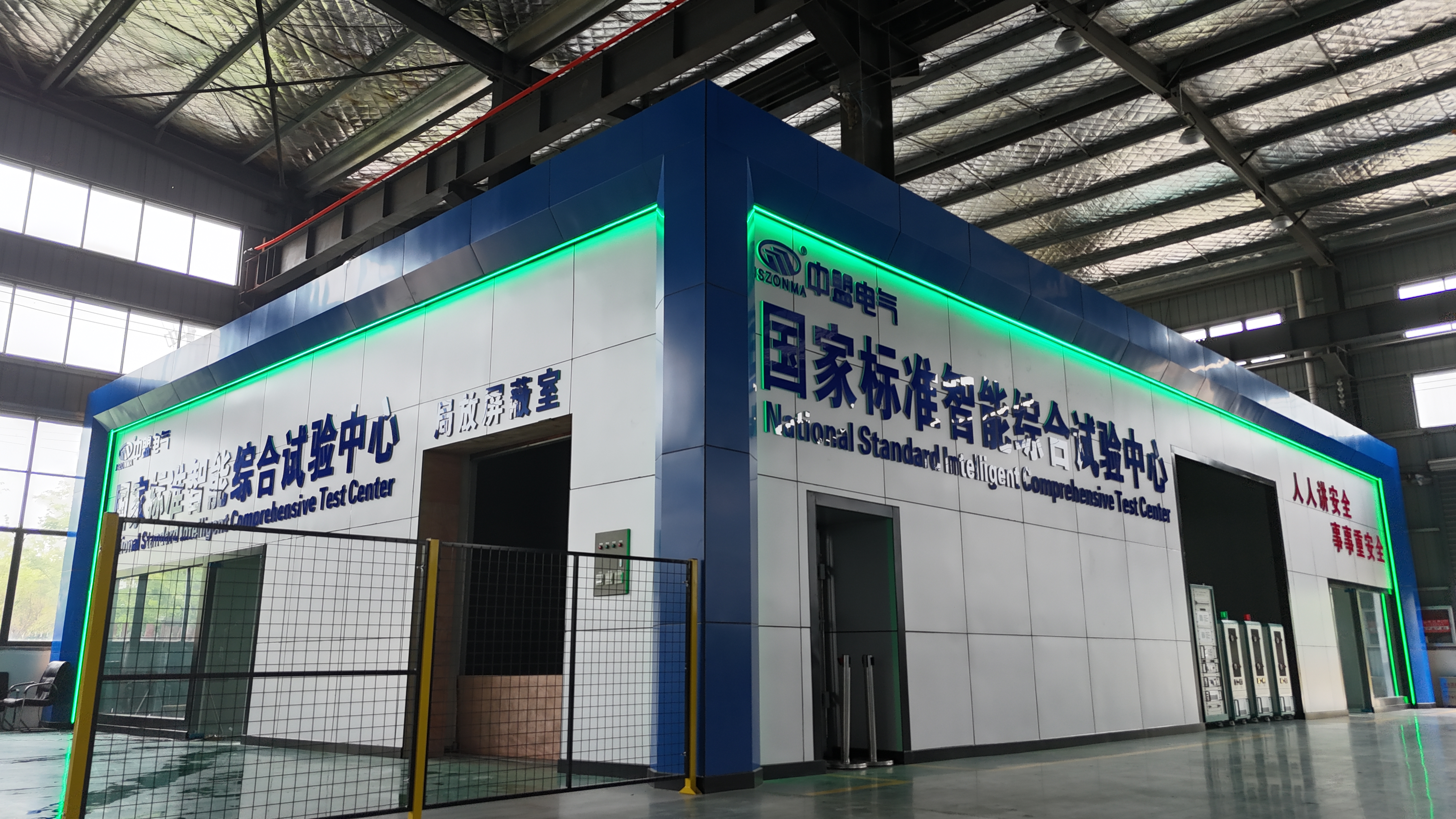
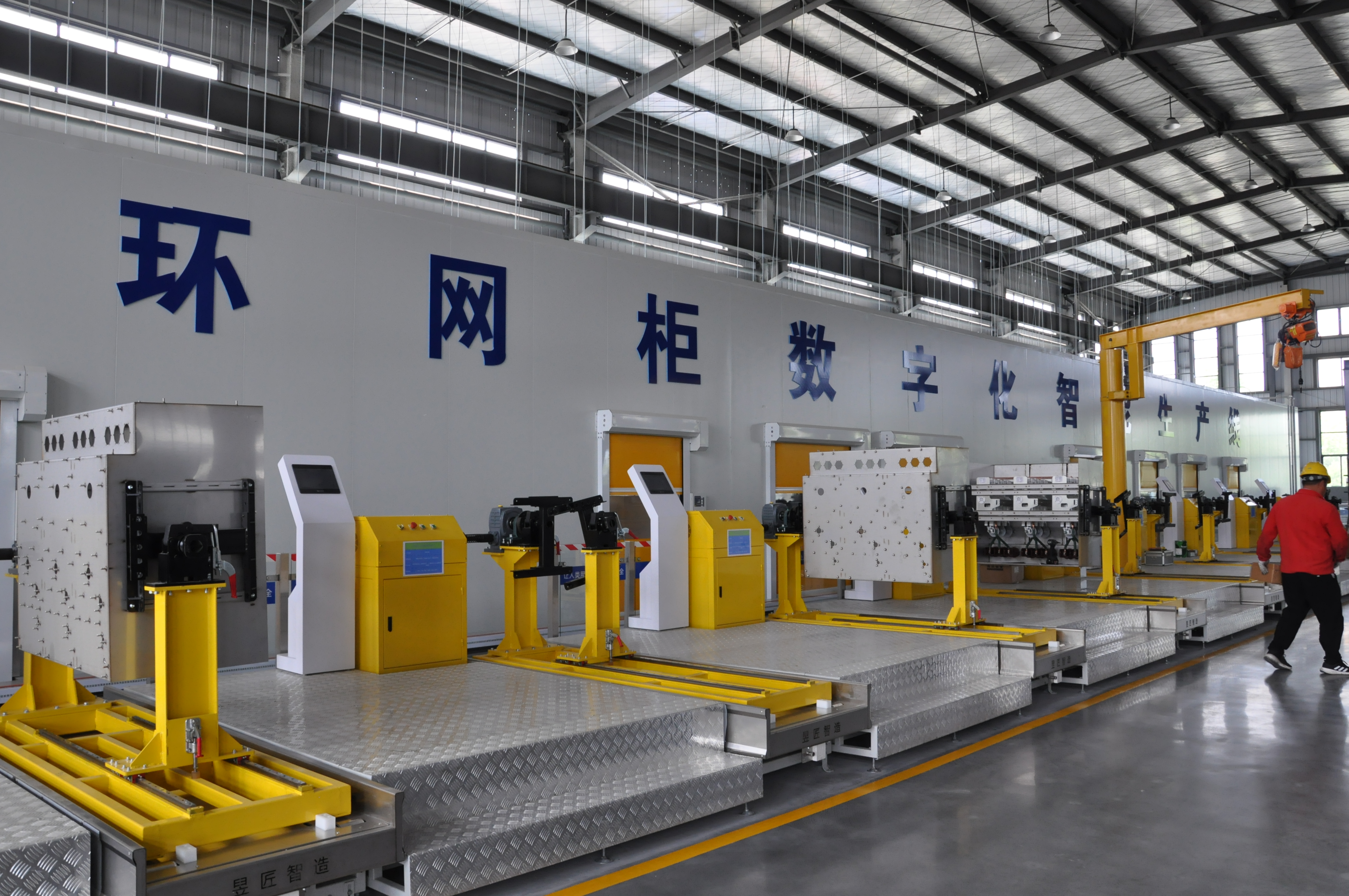
About Our Factory
VoltCloud Electric is an authorized ABB partner and licensed manufacturer for MV and LV switchgear equipment. Equipped with advanced intelligent production lines and standardized testing workshops, we specialize in the R&D, customized production and full delivery of medium and high voltage switchgear, box substations and energy storage power distribution equipment. All products comply with international and national standards, with complete certification documents and stable quality performance. We support OEM & ODM customization, large-scale project bulk supply and one-stop electrical solution services. We sincerely welcome global customers to visit our smart factory, conduct technical exchanges and negotiate long-term strategic cooperation.