+86 18751738721
 sales@unitatransformer.com
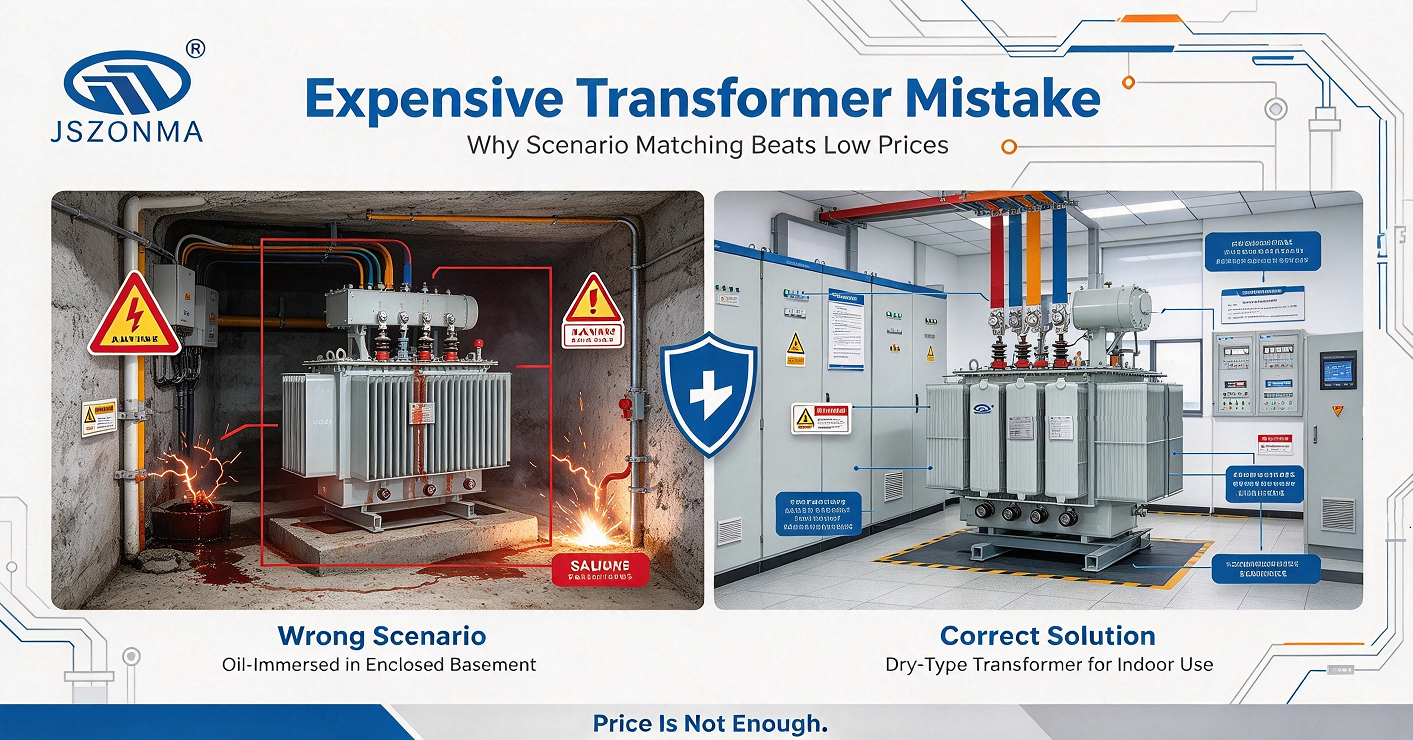
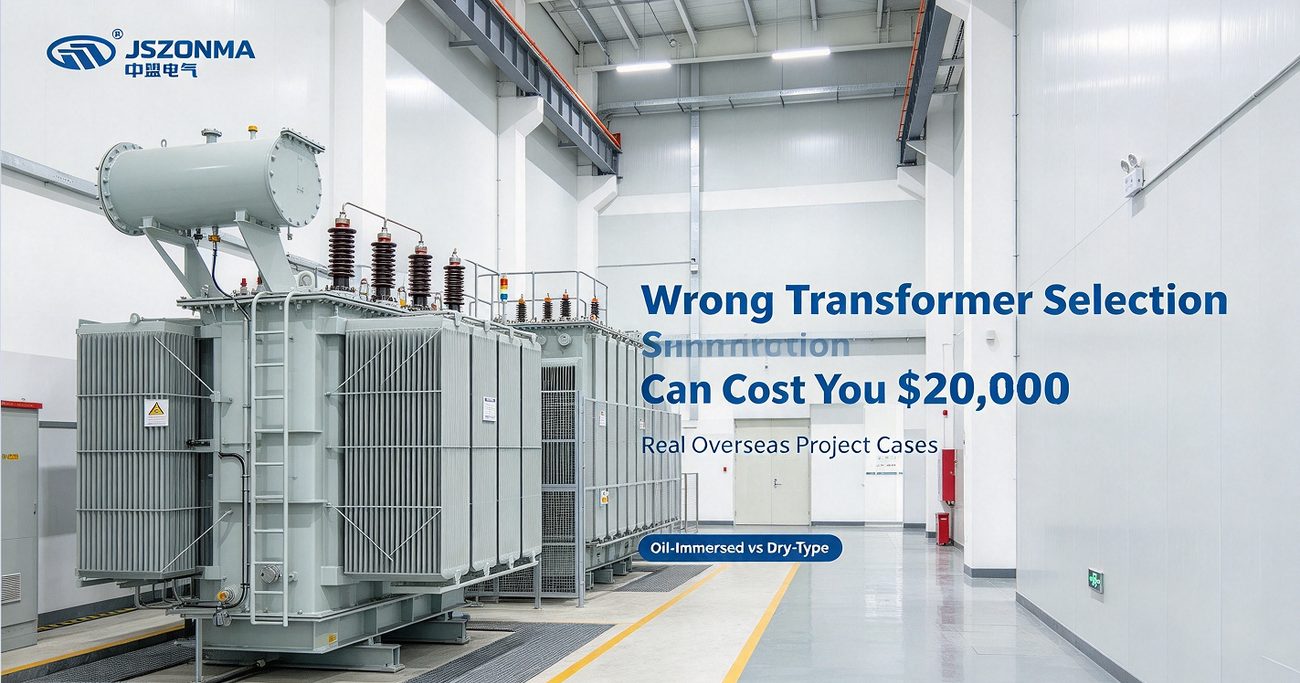
Every transformer distributor and project contractor should understand one critical lesson from the field. In fact, we have witnessed a real industry case where a dealer tried to save money by purchasing a low-cost transformer. However, due to incorrect model selection, he eventually lost nearly three times the equipment value and almost caused the entire project to fail.
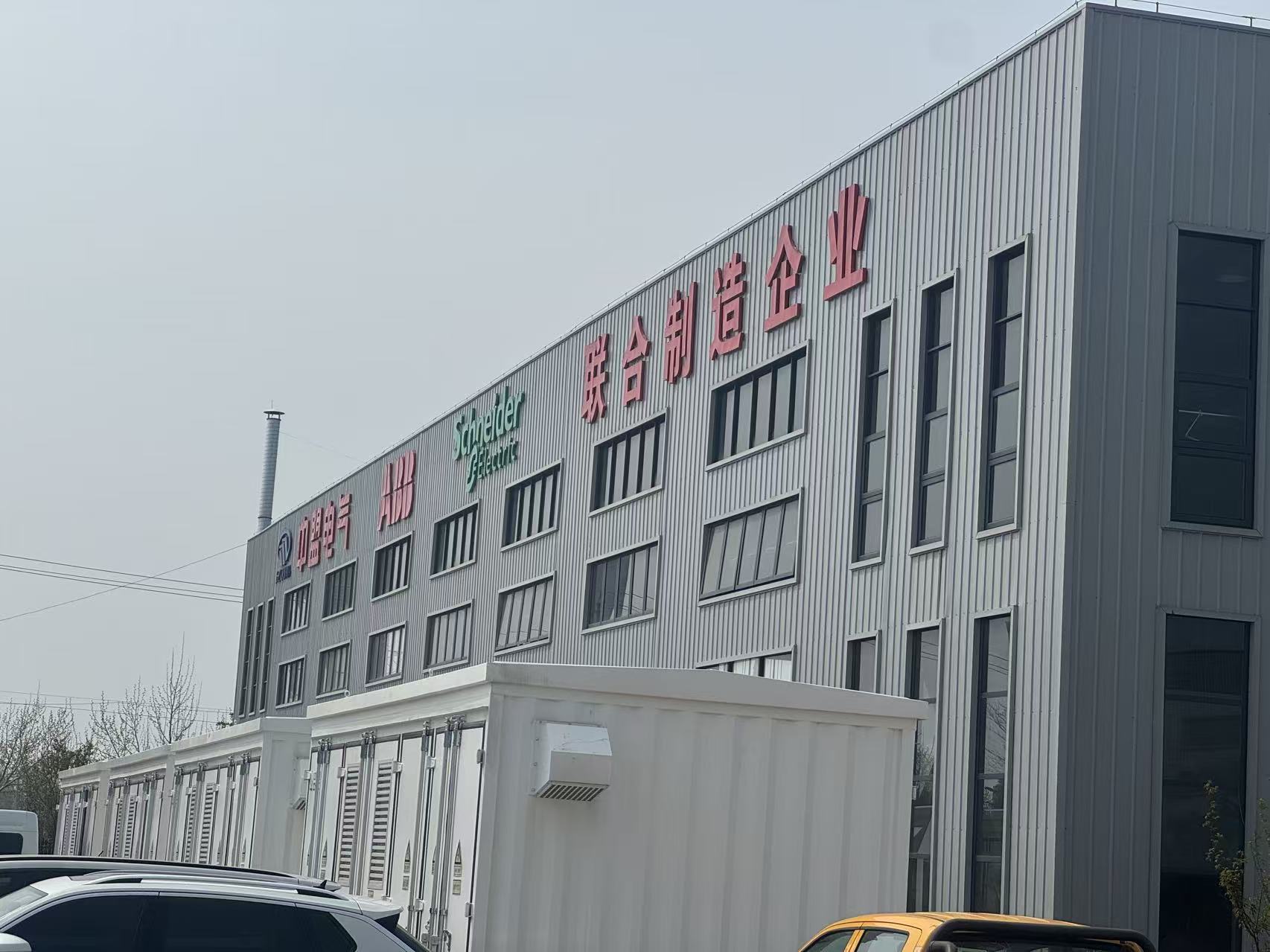
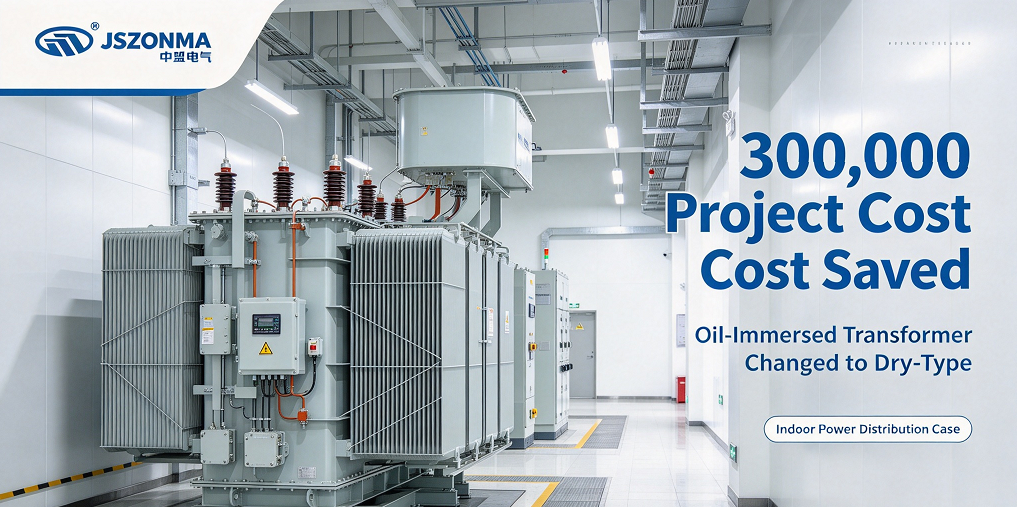
The project in question required power distribution equipment for indoor environments, which means dry-type transformers were the only compliant solution. Unfortunately, attracted by extremely low quotations, the dealer mistakenly ordered oil-immersed transformers instead. The root cause of this heavy loss is very clear: he only compared unit prices while completely ignoring actual application scenarios.
From a professional engineering perspective, oil-immersed transformers are generally not recommended for direct installation in enclosed basements. If indoor placement is truly unavoidable, full supporting facilities — including oil collection pits and complete fire protection systems — are legally mandatory. As a result, the additional civil engineering and renovation costs will be extremely high.
In this actual project failure, the oil-immersed unit was installed in a sealed basement without any oil-containment or fire safety measures. Within only three months of operation, oil leakage occurred and eventually triggered a short circuit fault. In the end, the combined expenses for equipment repair, site downtime, construction delays, and administrative fines reached nearly three times the original transformer procurement cost.
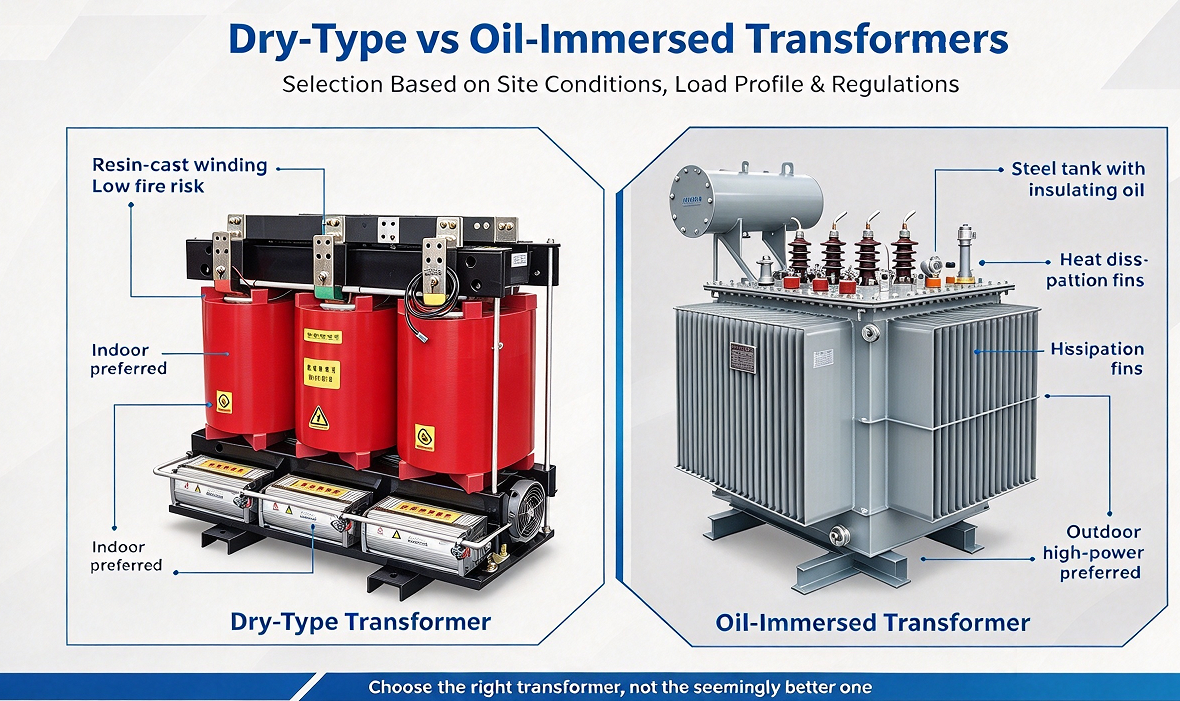
To help you avoid similar mistakes, we will clarify the essential difference between the two mainstream transformer types. Their core distinction lies in insulation and cooling media, which directly determines their suitable working conditions:
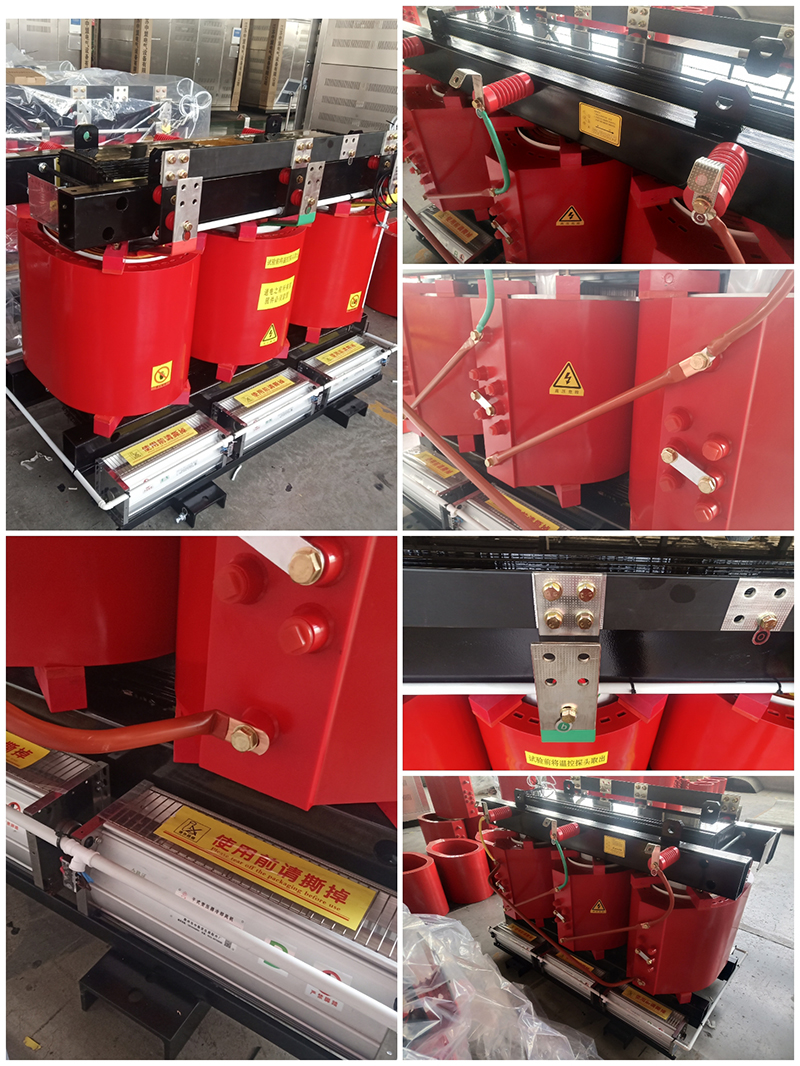
First, dry-type transformers adopt epoxy resin casting insulation. They feature excellent fire resistance, flame retardancy, and operational safety. Therefore, they are the standard choice for indoor rooms, shopping malls, residential buildings, and all densely occupied buildings with strict fire protection requirements.
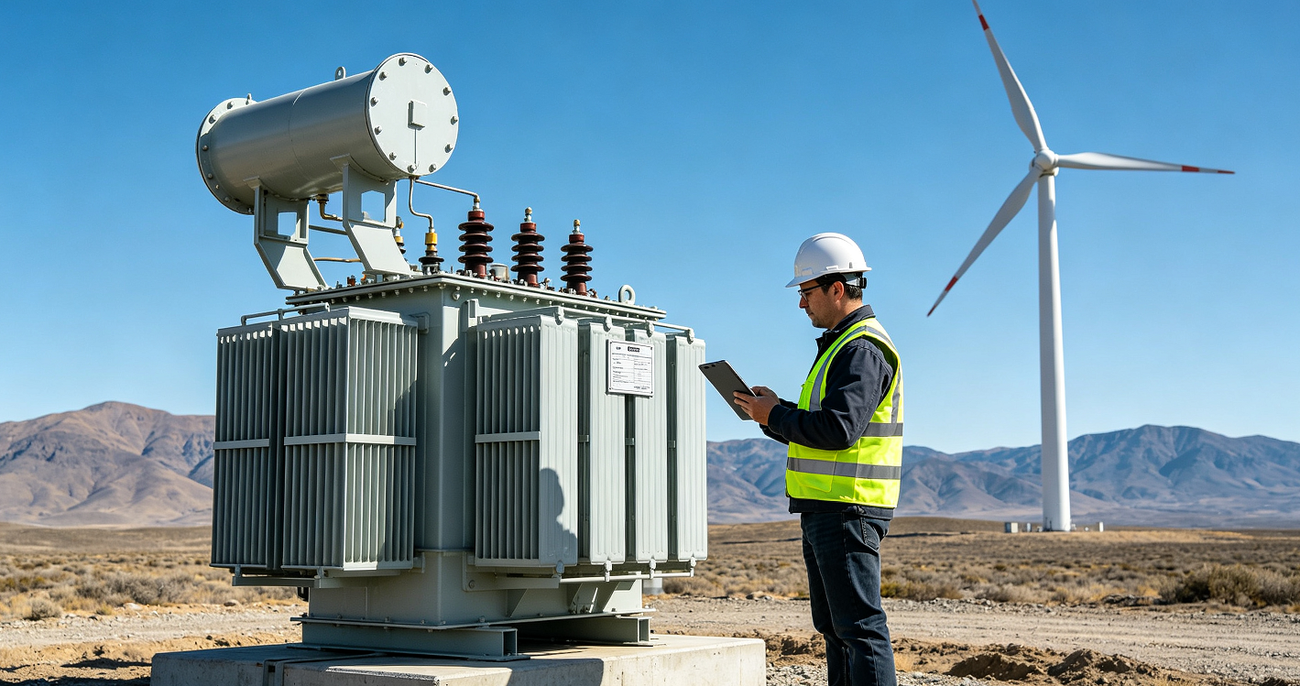
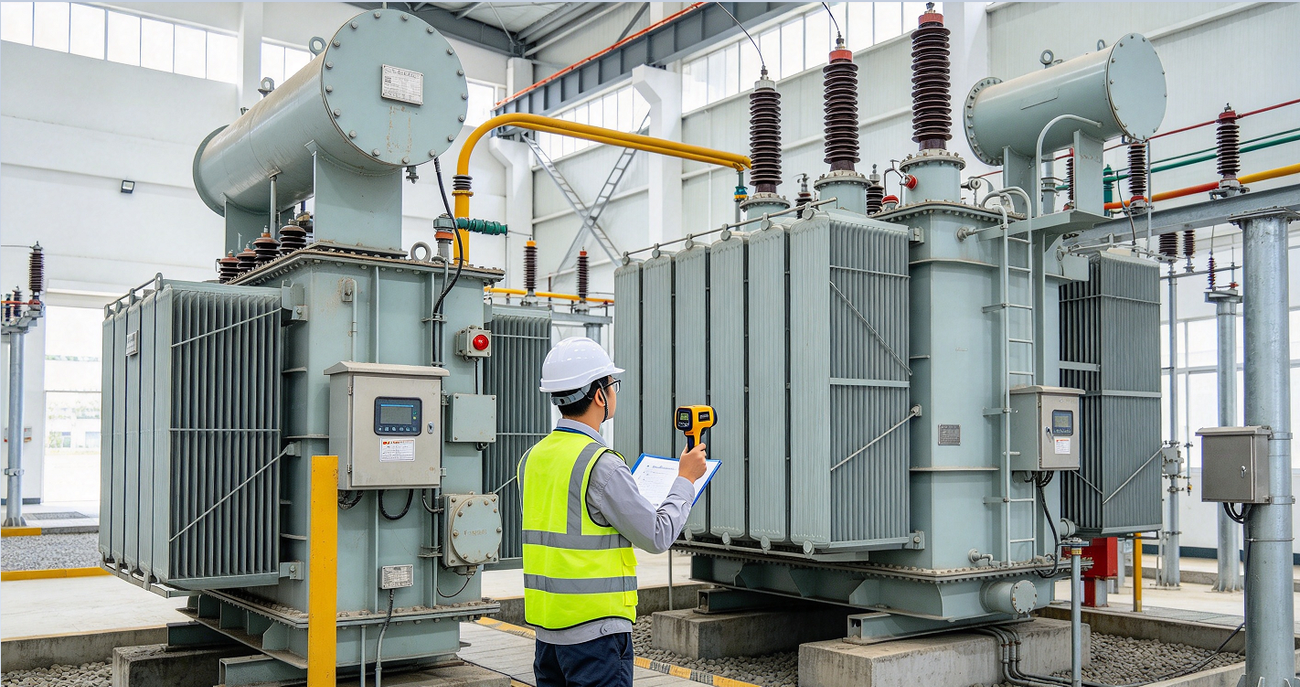
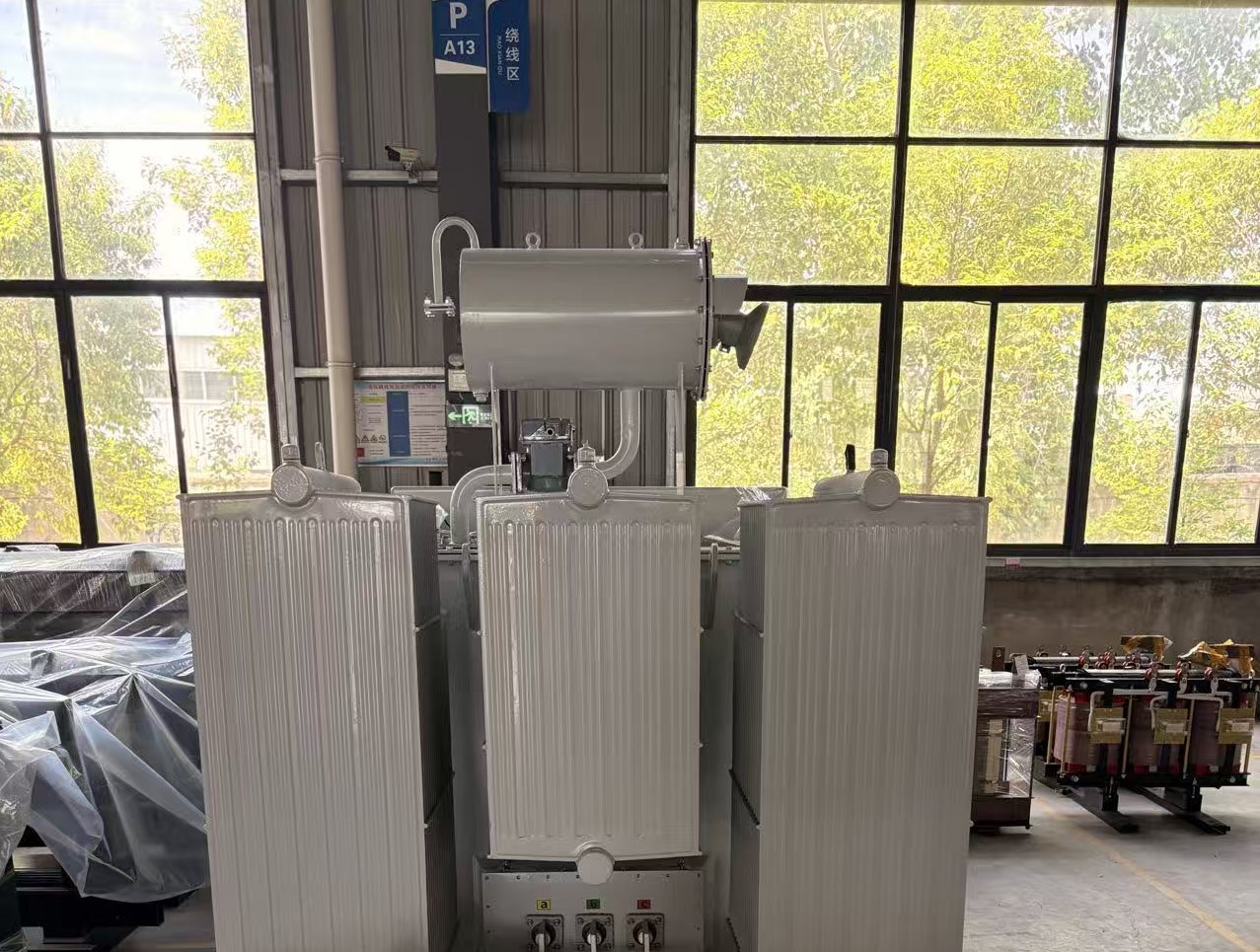
In comparison, oil-immersed transformers rely on insulating oil for heat dissipation, electrical insulation, and arc suppression.For this reason, they are more suitable for outdoor platform installation and open-air working conditions, and they require regular oil quality testing and leakage inspection maintenance.
This explains why many inexperienced purchasers fall into traps. Blindly selecting low-priced oil-immersed transformers for indoor projects not only creates severe safety hazards but also directly fails fire approval, ultimately leading to project rework and substantial economic losses.
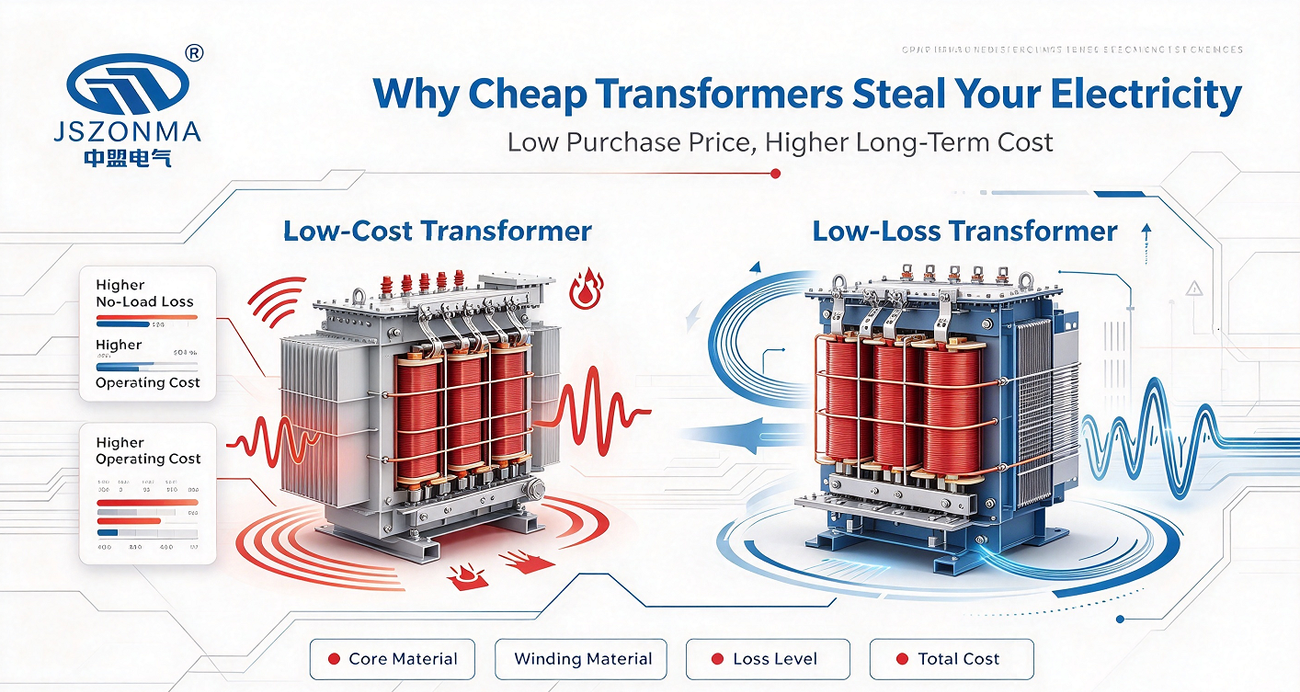
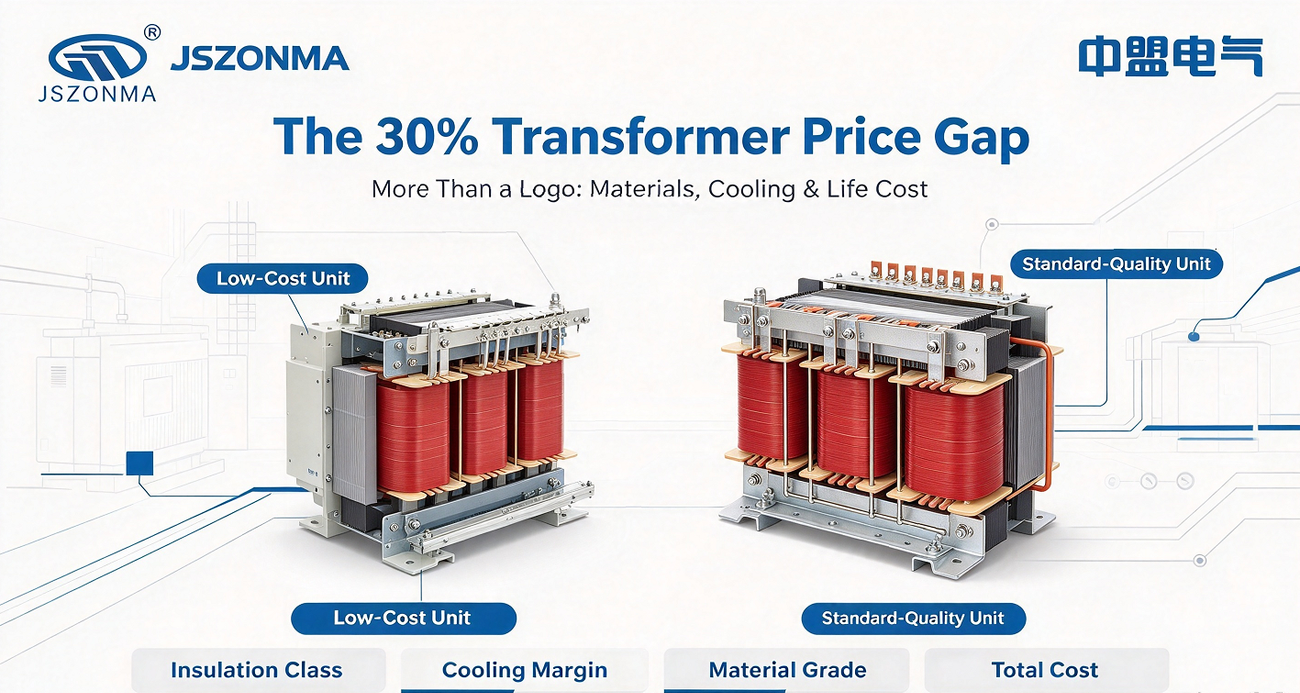
Besides scenario mismatch, another common industry pitfall is hidden material cutting. Transformer core costs mainly come from high-quality winding conductors and grain-oriented silicon steel. Nevertheless, many abnormally low-priced products secretly reduce standards by replacing specified copper windings with aluminum windings without customer confirmation.
Technically speaking, aluminum has a significantly higher resistivity than copper. Under high-load conditions, aluminum windings generate far more heat, accelerate insulation aging, and easily burn out within a short service period. Consequently, the so-called upfront cost savings will eventually turn into expensive maintenance, frequent shutdowns, and client compensation fees — the total loss is often enough to purchase multiple standard qualified transformers.
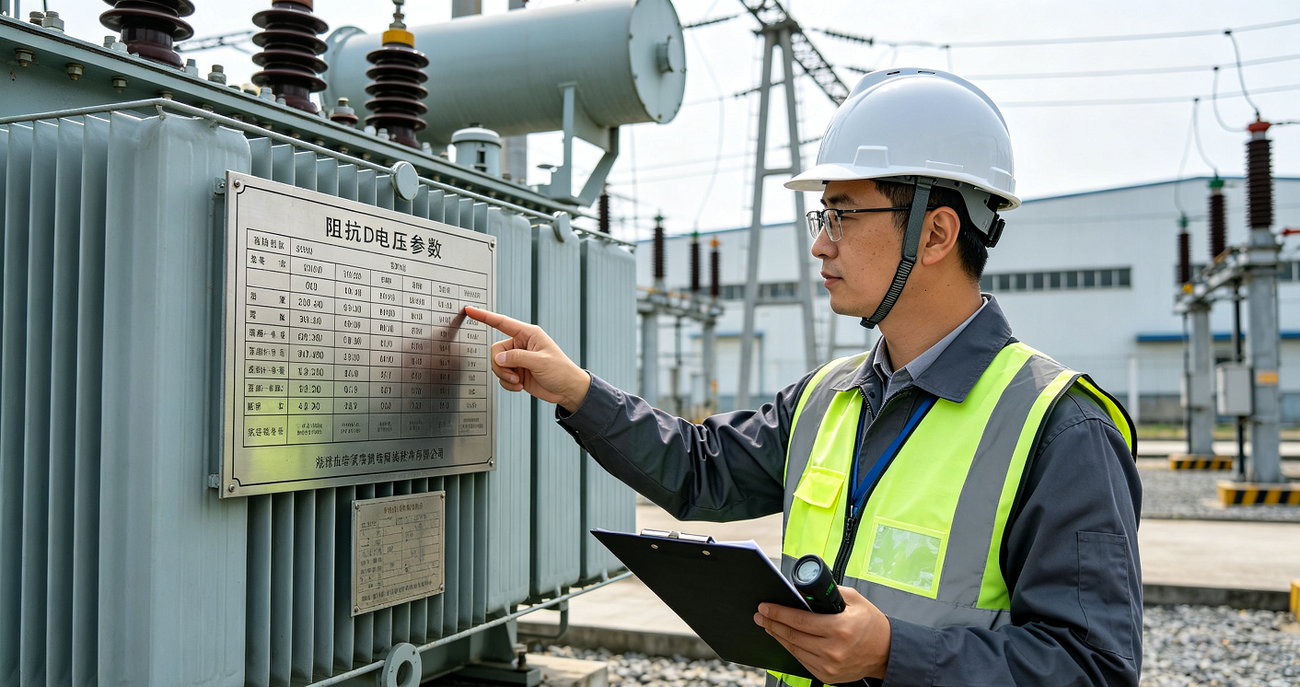
In contrast to these low-cost cutting-edge factories, we are a professional transformer manufacturer with more than ten years of production experience. We implement full-process quality inspection from raw material incoming testing to factory delivery.Thus, all core parameters and performance indicators strictly comply with international standards, ensuring stable and transparent product quality.
Most importantly, we provide free professional selection guidance for every client. We comprehensively evaluate your project conditions, including installation environment, required capacity, actual load rate, and local fire protection regulations. Through this one-stop evaluation, we help you achieve accurate one-time selection and completely avoid rework risks and safety hidden dangers.
In short, transformer selection should never rely solely on low prices. There is no need to pay expensive trial-and-error costs. If you have ever encountered transformer matching failures or feel confused about model selection for your ongoing project, follow us for reliable engineering support. We help you select the most cost-effective and compliant transformer solution to save costs and avoid risks.
https://www.facebook.com/unitatransformer