+86 18751738721
 sales@unitatransformer.com
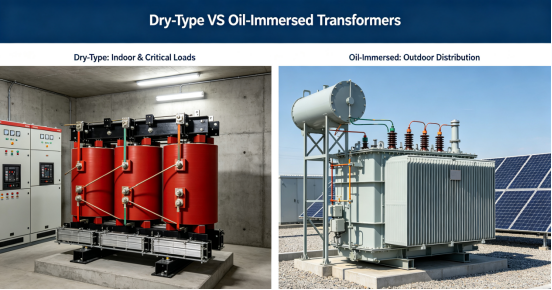
Most Buyers Only Check kVA and Price — and That’s Why Projects Fail
When sourcing distribution and power transformers, most overseas buyers focus only on capacity (kVA) and unit price. This simplified selection method often leads to hidden site failures, unstable power quality, equipment damage, and unplanned downtime.
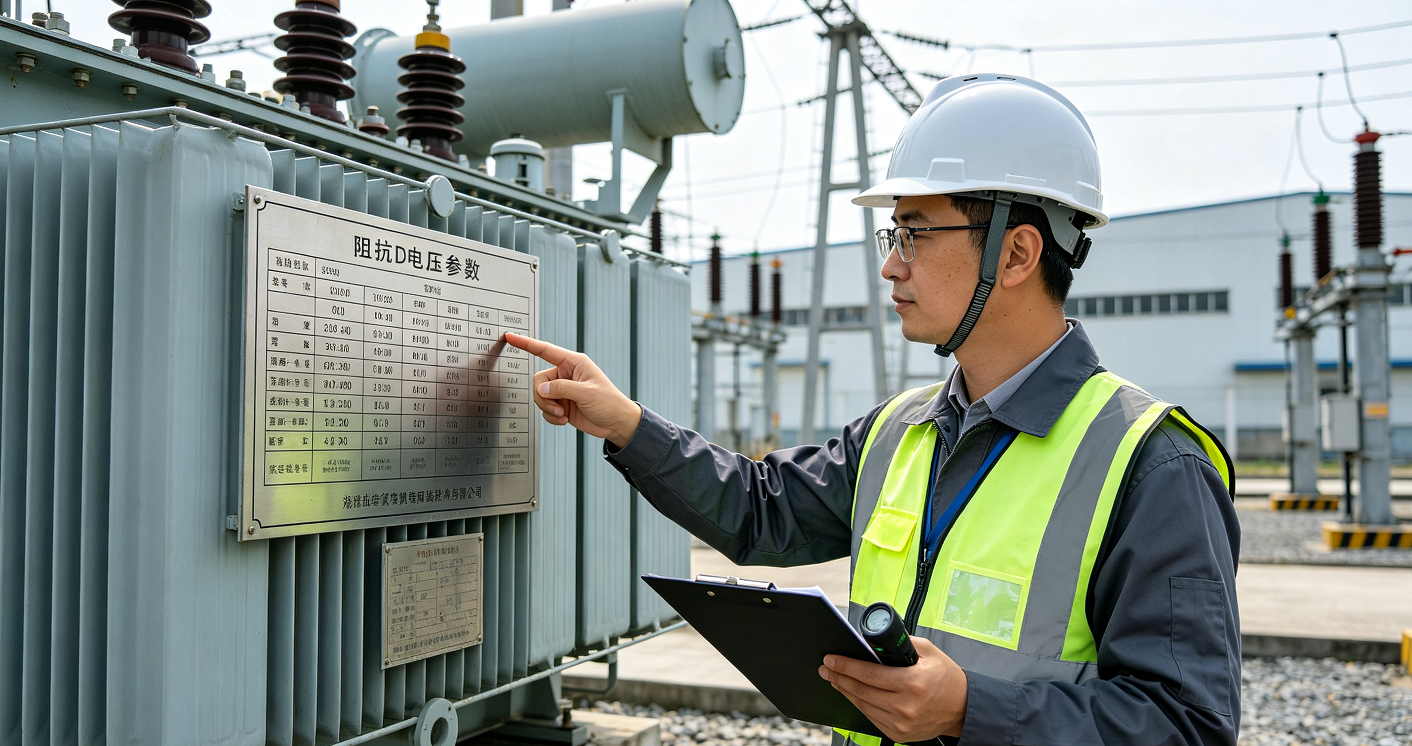
The most overlooked yet decisive parameter in transformer performance is impedance voltage (Uk%).
Many low-priced transformers look cost-effective on the quotation sheet, but fail to match local grid conditions. In the worst cases, they cause short-circuit risks, voltage flicker, motor startup failure, and even breaker burnout.
What Is Transformer Impedance Voltage (Uk%)?
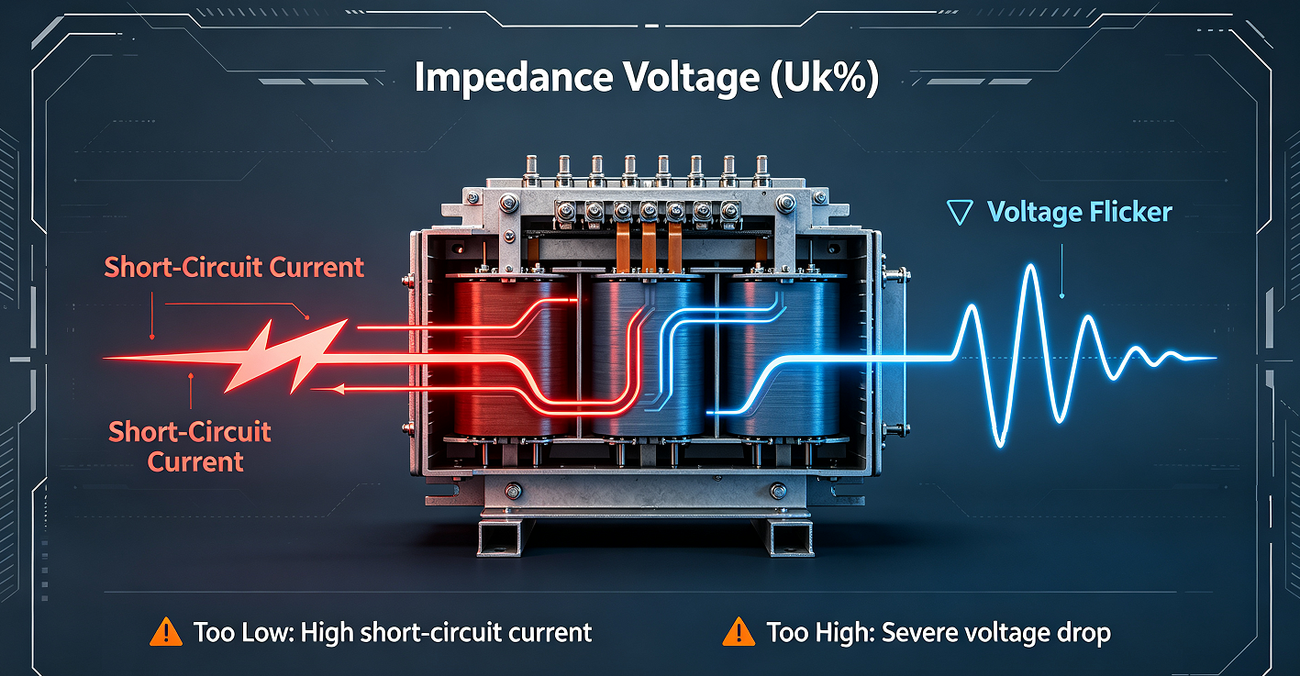
Impedance voltage defines the transformer’s internal impedance and directly controls the maximum short-circuit current under fault conditions. It also determines the unit’s voltage regulation rate during dynamic load changes.
In short:
- Too low Uk%: Short-circuit current becomes extremely high, risking blown breakers, damaged cables, and arcing faults.
- Too high Uk%: Excessive voltage drop occurs during motor startup, causing system flicker, unstable equipment operation, and low power efficiency.
Real Overseas Project Case: Africa Factory Voltage Flicker
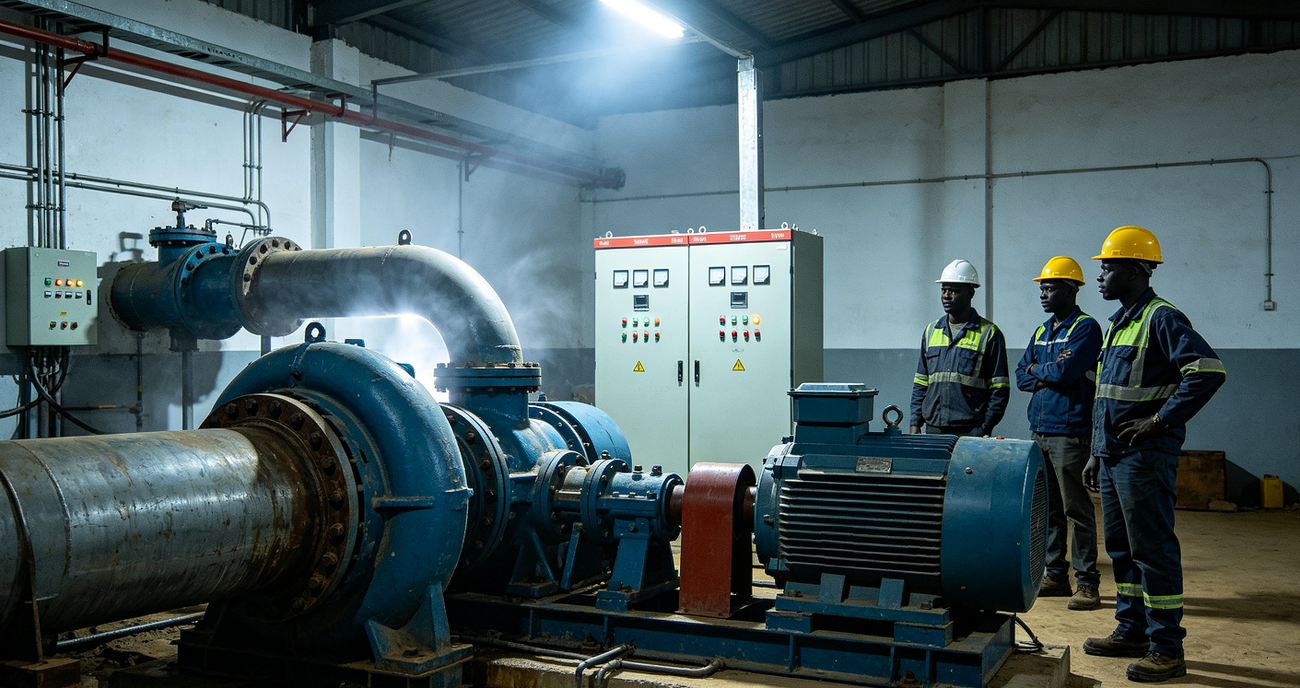
Last year, an African client purchased a seemingly cost-effective transformer for a water pump station. After installation, every time the large water pump started, the entire factory’s lights flickered violently, and sensitive equipment tripped frequently.
After technical verification, the root cause was clear:
The transformer impedance voltage did not match the local grid’s short-circuit capacity.
The local power grid was weak with limited short-circuit tolerance, while the transformer was manufactured with standard default impedance. The mismatch caused severe voltage dips under sudden load startup.
Professional Selection Rule: Impedance Is Not Fixed — It Must Match the Grid
A key industry fact unknown to most buyers: transformer impedance voltage is not a universal fixed value. It should be customized according to the strength of the local power grid.
1. Strong Grid Areas (Cities, Stable Power Networks)
Grid short-circuit capacity is sufficient. A relatively lower impedance value is acceptable. This configuration provides higher transmission efficiency, lower voltage drop, and better energy-saving performance.
2. Weak Grid Areas (Remote Mines, Rural Zones, Isolated Projects)
The grid is unstable and has low short-circuit withstand capability. A properly increased impedance voltage is required to suppress current surges and voltage fluctuations. Otherwise, frequent flicker, tripping, and equipment failure are inevitable.
Our Factory Customization Advantage

Most transformer factories only produce standard impedance values based on universal templates. They do not consider differences in overseas grid environments.
As an experienced transformer exporter, we provide grid-matched impedance customization for every overseas project:
We collect local grid parameters, calculate short-circuit capacity, and confirm the most suitable Uk% value before production. This ensures stable voltage output, reliable motor startup performance, and long-term operational safety.
Conclusion: Stop Choosing Transformers by Price Only
Transformer selection is not simply about comparing copper loss, iron loss, or kVA capacity. If you ignore impedance voltage matching, you will face unstable power quality and high maintenance costs after installation.
A professional supplier always adjusts technical parameters according to actual site conditions, not factory default standards.
Follow us to learn more professional transformer selection knowledge. In the next article, we will share three fatal mistakes in daily transformer maintenance that cause premature burnout.