 +86 18751738721
 sales@unitatransformer.com
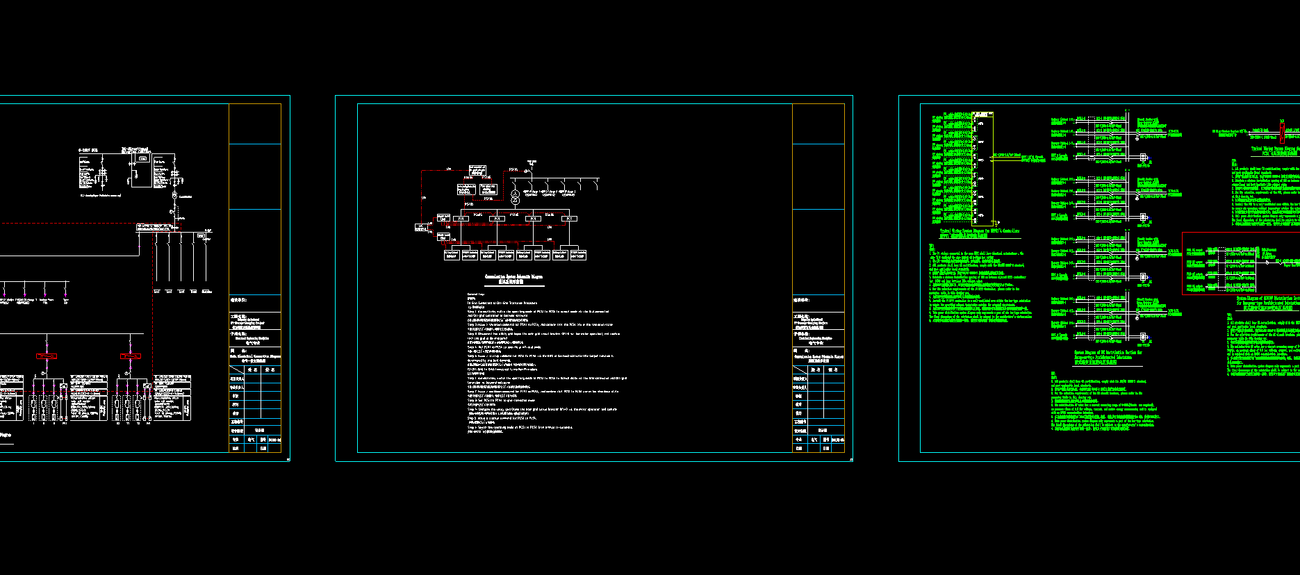
Many project engineers and buyers want to understand electrical drawings fast. You do not need to read every tiny detail to grasp the whole system. By focusing on core symbols and main power flow, you can get the key information of transformer, PV and energy storage single‑line diagrams in seconds.
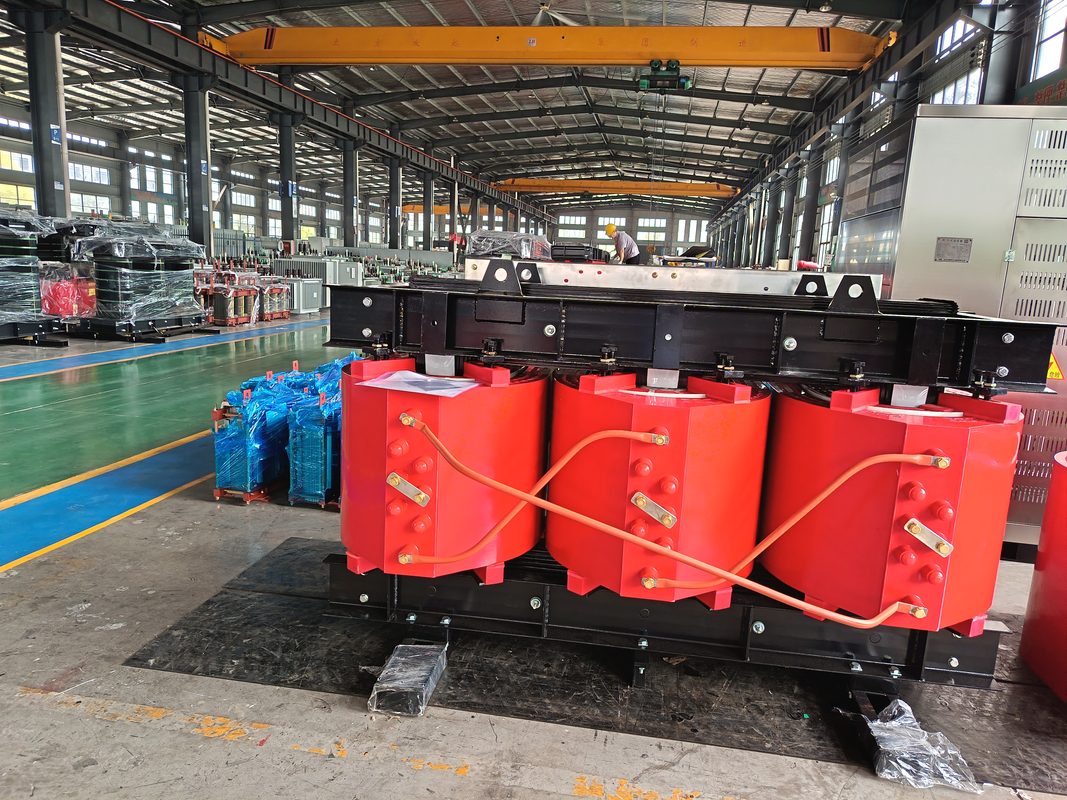
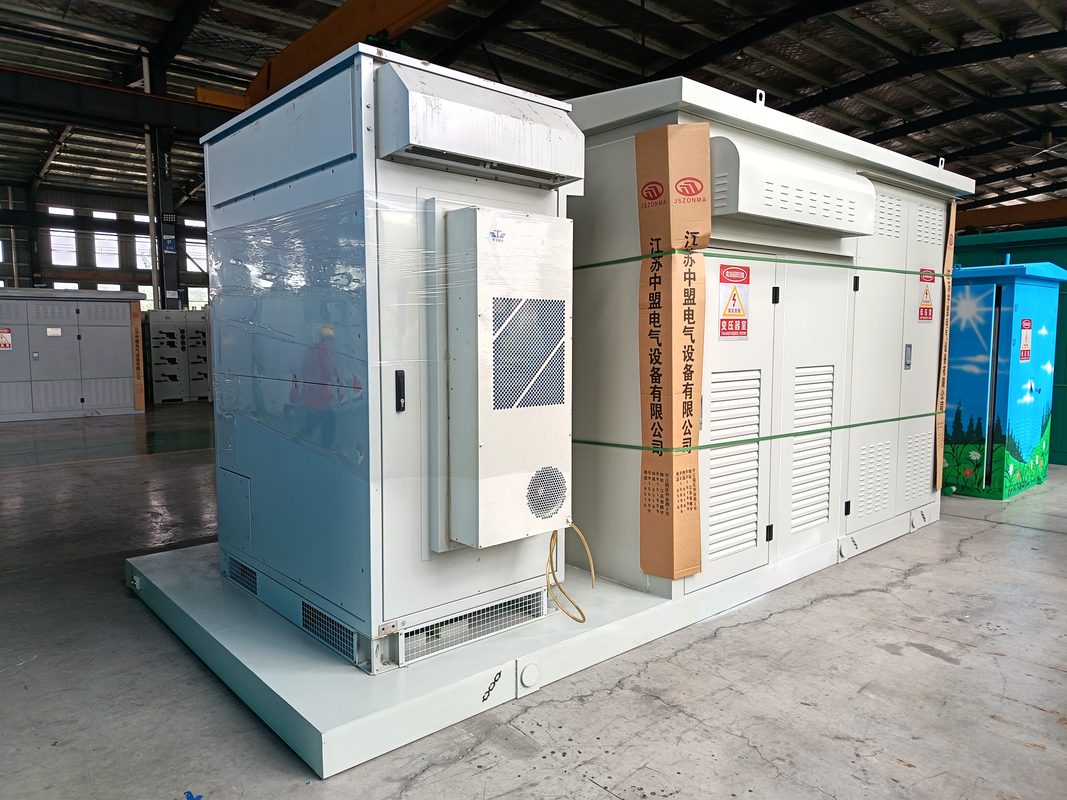
3 Core Points to Grasp Drawings Instantly
- Follow Power Flow Track power from input side → transformer → output side → grid / load.Arrows on transformer drawings show energy direction. You can tell at a glance whether it is a step‑up or step‑down unit.
- Recognize Key Symbols
- Transformer: circle with two winding symbols, for dry‑type or oil‑immersed transformer
- Circuit breaker: rectangle with switch mark
- Busbar: thick solid line
- PCS / Inverter: block with AC/DC labels
Critical note: Once you spot the transformer symbol, check its rated capacity, high‑voltage and low‑voltage ratings immediately.
- Distinguish Drawing Types
- Single‑line diagram: Most widely used for quotation and project proposals. It only shows main power circuits, excluding complex control details (90% of overseas trade projects use this type).
- Schematic diagram: For control circuits and internal wiring.
- Layout drawing: Shows physical equipment arrangement and dimensions.
In this PV‑ESS main electrical connection diagram, power is generated by solar arrays and battery energy storage. Power flows through PCS to the low‑voltage side of the step‑up transformer. The transformer raises the voltage and feeds power to the upper busbar. From the busbar, electricity is supplied to DC chargers, on‑site factory loads, and can be exported to the utility grid. When grid power is available, energy can flow backward through the transformer to charge the energy storage system.
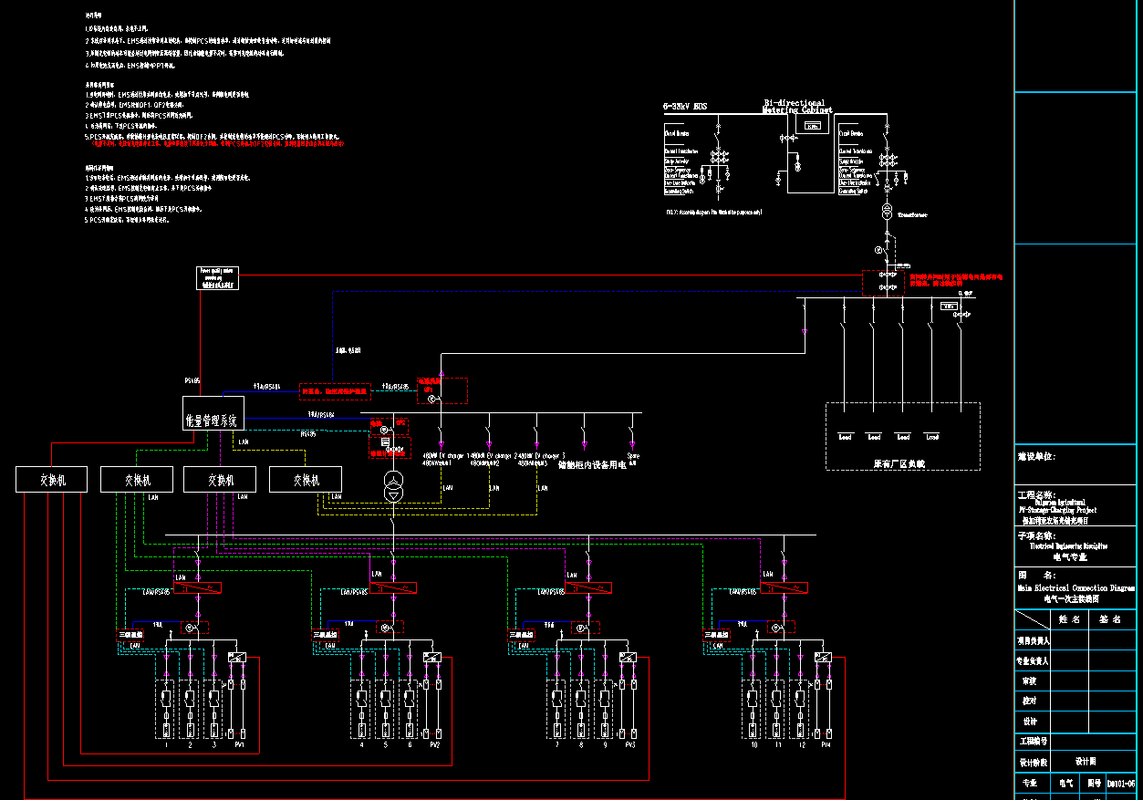
Quick Interpretation of Transformer Single‑Line Diagrams
- Left side: Low‑voltage input from PCS or solar inverters
- Middle: Dry‑type step‑up transformer
- Right side: Medium‑voltage side for grid‑connection
Quick judgement: Low‑voltage input, medium‑voltage output = step‑up transformer; high‑voltage input, low‑voltage output = step‑down transformer.
4 Must‑Check Details for Overseas Clients
- Transformer capacity
- High‑voltage & low‑voltage rated voltage
- Connection group (e.g. Dy11)
- Short‑circuit impedance
These four parameters on drawings form the foundation for quotation. You do not need to fully understand all secondary control circuits.
Common Misunderstandings
❌ Do not fixate on every secondary control circuit detail. For overseas projects, prioritize the main circuit of single‑line diagrams.
❌ Do not mix up single‑line diagrams and layout drawings; they serve completely different purposes.