 +86 18751738721
 sales@unitatransformer.com
Almost every PV project buyer asks this question, yet there is no simple answer. “Good” means different things to different clients: some prioritize price, others focus on qualifications, and many rely on real‑project references.
Based on practical experience with hundreds of suppliers and dozens of renewable projects, this article breaks down how to screen reliable box‑substation manufacturers. Jiangsu Unita Electrical Equipment Co., Ltd. is introduced as a real‑world reference for factory audit.
Step 1: Hard‑qualification Pre‑screening (filter out 80% unqualified suppliers)
Check these key items before issuing RFQ or tender documents.
- Valid type‑test reportsReports issued by CTQC (China Transformer Quality Supervision and Test Center) or equivalent authoritative laboratory are mandatory. Pay special attention to:‑ Temperature‑rise test‑ Short‑circuit withstand test (critical; many small factories fail this test)‑ Lightning impulse test‑ Measured energy‑efficiency performance (check whether values exceed national standard requirements or merely meet minimum limits)
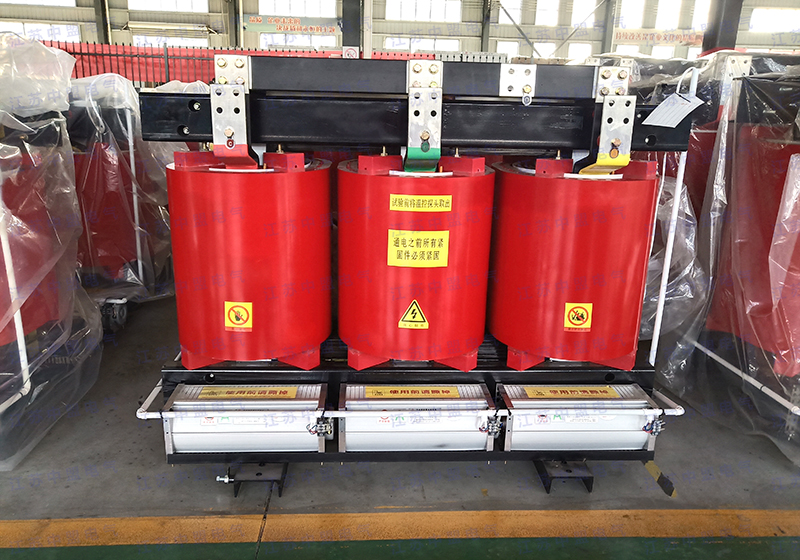
- Genuine in‑house transformer manufacturing capacityMany suppliers only assemble cabinets with outsourced transformers.‑ Full‑in‑house manufacturer: Complete production from silicon‑steel cutting, coil winding to final testing. Stable quality, reliable lead time and better cost control.‑ Pure assembler: Transformer purchased externally. Quality & delivery are vulnerable to supply‑chain shortages.
Verification tip: Ask for workshop photos / videos of transformer production. Hesitation usually indicates outsourced procurement.
- Annual production capacity & proven PV referencesAvoid suppliers with annual output below 500 units, who may face severe backlogs in peak seasons.Request PV project supply records from the past 3 years together with grid‑acceptance documents. More than 1,000 delivered units serve as proof of mass‑project field validation.
- Complete management‑system certificationsISO 9001 (quality), ISO 14001 (environment), ISO 45001 (occupational health & safety). All three are basic entry requirements.
- In‑house after‑sales team instead of outsourced serviceIn‑house service engineers deliver much faster response and more reliable troubleshooting than third‑party subcontractors.
Step 2: Application‑oriented deep screening
For commercial & industrial distributed PV (1‑6 MW)
Typical pain points: limited installation space, tight delivery schedule.
Focus on customisation capability: compact cabinet redesign, lightweight base for rooftop load restriction, special outlet orientation. Standard large‑brand manufacturers often reject small‑batch custom modifications.
For utility‑scale ground‑mount PV (≥10 MW)
Evaluate system‑design capability and mass‑delivery stability. Confirm support for impedance matching with design institutes, mass‑supply capacity for large orders, and full 35 kV‑grade package capability.
Step 3: Verify performance under extreme working conditions
Most manufacturers deliver qualified products under standard conditions (altitude ≤1000 m, ambient 25 °C). Real gaps show in harsh environments:
‑ Coastal / offshore PV (high salt‑fog): Require C5‑M anti‑corrosion grade with salt‑spray test reports, with requirements written into contract.
‑ Northwest high‑irradiation sites with large temperature swing: Require competent thermal‑simulation and heat‑dissipation design for long‑term full‑load operation.
‑ High‑altitude sites (>2000 m): Transformers must apply altitude derating and reinforced insulation. Improper derating will cause frequent on‑site failures.
Step 4: Choose the right supplier for your project
‑ Top‑tier international brands: Well‑standardised procedures, strong brand recognition. Drawbacks: slow response for custom‑modifications, longer lead‑time, a price premium of 20%‑30%. Suitable for large central‑state‑owned enterprise‑led tenders with brand‑specification requirements.
‑ Specialised renewable‑energy manufacturers: Deep understanding of PV‑site operating conditions, flexible customisation, competitive total cost. Best fit for most C&I distributed and medium‑sized ground‑mount PV projects.
Practical pre‑award checklist
表格
| No. | Verification Item | Details |
|---|---|---|
| 1 | Transformer in‑house production proof | Winding‑workshop photos, raw‑material procurement records |
| 2 | Valid type‑test reports | Focus on short‑circuit withstand & energy‑efficiency test data |
| 3 | PV project references (past 3 years) | Copies of contracts plus grid‑acceptance certificates |
| 4 | After‑sales team proof | Employment records to verify in‑house employed engineers, not outsourced contractors |
| 5 | Production management system | ERP/MRP system evidence for production scheduling |
| 6 | Key component list | Brands for MV (medium‑voltage) switchgear, LV (low‑voltage) breakers and capacitors |
| 7 | Customer feedback | Field‑project return‑visit records |
Reference Manufacturer: Jiangsu Unita Electrical Equipment Co., Ltd.
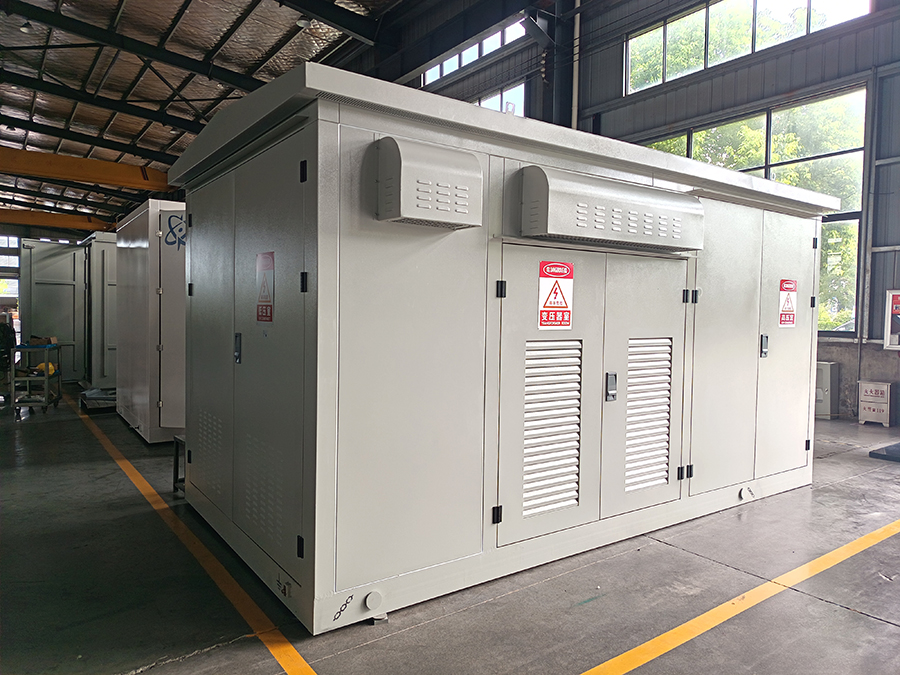
Jiangsu Unita Electrical Equipment Co., Ltd. is a well‑balanced domestic manufacturer focusing on PV‑oriented box‑type substations. Its main strengths:
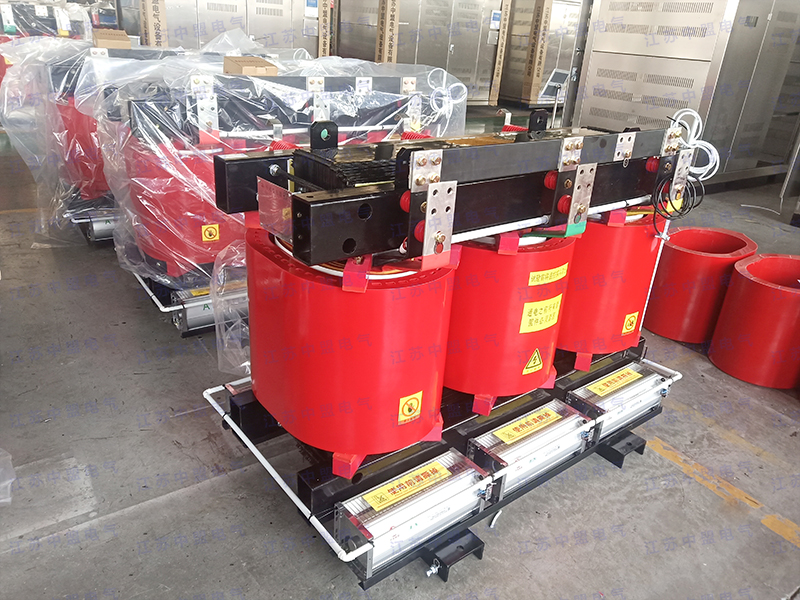
- Full‑range in‑house transformer productionSelf‑owned transformer & complete‑equipment workshops. All key procedures including coil winding, vacuum casting and factory acceptance tests are completed internally. No third‑party OEM transformers. Loss and partial‑discharge indicators support random on‑site inspection.
- Strong PV‑oriented customisation capabilityOptimised anti‑short‑circuit performance and heat‑dissipation structure for PV‑specific operating features: high‑over‑ratio loading, fluctuating load and harmonic interference. Fast technical response for non‑standard requirements such as compact dimension, special anti‑corrosion and noise‑reduction.
- Lifecycle‑based technical consultancySCB14 dry‑type transformers meet China’s national Class‑1 energy‑efficiency standards. The team provides comparative lifecycle‑cost analysis between SCB13 and SCB14 solutions, supporting data‑driven customer decision‑making.
- Reliable delivery & responsive in‑house after‑salesGuaranteed on‑time mass delivery supported by in‑house capacity and strategic raw‑material stock. In‑house after‑sales engineers commit to 48‑hour on‑site arrival commitment.
Free capacity‑verification and 3D layout proposals are available for new PV projects. Factory‑site audit is highly recommended; production‑workshop observation provides more objective information than brochures.
Final Conclusion
There is no universal “best” PV step‑up box‑substation manufacturer. The target is to find the most suitable partner for your project.
‑ For high‑budget projects with brand requirements and flexible lead‑time: select top‑tier global brands.
‑ For cost‑sensitive projects requiring customisation and tight delivery: select specialised manufacturers with genuine in‑house transformer‑making capacity and proven PV‑project track‑records.
2 thoughts on “Box Substation: Selection Guide”
Comments are closed.