 +86 18751738721
 sales@unitatransformer.com
Custom transformers for Central Asia extreme climate, sandstorms and fluctuating grids, ideal for PV stations, mines and rural power renovation.
Currently,Central Asia has become the core region for new energy construction and grid upgrading in 2026. Countries including Kazakhstan, Uzbekistan, Turkmenistan and Tajikistan are rapidly building desert photovoltaic bases, wind farms, industrial parks and rural power grid renovation projects. However, many EPC contractors and project owners face a common problem: standard conventional transformers cannot operate stably in Central Asia’s special environments, leading to overheating tripping, insulation aging, high power loss and frequent onsite failures.
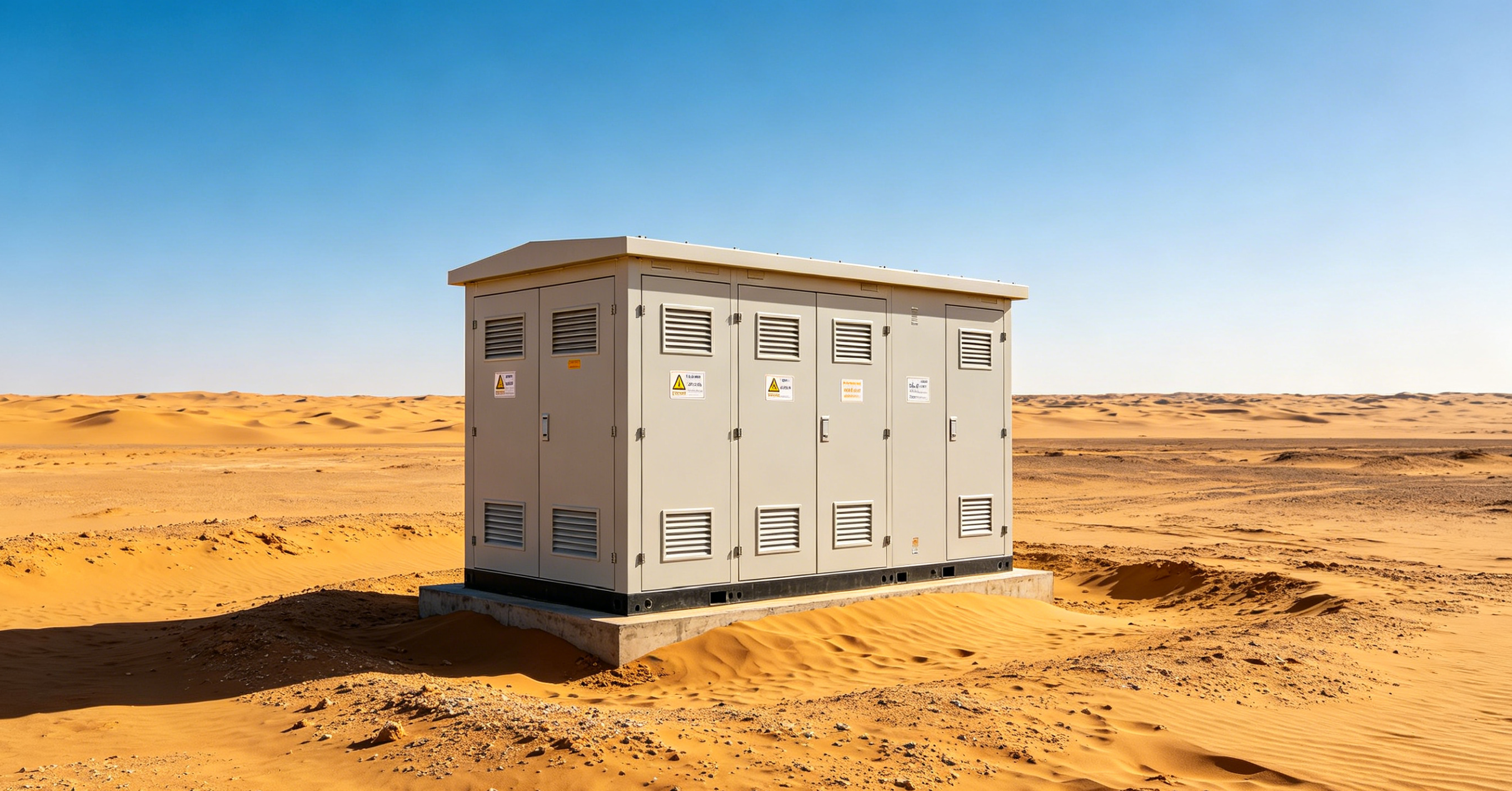
In general, most global standard transformers are designed for mild climates and stable urban power grids. They cannot adapt to Central Asia’s dual harsh conditions: extreme desert continental climate and long-distance weak power grid. This article explains the core failure causes of ordinary transformers and why VoltCloud Electric customized wide-temperature, anti-sand and weak-grid-adaptive transformers have become the most reliable solution for Central Asian projects.
1. Extreme Temperature Difference Causes Rapid Aging of Standard Transformers
First of all, Central Asia features one of the most drastic temperature fluctuations in the world. In desert and Gobi areas, summer surface temperatures exceed 55℃, while winter nighttime temperatures drop sharply to -30℃ or even lower. The annual temperature difference spans more than 80℃.
In detail, generic transformers adopt conventional insulating materials and ordinary cooling structures, which bring two major risks:
- On one hand, high-temperature summer failure: Ordinary heat dissipation systems cannot cope with continuous high temperature and dry air. Transformers easily overheat, resulting in capacity attenuation, increased loss and protective tripping.
- On the other hand, low-temperature winter embrittlement: Common sealing rubber and structural materials harden and crack under ultra-low temperature, destroying cabinet tightness and causing internal condensation and insulation decline.
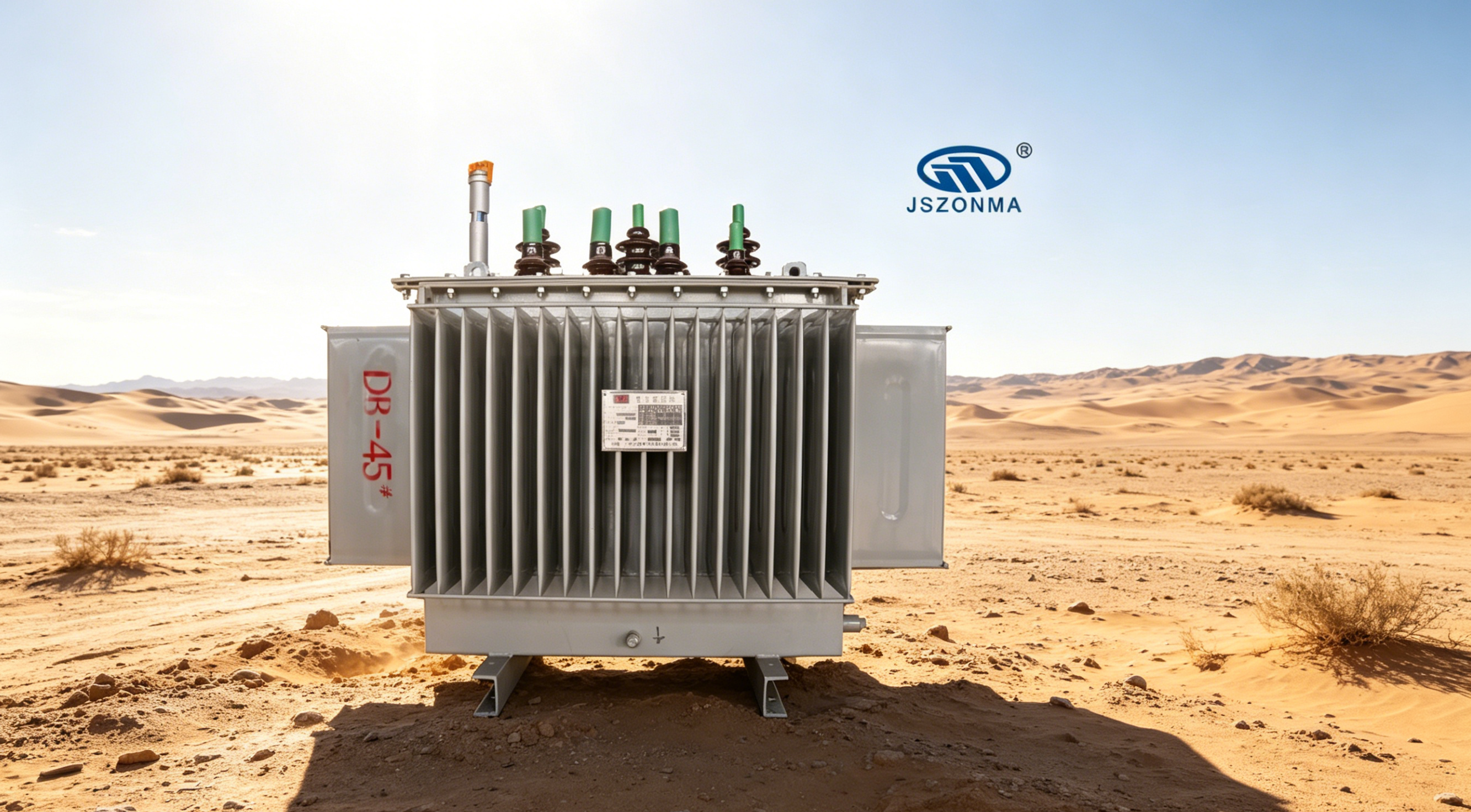
To tackle this defect,VoltCloud Electric Central Asia exclusive transformers adopt H-class high-temperature resistant insulation and low-temperature resistant steel structure. The whole machine stably operates from -40℃ to 65℃, completely solving temperature aging and shutdown risks.
2. Frequent Sandstorms Lead To Dust Blockage and Insulation Failure
Furthermore, most new energy and industrial projects in Central Asia are located in open Gobi and desert zones with long sandstorm seasons. Standard transformers usually adopt ordinary IP54 ventilation structure, which cannot resist fine desert dust.
In the long run, long-term sand invasion causes:
- Dust accumulation on heat sinks, blocking heat dissipation and raising operating temperature;
- Fine sand entering coil gaps, reducing insulation performance and triggering flashover faults;
- Abrasion of external paint, leading to rust and corrosion under strong ultraviolet radiation.
For this reason, our Central Asia customized transformers adopt fully sealed IP55 dustproof structure + self-cleaning heat dissipation channel and C5-level anti-UV anti-corrosion coating. No dust accumulation occurs after long-term outdoor operation, greatly reducing annual failure rate.
3. Weak & Fluctuating Grid Causes Overload and Tripping
In addition to harsh natural environments, Central Asia also faces unstable power grid conditions. Different from European and American stable power grids, Central Asian power grids are generally aging, with long transmission lines, sparse substations and severe voltage fluctuation. In practice, the actual grid deviation often reaches ±15%, and harmonic distortion rate in industrial zones exceeds 8%.
Standard transformers with fixed voltage tolerance cannot adapt to such wide-range grid changes. Frequent voltage surges and drops cause long-term overloaded operation, coil heating and unstable power supply, failing to meet local grid connection standards.
VoltCloud Electric’s customized transformers optimize magnetic density and voltage tolerance range. They support continuous stable operation under ±20% grid fluctuation, with strong anti-interference and overload resistance, fully matching Kazakhstan, Uzbekistan and Turkmenistan grid access requirements.
4. Long-Distance Transmission Needs Ultra-Low Loss Design
Besides climate and grid issues, long-distance power loss is another key challenge. Many desert PV and wind farms are located hundreds of kilometers away from load centers. Ordinary transformers have high no-load and load loss, which wastes large amounts of power and reduces project profits.
Therefore, VoltCloud Electric applies amorphous alloy core and optimized seam technology for Central Asian projects. This design reduces no-load loss by over 60% compared with traditional transformers. It greatly improves power generation efficiency and increases annual project revenue.
Core Advantages of VoltCloud Electric Central Asia Custom Transformers
- Ultra-wide temperature adaptation: -40℃ ~ 65℃ full-season stable operation, anti-condensation and anti-aging
- Desert sandstorm resistance: IP55 fully sealed dustproof design + UV anti-corrosion coating
- Weak grid adaptive performance: Strong voltage fluctuation resistance, suitable for aging Central Asian power grids
- Ultra-low energy loss: Amorphous alloy low-loss design, saving massive power consumption for long-term operation
- Fast delivery & flexible customization: Support non-standard capacity, voltage level and outdoor special structure customization to adapt to various desert, plateau and industrial scenarios
Applicable Central Asian Project Scenarios
Our customized transformers are widely used in mainstream local construction scenarios:
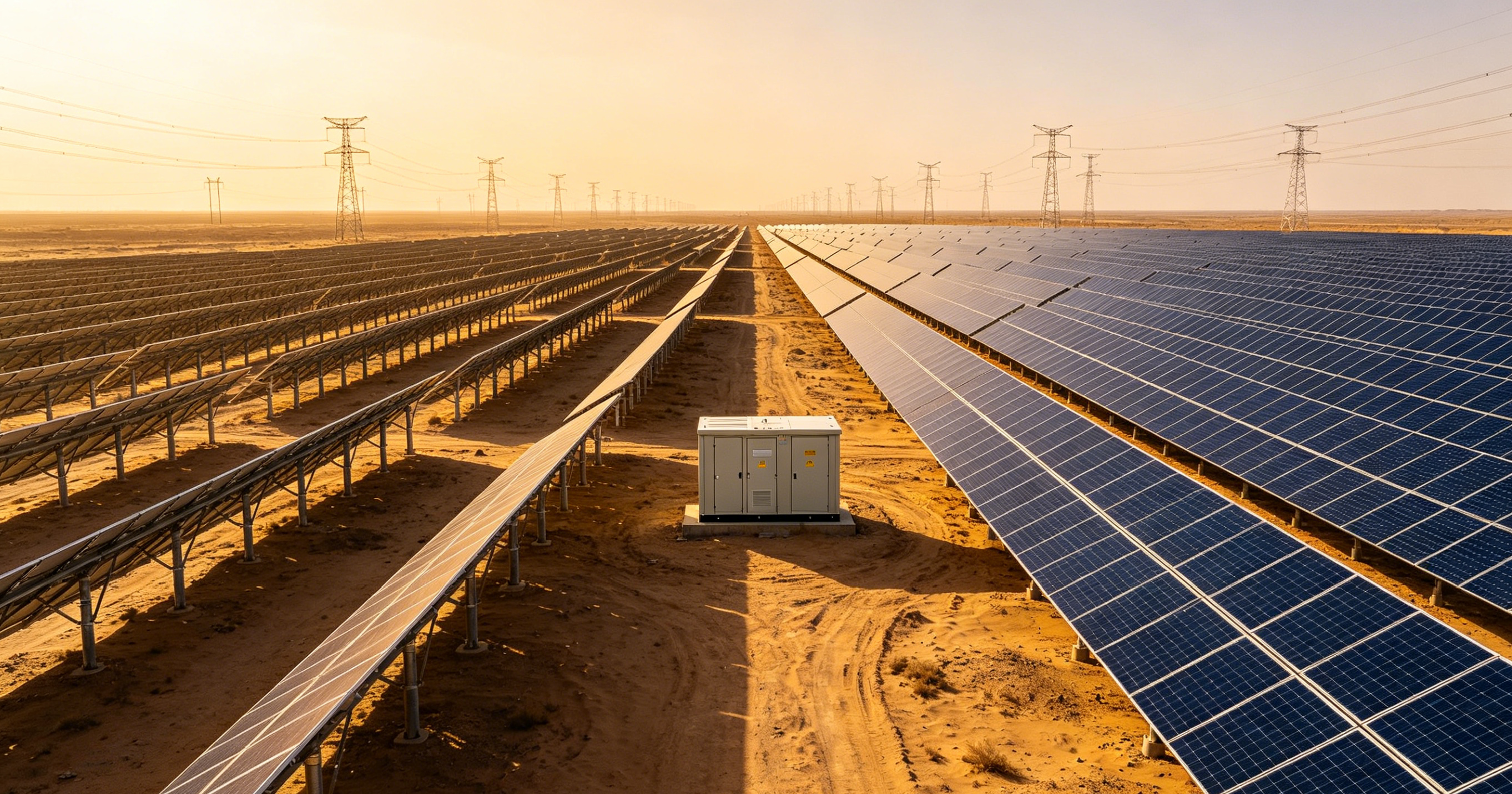
- Desert photovoltaic and wind power station supporting power transformation
- Grid upgrading and reconstruction projects in Kazakhstan and Uzbekistan
- Industrial park, mining zone and remote rural power supply projects
- Energy storage station supporting step-up and step-down power distribution
Conclusion
Standard transformers can no longer meet the harsh climatic and grid conditions of Central Asia. Only scenario-customized wide-temperature, anti-sand and weak-grid-adaptive transformers can ensure long-term stable and low-loss operation of new energy and grid projects. As a professional new energy power equipment manufacturer focusing on the Central Asian market, VoltCloud Electric provides one-stop customized transformer solutions, helping local EPC partners and project owners avoid equipment failure risks and maximize project returns.
Home – Distribution transformer,Oil immersed transformer,Dry type transformer-VoltCloud Electric
One thought on “How to Pick Transformers for Central Asia”