 +86 18751738721
 sales@unitatransformer.com
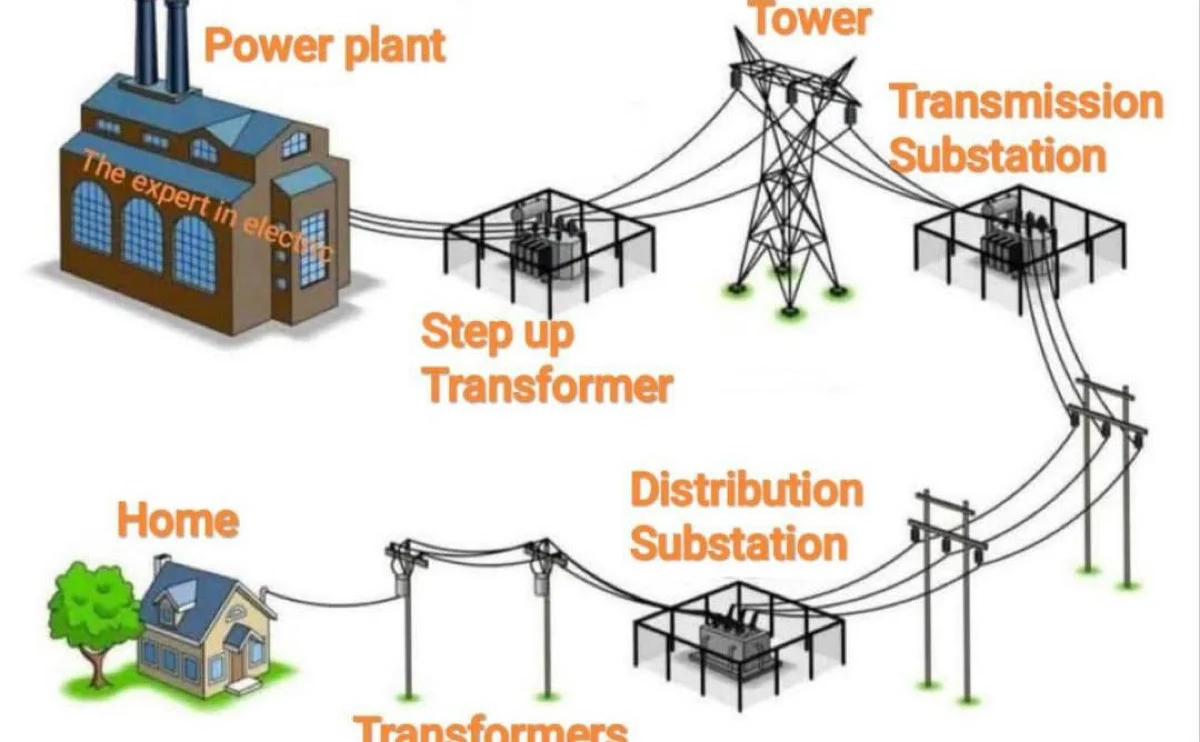
What Is a Transformer?
A transformer is a static device that transfers electrical energy between circuits by electromagnetic induction, raising or lowering voltage while keeping frequency constant. It is the silent hero of every power system — from generation to the wall socket.
Basic Principle
Alternating current in the primary winding creates a changing magnetic flux in the core, which induces a voltage in the secondary winding. The turns ratio sets the voltage ratio: more secondary turns steps voltage up, fewer steps it down.
Main Types
| Type | Cooling / Insulation | Typical use |
|---|---|---|
| Dry-type | Air, resin/VPI | Indoor, safe, clean environments |
| Oil-immersed | Mineral/ester oil | Substations, outdoor, high power |
| Distribution | Oil or dry | Final step to end users |
| Power | Oil (large) | Transmission and generation |
| Specialty | Various | Rectifier, traction, furnace |
Where They Are Used
- Power generation and transmission networks
- Industrial plants and process lines
- Commercial buildings and residential complexes
- Renewables: solar, wind, energy storage
- Railway traction and EV charging
How to Choose
Start from load power and voltage, then decide cooling type by location and safety rules, and finally confirm efficiency class and protection. Our dry vs oil guide walks through the decision in detail, and you can explore dry-type or oil-immersed product lines.
Frequently Asked Questions
Why can’t a transformer change DC?
Induction needs a changing magnetic field, which only alternating current provides.
Which is better, dry or oil?
It depends on location, fire rules, and power level — see the comparison guide.