 +86 18751738721
 sales@unitatransformer.com
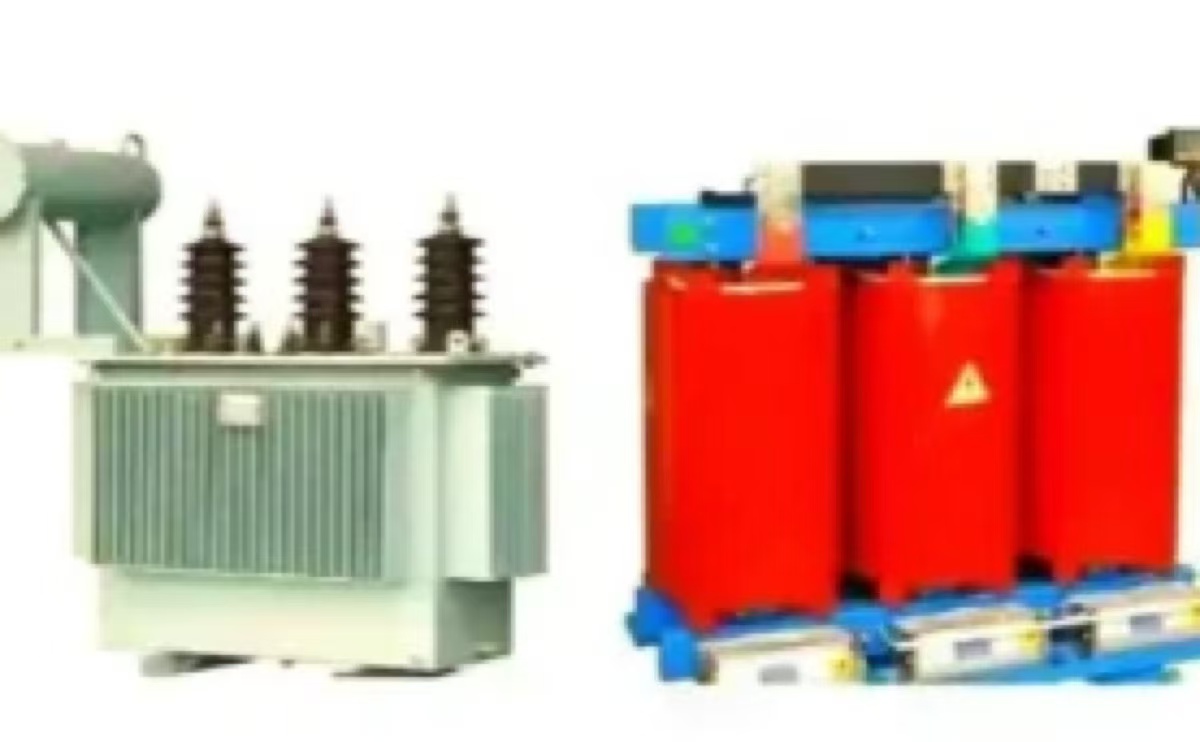
Article Keywords (for SEO): Dry-type transformer, SCB dry-type transformer, dry-type transformer manufacturer, dry-type transformer price, dry-type transformer model, dry-type transformer principle, dry-type transformer cooling method, dry-type transformer installation, dry-type transformer maintenance, epoxy resin cast transformer
Article Description: This article provides a detailed explanation of the definition, working principles, core advantages (such as fire resistance and environmental friendliness), common models (e.g., SCB series), and applications of dry-type transformers in critical areas like buildings and data centers, along with selection and maintenance guidelines.
1. What is a Dry-Type Transformer?
A dry-type transformer is a type of transformer where the core and windings are not immersed in insulating oil but are cooled by air or other gases (e.g., N₂, SF₆). Its windings are typically vacuum-cast or encapsulated with solid insulating materials such as epoxy resin, providing excellent mechanical strength and insulation performance. This design achieves oil-free, fire-resistant, and explosion-proof operation.
2. Working Principle and Cooling Method of Dry-Type Transformers
The basic working principle of a dry-type transformer also follows the law of electromagnetic induction. Its core feature lies in its unique cooling method:
- AN/AF Cooling Method: Often labeled as AN (Air Natural) and AF (Air Forced). Under natural air cooling, the transformer can operate at 100% rated load. When the forced air cooling system (fans) is activated, its short-term overload capacity can increase by 40%-50%, adapting to load fluctuations.
This dry-type design fundamentally eliminates risks such as oil leakage, fire, and explosion associated with oil-immersed transformers, making it an inherently safe device.
3. Core Advantages and Features of Dry-Type Transformers
Choosing a dry-type transformer means opting for a higher level of safety and convenience. Its main advantages include:
- High Safety: No flammable or explosive insulating oil, offering excellent flame retardancy, explosion resistance, and fire prevention. Ideal for densely populated areas.
- Environmentally Friendly and Energy-Efficient: No risk of oil leakage pollution, and most designs use advanced materials with low losses and high efficiency, complying with national energy efficiency standards (e.g., GB 20052).
- Easy Installation: Compact structure, relatively lightweight, and no need for separate oil pits or complex fire protection facilities. Installation is simple, saving space and reducing civil engineering costs.
- Low Maintenance: No need for regular oil level checks or insulating oil filtration. Daily maintenance is significantly reduced, resulting in lower lifecycle costs.
- Strong Environmental Adaptability: Excellent moisture resistance, enabling stable operation in high-humidity environments (typically with a protection rating of IP20 or higher).
4. Common Dry-Type Transformer Models: SCB Series
The mainstream dry-type transformer model in the market is the SCB series, where:
- S: Stands for three-phase.
- C: Represents epoxy resin cast windings.
- B: Indicates foil windings.
SCB dry-type transformers feature low losses, strong short-circuit resistance, low noise, and high reliability, making them the preferred choice for many key projects and high-end users.
5. Key Application Areas of Dry-Type Transformers
Due to their exceptional performance, dry-type transformers are widely used in the following critical locations:
- Commercial Buildings and Complexes: Such as office buildings, shopping malls, and hotel power distribution centers, ensuring power supply safety.
- Data Centers and Equipment Rooms: Core facilities with extremely high requirements for power supply continuity and safety.
- Airports, Subways, and Tunnels: Critical public transportation infrastructure.
- Hospitals, Schools, and Museums: Public buildings with high population density and fire safety requirements.
- Petrochemical and Mining Industries: Hazardous environments with flammable or explosive gases.
6. How to Choose the Right Dry-Type Transformer?
When procuring, besides considering the dry-type transformer price, it is essential to evaluate the following:
- Reputable Brands and Manufacturers: Choose a reputable dry-type transformer manufacturer with complete qualifications to ensure product quality and after-sales service.
- Determine Technical Parameters: Identify rated capacity (kVA), voltage level, connection group, and other model parameters based on load requirements.
- Focus on Energy Efficiency Ratings: Select transformers that meet or exceed the latest national energy efficiency standards for long-term energy savings.
- Consider Protection Ratings: Choose an appropriate protection rating (IP code) based on the installation environment (e.g., presence of dust or moisture).
7. Key Points for Daily Maintenance of Dry-Type Transformers
Although dry-type transformers require minimal maintenance, regular checks are still necessary:
- Routine Inspections: Remove surface dust and check for loose fasteners.
- Regular Testing: Use infrared thermography to inspect connection points and winding temperatures. Ensure cooling devices such as fans are operating normally.
- Preventive Testing: Regularly perform insulation resistance tests and DC resistance tests to ensure optimal insulation conditions.
Conclusion
Dry-type transformers, with their irreplaceable safety and environmental benefits, have become the backbone of modern power distribution systems. Whether for new projects or retrofitting old equipment, choosing a high-quality dry-type transformer is a long-term investment in power safety, operational efficiency, and sustainable development.
If you need specific dry-type transformer model quotations or technical solutions, feel free to consult a professional dry-type transformer manufacturer for authoritative advice and support.