+86 18751738721
 sales@unitatransformer.com
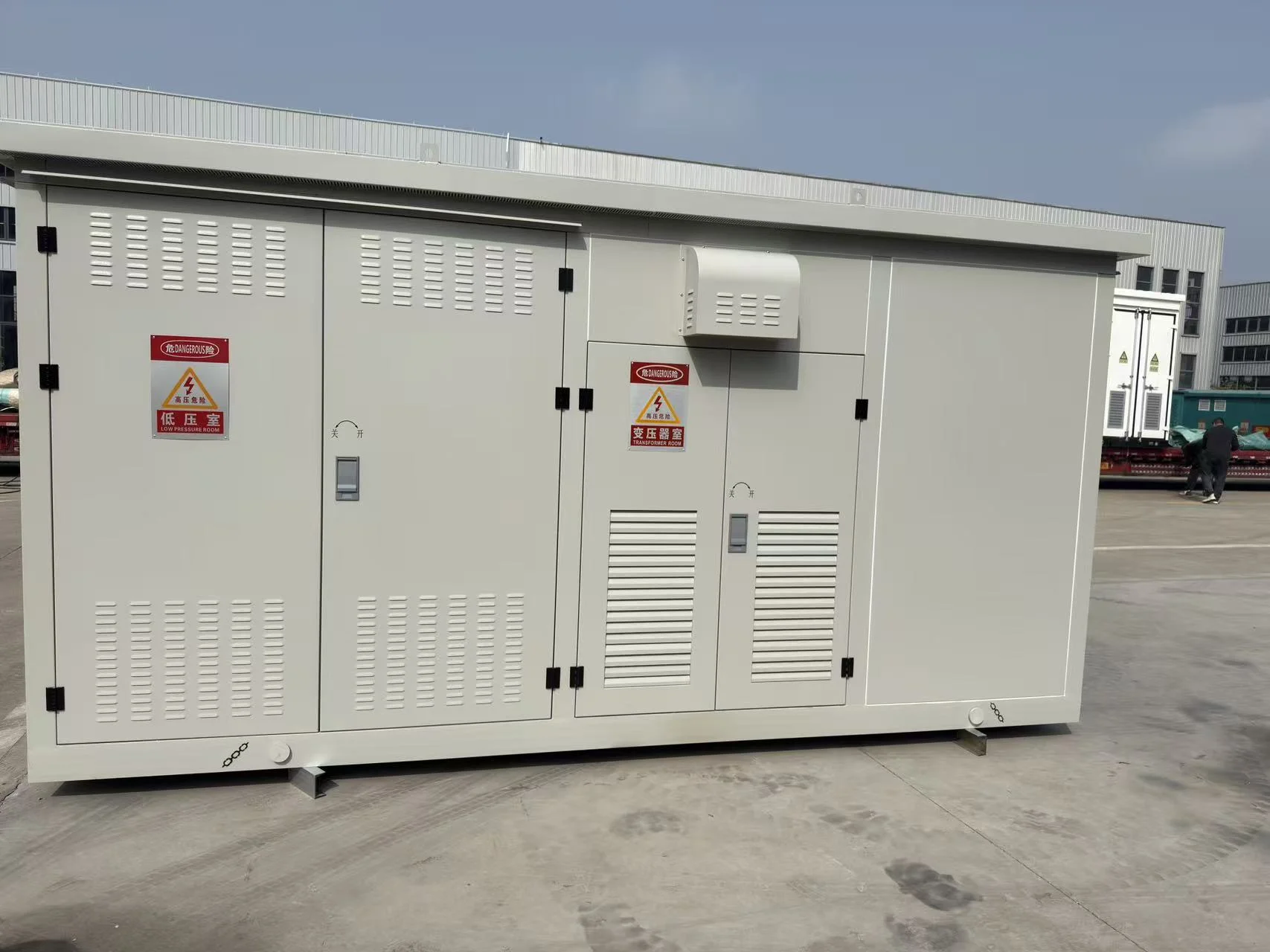
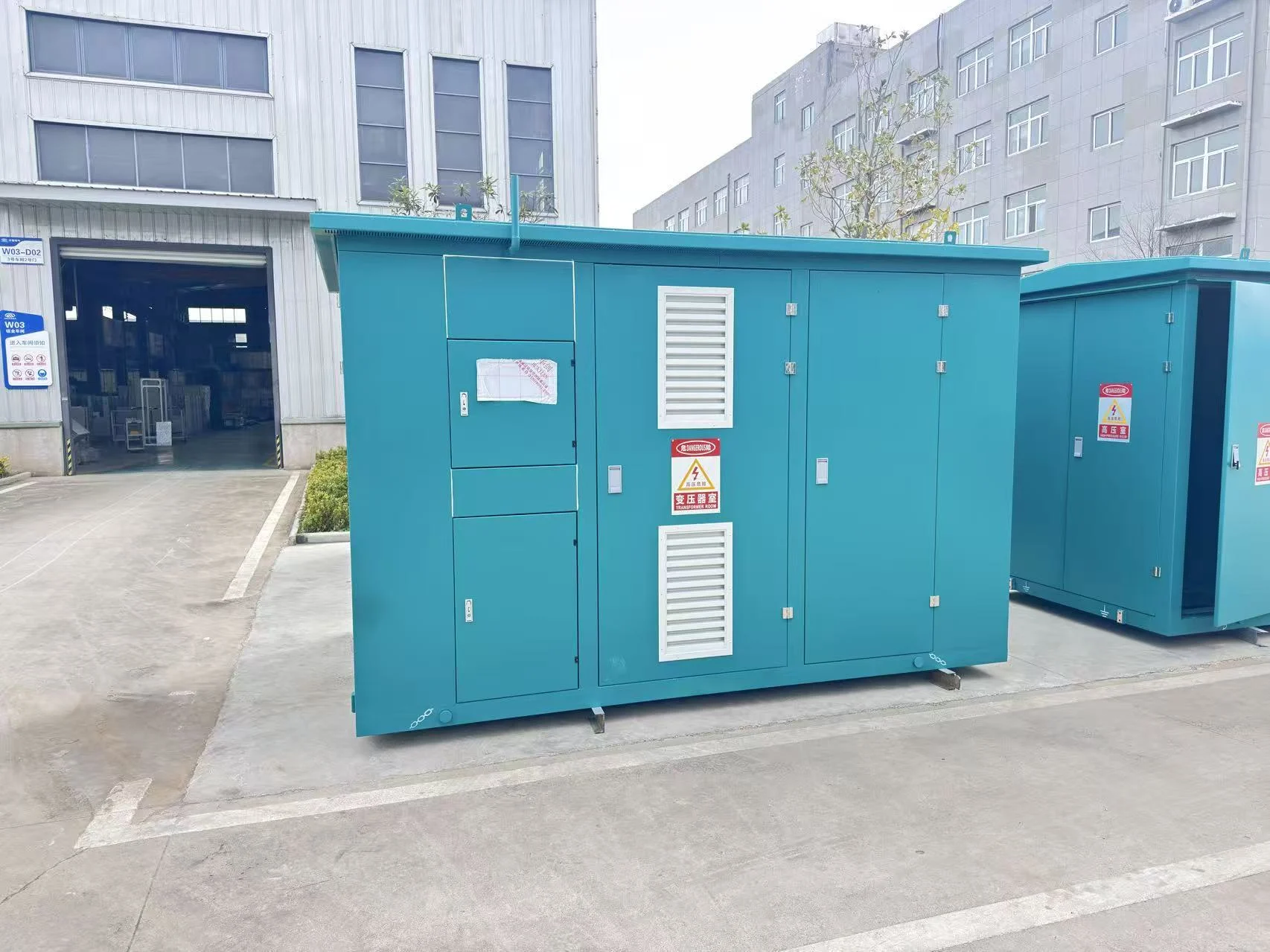
Solar energy is rapidly becoming the most accessible renewable power source for Africa, but standalone solar systems often struggle with intermittency (cloudy days, night hours). Solar-hybrid systems—combining solar panels with battery storage and grid backup—solve this problem, delivering reliable power for rural communities, industrial sites, and commercial facilities. At the heart of these systems is a CE certified 11kV 100kVA transformer, which converts solar power into usable voltage, stabilizes energy flow, and ensures compatibility with backup grids—all while meeting international safety standards.
Africa’s solar-hybrid projects face unique challenges: variable solar input, remote locations, and limited technical expertise. CE certified transformers are engineered to address these hurdles, providing stable power even when solar generation fluctuates, and withstanding Africa’s harsh climates (heat, dust, humidity).
The Role of CE Certified Transformers in Solar-Hybrid Systems
- Voltage Conversion & Stabilization: Solar panels generate low-voltage DC power, which needs to be converted to AC power for daily use. A CE certified 11kV 100kVA transformer converts this power to the correct voltage (11kV for distribution), ensuring stable supply to homes, businesses, and equipment—preventing voltage spikes that damage electronics.
- Integration with Backup Grids: Solar-hybrid systems often connect to local grids for backup power during low solar generation. CE certified transformers ensure seamless integration with grid systems, allowing for smooth power transfer between solar, battery, and grid sources.
- Durability for Remote Solar Sites: Most solar-hybrid projects in Africa are in remote areas (e.g., rural Kenya, Mali, Zambia). CE certified oil immersed transformers are ideal for these sites—IP54 protection resists dust and moisture, heat-resistant insulation handles high temperatures, and minimal maintenance requirements are perfect for areas with limited technical support.
Case Study: Solar-Hybrid Project in Rural Mali
A solar-hybrid system in rural Mali deployed 4 CE certified 11kV 100kVA oil immersed transformers to power 300 homes and a small agricultural processing facility. The system combines solar panels, battery storage, and a small grid connection:
- Residents now have 24/7 power (up from 2 hours/day previously).
- The agricultural facility can operate daily, processing crops and increasing farmer income.
- The transformers have maintained 99.6% uptime over 2 years, even during dusty seasons and low solar input.
Key Considerations for Solar-Hybrid Transformers in Africa
- Efficiency: Choose CE certified transformers with low no-load loss to maximize solar energy utilization—critical for systems where every watt counts.
- Climate Adaptations: Opt for units with dust-sealed enclosures (arid regions) and heat-resistant insulation (tropical zones) to ensure long-term performance.
- CE Certification: Non-negotiable for compliance with local electrical standards and compatibility with international solar equipment.
Conclusion
CE certified 11kV 100kVA transformers are essential for Africa’s solar-hybrid revolution. They enable reliable, consistent power from renewable sources, bridging the gap between solar intermittency and daily energy needs—powering rural development, industrial growth, and a more sustainable future for Africa.