+86 18751738721
 sales@unitatransformer.com
African farmers rely on CE certified transformers to power irrigation systems—but extreme weather (heatwaves, dust storms, heavy rains) often threatens transformer performance and lifespan. For rural irrigation projects, where technical support is scarce, protecting transformers from the elements is critical to avoiding costly downtime and ensuring consistent water supply for crops. This guide shares practical, low-cost steps to shield 11kV 100kVA oil immersed transformers (the most common choice for irrigation) from Africa’s harsh weather, while maintaining CE certification compliance.
Irrigation transformers in Africa face unique weather-related risks: scorching heat in the Sahel, dust storms in Kenya’s arid regions, and heavy monsoon rains in West Africa. Without proper protection, these conditions can cause overheating, dust ingress, water damage, and premature failure—disrupting irrigation and reducing crop yields.
Practical Weather Protection Tips for Irrigation Transformers
- Heat Protection for Hot RegionsAfrica’s irrigation zones often reach 45–50°C in summer, which can overheat transformers and degrade insulation. To mitigate this:
- Install the transformer in a shaded area (e.g., under a tree or purpose-built shelter) to avoid direct sunlight.
- Ensure 1–2 meters of clear space around the transformer for proper ventilation—never block cooling fins.
- Choose CE certified transformers with heat-resistant insulation (standard in units designed for Africa), which can withstand high temperatures without performance loss.
- Dust & Sand Protection for Arid ZonesDust storms and fine sand can clog cooling systems and damage internal components. Solutions:
- Use a dust cover (made of durable, water-resistant material) to shield the transformer’s top and sides—ensure it doesn’t block ventilation.
- Regularly clean cooling fins with a soft brush (easy to do with local tools) to remove dust buildup.
- Opt for CE certified transformers with IP54 protection, which seals out dust and debris while maintaining safety standards.
- Water Protection for Rainy SeasonsHeavy rains and flooding can cause water ingress, leading to short circuits and transformer failure. Protect your unit with:
- Install the transformer on a raised concrete foundation (30–50cm above ground) to avoid floodwater contact.
- Seal all connections with waterproof tape to prevent water from entering wiring points.
- Choose CE certified transformers with moisture-resistant coatings, which prevent rust and water damage to internal windings.
- Wind Protection for Coastal & Open AreasStrong winds (common in coastal irrigation zones like Ghana and Tanzania) can knock over transformers or damage external components. Secure the unit by:
- Using sturdy mounting brackets to anchor the transformer to its foundation.
- Installing a wind barrier (e.g., a low wall or fence) to shield the transformer from strong gusts.
Why CE Certification Matters for Weather-Resilient Irrigation
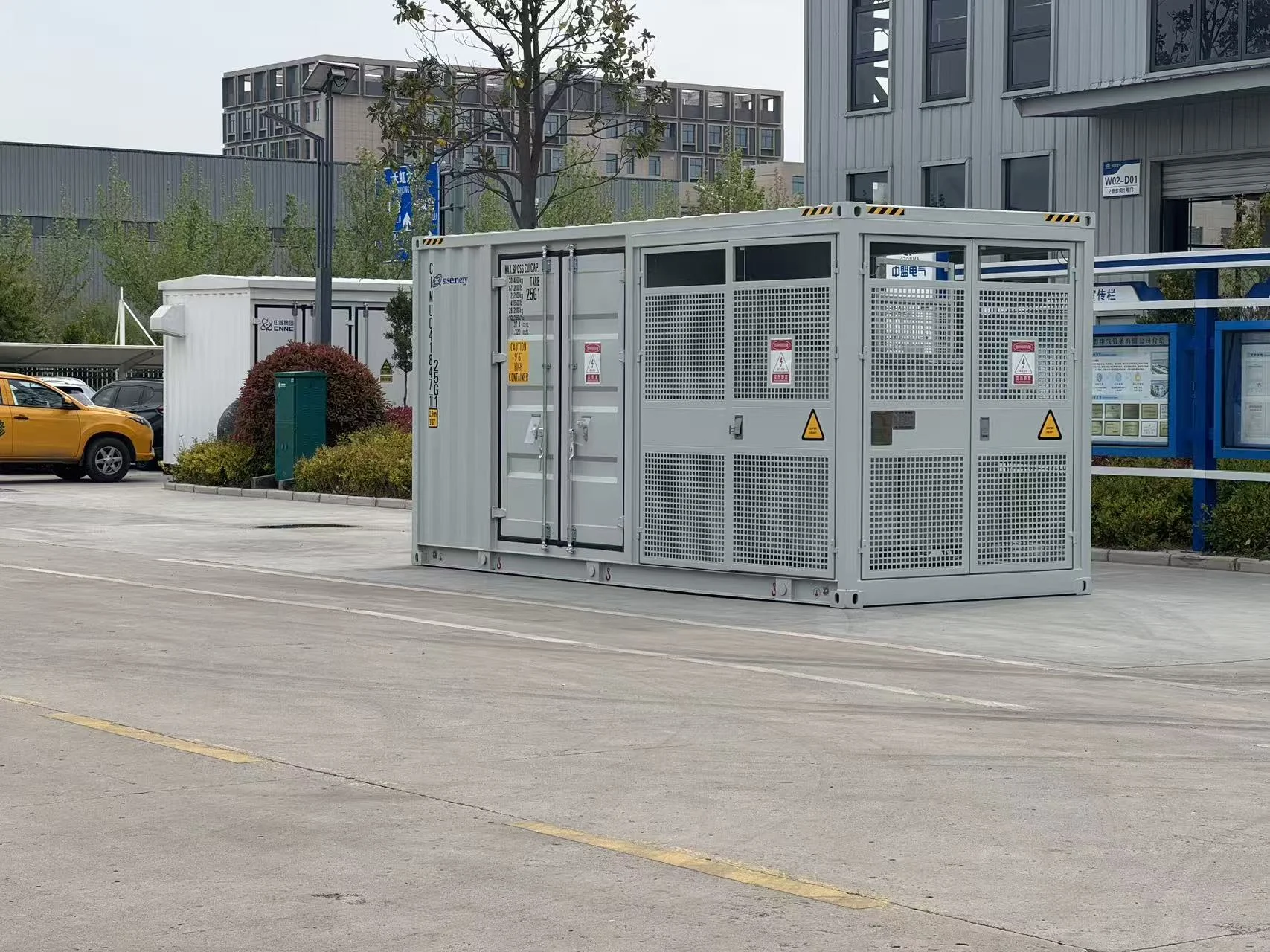
CE certified 11kV 100kVA oil immersed transformers are engineered to meet strict international standards for durability and weather resistance. Unlike uncertified units, they undergo rigorous testing for heat, dust, and moisture resistance—ensuring they can withstand Africa’s extreme weather while maintaining safe, stable performance. This compliance also ensures that your irrigation project meets local electrical standards, avoiding customs delays or safety violations.
Conclusion
Protecting irrigation transformers from extreme weather is simple and cost-effective—yet critical for African farmers. By following these tips and using CE certified units, you can ensure your transformer delivers reliable power for irrigation, even in Africa’s harshest conditions, helping farmers boost yields and build resilience.