+86 18751738721
 sales@unitatransformer.com
Box‑type prefabricated substations are widely adopted for new residential construction and community renovation projects, for domestic Chinese sites as well as overseas projects in Central Asia and Africa. They replace traditional brick‑built power‑distribution rooms, reduce civil‑work volume and enable fast field installation. Nevertheless, many EPC contractors and purchasers face pitfalls concerning equipment types, capacity selection, environmental adaptation, certification and site acceptance. This article covers core procurement considerations, with separate notes for Central‑Asian and African operating conditions.
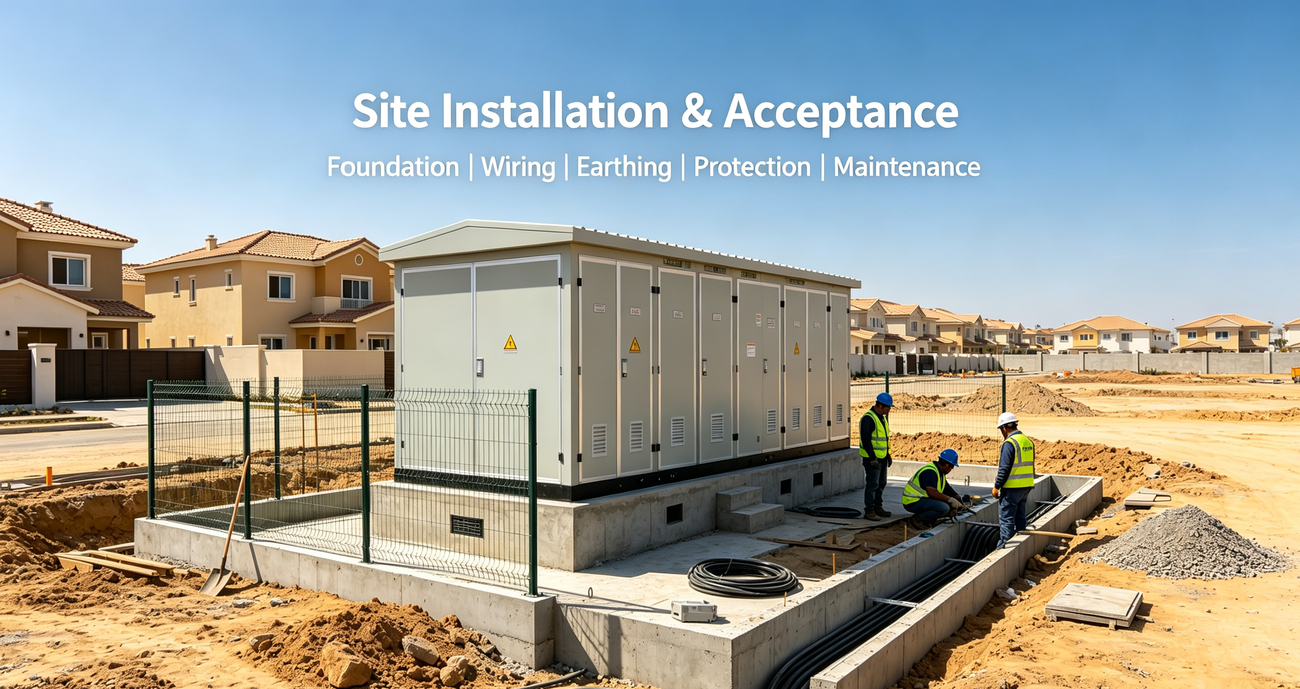
1. Commonly‑used Box‑substation Types for Residential Sites
Residential distribution systems commonly adopt 10kV/0.4kV. Note that some overseas regions adopt 11 kV distribution system. Confirm actual system voltage before placing orders to avoid insulation risks. Main options include European‑style, American‑style and buried prefabricated substations.
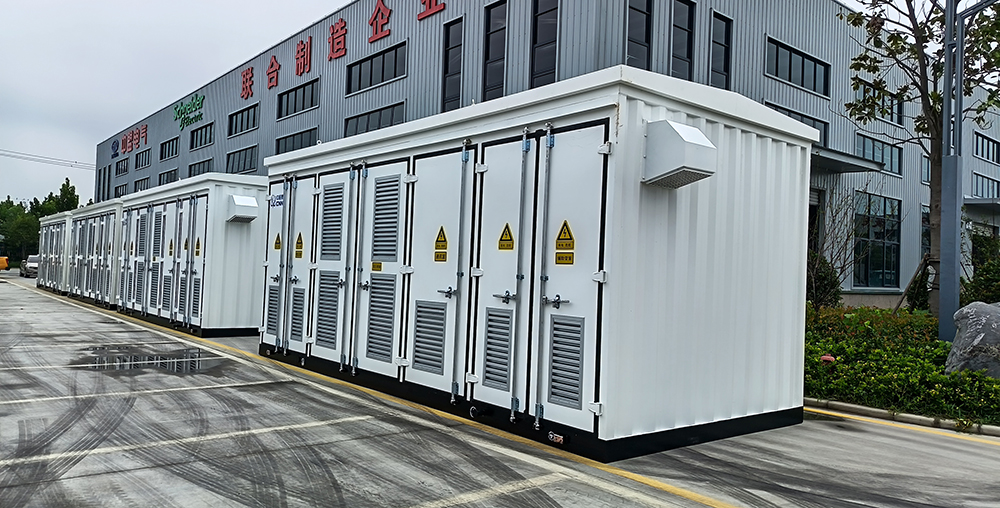
European‑style box‑type substations are the most widely‑used solution for residential projects worldwide. With three independent compartments for high‑voltage, transformer and low‑voltage sections, they provide sufficient maintenance space. American‑style substations feature compact footprint but limited internal service space, mainly for space‑constrained retrofits. Buried substations require heavy civil‑work for waterproofing, drainage and ventilation. Buried‑type units are not recommended for desert or persistently wet zones due to sand‑accumulation and water‑logging risks; above‑ground European‑style units are preferred.
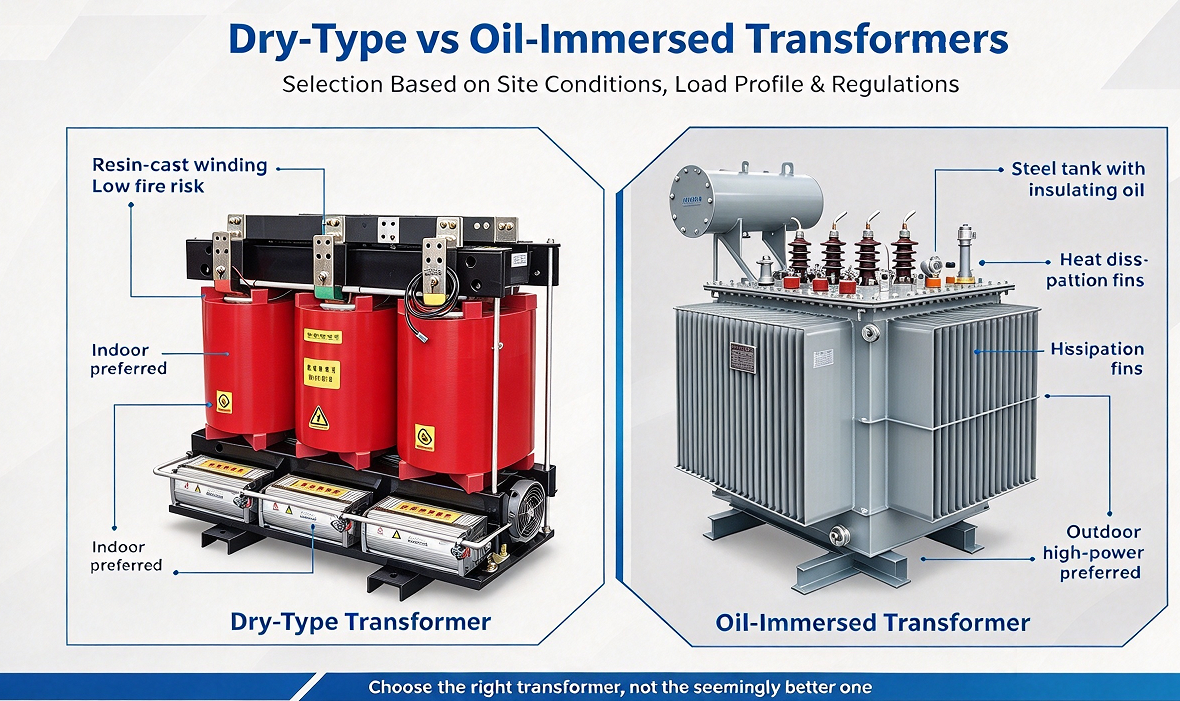
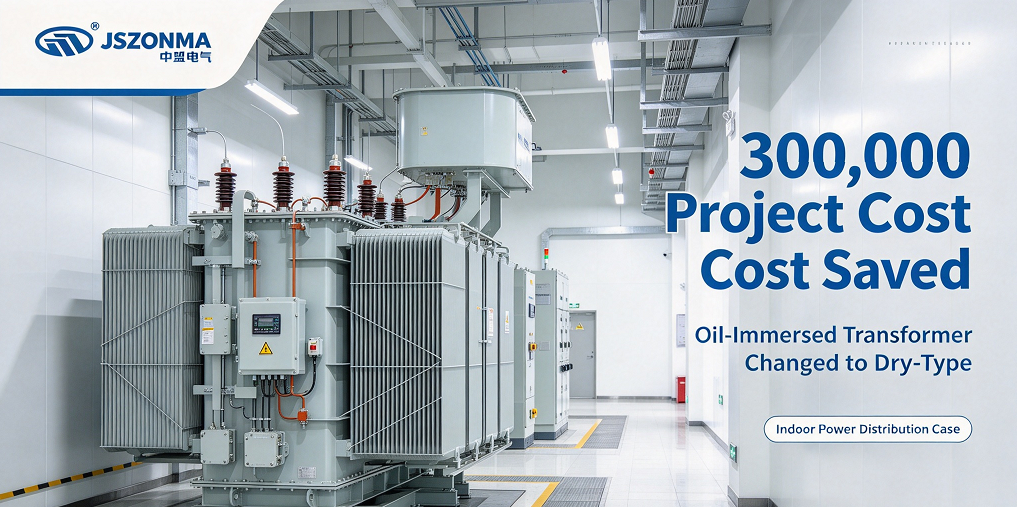
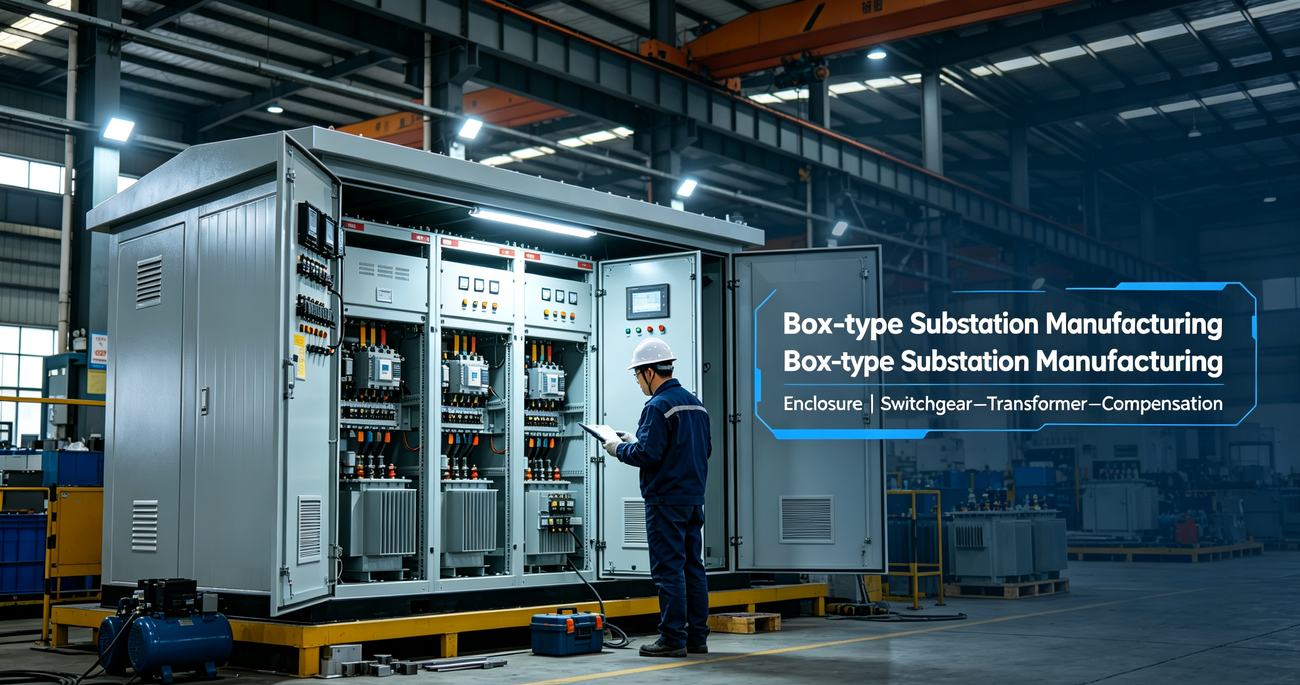
A complete European‑style box‑type substation consists of metal enclosure, high‑voltage switchgear, distribution transformer, low‑voltage switchgear, cables, protection, metering and reactive‑power compensation devices. Either oil‑immersed or dry‑type transformers can be selected according to fire‑safety rules and project budget.
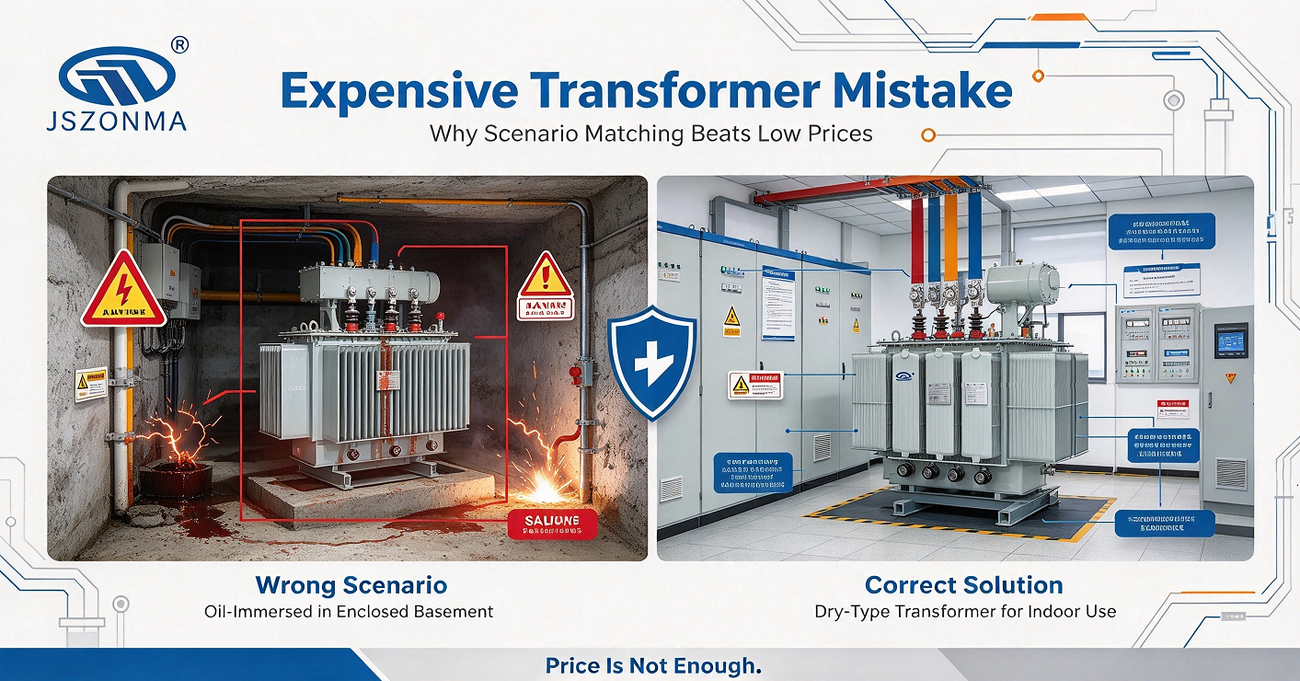
Important reminder: Prioritize fire safety for densely‑populated residential areas. Dry‑type transformers eliminate oil‑leakage risks. If oil‑immersed transformers are deployed, strict fire‑separation distance and fire‑protection measures shall be implemented.
2. Transformer Capacity Selection & Environmental Derating
Capacity shall not be copied from other projects blindly. Calculate peak load based on household quantity, public loads (elevators, water pumps, lighting) and seasonal air‑conditioning demand. Reserve 15‑20% extra margin for future load growth.
Typical residential capacities: 500 kVA, 630 kVA, 800 kVA, 1000 kVA, 1250 kVA. All capacity values must be specified in design drawings.
Overseas notes
‑ Central‑Asia: Large temperature swing between hot summer and freezing winter. Transformers shall cope both with high‑temperature derating and low‑temperature startup performance.
‑ Africa: Tropical areas often exceed 40‑45℃ ambient temperature. Transformers require high‑temperature derating design; select higher‑rated capacity to avoid overload tripping.
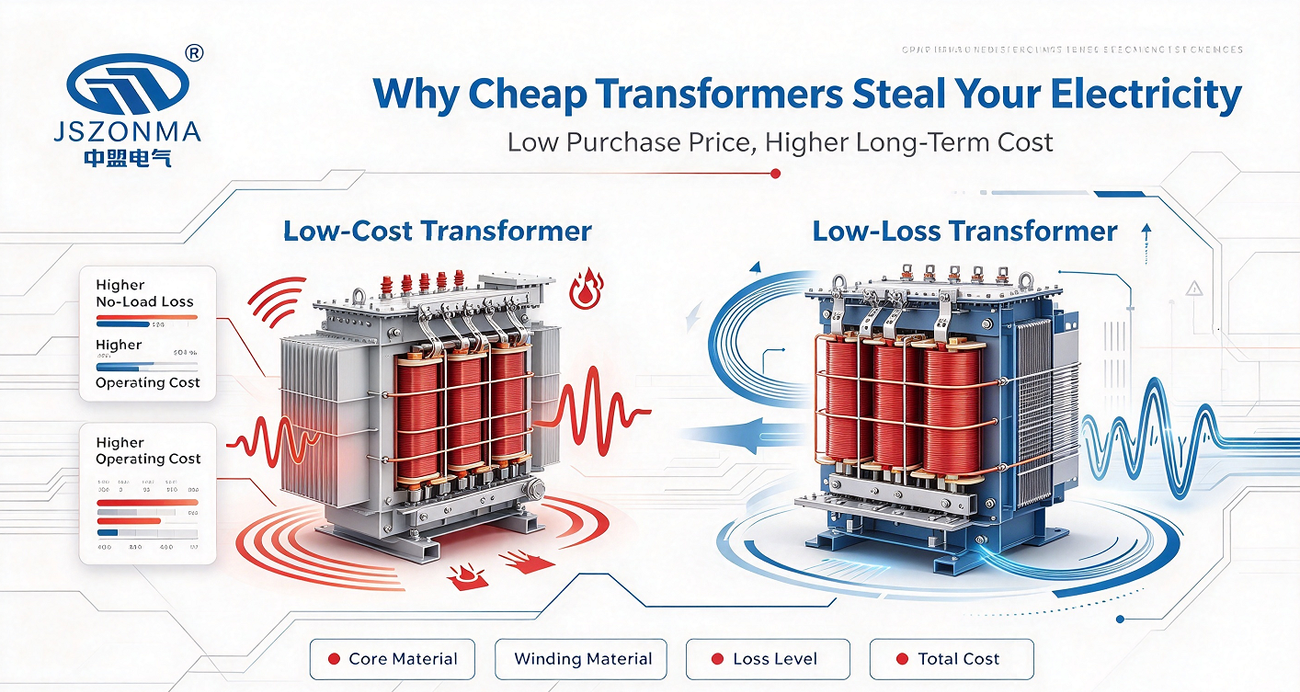
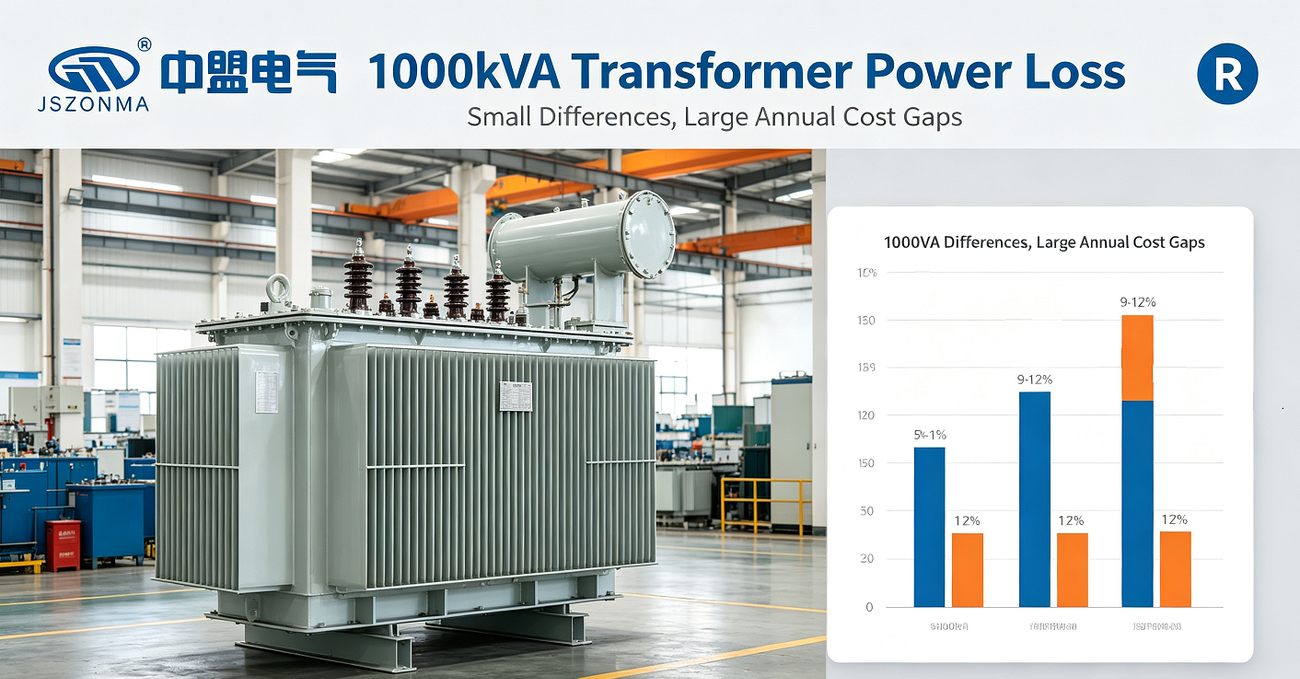
Insufficient capacity causes frequent peak‑hour tripping; oversized equipment brings higher no‑load losses and increases long‑term energy costs.
3. Box‑type Substations Are Custom‑built Assemblies Without Fixed Universal Price
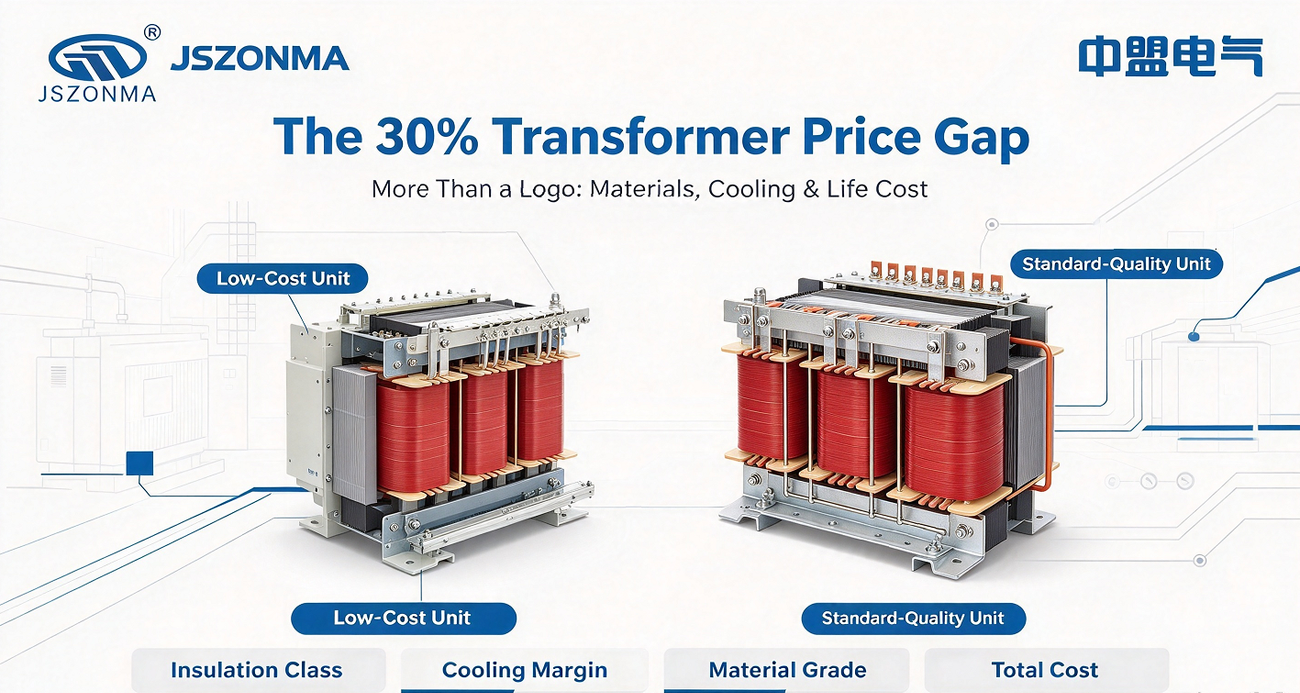
Final price is affected by enclosure material, transformer type, switchgear components, compensation scheme, metering solution, ingress‑protection grade and anti‑corrosion requirements. Manufacturers provide formal quotations only against complete drawings and site‑condition requirements.
For overseas projects, buyers shall also take into account freight, customs clearance documents and on‑site technical support. When comparing proposals, review the full BOM list instead of focusing merely on bare‑unit price.
4. Critical Configuration Checklist for Domestic & Export Projects
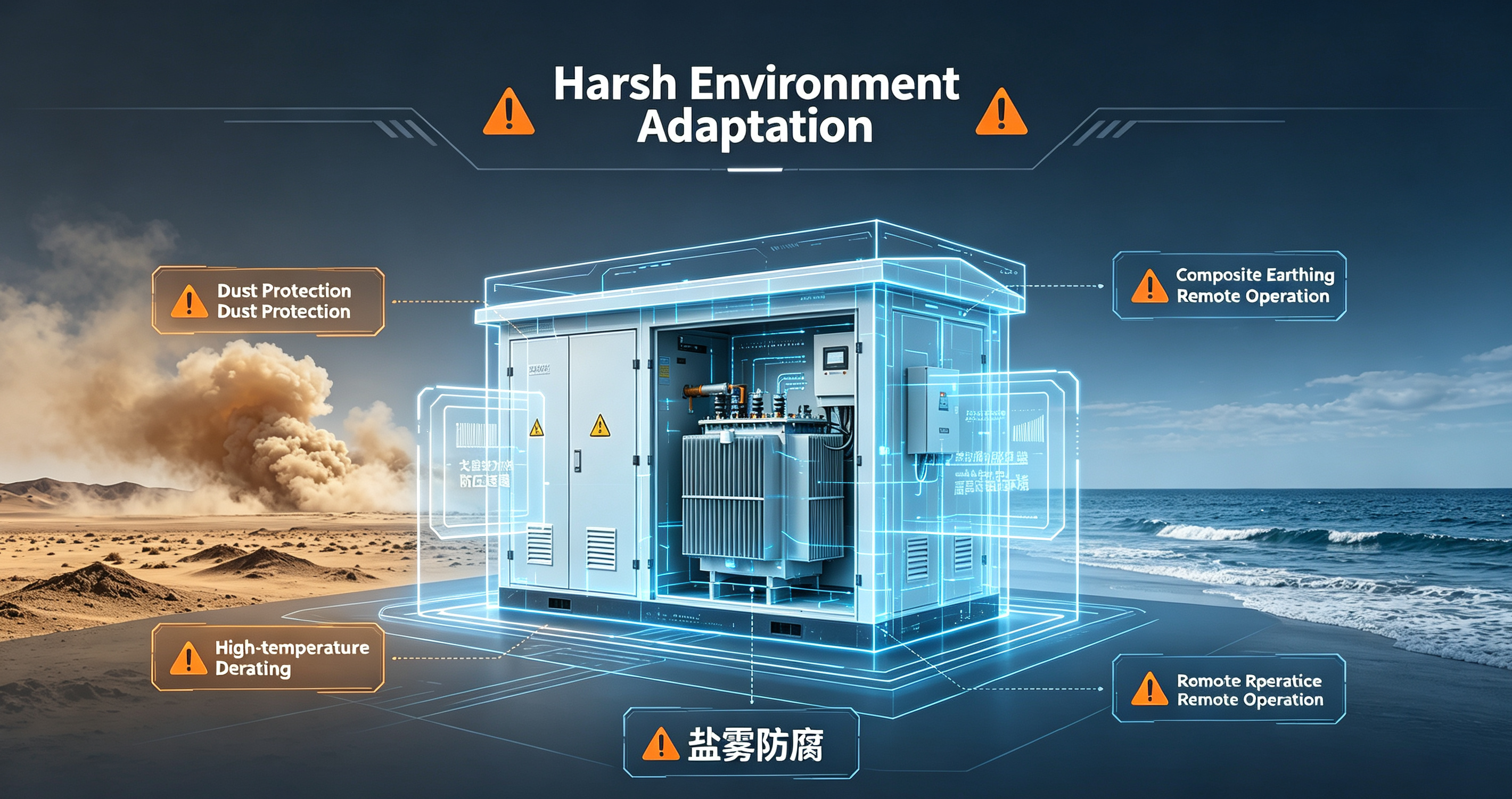
- Enclosure protection and anti‑corrosion‑ Minimum IP54 for ordinary domestic outdoor sites.‑ Central‑Asia Gobi & dusty zones: IP55 or higher with dust‑filter structure, taking low‑temperature sealing performance into consideration.‑ Africa: IP55 plus dust filters for North‑African desert; enhanced salt‑fog anti‑corrosion for coastal sites; improved anti‑condensation design for high‑humidity rainforest regions in West Africa.‑ Stainless‑steel or heavy‑duty coated enclosures are preferred for sand‑abrasion and salt‑fog environments.‑ Pressure‑relief channels and anti‑condensation heaters are mandatory.
- High‑voltage sideFor domestic Chinese projects, switchgear shall implement local five‑prevention interlock requirements.For overseas markets, switchgear shall adopt IEC‑compliant mechanical interlocks against mis‑operation. Some Central‑Asian projects additionally require GOST‑series certification. African grids suffer frequent voltage fluctuations and over‑voltage events, so surge arresters shall be selected with enhanced insulation margin. Confirm local system voltage before purchase.
- Low‑voltage sideMain incoming breaker, multi‑outgoing circuits, optional smart reactive‑power compensation. Reserved interfaces for metering and remote monitoring.
- Earthing system (critical for overseas sites)Metal enclosures and equipment shells shall be reliably earthed. In sandy or Gobi areas of Central Asia and Africa, soil resistivity is normally high. Adopt composite resistance‑reduction solutions including resistance‑lowering modules and multi‑set grounding electrodes calculated in design phase; domestic earthing experience cannot be directly copied.
- Noise controlKeep operational noise within acceptable limits for units close to residential buildings.
5. Manufacturer Evaluation: China / Central‑Asia / Africa
Box‑type substations serve 10‑20 years of service life. Avoid simple assembly workshops which outsource all core components. Reliable full‑chain manufacturers can produce enclosures, HV/LV cabinets and transformers in‑house for better quality control.
‑ For domestic Chinese projects: verify CCC certificates and full type‑test reports for local grid acceptance.
‑ Export to Central Asia: CCC is invalid for local customs. Besides IEC standards, GOST‑K or similar CIS certificates may be required. Russian‑language drawings & operation manuals shall be available; check previous Central‑Asia project references.
‑ Export to Africa: CCC has no customs‑clearance validity. Comply with IEC standards; provide COC / PVOC certificates as destination‑country requires. Supply English‑language technical documentation and confirm overseas remote‑support capacity.
6. Drawings, Acceptance and Maintenance
- Confirm single‑line diagram, secondary schematic and dimension drawings before order. Verify local voltage, frequency and applicable standards for export projects.
- Check component lists and test reports before shipment. Prepare customs‑clearance files and correct‑language operation manuals for overseas orders.
- Reserve sufficient maintenance space around installed units and follow safety‑distance regulations.
- In China, maintenance shall be completed by certified high‑voltage electricians.
- Central‑Asia: Provide Russian‑language manuals; equipment shall suit cold‑winter operation conditions.
- Africa: Simplify operation logic, add intuitive status indicators and supply English‑language manuals for local‑site teams.
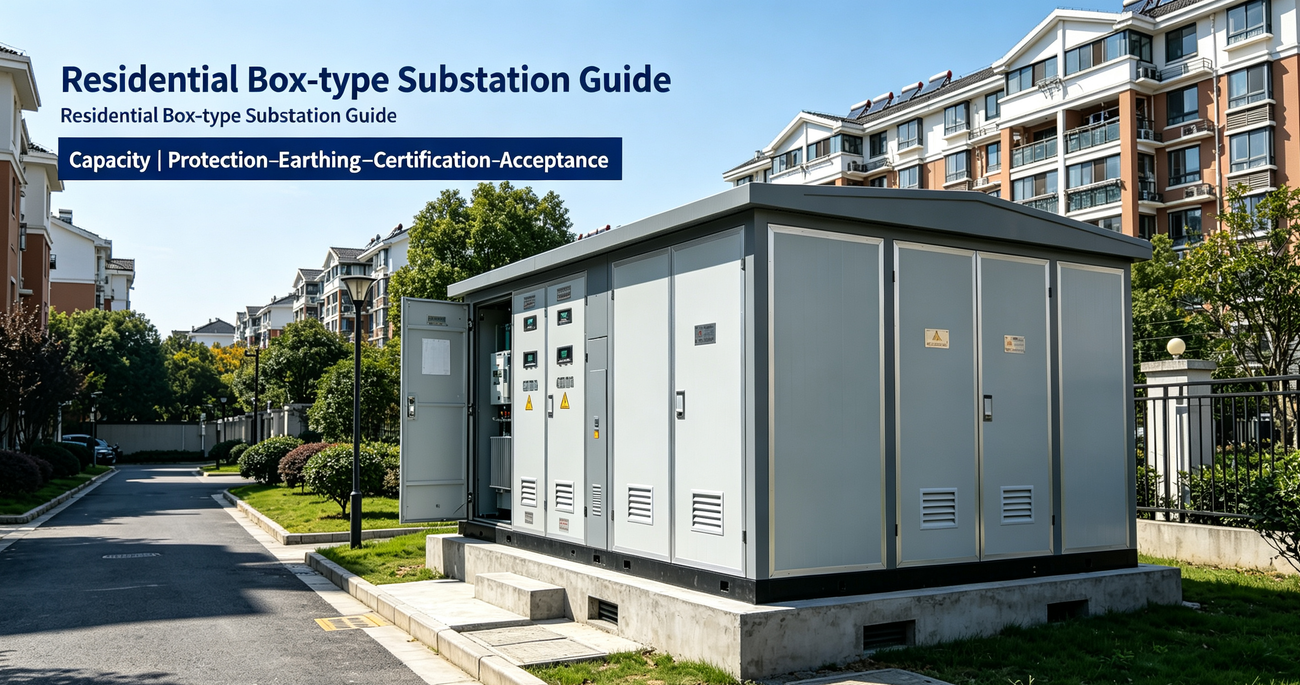
Conclusion: Box‑type substations guarantee power safety for residential end‑users. Whether for domestic, Central‑Asian or African projects, purchasing decisions should never rely on low price alone. Perform complete load calculation, fully adapt to local temperature, dust, salt‑fog, earthing conditions and certification requirements. Select qualified full‑set manufacturers capable of delivering target‑market‑specific documentation and after‑sales support.