 +86 18751738721
 sales@unitatransformer.com
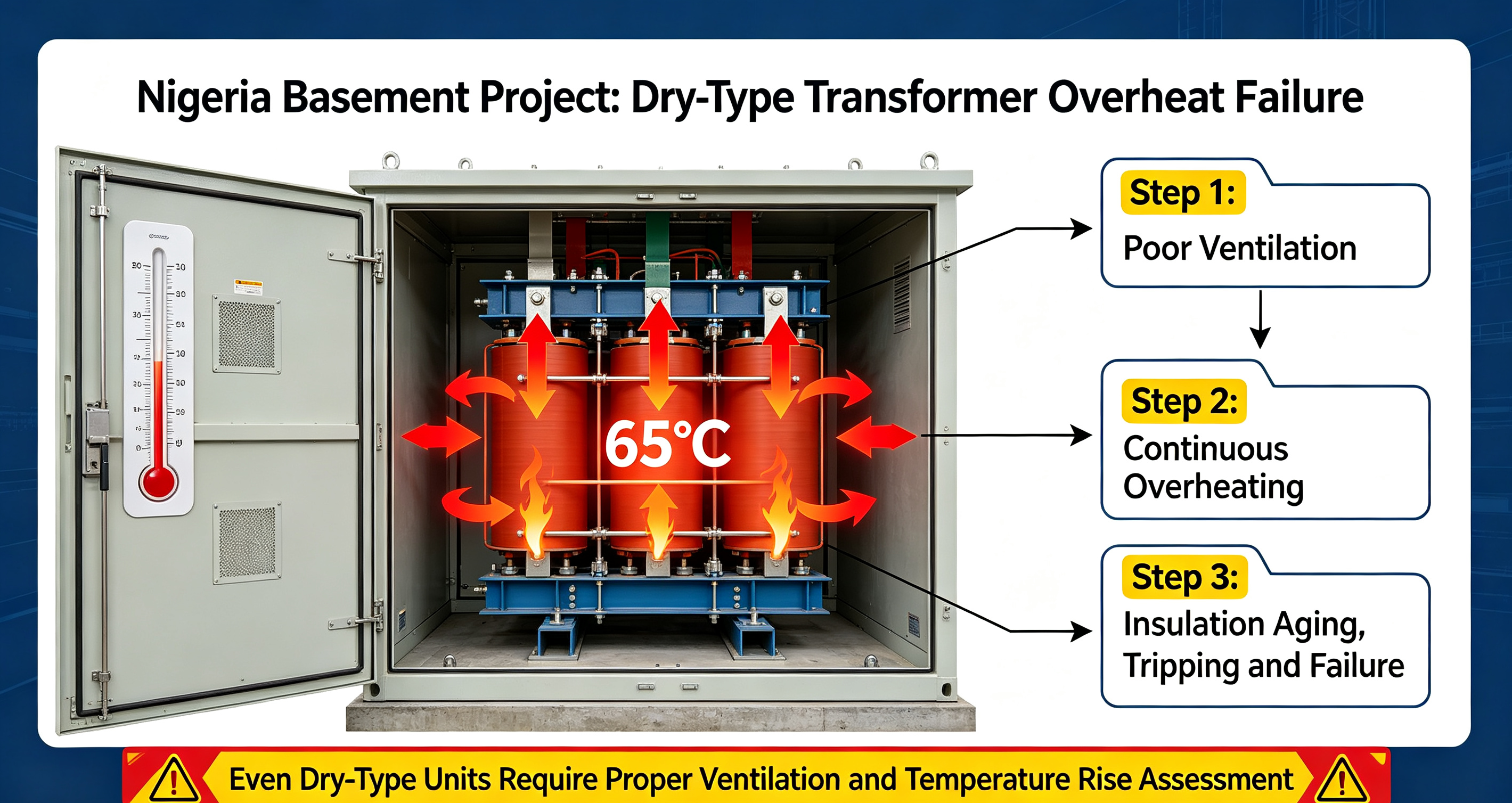
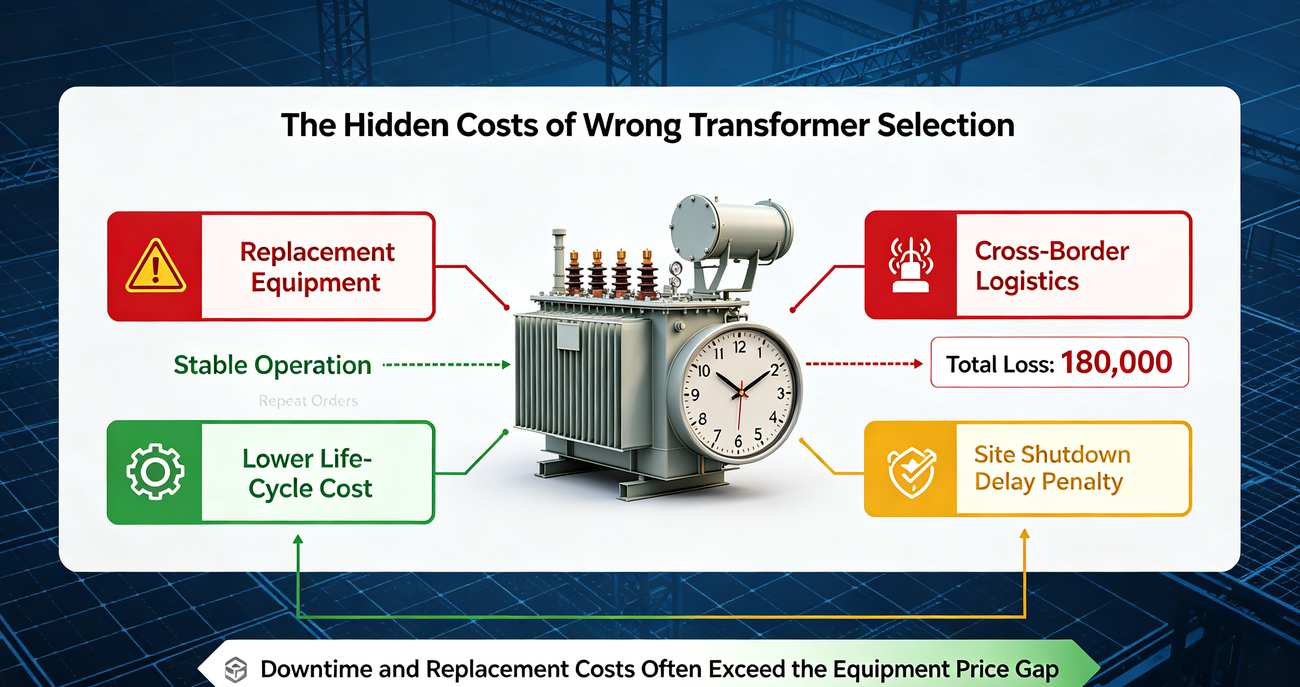
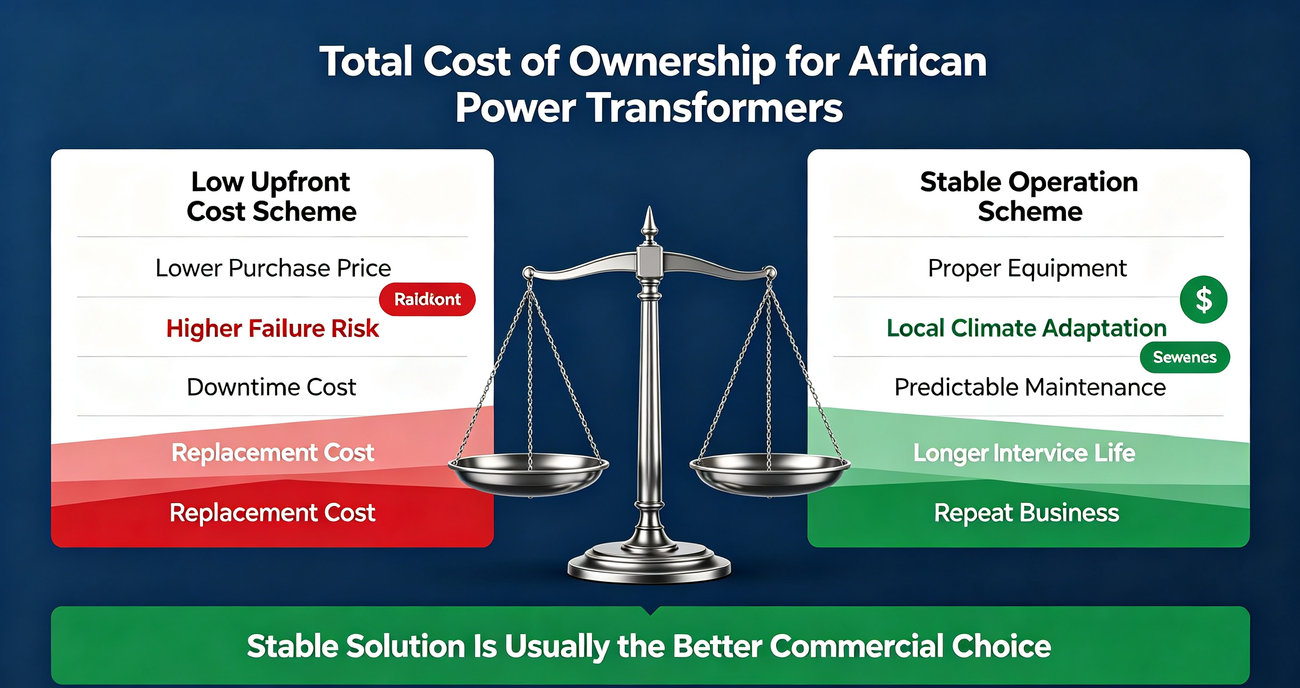
Two African power distribution projects achieved vastly different financial results due to different transformer selection. One project with properly matched equipment gained a profit of 300,000, while the other suffered an 180,000 loss caused by unsuitable equipment. The key difference lies in whether the transformer matches local site conditions.
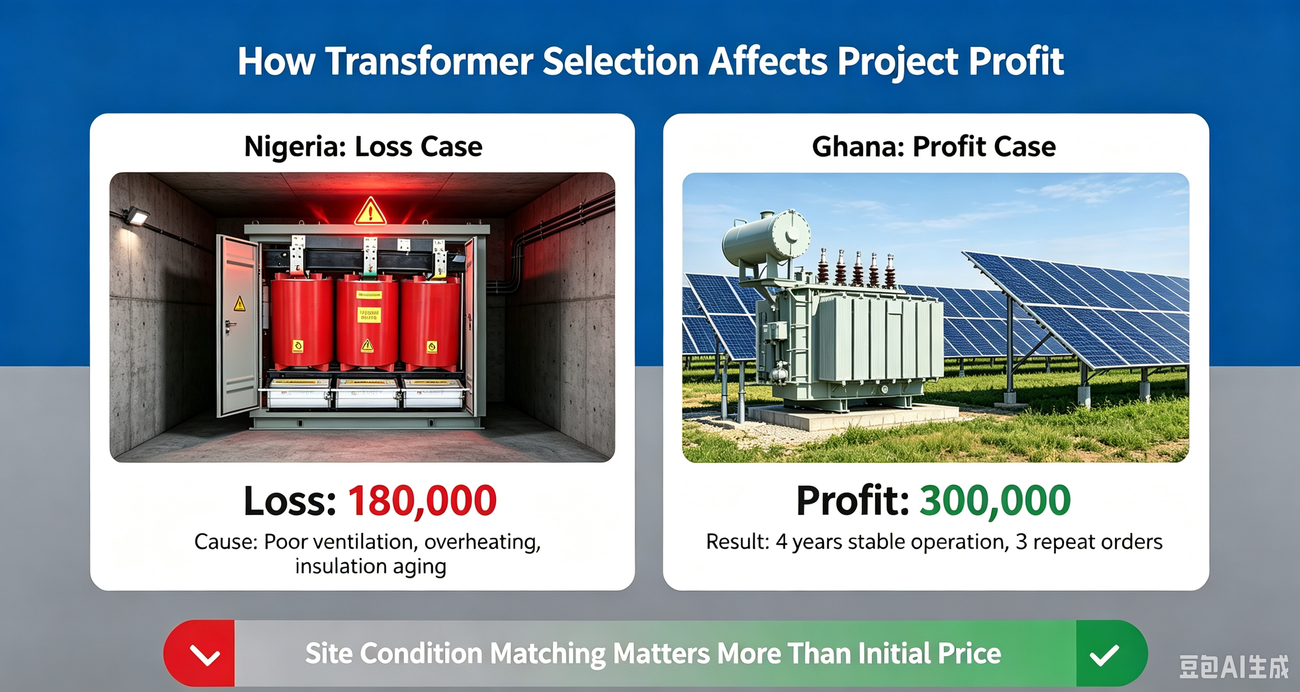
Loss Case: Indoor Basement Distribution Project in Nigeria
To cut upfront capital expenditure, the general contractor installed standard dry-type transformers inside a sealed basement. Only three months after commissioning, the temperature inside the enclosed compartment remained at 65°C, accelerating insulation aging of windings. Eventually, the transformer failed and tripped. Total losses including replacement, cross-border shipment and compensation for site shutdown reached 180,000.
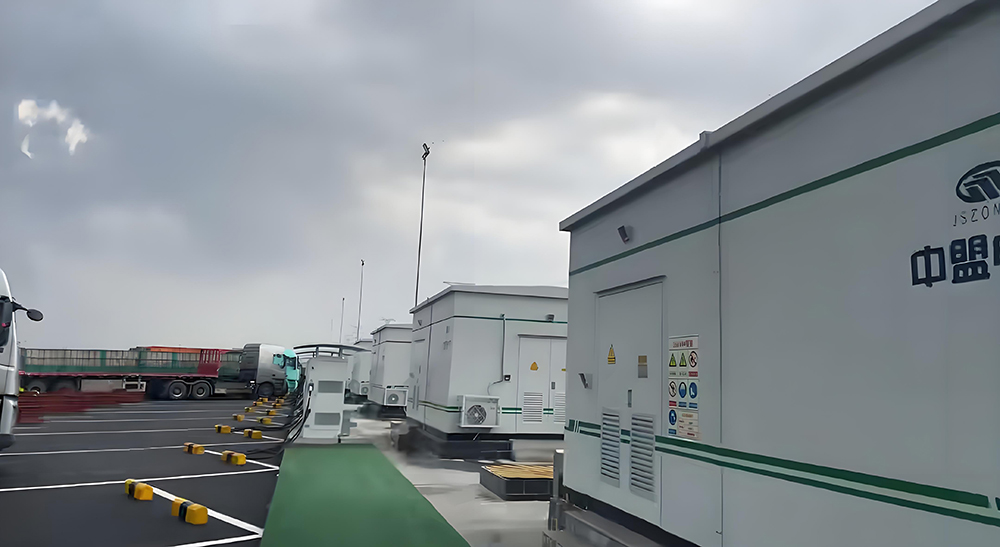
Profitable Case: Outdoor PV Supporting Distribution Project in Ghana
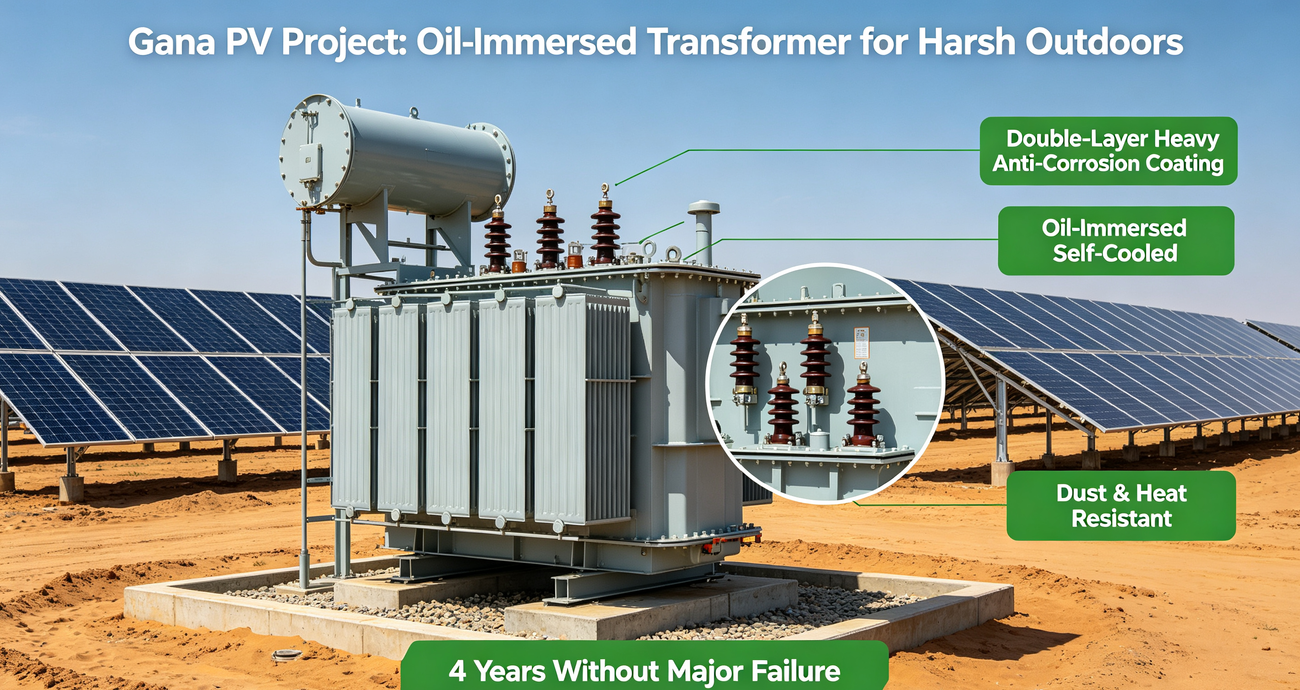
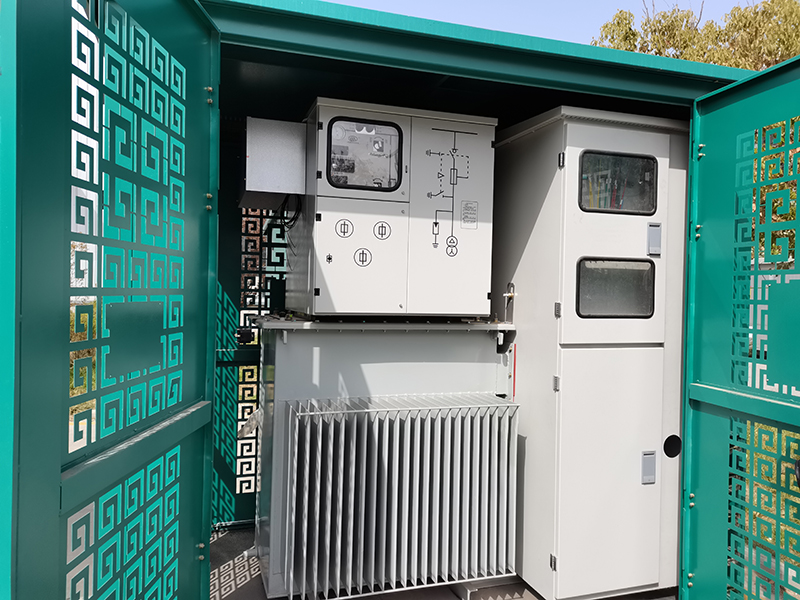
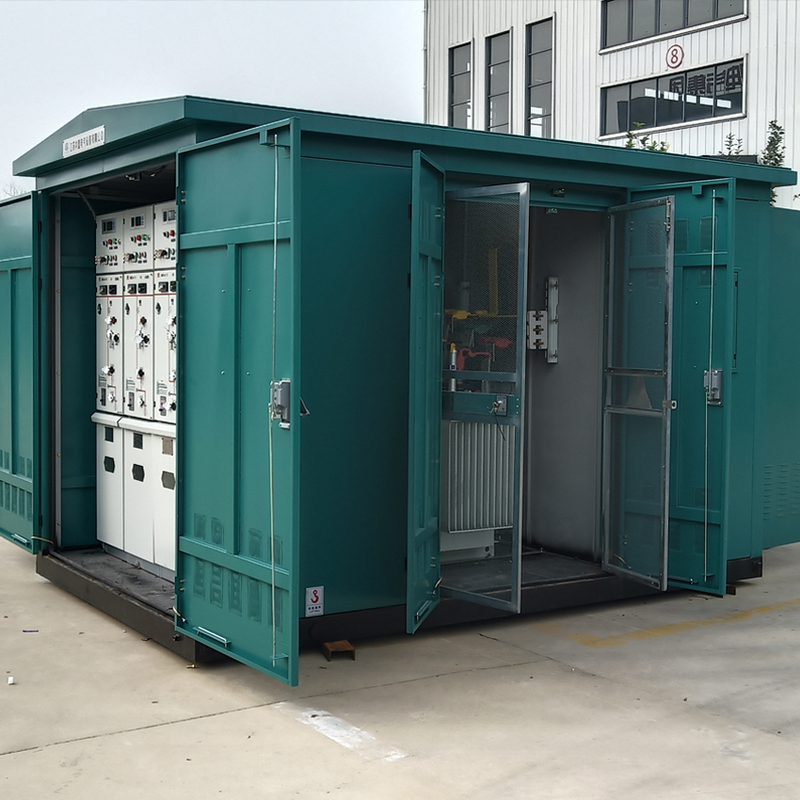
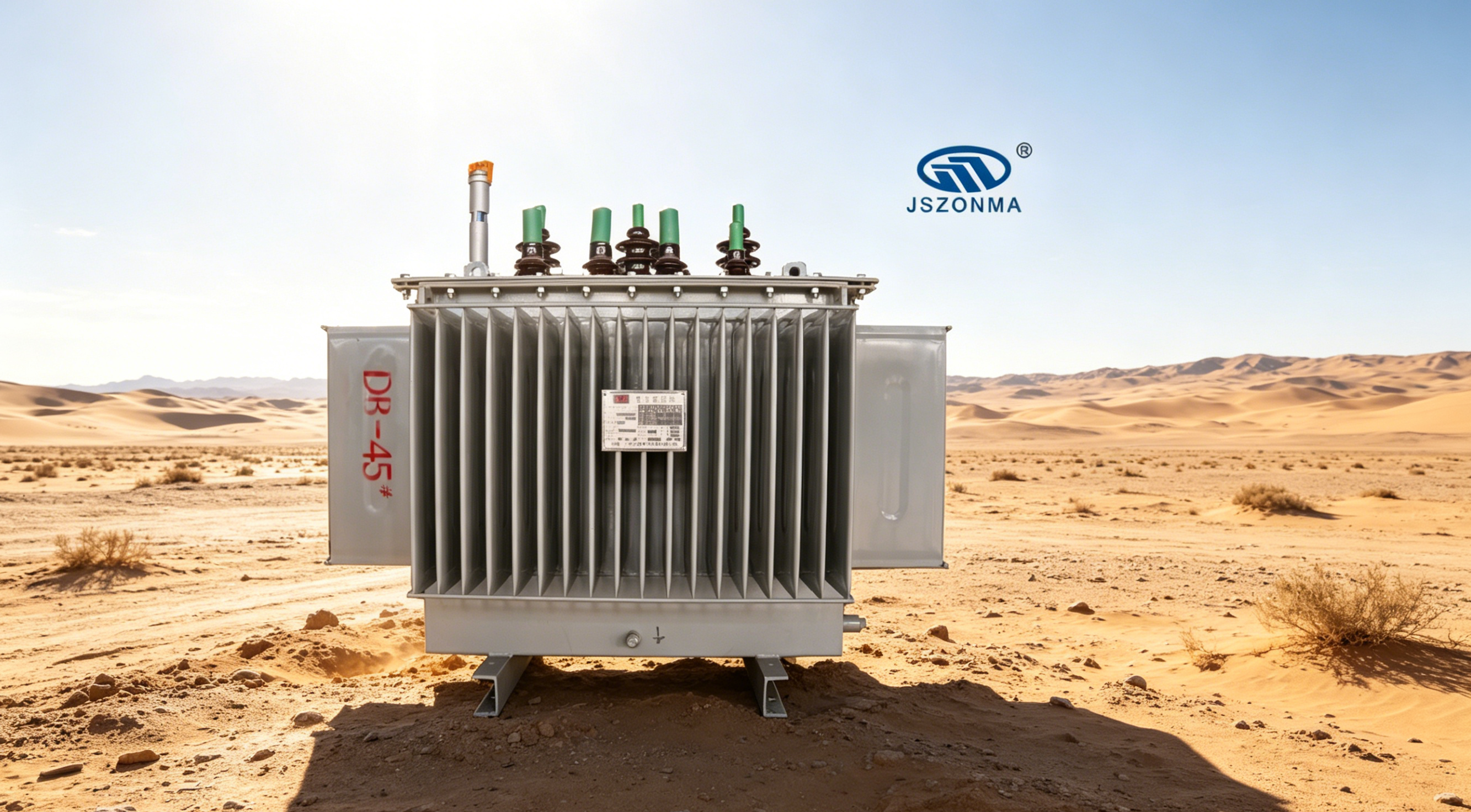
Considering the local high temperature and heavy dust, oil-immersed self-cooled transformers were recommended. The tank was coated with double-layer heavy anti-corrosion paint to withstand harsh open-air conditions. The equipment has run for four years without major failures. The client is satisfied and placed three repeat orders, bringing a total project profit of 300,000.
These two real cases show that for overseas power projects, upfront equipment price should not be the only factor for transformer selection. If equipment fails to adapt to site conditions, hidden costs such as shutdown, replacement and project compensation can easily eat up all project profit.
If you are preparing power projects in Africa or the Middle East, leave your project details. We can help evaluate suitable transformer solutions and avoid selection pitfalls.
Contact us – Distribution transformer,Oil immersed transformer,Dry type transformer-Unita Electric
One thought on “Two African Distribution Projects: How Transformer Selection Widens Project Profit Gap”