+86 18751738721
 sales@unitatransformer.com
Africa’s power sector is evolving rapidly—driven by renewable energy growth, urbanization, rural electrification, and industrial expansion. As power needs change, transformer technology is adapting to meet the continent’s unique challenges: extreme climates, remote locations, variable loads, and limited technical expertise. This article explores how modern transformer technology is evolving to support Africa’s growing power demands, with a focus on CE certified units that deliver reliability and efficiency.
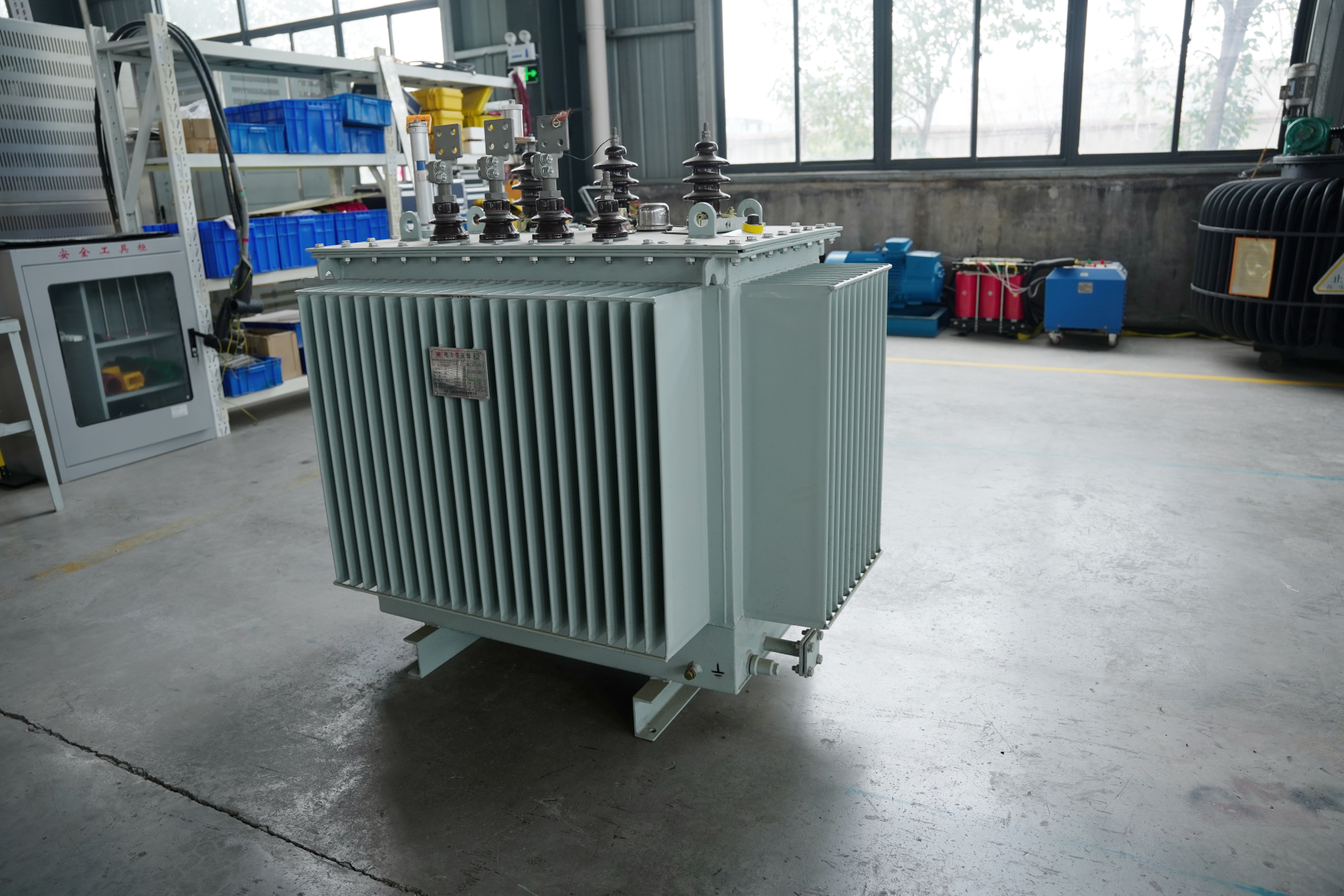
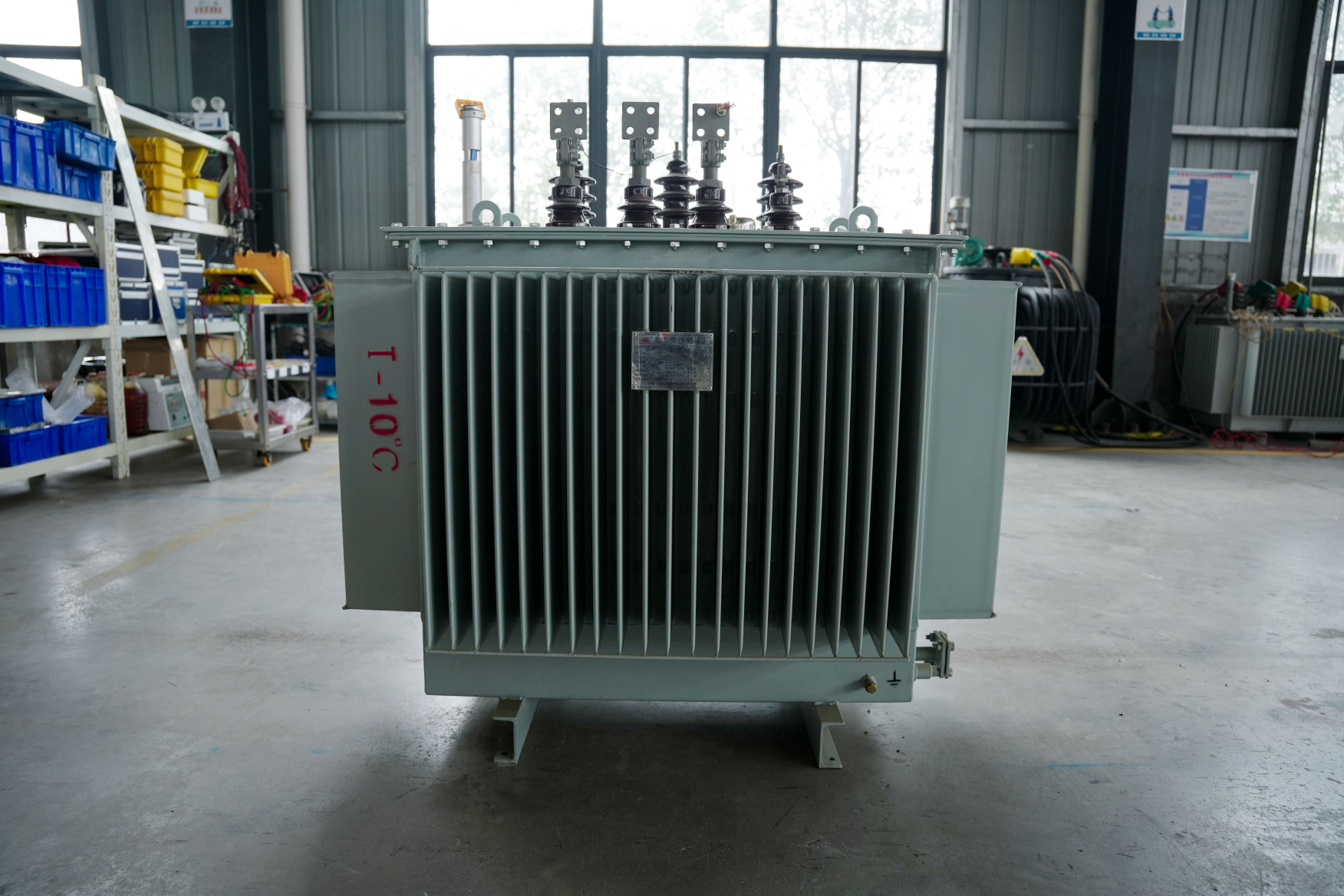
The backbone of this evolution is the 11kV 100kVA transformer—the most common unit used in African projects— which has undergone significant improvements to better fit the continent’s needs. All modern transformers for Africa are CE certified, ensuring they meet international standards while incorporating Africa-specific adaptations.
Key Technological Adaptations for African Power Needs
- High-Efficiency Core MaterialsModern CE certified transformers use advanced core materials (e.g., grain-oriented silicon steel) to reduce no-load and load loss by up to 30% compared to older units. This is critical in Africa, where energy is scarce and wasted power means fewer communities have access to electricity. For example, a 11kV 100kVA oil immersed transformer with advanced core materials can save up to 500kWh of electricity per year—enough to power 10 rural homes.
- Smart Monitoring SystemsRemote monitoring technology is becoming increasingly common in African transformers, allowing project managers to track performance, detect issues, and schedule maintenance—even in remote locations. These systems send real-time data (temperature, load, voltage) to a mobile app or dashboard, eliminating the need for frequent on-site inspections. This is a game-changer for remote African projects, where technical teams are scarce.
- Climate-Resilient DesignsTransformer manufacturers are now designing units specifically for Africa’s diverse climates:
- Desert Regions: Dust-sealed enclosures, heat-resistant insulation, and advanced cooling systems to handle 50°C+ temperatures.
- Coastal Regions: Anti-corrosive coatings and stainless-steel components to resist salt spray and humidity.
- Tropical Regions: Moisture-sealed designs to prevent water ingress and mold growth.All these adaptations are available in CE certified units, ensuring safety and reliability.
- Modular & Scalable DesignsModular transformers—units that can be easily expanded or modified—are ideal for Africa’s growing power needs. A 11kV 100kVA modular transformer can be scaled up to 200kVA as a community or industrial facility grows, avoiding the need to replace the entire unit. This reduces long-term costs and supports sustainable growth.
- Low-Maintenance TechnologyModern transformers for Africa are designed with minimal maintenance in mind—critical for remote areas with limited technical expertise. Oil immersed transformers now use long-life insulation oil that requires replacement only every 10–15 years, and self-cleaning cooling fins that reduce dust buildup.
The Role of CE Certification in Technological Adaptation
CE certification ensures that these advanced technologies meet strict safety and performance standards. Without CE certification, there is no guarantee that the technology will work reliably in Africa’s harsh conditions or comply with local import regulations. All modern, adapted transformers for Africa are CE certified, ensuring they deliver on their promises of efficiency, reliability, and durability.
Conclusion
Transformer technology is evolving to meet Africa’s unique power needs, with a focus on efficiency, climate resilience, and ease of use—all anchored by CE certification. As Africa’s power sector grows, these technological adaptations will play a critical role in expanding access to reliable electricity, powering economic growth, and improving quality of life across the continent.