+86 18751738721
 sales@unitatransformer.com
Access to clean, safe drinking water is a critical challenge for millions of Africans. Water treatment plants—whether small rural facilities or large urban systems—rely on reliable power to operate pumps, filters, and disinfection equipment. A CE certified 11kV 100kVA transformer is essential for powering these plants, ensuring consistent operation, compliance with safety standards, and delivery of clean water to communities.
Water treatment plants in Africa face unique challenges: variable water demand, harsh climates, and the need for 24/7 operation. CE certified transformers are engineered to meet these demands, providing stable power that keeps treatment systems running smoothly—even in remote or challenging environments.
The Role of CE Certified Transformers in Water Treatment
- Power for Pumps & Filters: Water treatment plants use large pumps to move water through filters, disinfection systems, and distribution networks. CE certified 11kV 100kVA transformers deliver stable voltage, preventing pump burnout and ensuring consistent water flow.
- 24/7 Reliability: Clean water is a basic human need, so treatment plants must operate around the clock. CE certified transformers are built for continuous operation, with low failure rates and minimal maintenance requirements.
- Climate Resilience: Water treatment plants in Africa are often in humid, coastal, or arid regions. CE certified transformers have moisture-resistant coatings, dust-sealed enclosures, and heat-resistant insulation—ensuring long-term performance in these conditions.
- Compliance with Health Standards: International health organizations (e.g., WHO) require water treatment equipment to meet strict safety standards. CE certification ensures transformers comply with these standards, protecting the quality of treated water.
Case Study: Rural Water Treatment Plant in Kenya
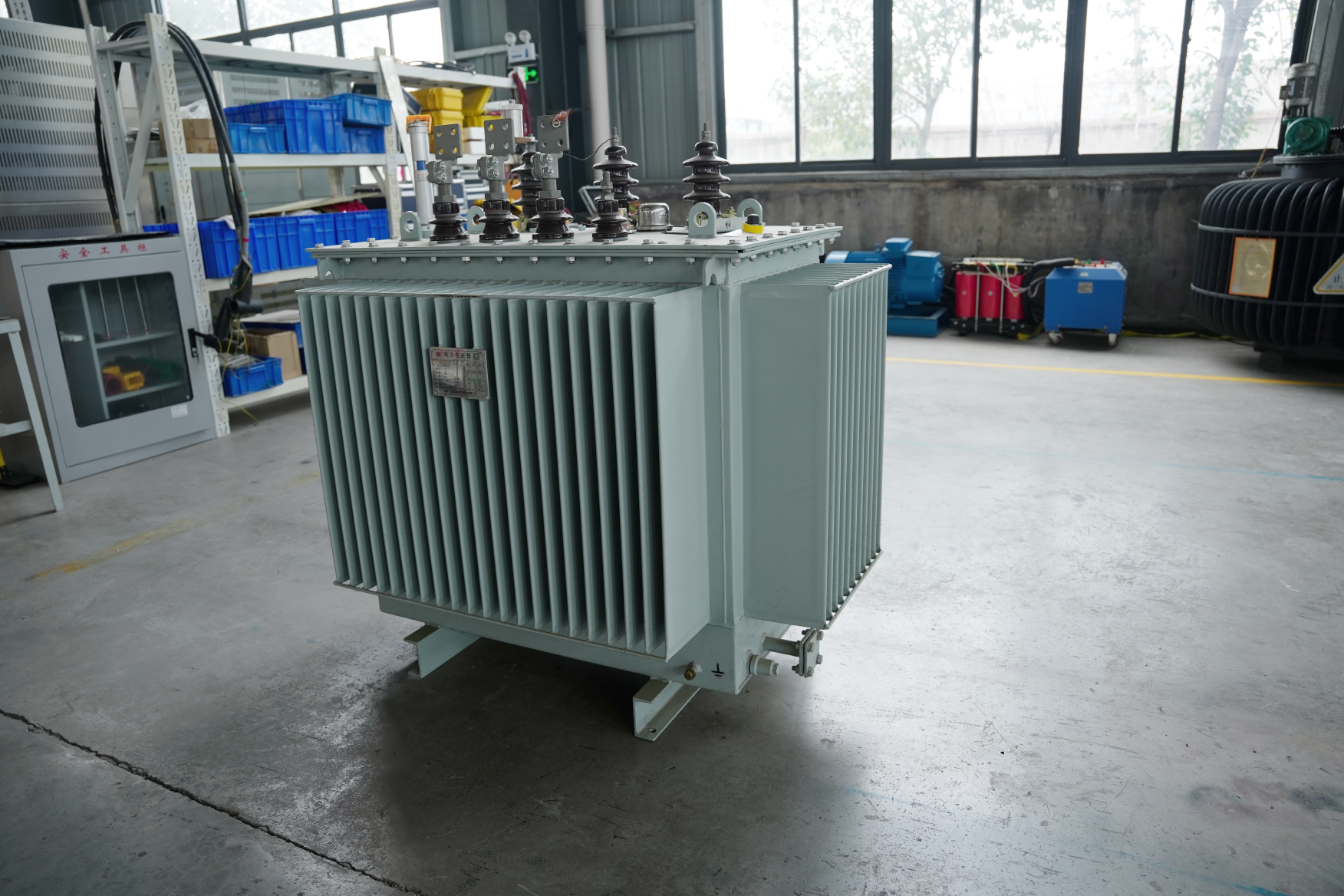
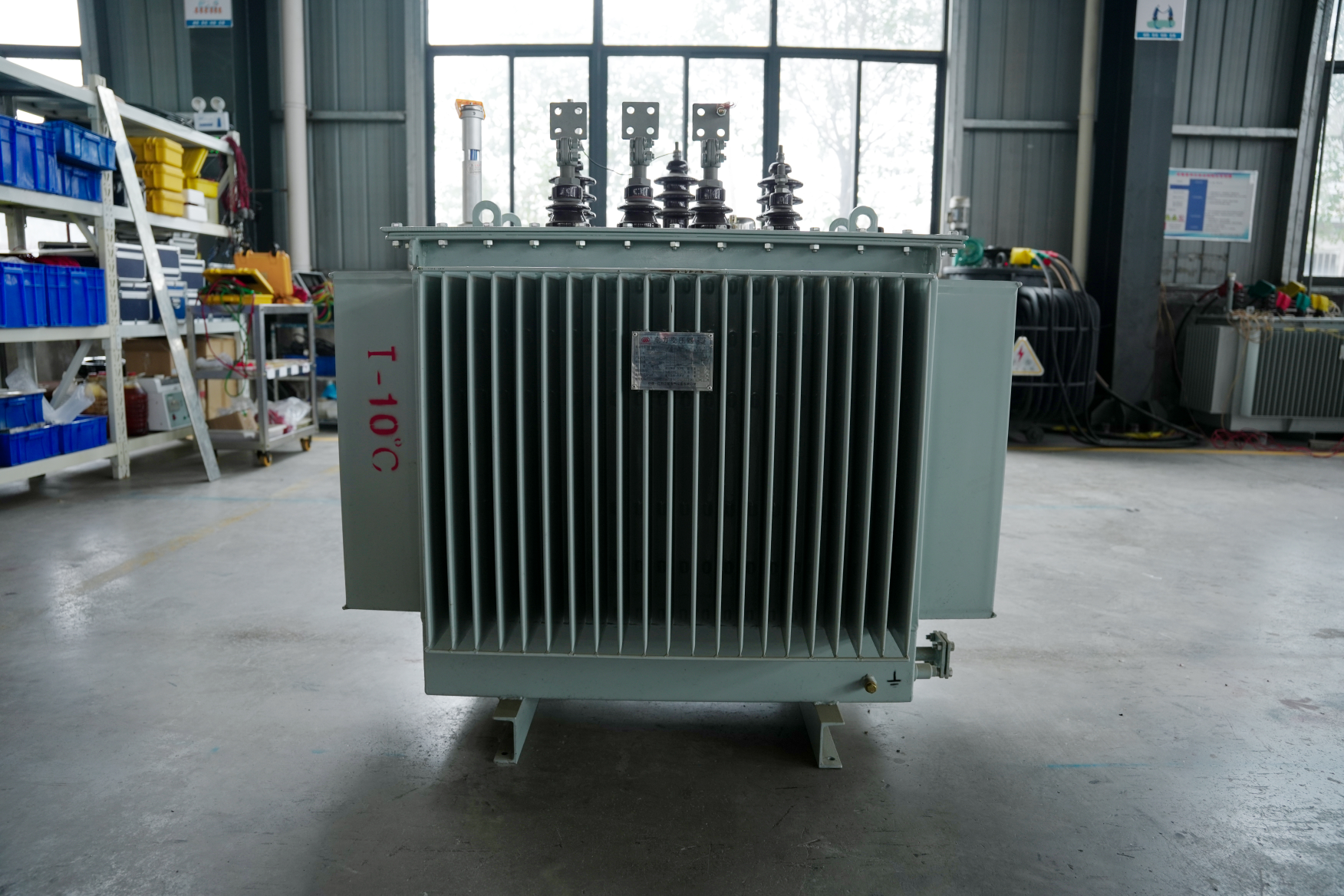
A small rural water treatment plant in Kenya installed a CE certified 11kV 100kVA oil immersed transformer to power its pumps and filtration system. Before the transformer, the plant relied on diesel generators, leading to inconsistent water supply:
- The plant now provides clean water to 3,000+ rural residents, 24/7.
- Operating costs dropped by 50%, as the transformer allowed the plant to switch to grid power.
- Water quality improved, with fewer contaminants due to consistent filtration and disinfection.