+86 18751738721
 sales@unitatransformer.com
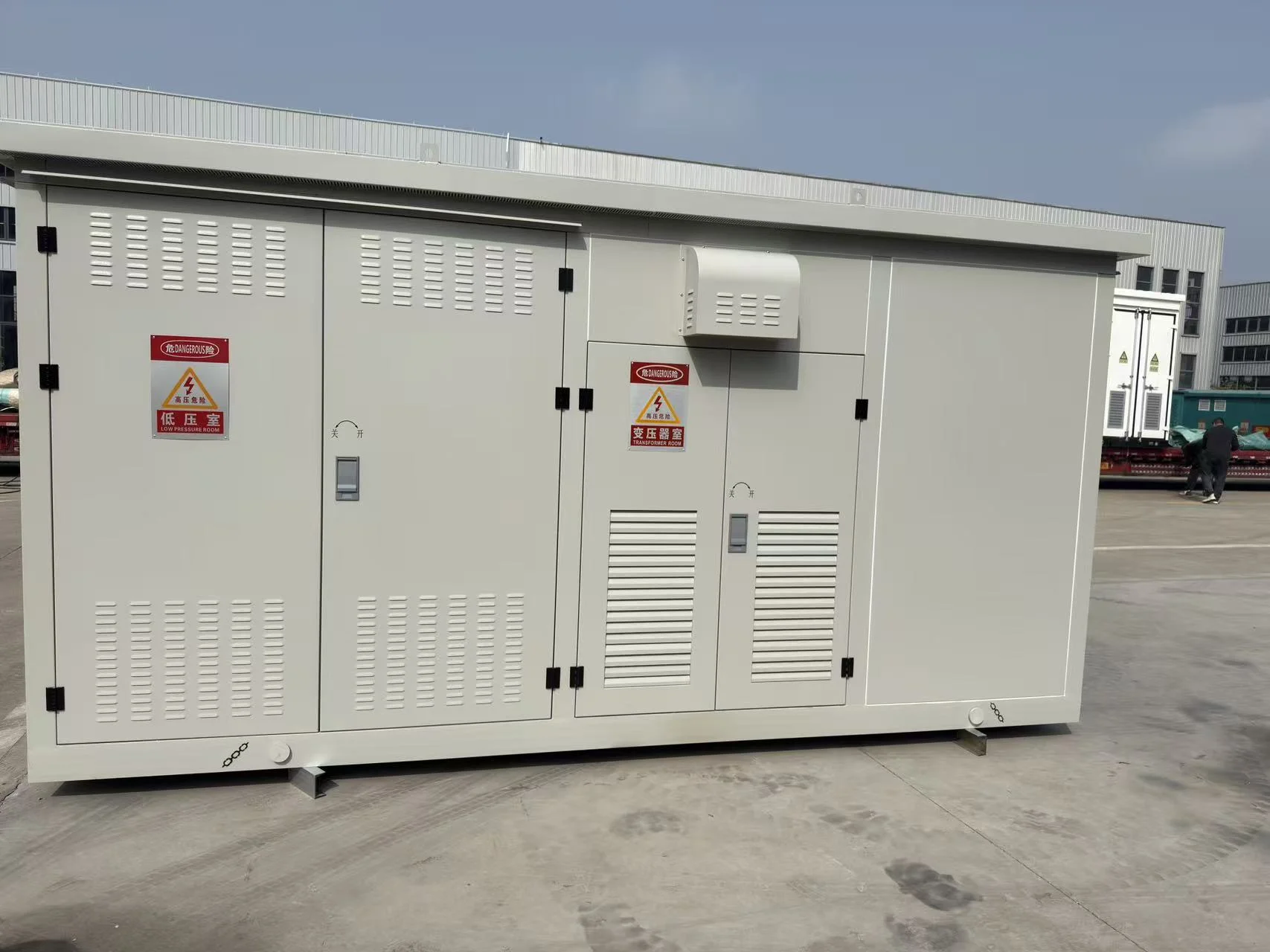
Humanitarian projects across Africa—focused on disaster relief, refugee camps, rural electrification, and healthcare access—require reliable, cost-effective transformers that can be deployed quickly and operate in harsh conditions. Sourcing the right transformer for these projects is critical: delays or poor quality can derail efforts to provide life-saving services to vulnerable communities. This guide outlines the key considerations for sourcing transformers for African humanitarian projects.
The most important requirement for humanitarian transformers is reliability and compliance. Humanitarian projects often operate in remote, high-stress environments, and transformers must work consistently with minimal maintenance. CE certification is non-negotiable— it ensures the transformer meets international safety standards, is durable, and can be quickly cleared through African customs (critical for time-sensitive humanitarian efforts).
Key Sourcing Considerations for Humanitarian Transformers
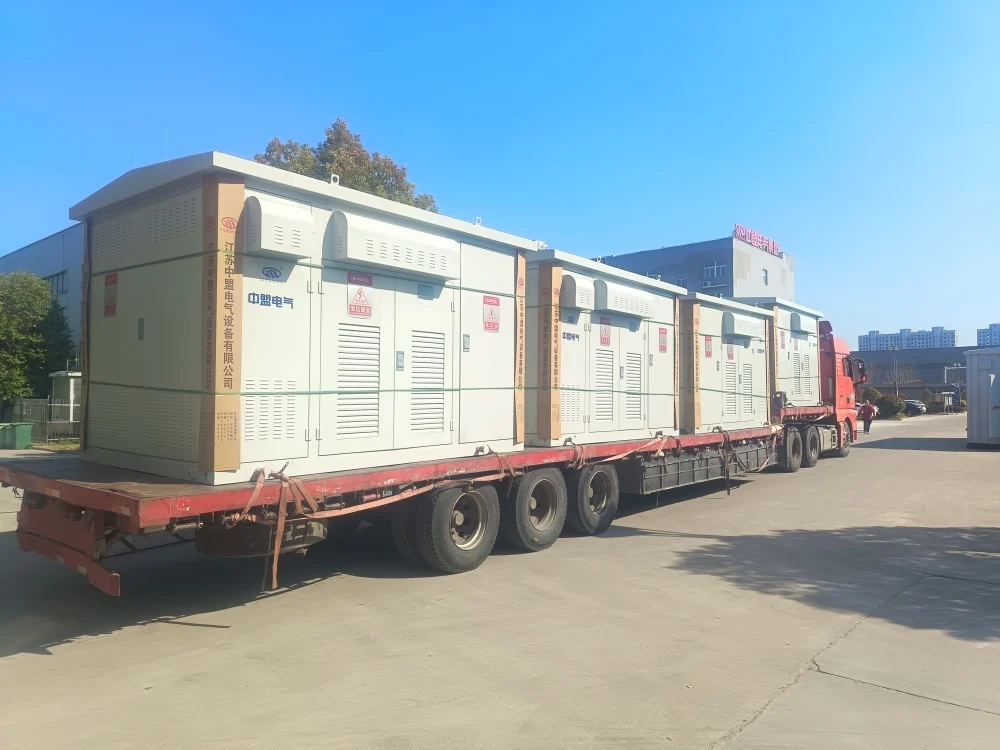
- Prioritize Fast Lead TimesHumanitarian projects (e.g., disaster relief, refugee camp setup) often have tight deadlines. Choose a supplier that can deliver CE certified transformers within 20–25 days, with flexible shipping options to remote African locations (e.g., delivery to small ports or overland to rural areas). Our team specializes in fast delivery for humanitarian projects, with a track record of delivering 11kV 100kVA oil immersed transformer units to refugee camps in Uganda and disaster zones in Kenya.
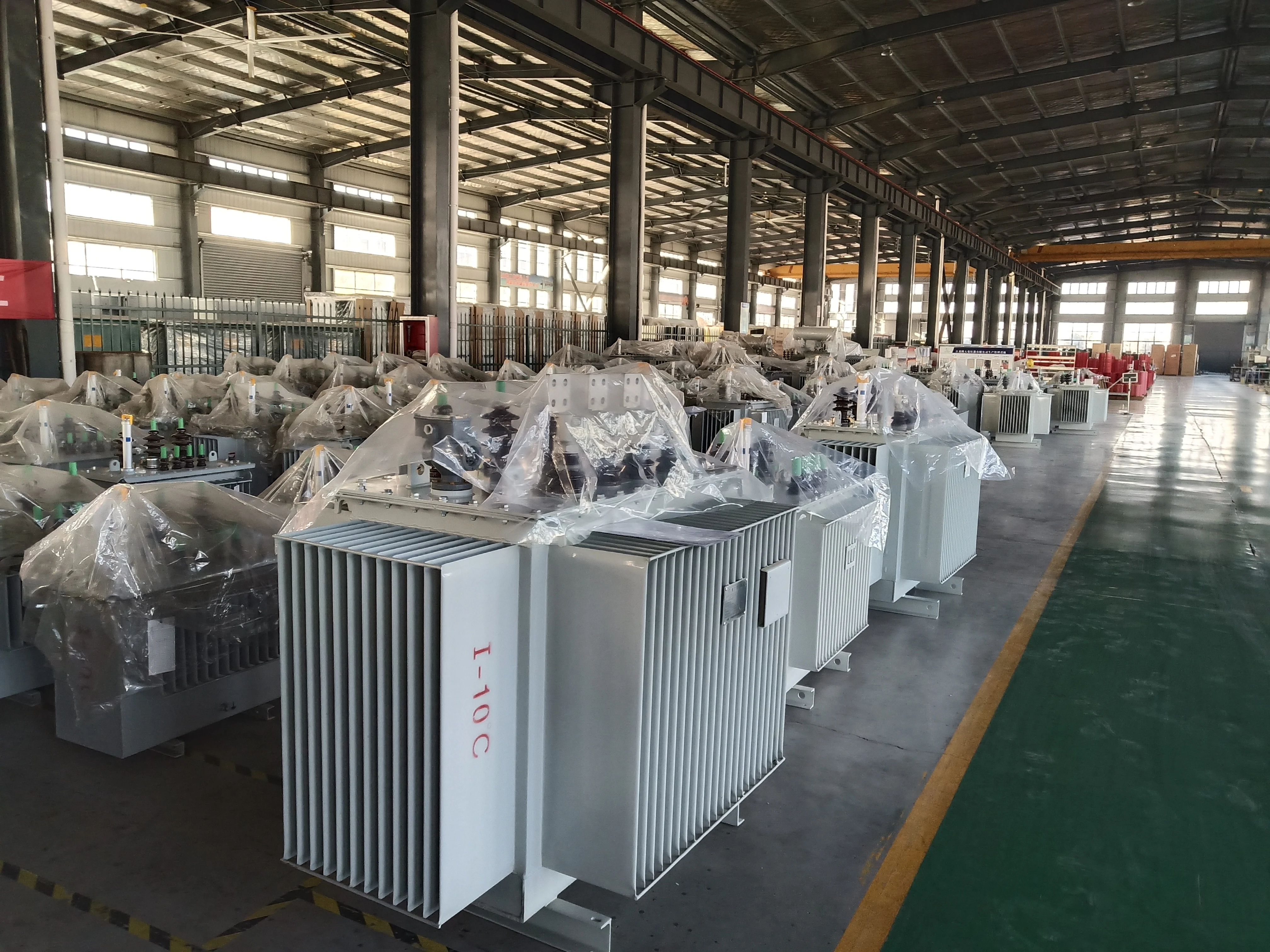
- Choose Low-Maintenance DesignsHumanitarian projects often have limited technical staff, so transformers must be easy to install and maintain. Oil immersed transformers are the best choice—they require minimal upkeep (only basic visual inspections and annual oil checks) and can operate for years without complex repairs. Avoid dry type transformers for remote humanitarian projects, as they require more frequent cleaning and maintenance.
- Opt for Climate-Resilient UnitsHumanitarian projects in Africa often operate in extreme conditions: refugee camps in arid Somalia, flood-prone areas in South Sudan, or high-temperature regions in Mali. Choose transformers with climate-specific adaptations:
- Dust-sealed enclosures for arid regions.
- Water-resistant designs for flood-prone areas.
- Heat-resistant insulation for high-temperature zones.All units should be CE certified, ensuring they can withstand these harsh conditions.
- Consider Flexible CapacityHumanitarian projects often have variable power needs—refugee camps grow, relief efforts scale, and community needs change. A 11kV 100kVA transformer is the ideal flexible choice: it can power a small refugee camp (200–300 people) or a rural clinic, and can be scaled up with additional units if needed.
- Partner With a Supplier With Humanitarian ExperienceSuppliers that have worked on African humanitarian projects understand the unique challenges: tight deadlines, remote locations, and the need for cost-effective, reliable equipment. They can provide tailored solutions, fast shipping, and even remote technical support—critical for projects with limited on-site expertise.
Case Study: Refugee Camp in Uganda
A humanitarian organization needed 10 CE certified 11kV 100kVA oil immersed transformers for a refugee camp in northern Uganda, housing 5,000+ displaced people. Our team delivered the units in 22 days, with overland shipping to the remote camp. The transformers now power water pumps, clinics, and lighting for the camp, with zero failures in 18 months—even in the region’s dusty, high-temperature conditions.
Conclusion
Sourcing transformers for African humanitarian projects requires a focus on speed, reliability, and climate resilience—all anchored by CE certification. By choosing the right supplier and units, you can ensure your humanitarian project delivers critical power to vulnerable communities, when and where they need it most.