 +86 18751738721
 sales@unitatransformer.com
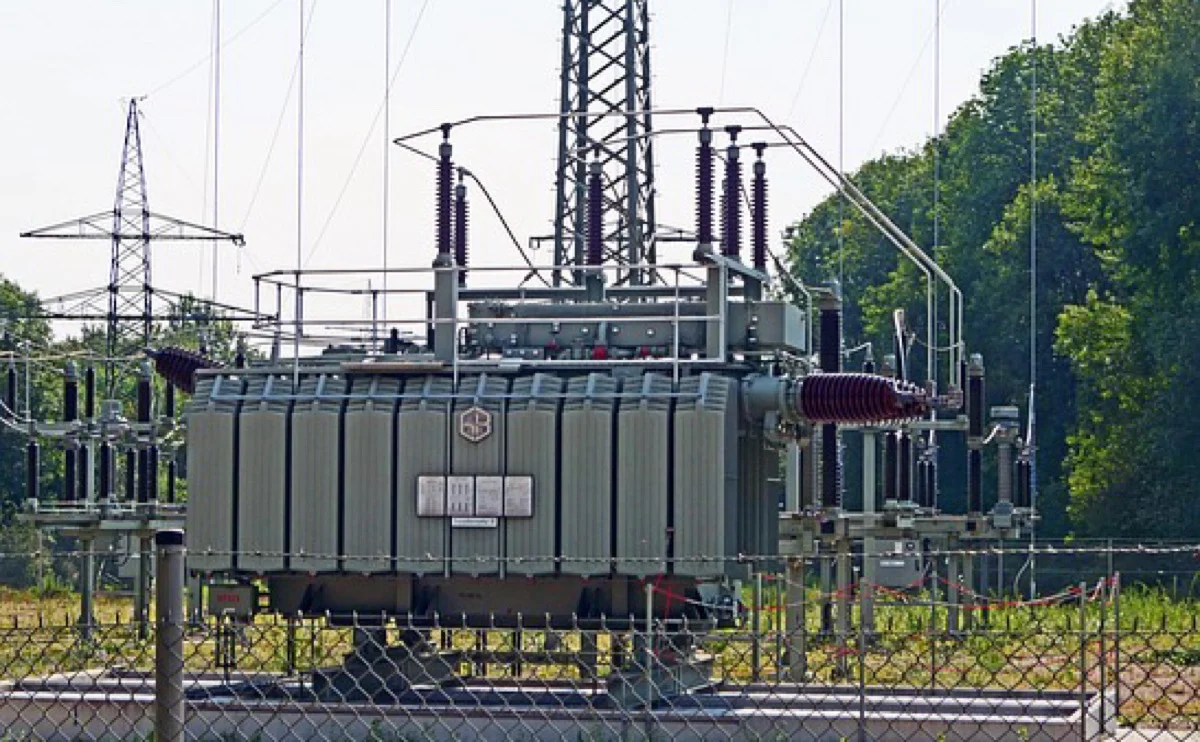
Why Maintenance Matters
An oil-immersed transformer is one of the most valuable assets in any power system. An unexpected failure can halt an entire plant and cost far more than years of preventive care. A disciplined maintenance program protects safety, extends service life, and prevents outages.
Daily and Monthly Checks
- Read and record oil temperature and winding temperature indicators.
- Inspect for oil leaks at gaskets, bushings, and radiators.
- Listen for abnormal humming, crackling, or pumping noise.
- Check the breather (silica gel color) and conservator oil level.
Annual and Periodic Tests
| Test | Purpose |
|---|---|
| Dissolved Gas Analysis (DGA) | Detect incipient faults (arcing, overheating) |
| Moisture & breakdown voltage | Assess oil insulation quality |
| Winding resistance | Find loose connections or tap issues |
| Turns ratio (TTR) | Confirm correct transformation ratio |
| Insulation resistance (Megger) | Evaluate winding insulation |
Common Failure Modes
Overheating from overloaded or blocked cooling, moisture ingress, bushing flashover, and on-load tap-changer wear are the usual suspects. DGA trends catch most of them months before breakdown.
Best Practices
- Keep a maintenance log and trend every reading over time.
- Act on DGA alarms early — don’t wait for failure.
- Maintain oil quality; filter or replace when breakdown voltage drops.
- Train operators to recognize abnormal sound and smell.
Frequently Asked Questions
How often should oil be tested?
Minimum annually for critical units; every 2–3 years for stable, lightly loaded transformers.
Can maintenance be done live?
Routine inspection yes; electrical testing and oil work require de-energizing and proper isolation.
Need help specifying a low-maintenance unit? Compare designs in our dry vs oil guide or browse oil-immersed products.