 +86 18751738721
 sales@unitatransformer.com
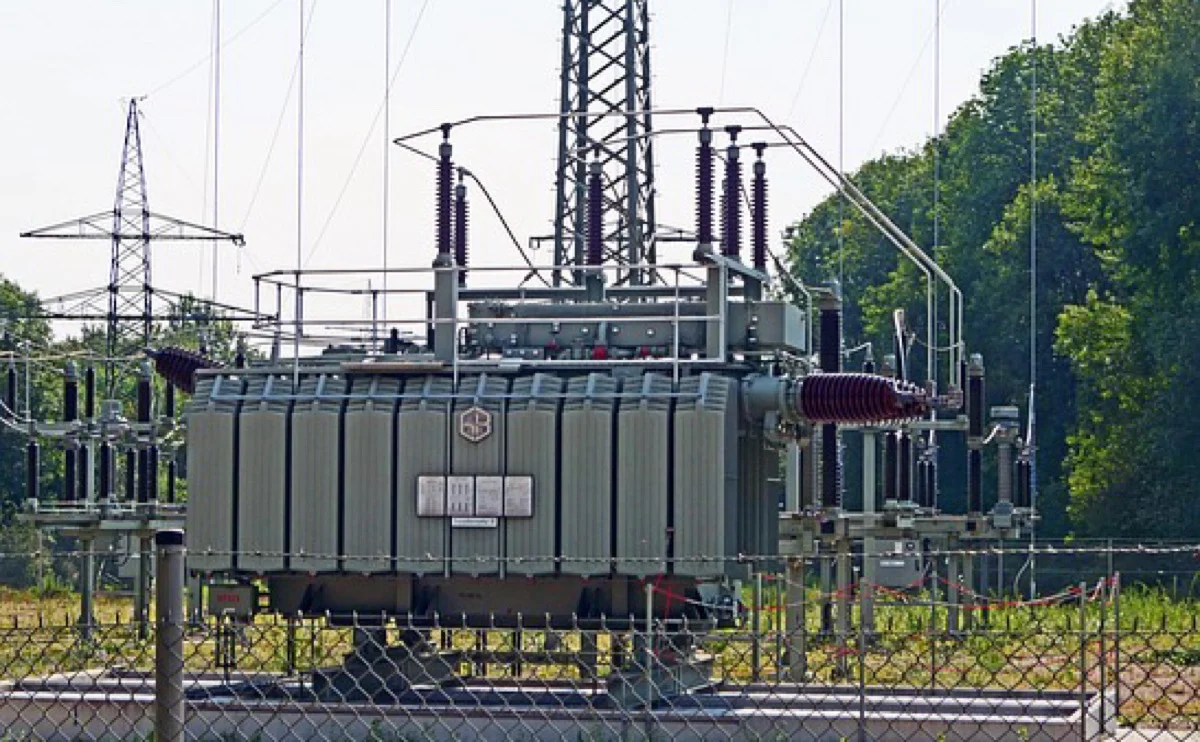
Amid the global wave of energy transition and intelligent development, safety and energy efficiency standards for power equipment are increasingly rising. Dry-type transformers, as an innovative solution replacing traditional oil-immersed transformers, are becoming an indispensable core component of modern power systems due to their exceptional fire-resistant performance and environmental benefits
1. Technological Innovations in Dry-Type Transformers
Dry-type transformers utilize a solid insulation system, employing epoxy resin casting or Vacuum Pressure Impregnation (VPI) processes to form a robust overall insulation structure for the windings. This design not only eliminates the risk of insulating oil leakage but also achieves a higher heat resistance class (typically reaching Class F or H), enabling stable operation even in high-temperature environments.
2. Six Core Advantages of Dry-Type Transformers
- Absolute Safety: Uses flame-retardant and self-extinguishing materials, complying with the highest fire safety standards, making it ideal for hazardous environments such as petrochemical plants and underground mines.
- Green and Environmentally Friendly: Free from harmful substances like polychlorinated biphenyls (PCB) and 100% recyclable.
- Excellent Energy Efficiency: Utilizes high-quality grain-oriented silicon steel sheets and advanced design, reducing no-load losses by over 30% compared to traditional transformers.
- Smart Operation and Maintenance: Can integrate temperature monitoring systems for online monitoring and intelligent alerts.
- Strong Adaptability: Protection rating up to IP54, suitable for harsh environments with high humidity and dust.
- Space-Saving: Compact design reduces volume by 20%-40% compared to oil-immersed transformers of the same capacity.
3. Innovative Application Scenarios
- New Energy Sector:
- Boosting systems for photovoltaic power plants
- Power distribution systems for offshore wind power platforms
- Grid interconnection interfaces for energy storage power plants
- Modern Urban Infrastructure:
- Core power distribution for electric vehicle charging stations
- Traction power supply for urban rail transit
- Smart power distribution systems for intelligent buildings
- Special Industrial Environments:
- Shipbuilding and offshore platforms
- Uninterrupted power supply systems for data centers
- Precision power supply for medical equipment
4. Selection Guide and Technical Specifications
When selecting a dry-type transformer, focus on the following technical parameters:
- Energy Efficiency Class: Prioritize products meeting the GB20052 standard first-level energy efficiency.
- Insulation System: Class H insulation materials ensure a heat resistance of 180°C.
- Protection Level: Choose IP20 for indoor installation and IP23 or higher for outdoor or special environments.
- Noise Control: Adopt low-noise design to meet urban environmental requirements.
- Smart Interfaces: Reserve IoT interfaces to support remote monitoring and data analysis.
5. Industry Development Trends
- Digital Upgrade: Integrate sensors and communication modules for real-time status monitoring.
- Material Innovation: Use nano-composite materials to enhance insulation performance and heat dissipation efficiency.
- Customized Design: Provide personalized solutions for specific application scenarios.
- Full Lifecycle Management: Achieve a green closed loop from design and manufacturing to recycling.
Conclusion
With the advancement of dual-carbon goals and the transformation and upgrading of the power industry, dry-type transformers are becoming a crucial support for smart grid construction and the energy revolution, thanks to their outstanding safety performance and environmental benefits. Choosing advanced dry-type transformer solutions not only enhances power supply reliability but also injects green momentum into sustainable corporate development.