+86 18751738721
 sales@unitatransformer.com
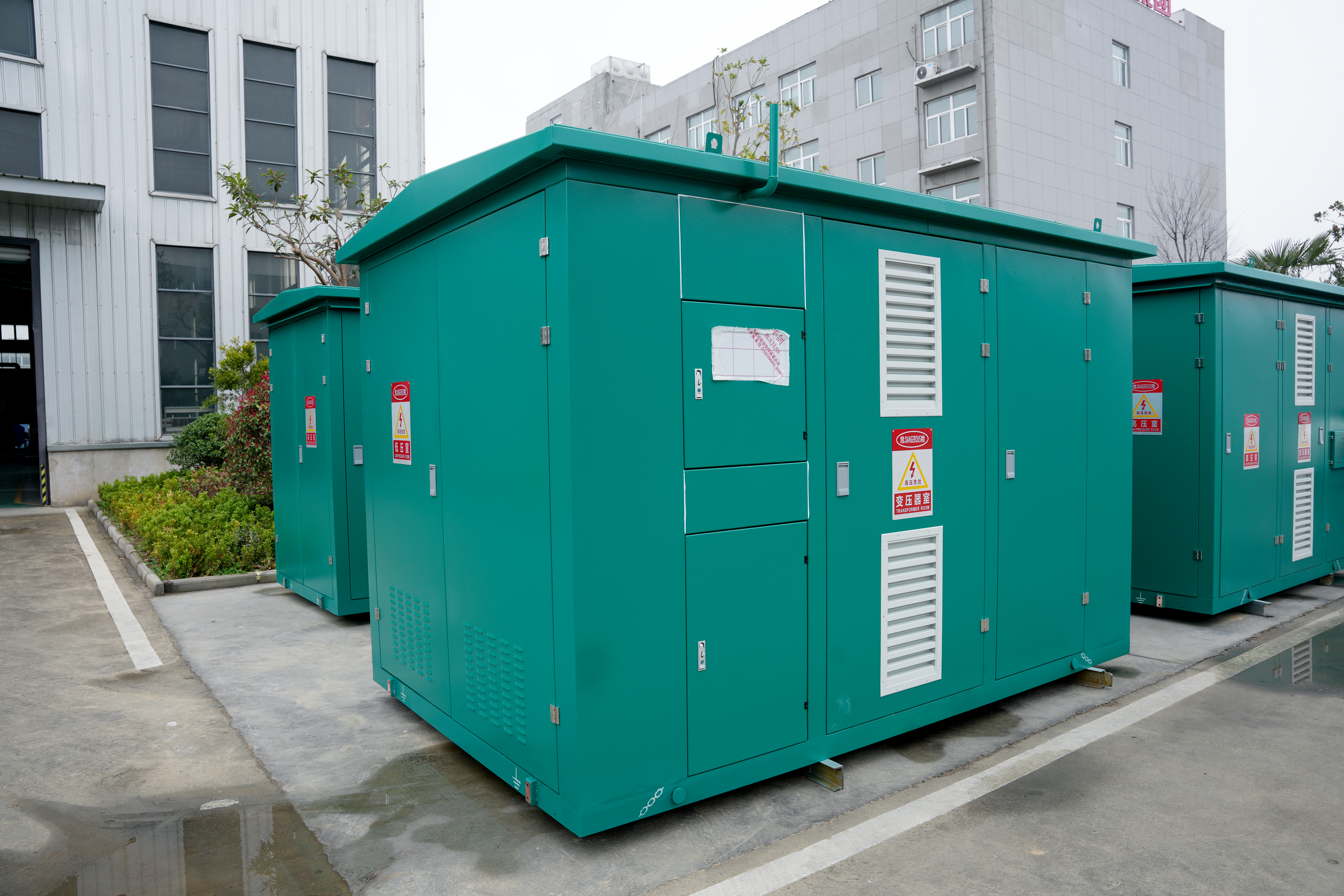
Tropical monsoon is a common climate phenomenon in Southeast Asia, lasting from May to October every year. During the monsoon season, there are frequent heavy rains, high humidity, and occasional thunderstorms, which bring great challenges to the stable operation of power equipment (transformers, distribution boxes, power cables). Many project teams do not take targeted protection measures for the monsoon season, resulting in frequent equipment failures, affecting power supply and project progress.
The impact of tropical monsoon on power equipment is mainly reflected in three aspects: moisture intrusion, water immersion, and lightning surge. High humidity and heavy rains easily cause equipment insulation degradation, short circuit, and corrosion; thunderstorms bring lightning surge, which can damage the internal components of the equipment. The following sorts out the key impacts of the monsoon season on power equipment and corresponding targeted protection strategies.
| Impact Type | Specific Harm to Power Equipment | Protection Strategies | Implementation Timing |
|---|---|---|---|
| Moisture Intrusion | Insulation aging, terminal oxidation, internal condensation; reduced insulation resistance, easy to cause short circuit | 1. Install desiccant breathers for transformers, replace desiccant regularly. 2. Seal the connection points of distribution boxes and cables with waterproof putty. 3. Keep the surrounding environment of the equipment well-ventilated, avoid low-lying areas. | Before and during the monsoon season; check and maintain once a week |
| Water Immersion | Equipment short circuit, shell corrosion, internal component damage; serious cases lead to equipment scrapping | 1. Raise the foundation of transformers and distribution boxes by 50cm (80cm in flood-prone areas). 2. Lay drainage ditches around the equipment to divert rainwater quickly. 3. Use waterproof covers for outdoor equipment; avoid installing equipment in low-lying and waterlogged areas. | Before the monsoon season; check drainage and waterproof measures regularly during the season |
| Lightning Surge | Insulation breakdown, internal component damage, sudden shutdown; lightning strike may cause fire | 1. Install surge arresters and lightning rods to divert lightning current. 2. Check the grounding system regularly, ensure grounding resistance ≤10Ω. 3. Shut down non-essential equipment during thunderstorms; reduce equipment load. | Before the monsoon season; inspect lightning protection equipment after each thunderstorm |
| Wind Damage | Equipment displacement, loose bolts, cable damage; strong monsoon winds may tip over outdoor equipment | 1. Use anti-loosening bolts and steel brackets to fix outdoor equipment. 2. Check the tightness of bolts regularly; retighten loose bolts in time. 3. Avoid installing equipment in open and wind-prone areas. | Before the monsoon season; inspect and reinforce during the season |
In addition to targeted protection measures, it is also necessary to formulate a monsoon season power equipment inspection plan. Arrange personnel to conduct daily inspections of the equipment, focus on checking waterproof, moisture-proof, and lightning protection measures, and handle hidden dangers in time. After heavy rains or thunderstorms, conduct a comprehensive inspection of the equipment, and put it into operation only after confirming that it is normal.
By taking targeted protection strategies for the tropical monsoon, Southeast Asian project teams and enterprises can effectively reduce the impact of the monsoon on power equipment, ensure the stable operation of the power system, and avoid economic losses caused by equipment failures.