 +86 18751738721
 sales@unitatransformer.com
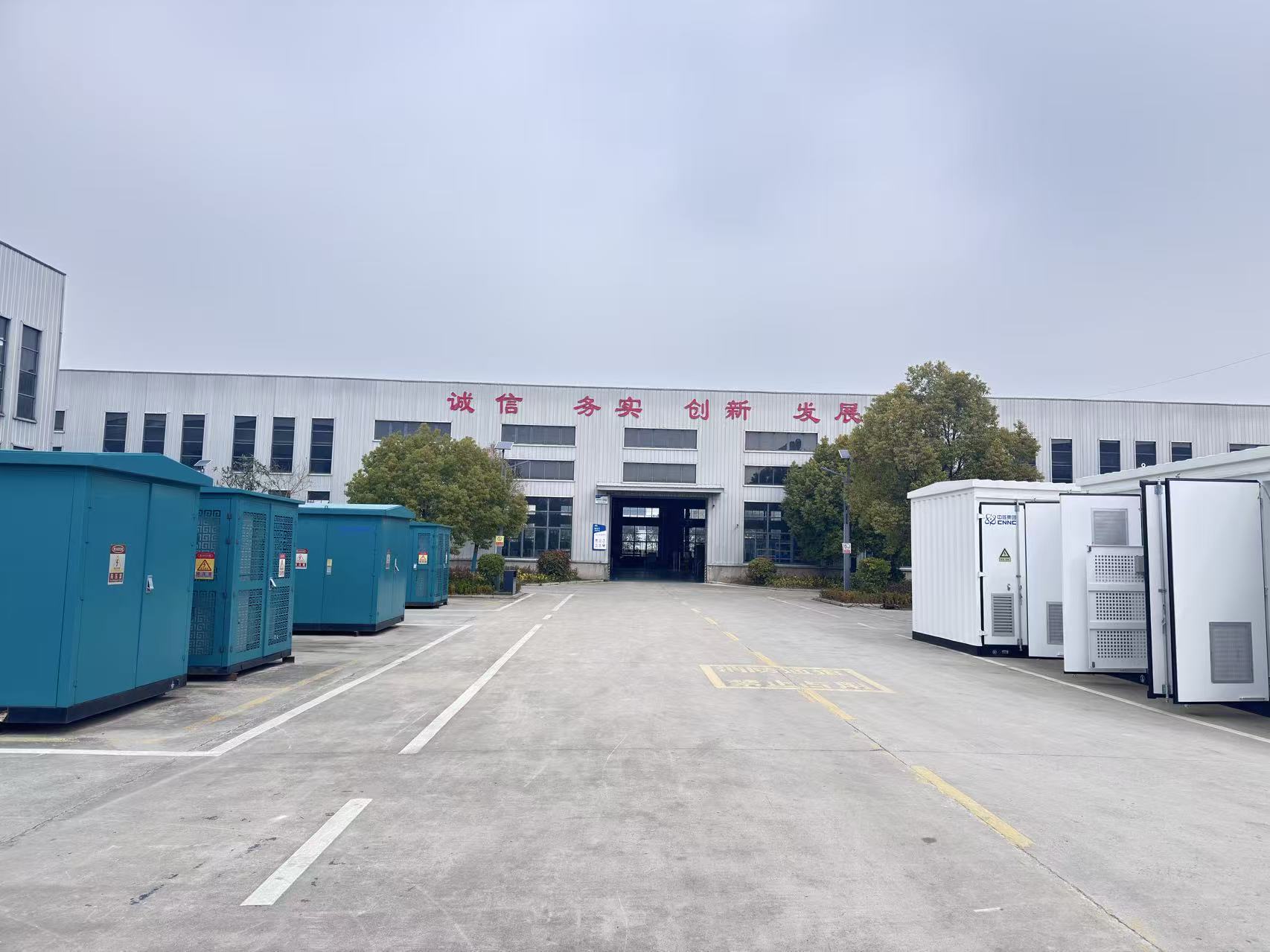
Many transformer operational failures and over‑budget maintenance costs are not caused by expensive equipment prices, but by mismatched model selection. Both oil‑immersed and dry‑type transformers are mature, standard power equipment; each has its own structural characteristics, performance advantages and applicable scenarios. Improper installation environment matching will lead to unstable operation and shortened service life.
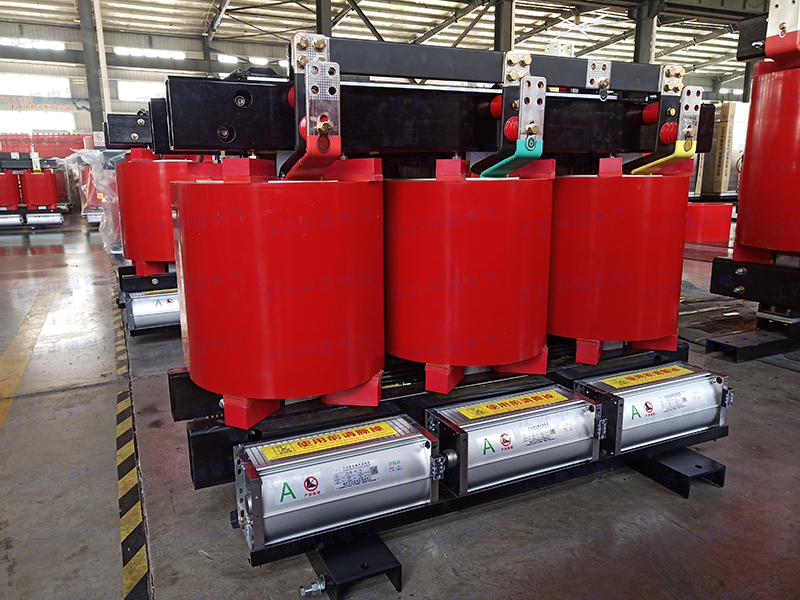
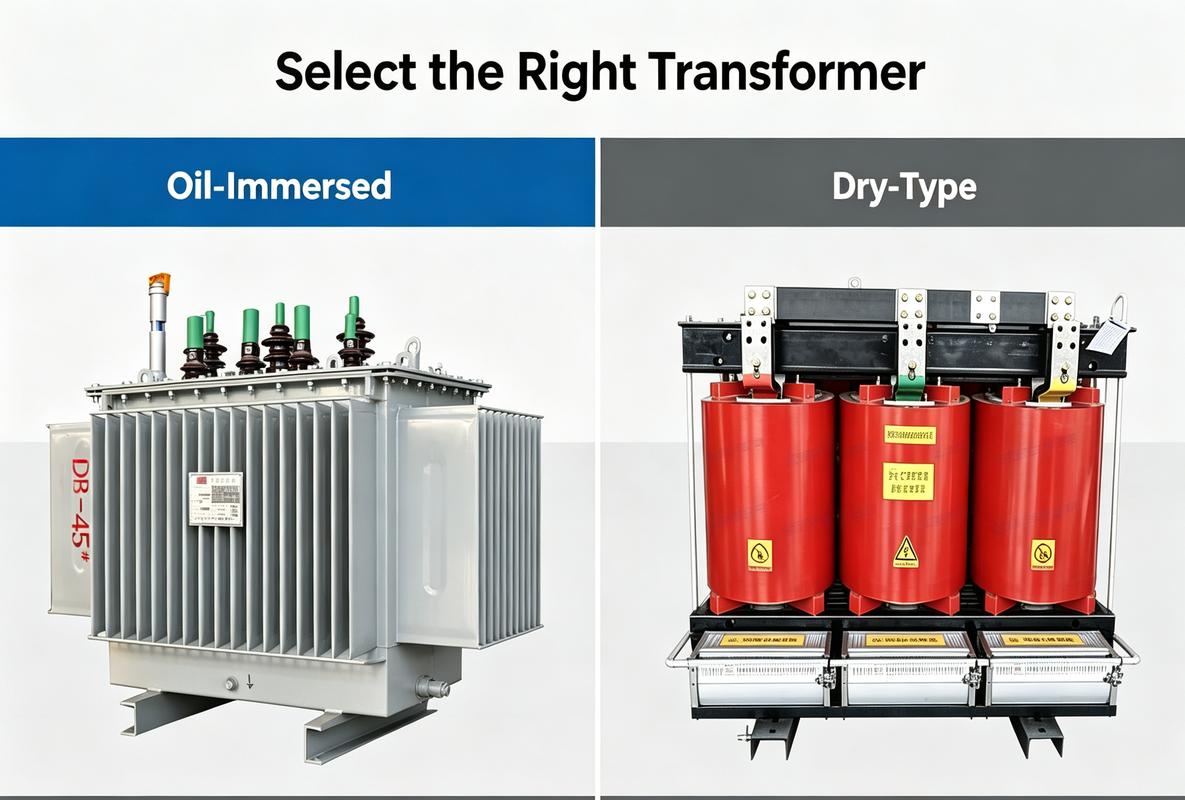
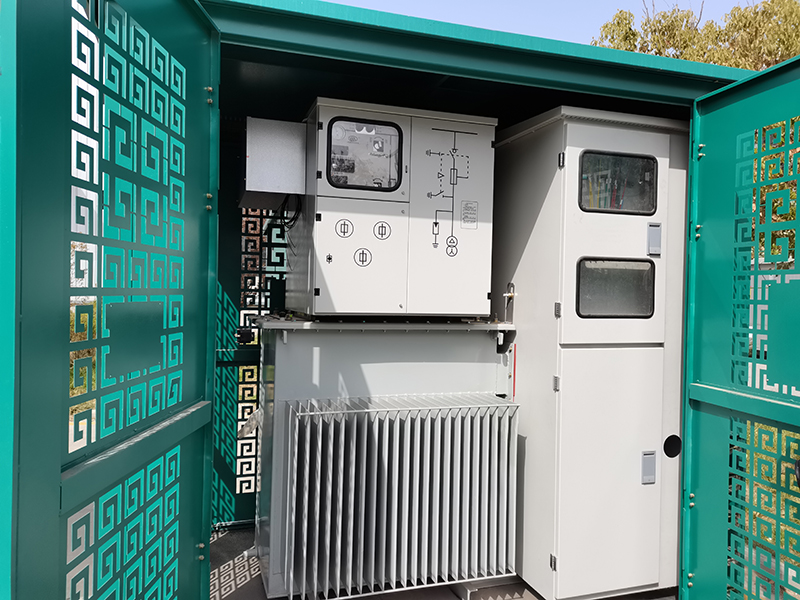
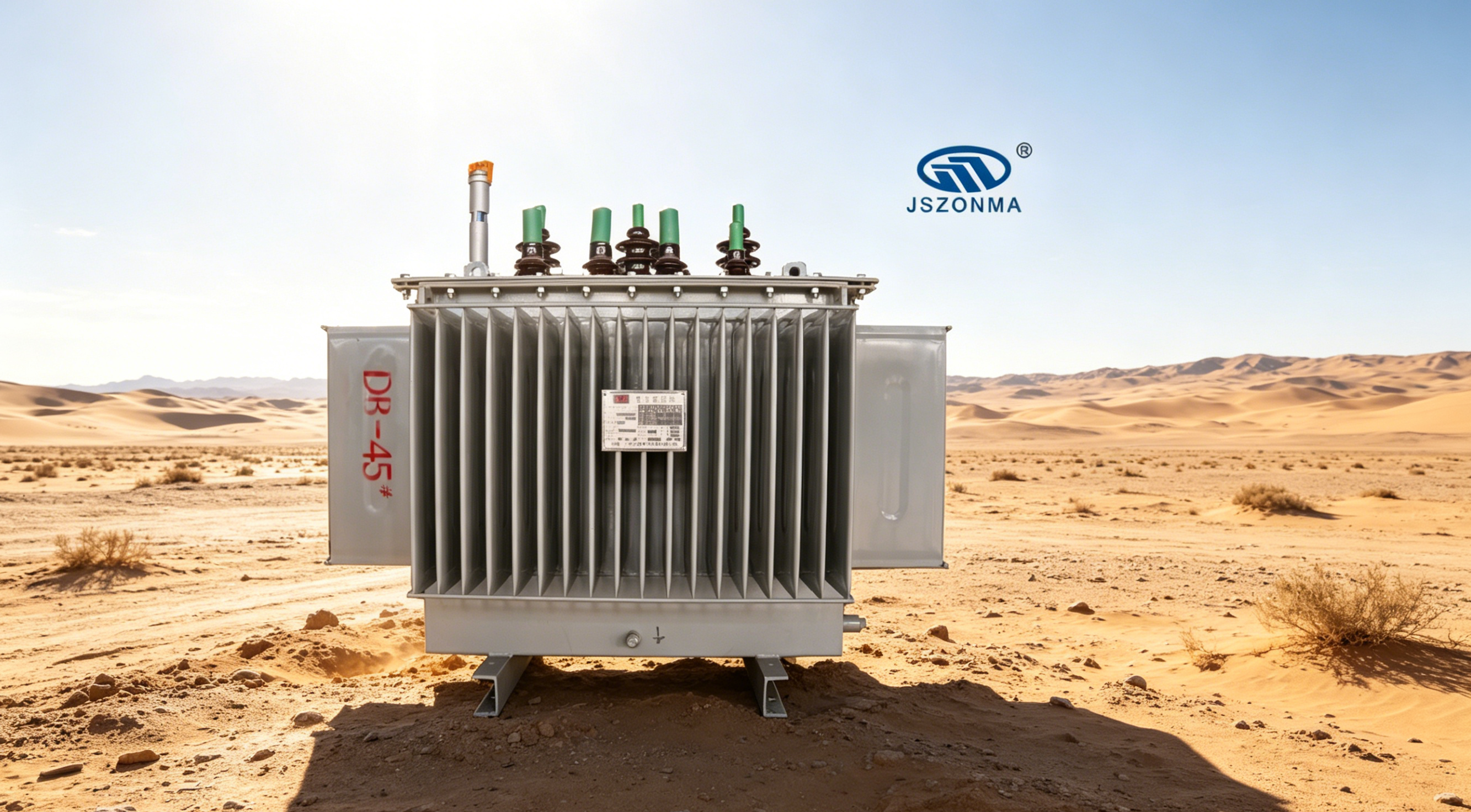
Oil‑immersed transformers utilize insulating oil for integrated insulation and heat dissipation. This classic structure features mature technology, strong heat capacity and good overload tolerance under outdoor ventilation conditions. The only technical limitation is the relatively low flash point of insulating oil, which means oil‑immersed units are strictly limited to well‑ventilated, open outdoor areas away from dense crowds and enclosed buildings, in accordance with fire codes.
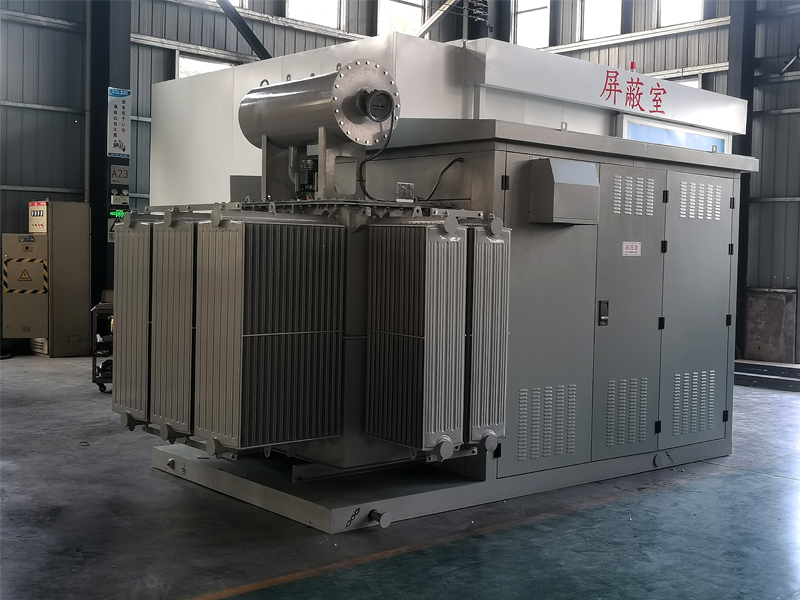
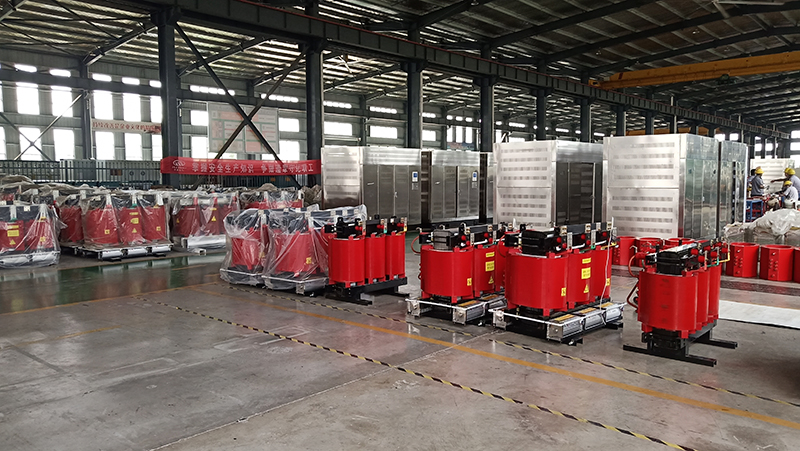
Dry‑type transformers adopt vacuum epoxy resin casting and fan‑forced cooling structure. The epoxy insulation is non‑flammable and self‑extinguishing, which satisfies strict indoor fire safety standards. This makes dry‑type transformers the preferred solution for underground parking lots, commercial malls, indoor power rooms and densely populated public areas.
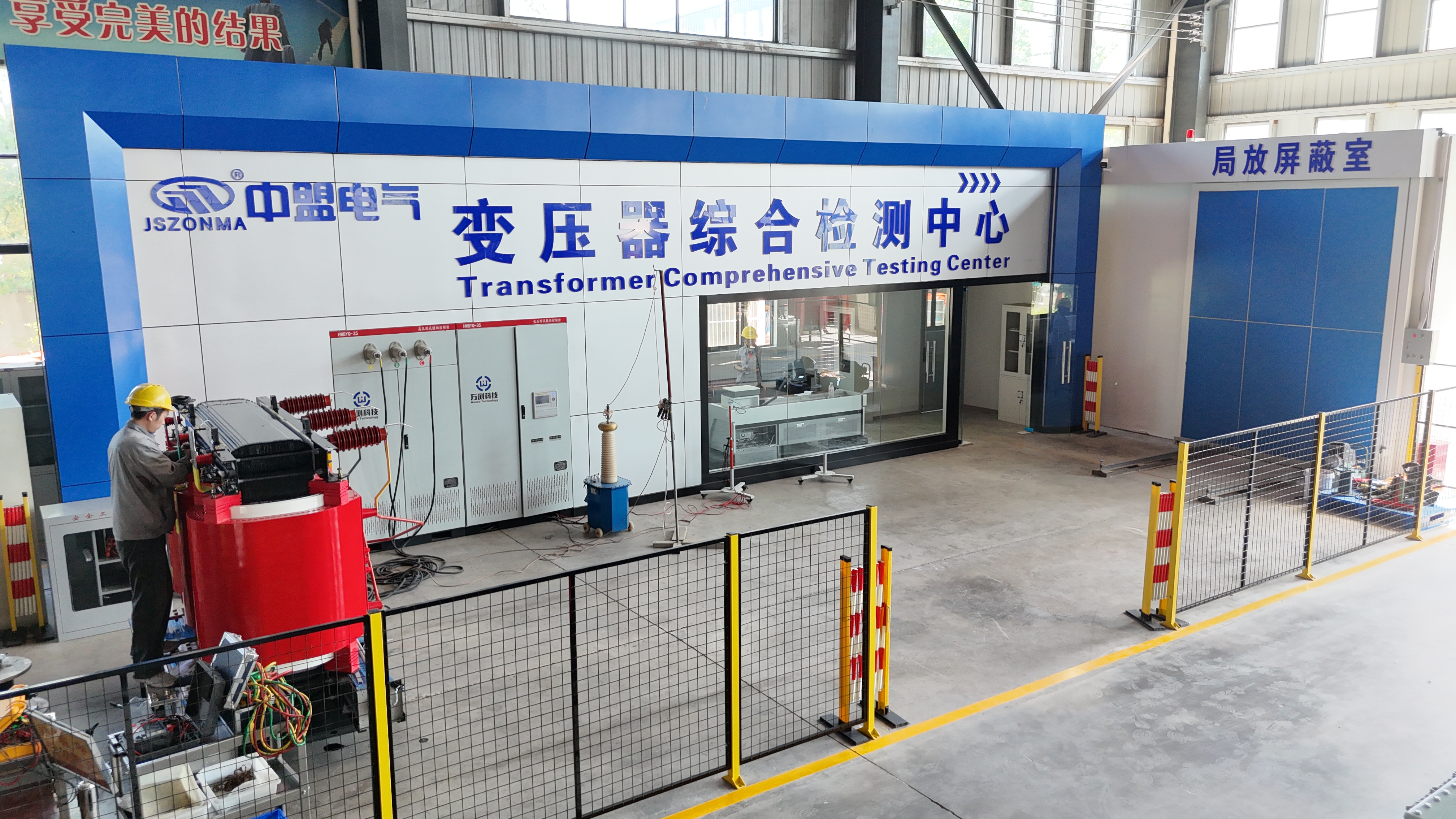
Our factory completed comparative performance tests under dynamic variable load conditions, showing stable performance differences between the two types:
- Oil‑immersed transformer: hourly temperature fluctuation exceeds 15°C
- Dry‑type transformer: hourly temperature fluctuation controlled within 5°C
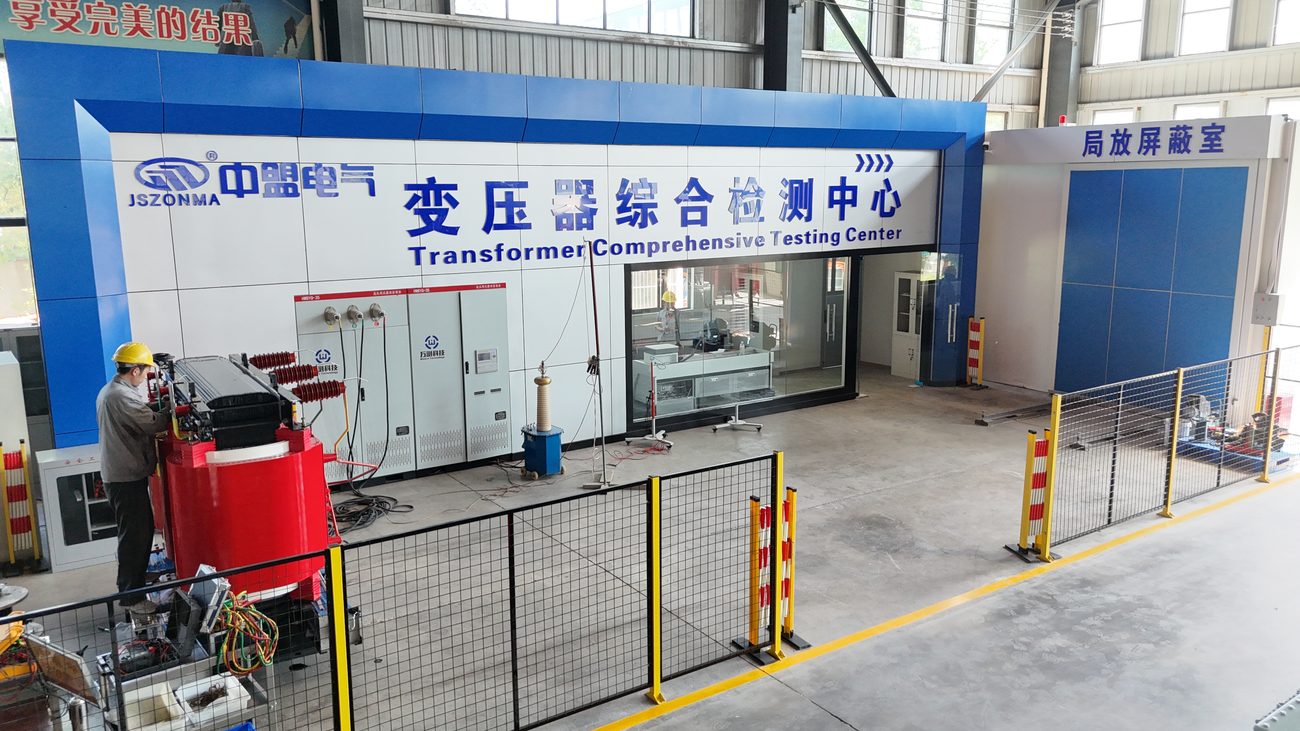
Relatively stable temperature suppresses insulation aging, while larger temperature fluctuation helps oil‑immersed transformers release heat rapidly under open outdoor ventilation — both characteristics are reasonable for their respective working environments.
Each transformer type has inherent structural aging characteristics.
For oil‑immersed transformers, external rubber sealing gaskets naturally age over time, with obvious performance degradation after approximately 3 years of operation. Without regular inspection, micro oil leakage and moisture ingress may occur, affecting insulation performance.
Dry‑type transformers adopt fully sealed solid insulation without oil‑based sealing components, avoiding oil leakage risks. However, resin insulation is more sensitive to long‑term ultraviolet radiation and severe dust accumulation, requiring regular dust cleaning and appearance inspection.
Our epoxy‑cast dry‑type transformers have steadily operated for over 8,000 continuous hours under 55°C high‑temperature exposure in African and Uzbekistan projects. Benefiting from high‑purity copper windings and precision laminated cold‑rolled silicon steel cores, the no‑load loss is 12% lower than industry standard values, suitable for extreme high‑temperature environments.
Similarly, oil‑immersed transformers demonstrate outstanding cost‑effectiveness and heat dissipation stability in conventional outdoor, well‑ventilated projects.
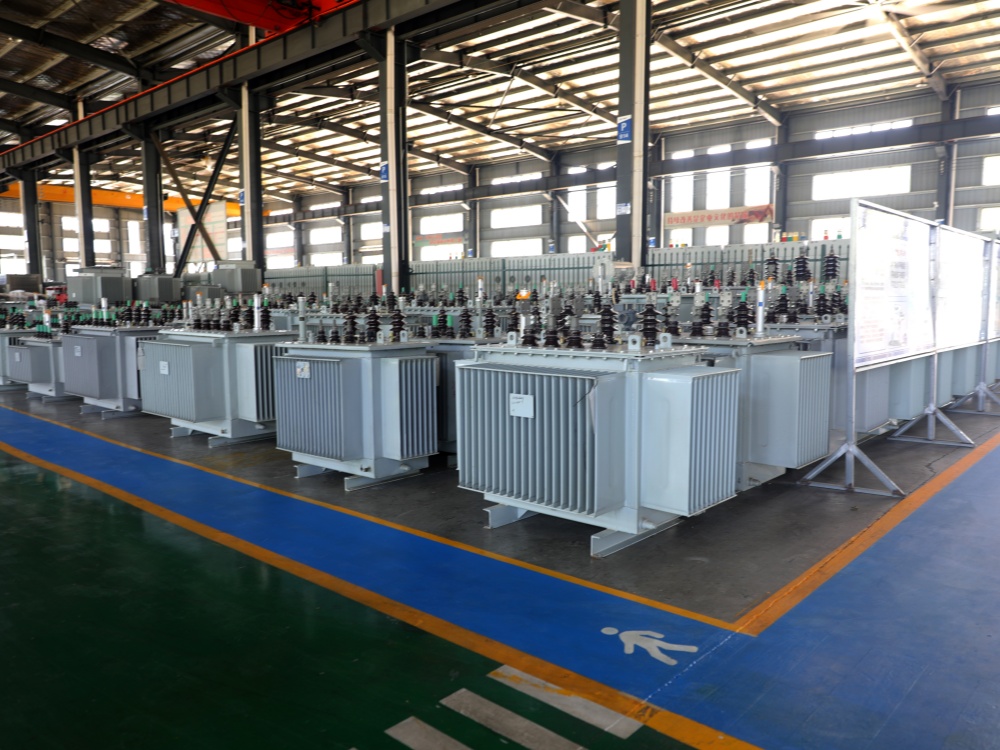
The core of transformer selection is not choosing “better” equipment, but choosing “more suitable” equipment. Correct type matching according to site environment and load characteristics effectively extends equipment service life and reduces long‑term maintenance risks.
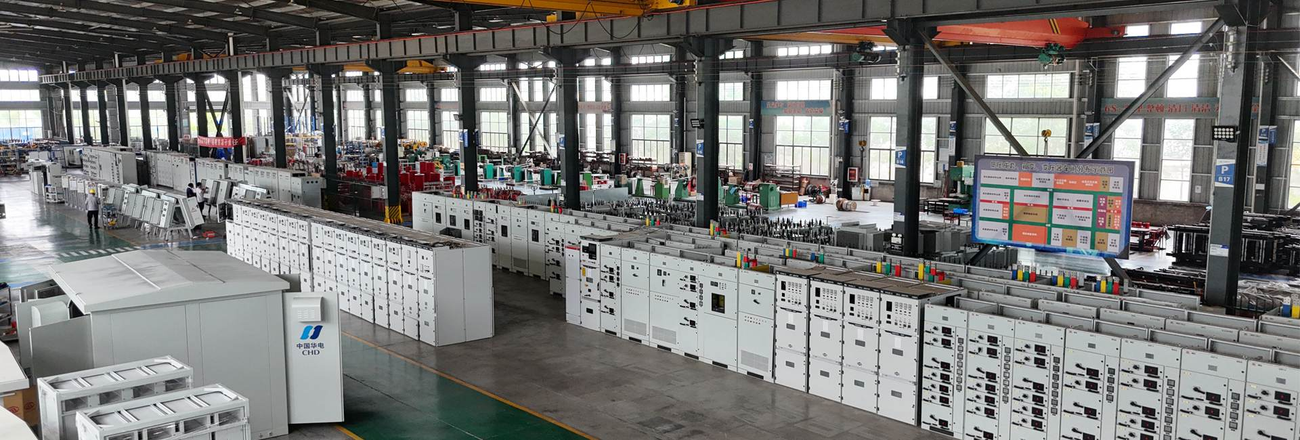
Contact us – Distribution transformer,Oil immersed transformer,Dry type transformer-Unita Electric
One thought on “Which Transformer Selection Trap Costs Project Owners Most?”