+86 18751738721
 sales@unitatransformer.com
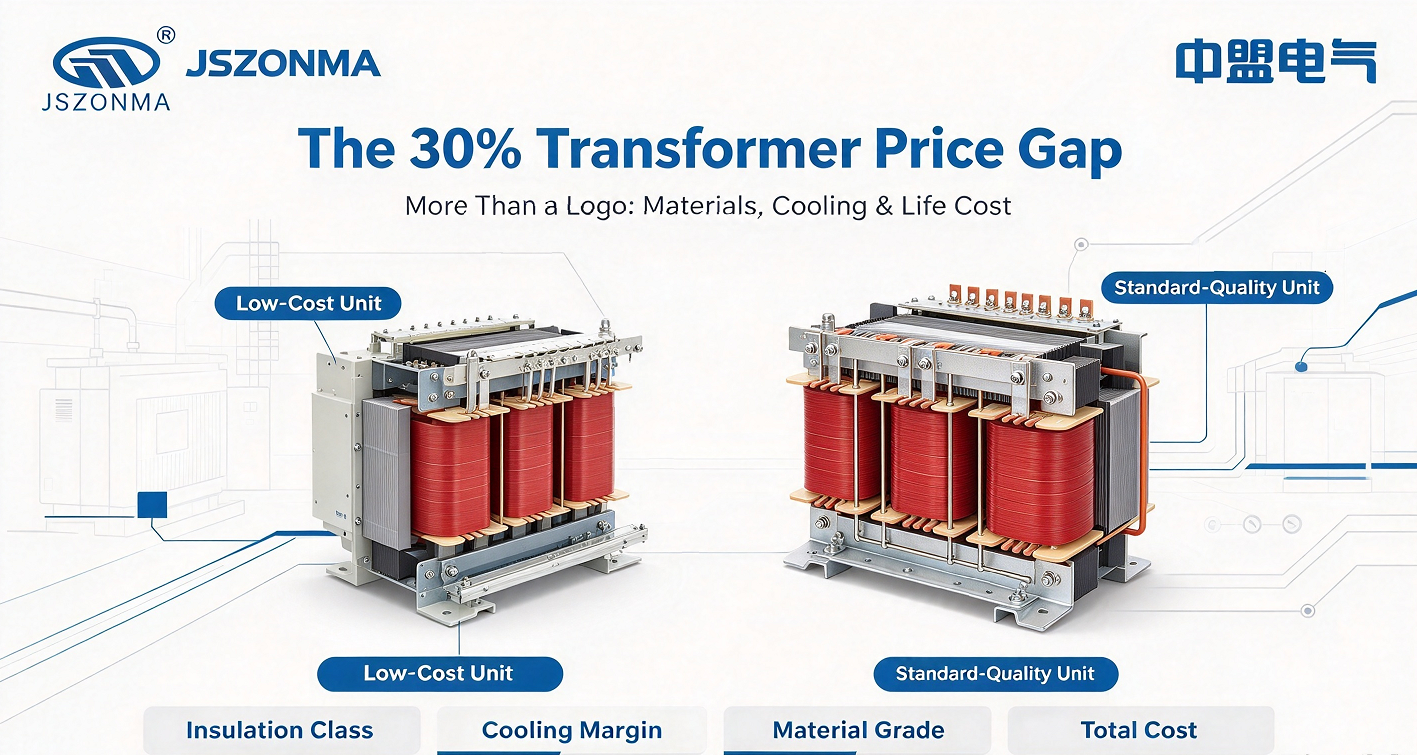
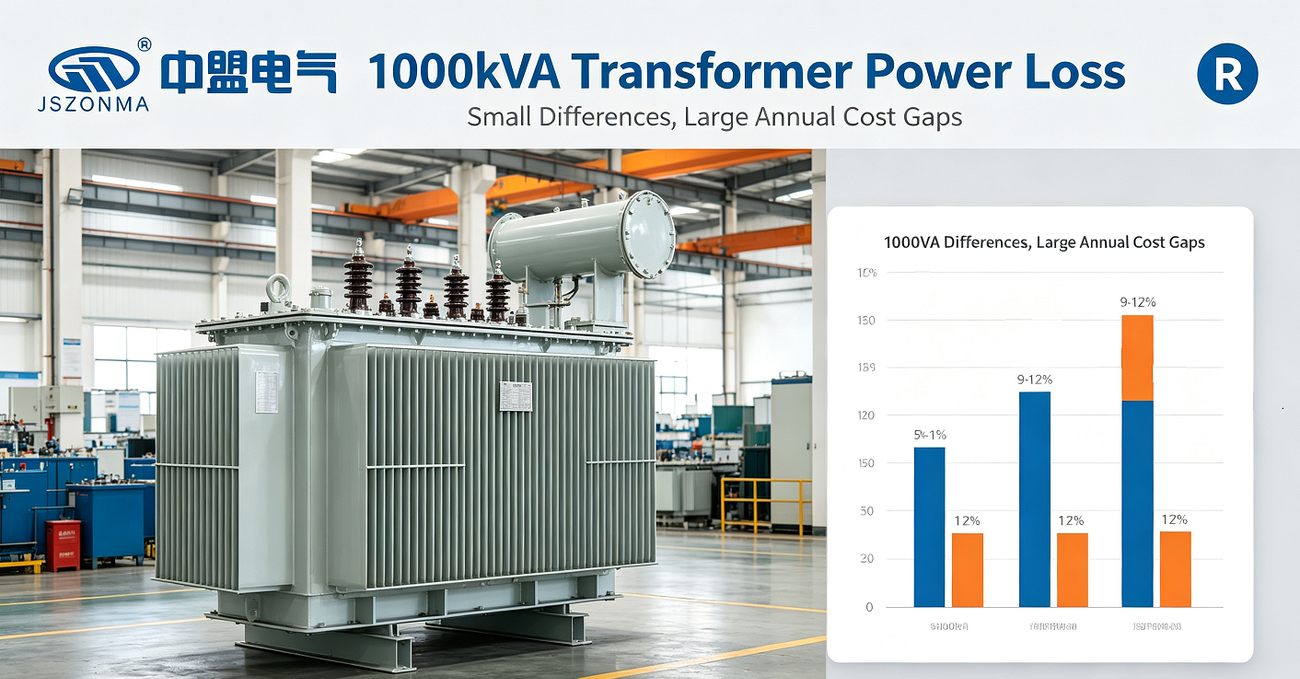
When comparing transformer quotations, many buyers focus only on the model and unit price. But a 30% price gap between similar ratings does not always mean a better deal. In most cases, it signals differences in material grade, insulation system, cooling design, build quality, and long-term operational risk.
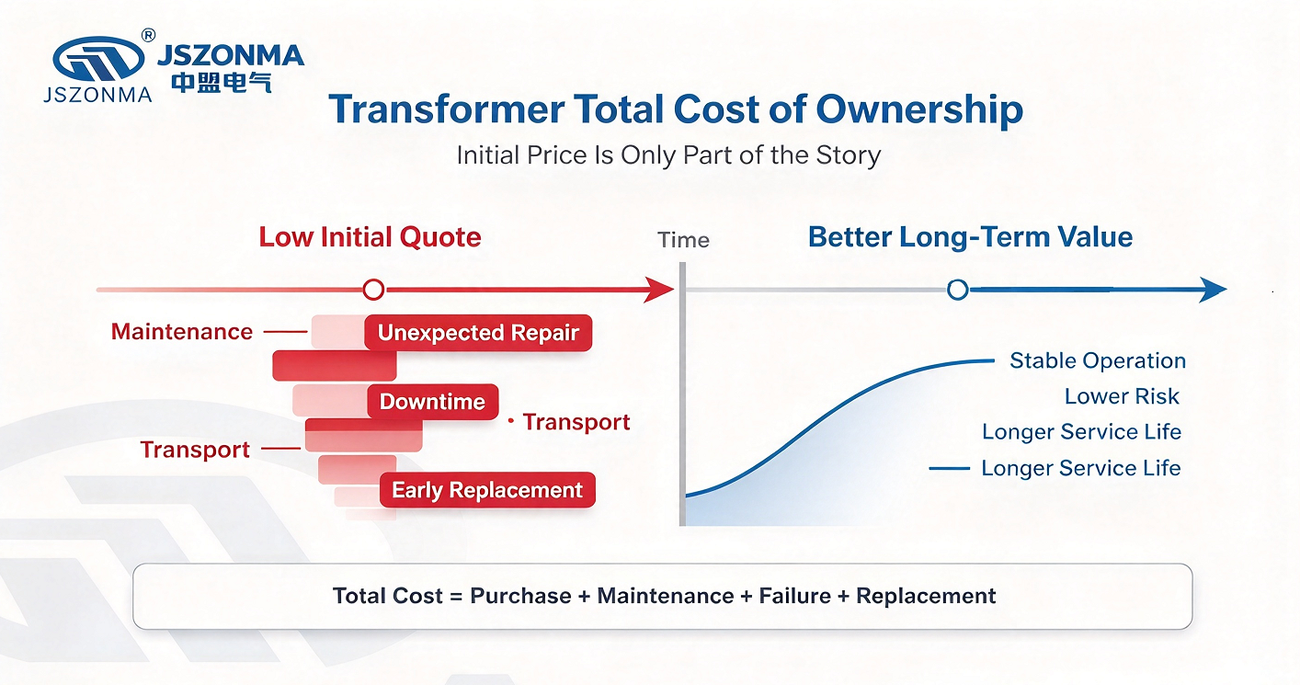
The real cost of a transformer is not just the purchase price. It includes maintenance, unexpected repairs, downtime, transportation, and early replacement over the project lifecycle. Below are two real-world cases that explain why cheaper is not always more economical.
Case 1: The Low-Cost Dry-Type Transformer That Failed Early
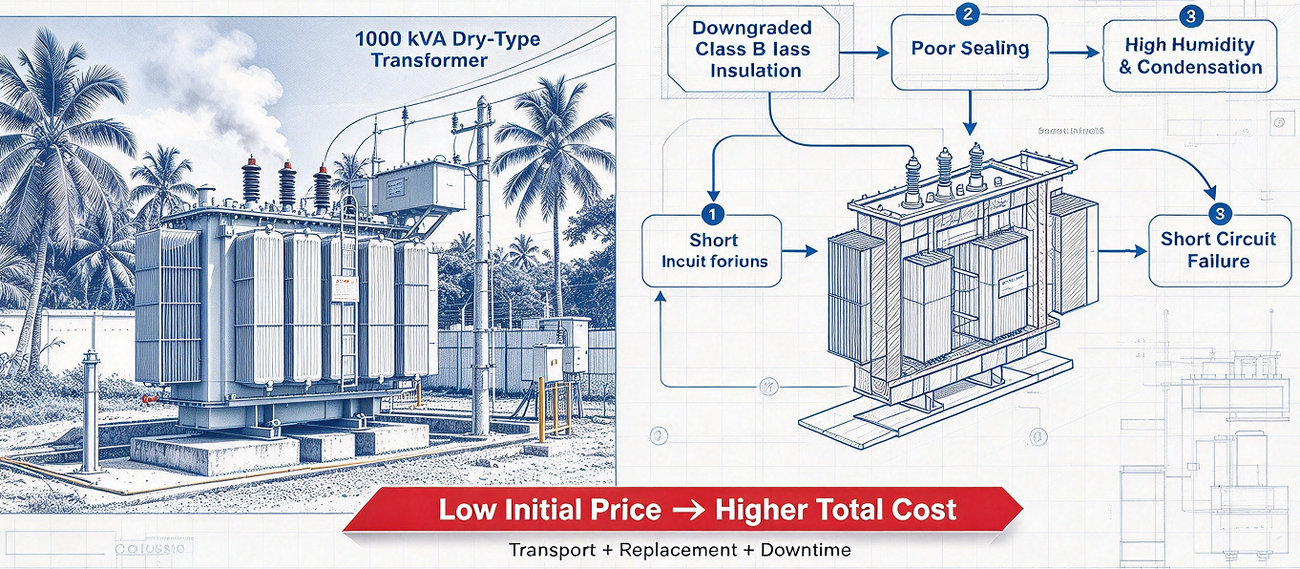
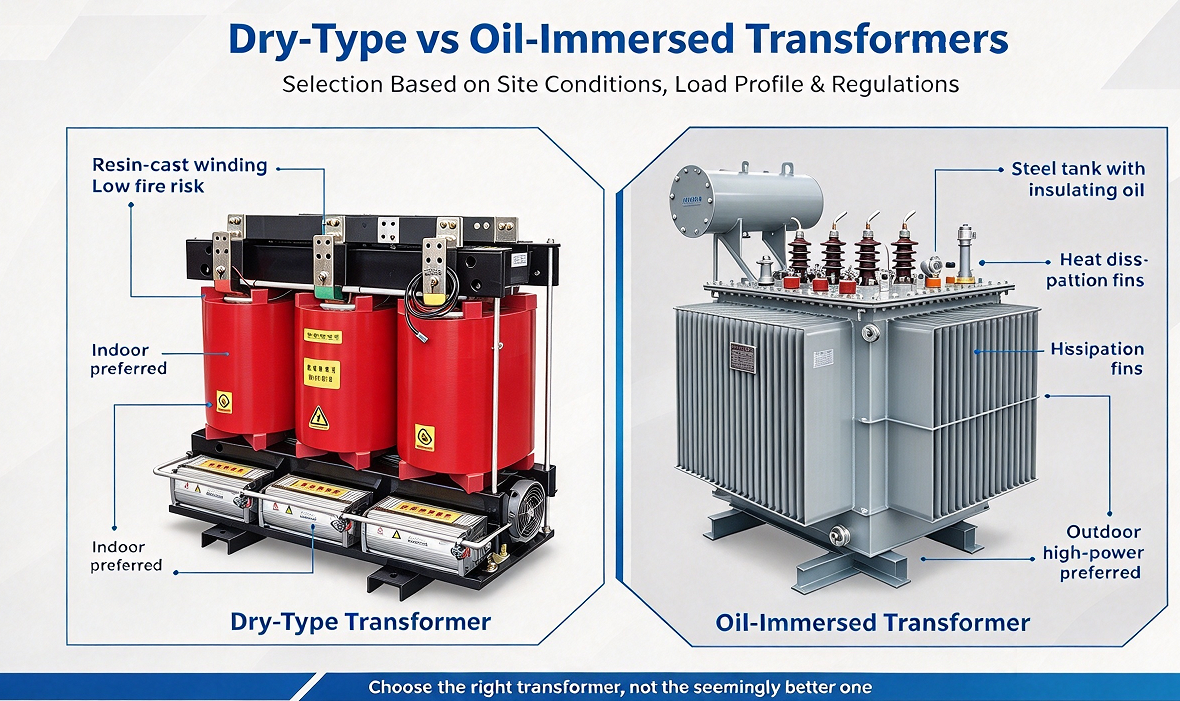
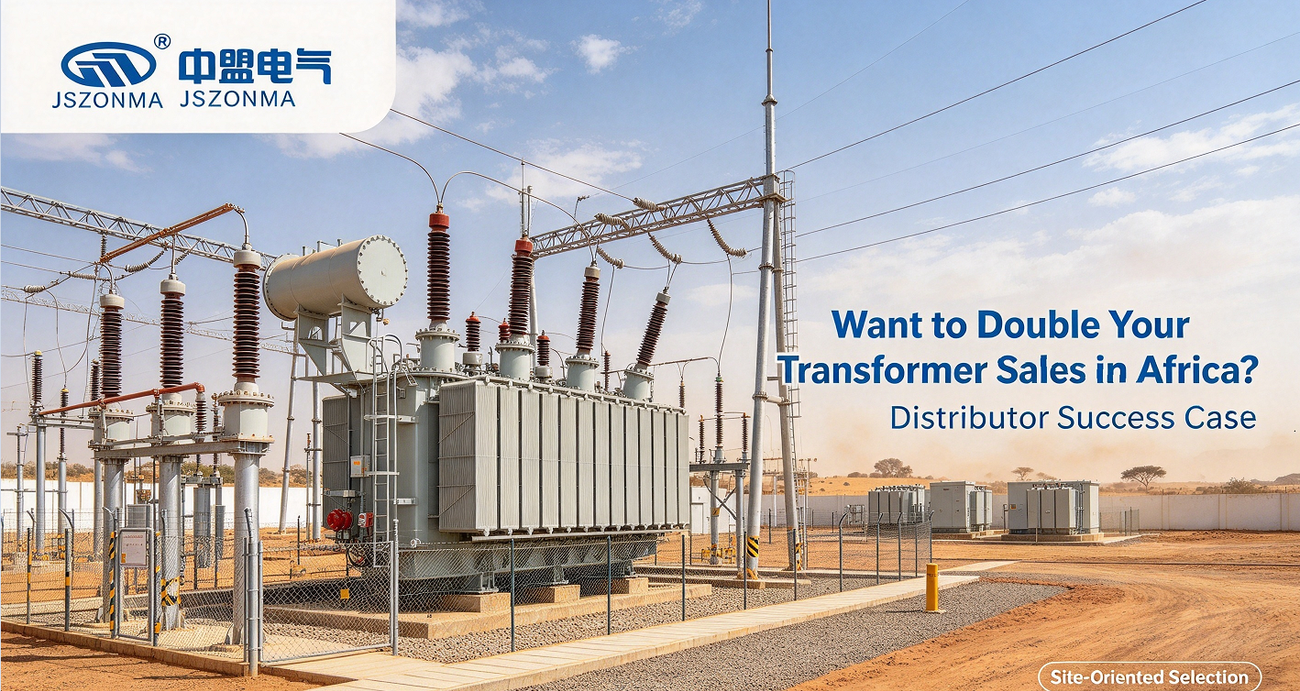
An African engineering project purchased a low-priced 1000 kVA dry-type transformer because it was about 30% below the normal market price for a similar rating. The unit worked for only two years before a coil insulation failure caused smoke on site.
After inspection, the problem was traced to inferior construction. The machine used downgraded Class B insulation, with a temperature rating of only 130°C. Its sealing structure was also poor. In a tropical climate with high humidity, internal condensation developed easily, eventually leading to a short circuit and total failure.
By the time the customer replaced the unit and paid for transport, the total cost was nearly double the original saving.
Note: Standard epoxy-cast dry-type transformers normally use Class H insulation. Class B in this context indicates a non-standard, cost-reduced design rather than a mainstream industry solution.
Case 2: The Oil-Immersed Transformer That Remained Stable for Eight Years
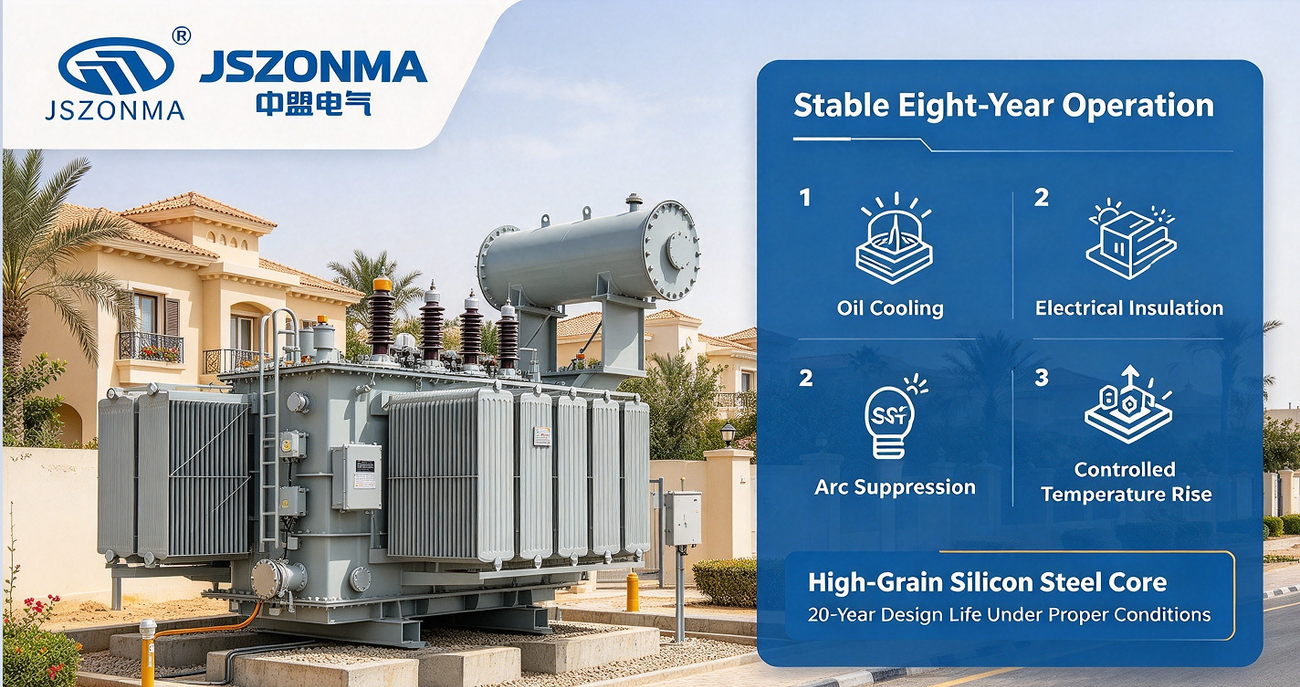
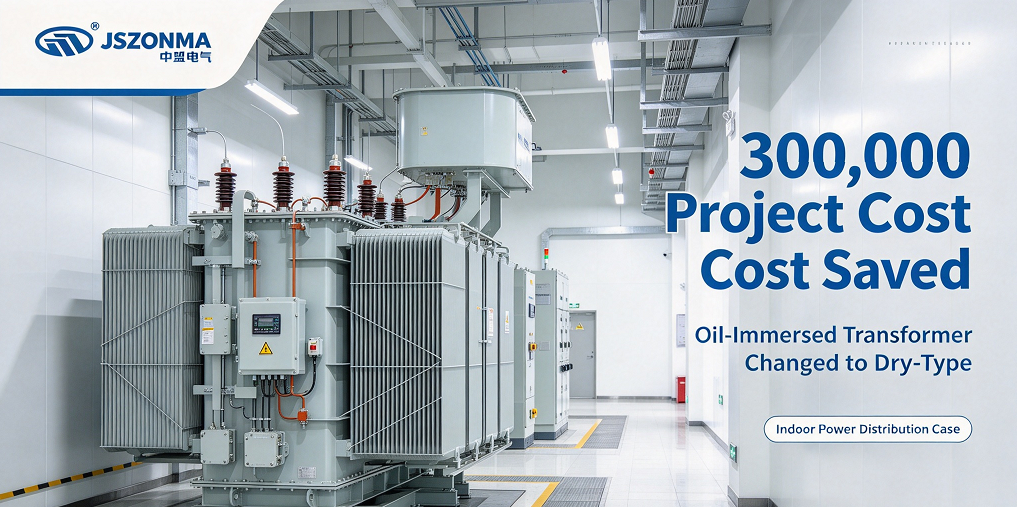
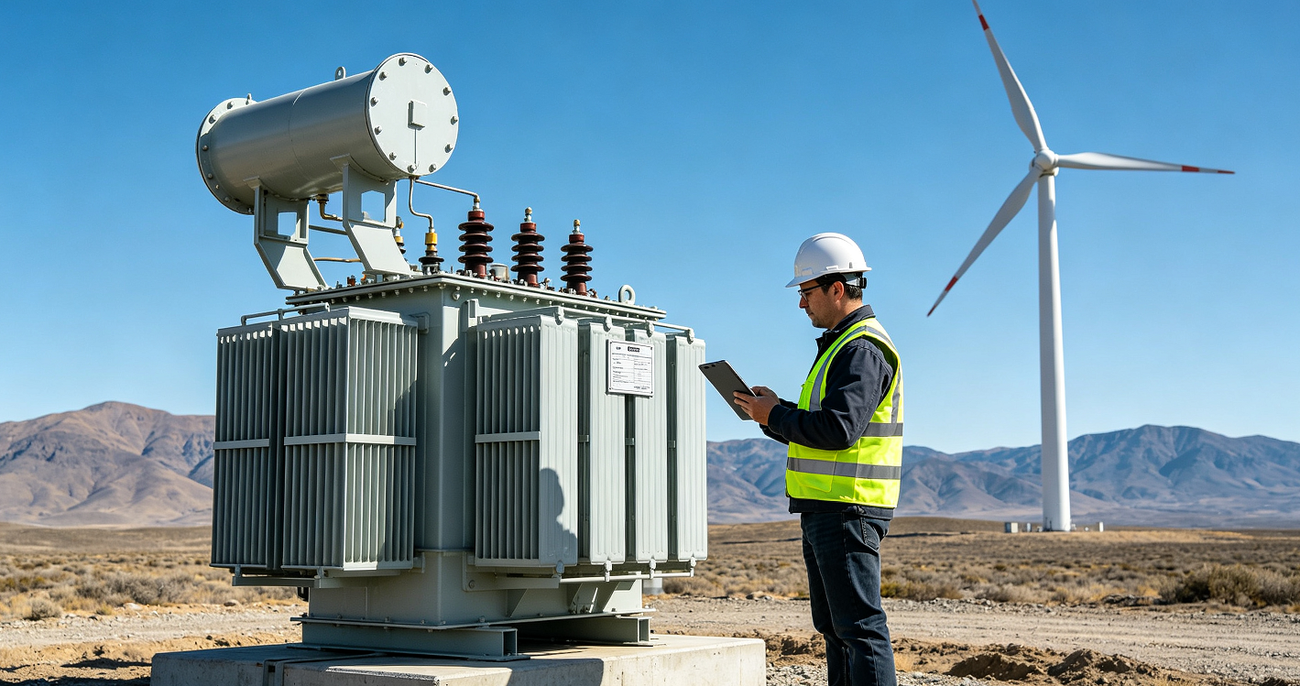
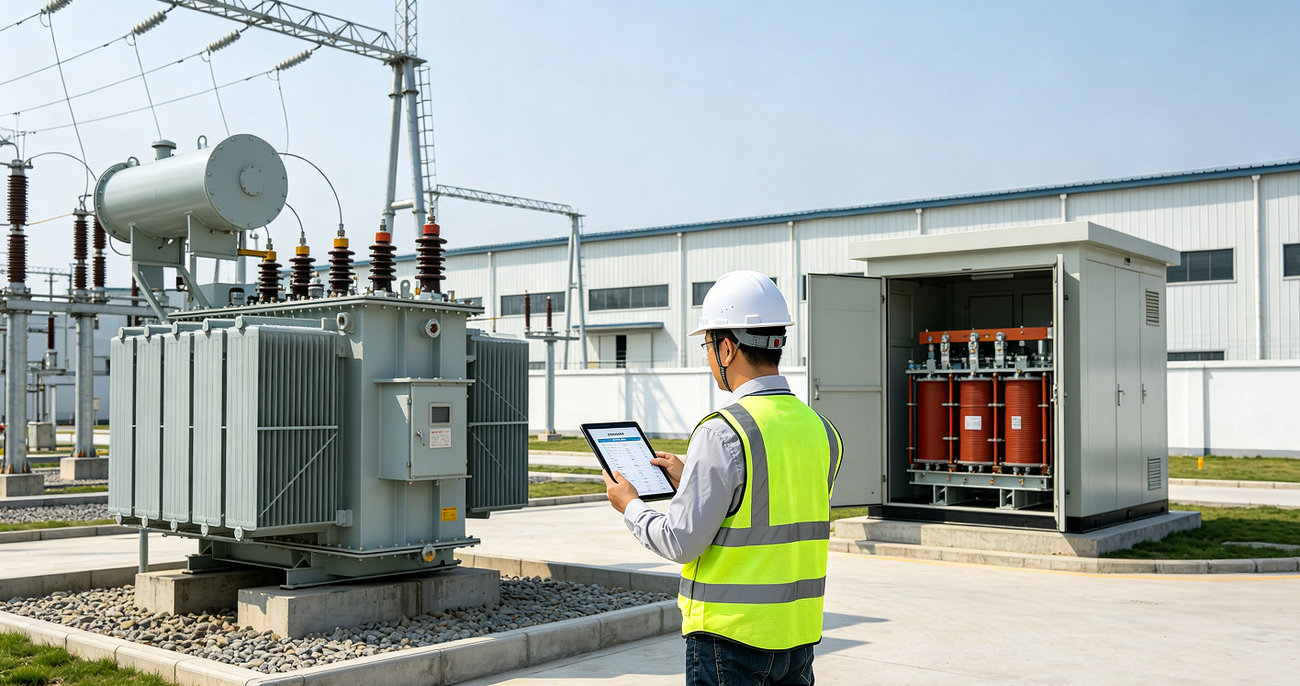
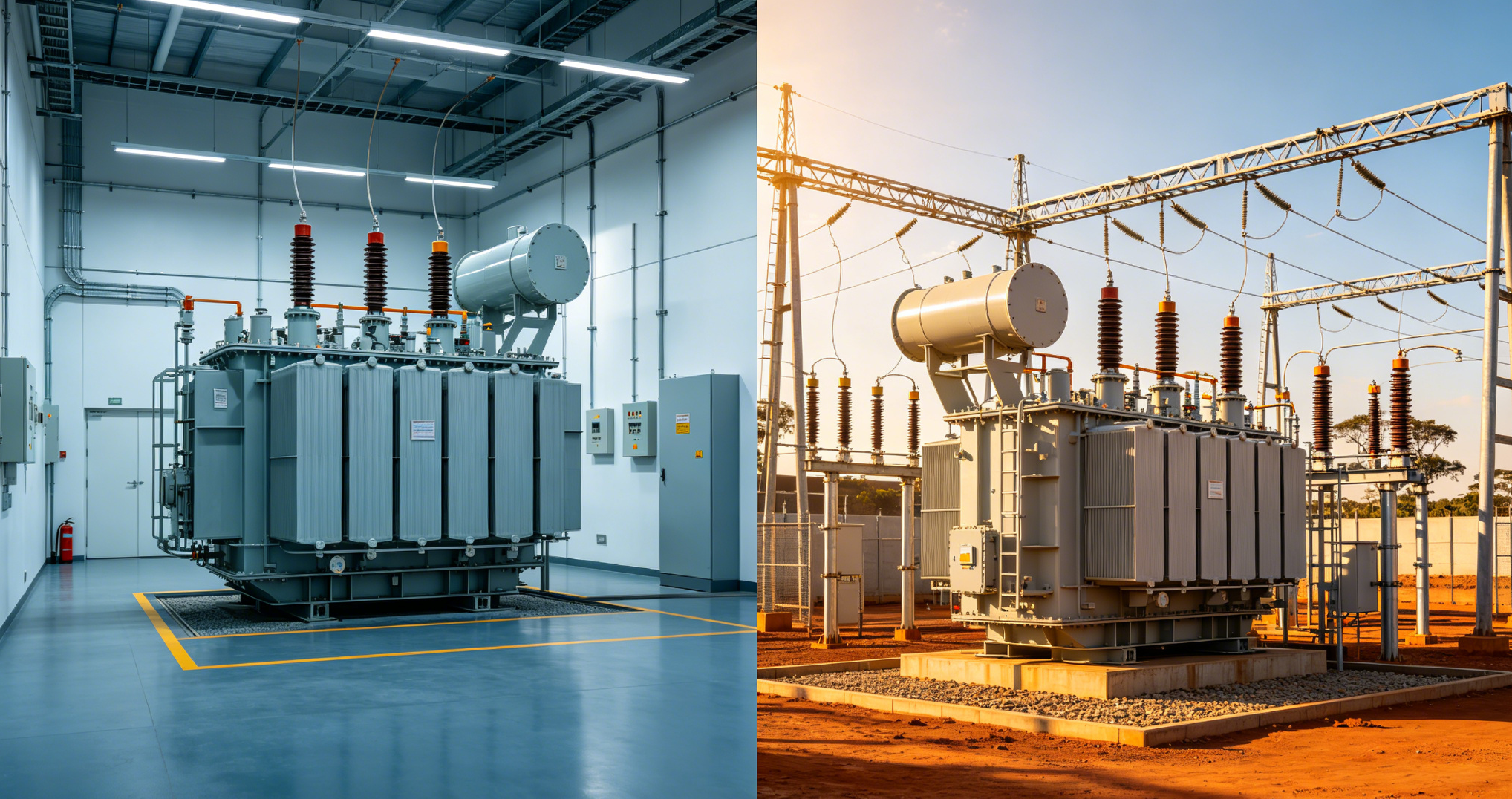
A Middle East villa distribution project selected one of our oil-immersed transformers. While it was not the cheapest quote, the unit completed eight years of continuous operation with stable performance.
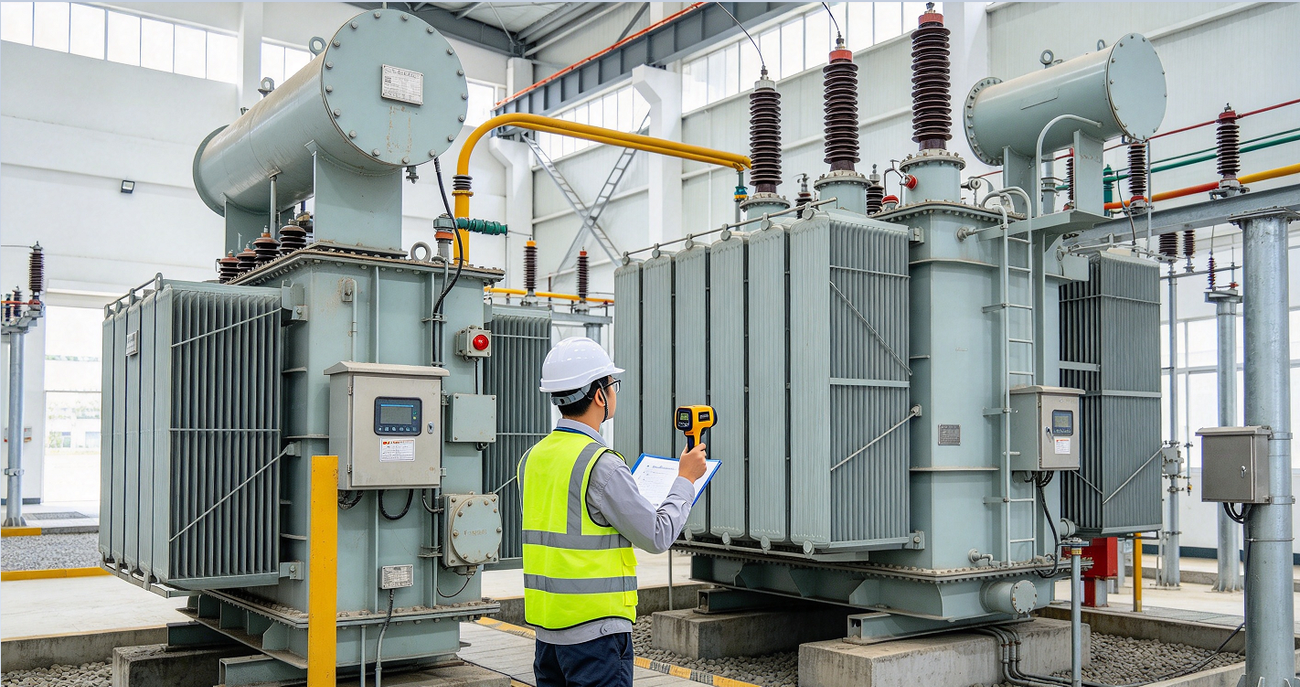
Oil-immersed transformers use insulating oil for heat removal, electrical insulation, and arc suppression. When supported by a well-designed tank, cooling system, and quality accessories, they can operate reliably in harsh conditions. The core is made of high-grade grain-oriented silicon steel, which helps reduce losses and control operating temperature rise. Windings use high-conductivity conductors and can be customized according to project requirements. Under proper operating and maintenance conditions, the design life can reach 20 years.
Engineering Insight: Insulation Aging and Life Expectancy
One important engineering point is often misunderstood: transformer life is closely related to insulation aging.
For traditional Class A organic insulation, there is an empirical temperature-life relationship, but it cannot be generalized to epoxy resin or other insulation systems. The key principle is simpler and more universal: the higher the operating temperature, the faster insulation ages and the shorter the actual service life.
Low-cost transformers sometimes cut cooling margins. If a unit runs significantly hotter than normal, insulation stress increases, and service life can be reduced substantially.
Conclusion: Look Beyond the Unit Price
When selecting a transformer, do not evaluate quotations only by the initial figure on the proposal.
Consider the following:
- Specification alignment: Is the quotation for the same rating, voltage ratio, connection group, cooling method, and service conditions?
- Insulation system: Is it a standard insulation class for the application, or a cost-reduced non-standard solution?
- Cooling design: Are the temperature rise margins and cooling capacity appropriate for the site?
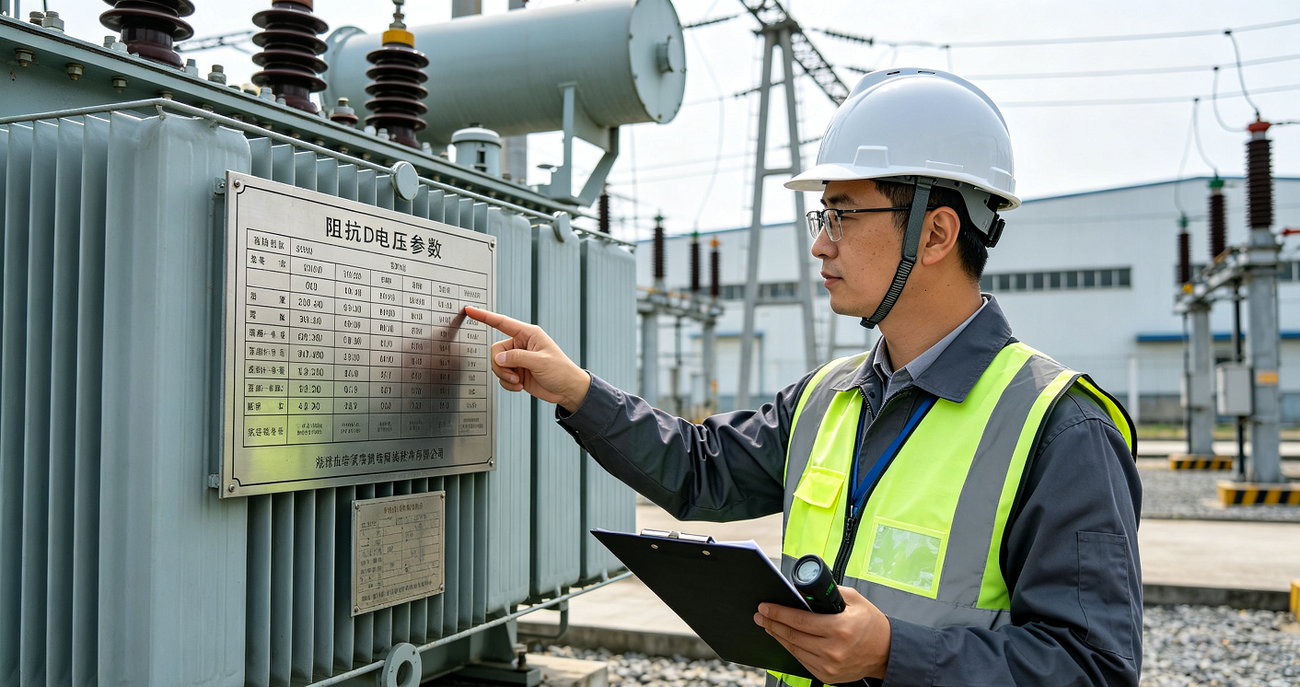
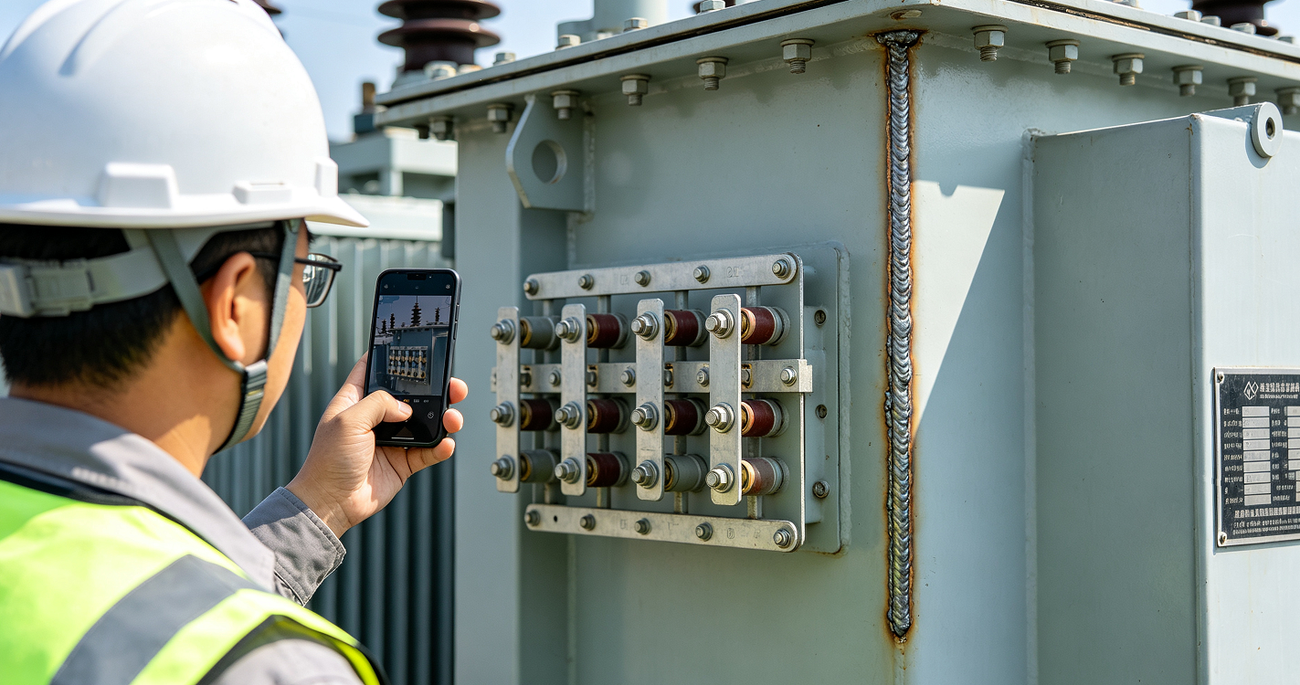
- Build quality: Are the winding conductors, core material, sealing structure, and accessories suitable for the project environment?
- Total cost: Include maintenance, unexpected failure, downtime, transport, and early replacement in the comparison.
A slightly higher initial quotation may reduce long-term risk. The cheapest unit can become the most expensive choice if it fails early in a harsh environment.
Follow us for the next article, where we explain five hidden costs in transformer procurement contracts.
https://www.facebook.com/unitatransformer