 +86 18751738721
 sales@unitatransformer.com
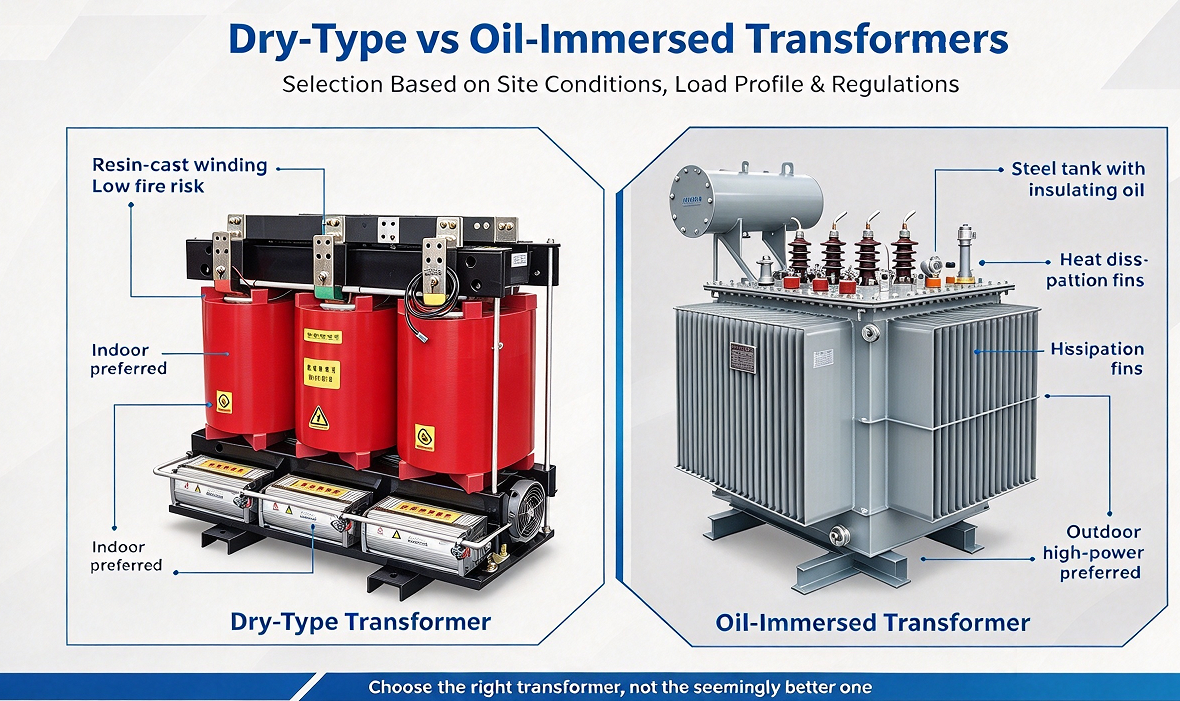
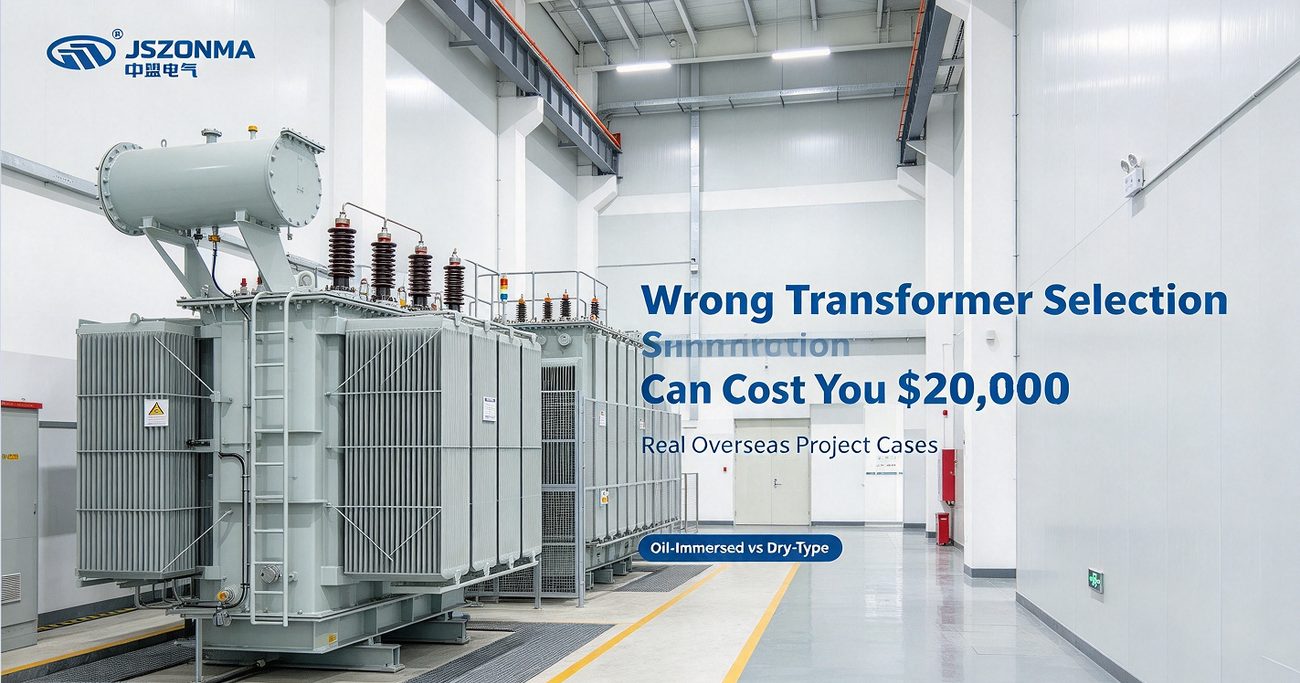
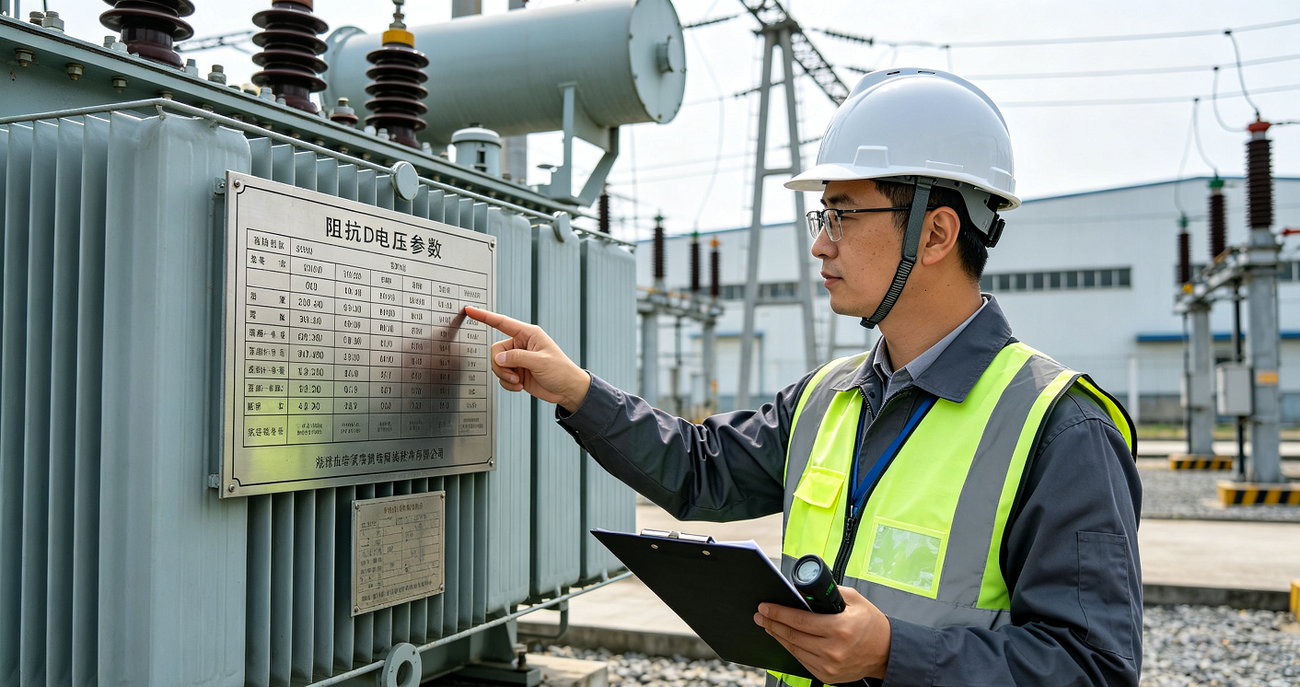
For power project procurement, one of the costliest mistakes is transformer mis-selection. The risk may not be obvious in the initial quotation, but it can lead to premature equipment failure, extra fire-protection modification, unplanned downtime, and higher total project cost.
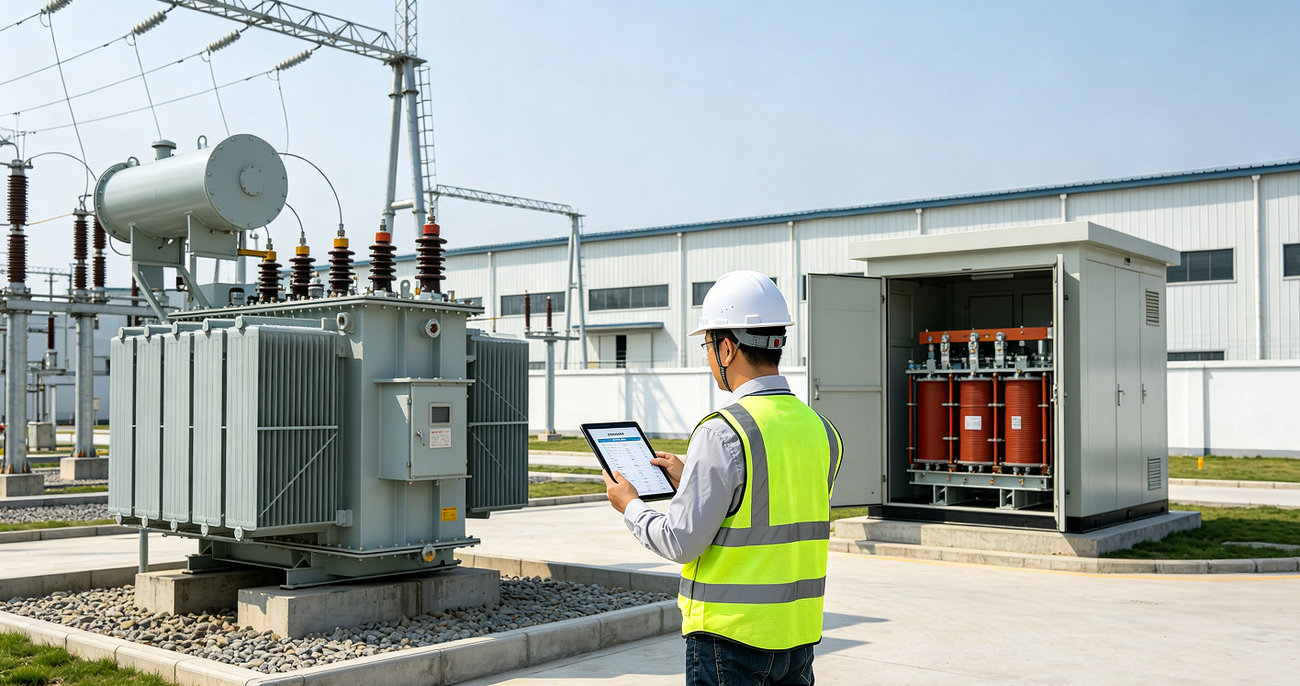
How do you choose between dry-type and oil-immersed transformers? Below we compare three key dimensions: cost, service life & maintenance, and application scenarios.
1. Cost Reference
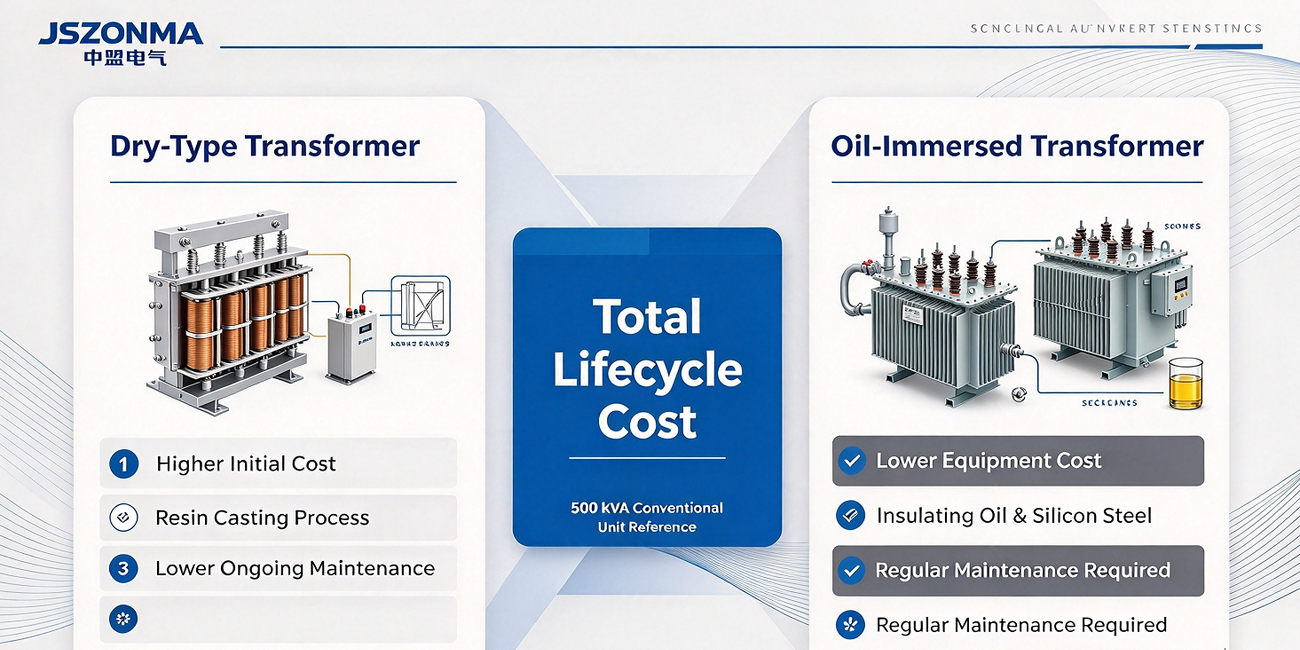
Take a conventional 500 kVA unit with the same voltage class and winding configuration as a reference. In general, the dry-type transformer has a higher initial purchase cost, typically 30% to 40% more expensive than the oil-immersed model.
This difference mainly comes from the resin casting process and higher material cost of dry-type transformers. Oil-immersed transformers usually have a lower equipment cost, but they require ongoing maintenance throughout their service life.
Important reminder: Total cost evaluation should not focus only on the equipment price. It should also include civil works, fire protection, routine maintenance, and downtime risk over the project lifecycle.
2. Service Life & Maintenance Reference
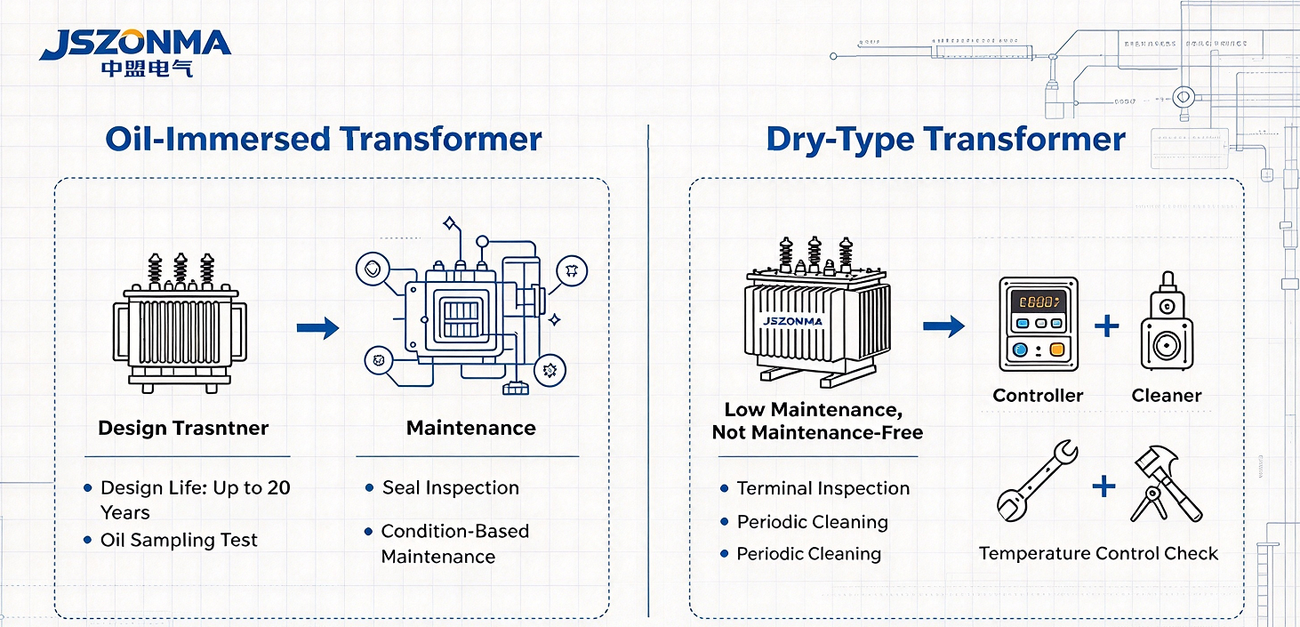
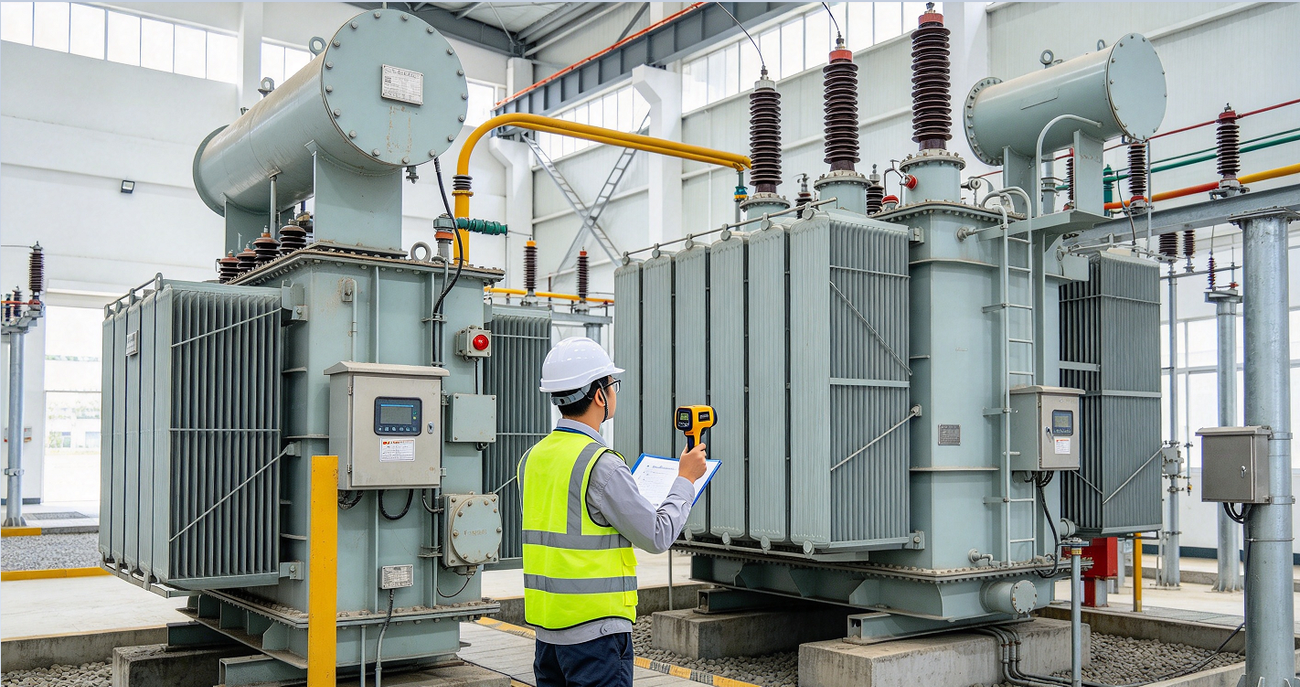
Oil-immersed transformers have a typical design life of up to 20 years under proper operating and maintenance conditions. To achieve this, oil sampling tests, seal inspections, and replacement of aging parts should be carried out regularly.
Dry-type transformers are low-maintenance, but not maintenance-free. They still require periodic cleaning, inspection of connection terminals, and checks on temperature-control and cooling systems.
When overload occurs, insulation aging accelerates in both dry-type and oil-immersed transformers. The actual aging rate depends on the overload level, duration, ambient temperature, and cooling conditions.
Partial discharge is a key acceptance indicator for dry-type transformers. Different voltage classes follow different requirements. For formal project acceptance, the limits should be checked according to the applicable standard, such as IEC 60076-11.
3. Application Scenario Reference
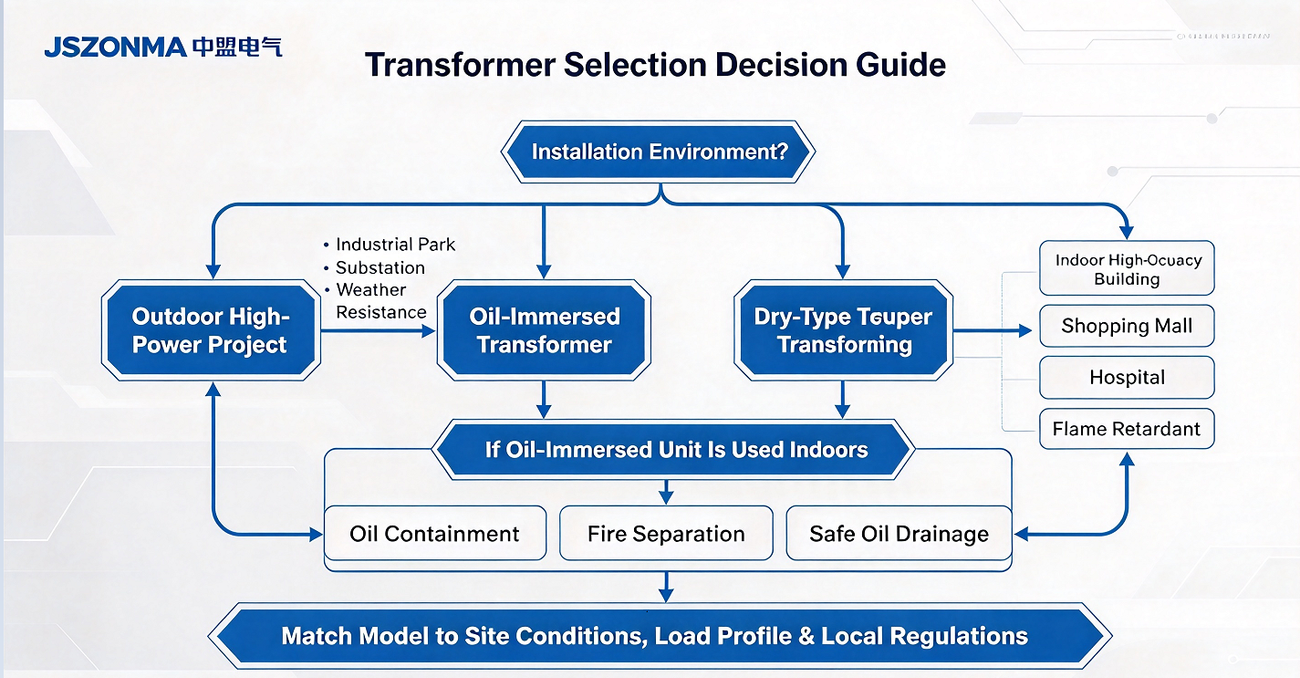
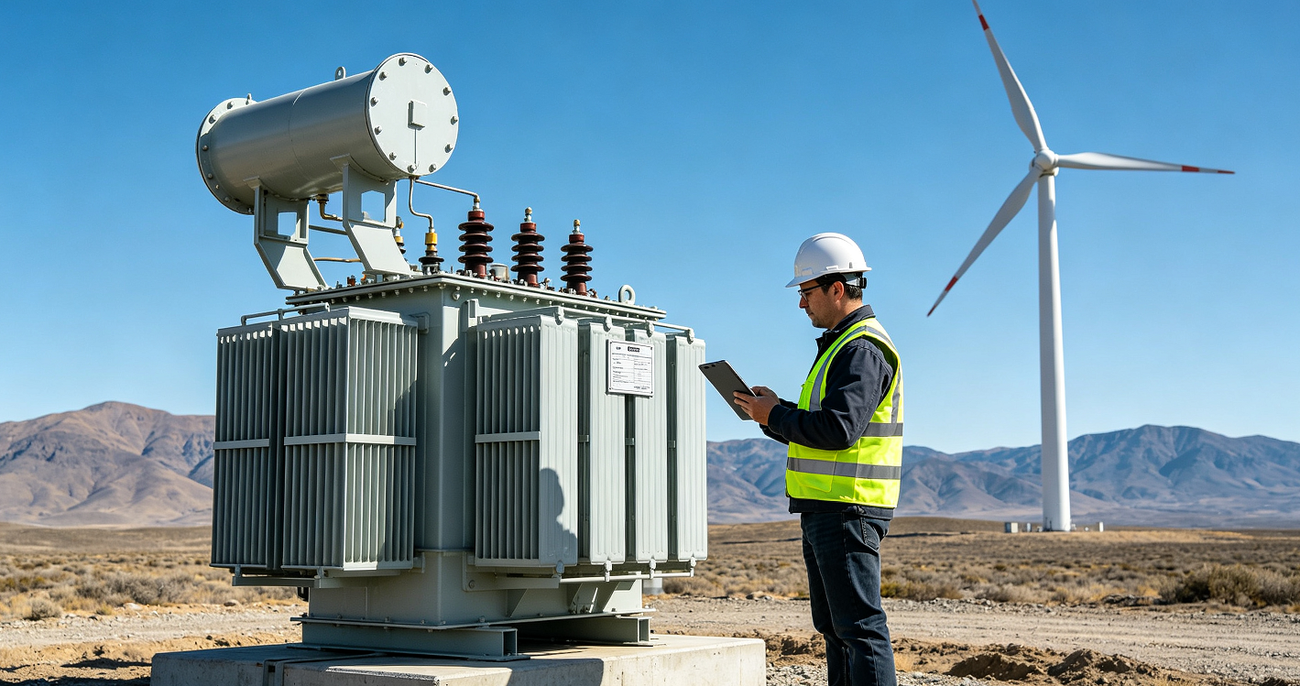
For high-power outdoor projects such as industrial parks and substations, oil-immersed transformers are often the preferred choice in engineering practice.
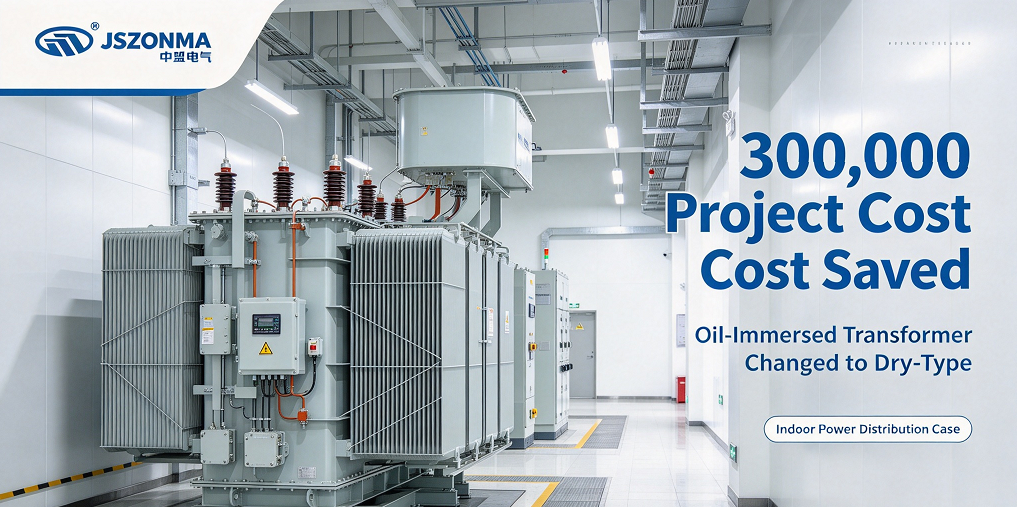
For indoor locations with high personnel density, such as shopping malls and hospitals, dry-type transformers are widely preferred. If an indoor project must use an oil-immersed transformer, it must be supported by complete fire-protection measures, including oil containment, fire separation, and safe oil drainage arrangements, to meet local electrical and fire-safety regulations.
Oil-immersed transformers contain flammable insulating oil. In the event of a fault fire, the flame can spread rapidly. Dry-type transformers are flame-retardant, so the fire spread risk is significantly lower.
Conclusion: Three Core Selection Criteria
There is no absolute rule that the more expensive model is always better, or that the cheaper option is always sufficient. The correct choice depends on project conditions.
When selecting a transformer, confirm these three core criteria:
- Installation environment: indoor or outdoor, site space, personnel density, and whether oil containment and fire-protection facilities can be installed.
- Operating conditions: average annual load rate, overload risk, ambient temperature and humidity, and local grid fluctuation.
- Project constraints: initial equipment budget, on-site maintenance capability, and local electrical and fire-safety regulations.
You can provide these requirements to suppliers and use them as a checklist for proposal comparison. This helps reduce selection risk and avoid hidden costs later.
Follow us for the next article, where we break down five hidden charges in transformer procurement contracts.
https://www.facebook.com/unitatransformer
One thought on “Dry-Type vs Oil-Immersed Transformers: How to Choose the Right Model”
Comments are closed.