+86 18751738721
 sales@unitatransformer.com
Most buyers assume that once a transformer model is selected and connected, it will run reliably. This is a misunderstanding. The tap changer, which is often overlooked, is actually one of the critical factors that determines long-term service life and operational stability.
Why the default tap position often causes problems
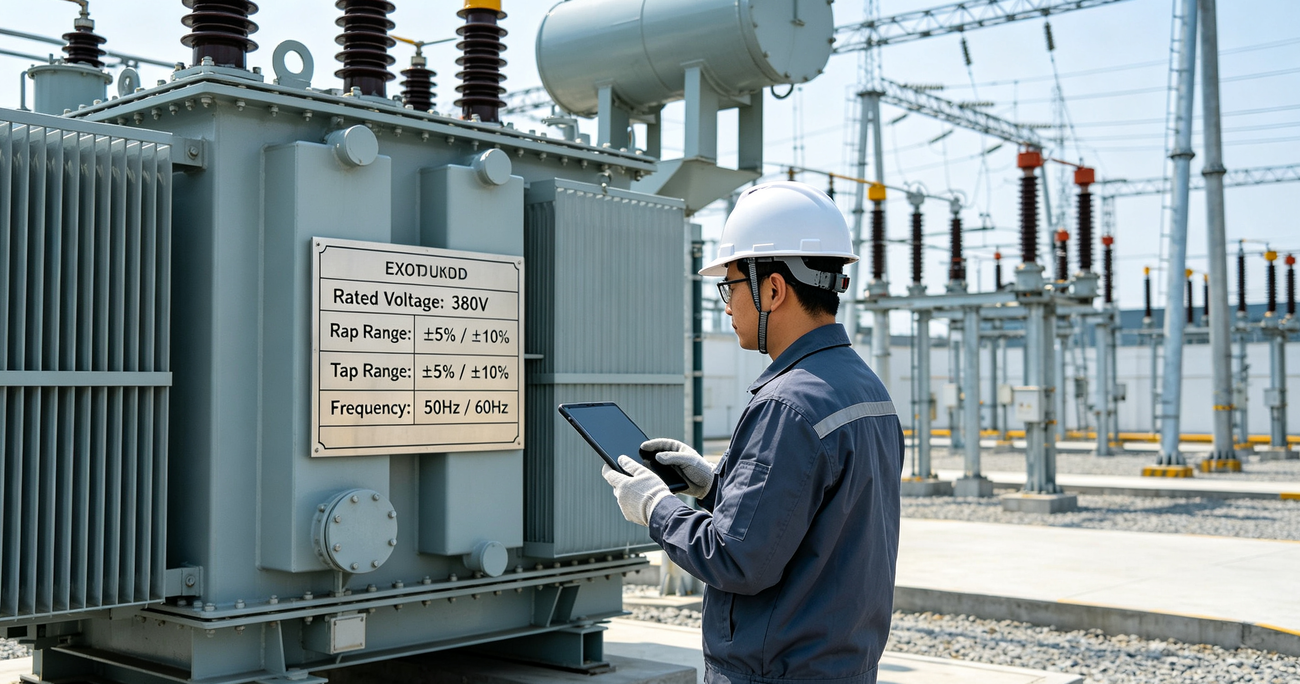
The rated voltage shown on the transformer nameplate refers to the standard design operating voltage. However, in many actual power networks, the local grid voltage may deviate from the rated value by 3% to 5% for a long time.
Conventional distribution transformers usually have a 5-position tap changer, covering a typical range such as ±2×2.5%. From the factory, most units are set to the middle position by default.
If the local grid voltage remains continuously higher or lower than the transformer’s rated voltage, this default setting may become a hidden cause of abnormal stress, overheating and even failure.
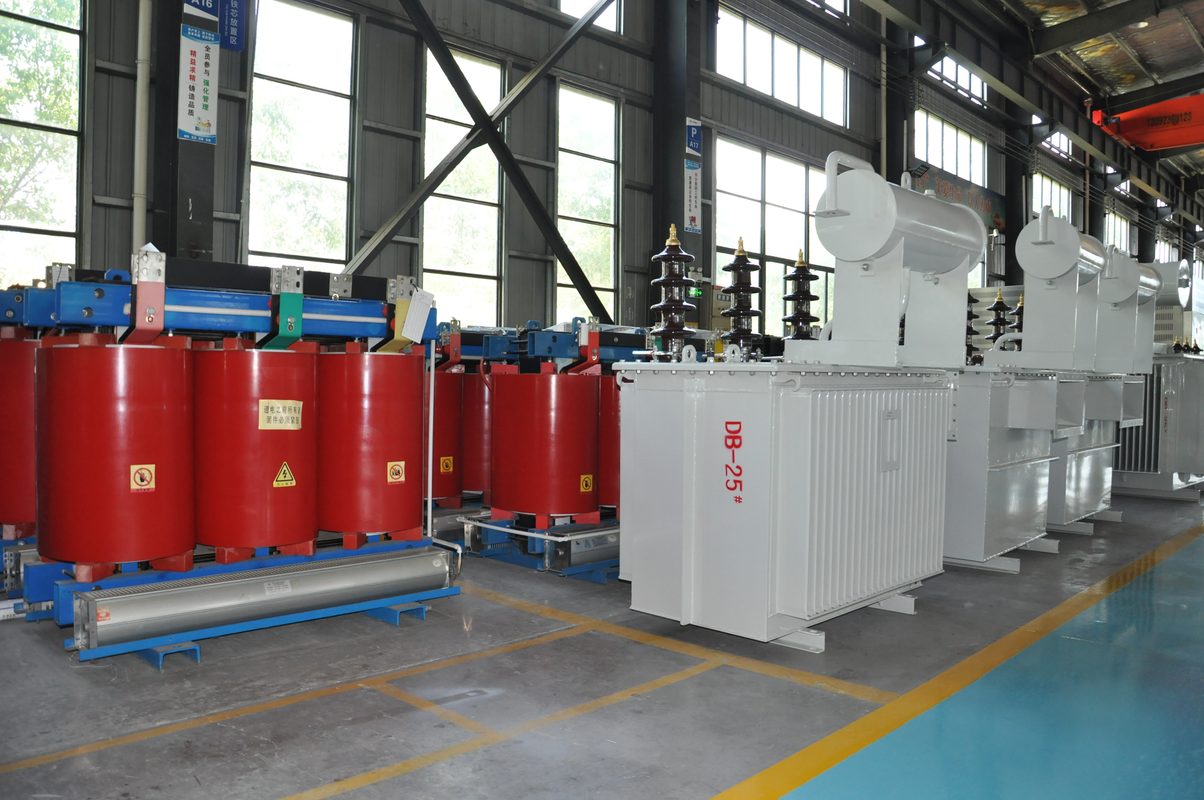
The real case: 30 transformers, 7 to 8 burnouts in less than one year
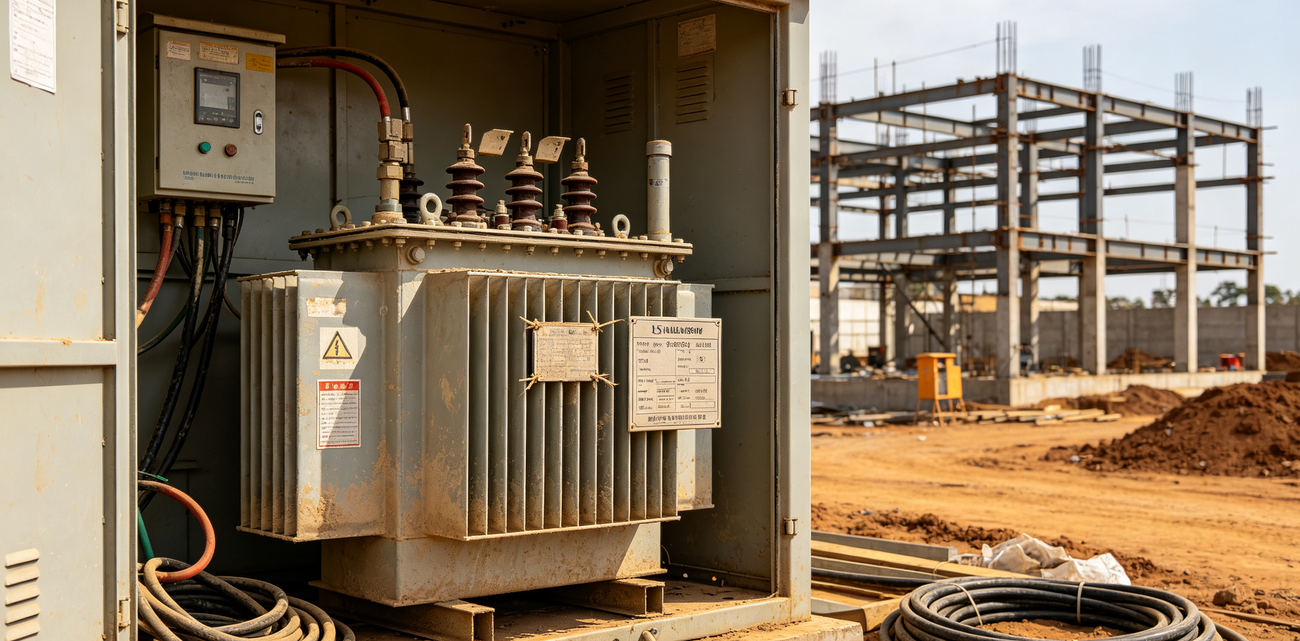
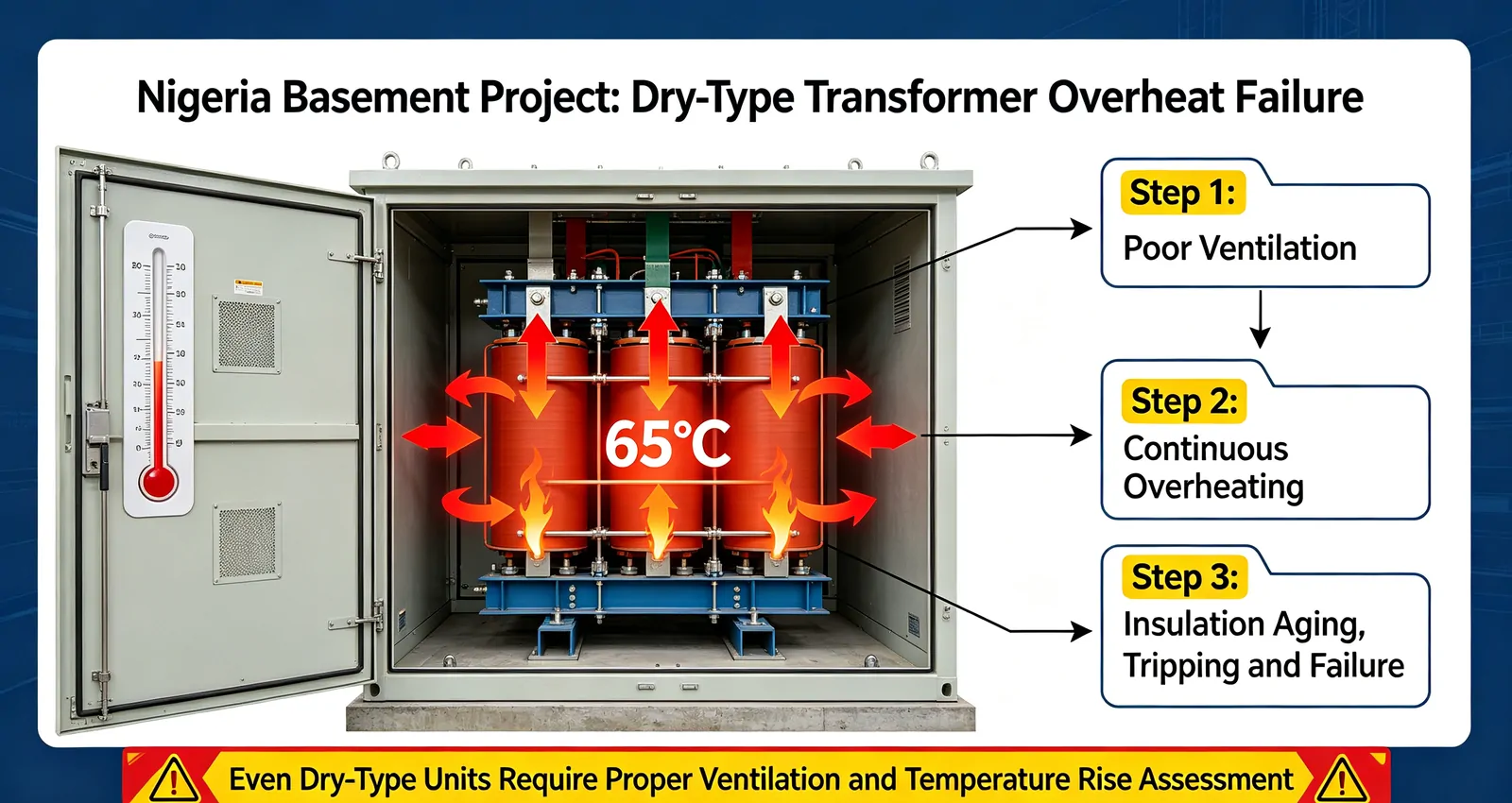
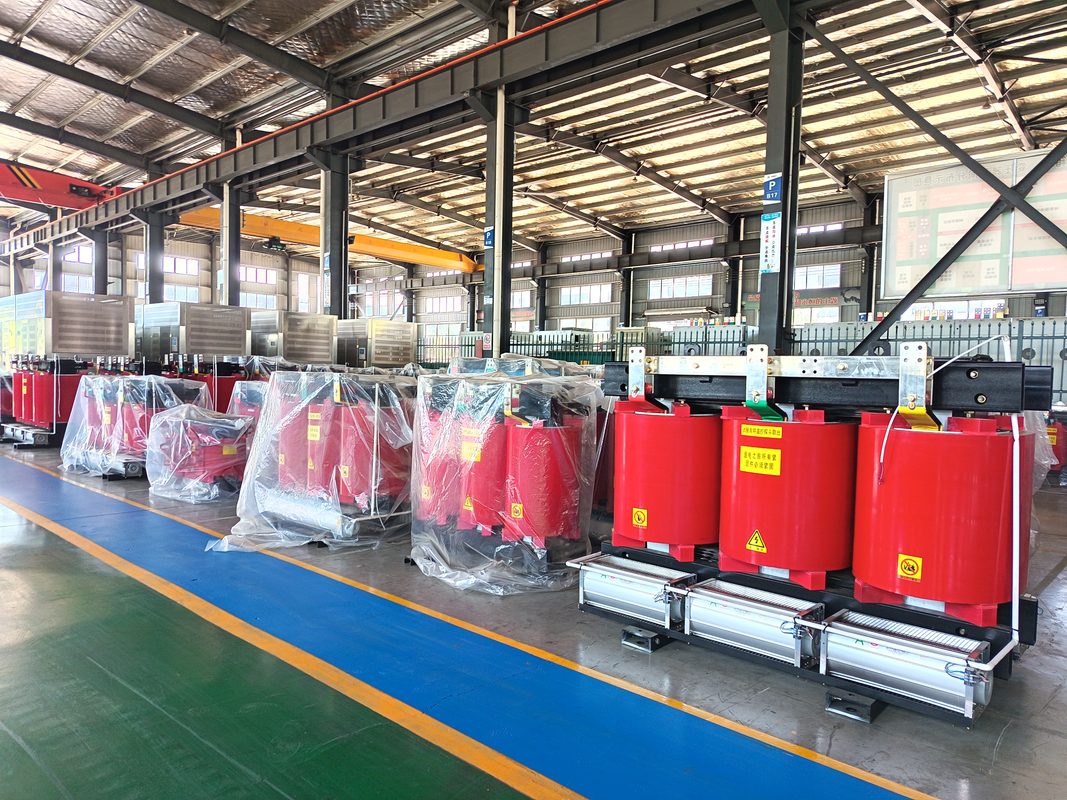
I witnessed a real project where 30 dry-type transformers were installed on site. Within less than one year, 7 to 8 units burned out.
After investigation, we found that all tap changers were still in the factory default position, while the local grid voltage had been running about 5% above the rated value for a long time.
This condition caused the transformers to operate continuously in an overexcited state. The core tended to saturate, the excitation current increased, the winding and insulation temperature stayed high, and insulation aging accelerated significantly. Under this kind of sustained electrical and thermal stress, failures became inevitable.
The solution: match the tap position to the actual grid voltage
Our solution was very straightforward.
First, we verified the actual site grid voltage and the transformer nameplate ratings. Then, following the correct procedure, we adjusted the tap changer to the position that matched the actual operating condition, in order to bring the transformer’s operating voltage into the proper range.
After this adjustment, the same batch of transformers no longer experienced repeated overheating and burnout failures. The failure rate dropped from 8% to less than 1%.
This is not advanced repair work. It is basic electrical commissioning knowledge. Yet it is a detail that many distributors, contractors and even some field operators easily ignore.
Why this detail matters more than you think
If the transformer operates under a persistent voltage mismatch, it does not always show an obvious fault immediately. Instead, it may run with invisible extra stress for months or even years.
Long-term overexcitation can lead to:
- higher excitation current
- increased core and winding temperature
- accelerated insulation aging
- partial discharge risk
- shorter service life
- unexpected burnout and unplanned downtime
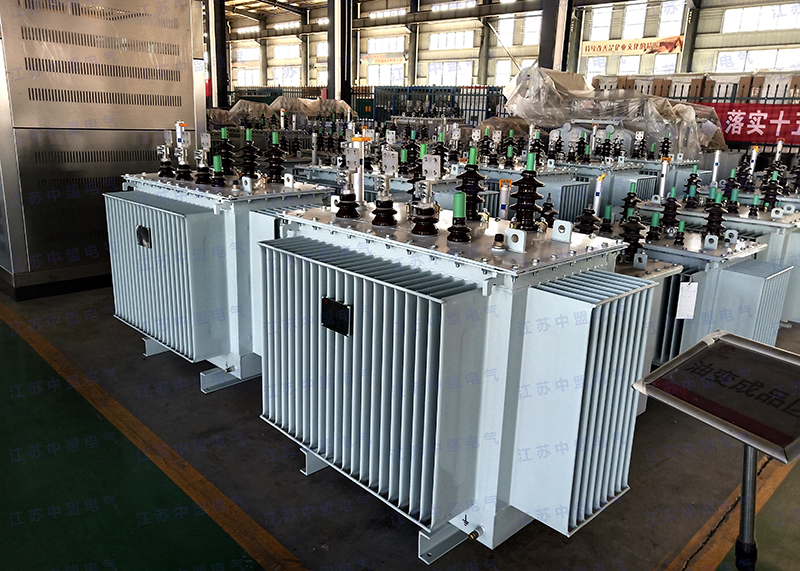
In many overseas projects, the cost of a single transformer failure is far higher than the equipment itself once you include installation, replacement, construction delay and contractual penalties.
Important safety note
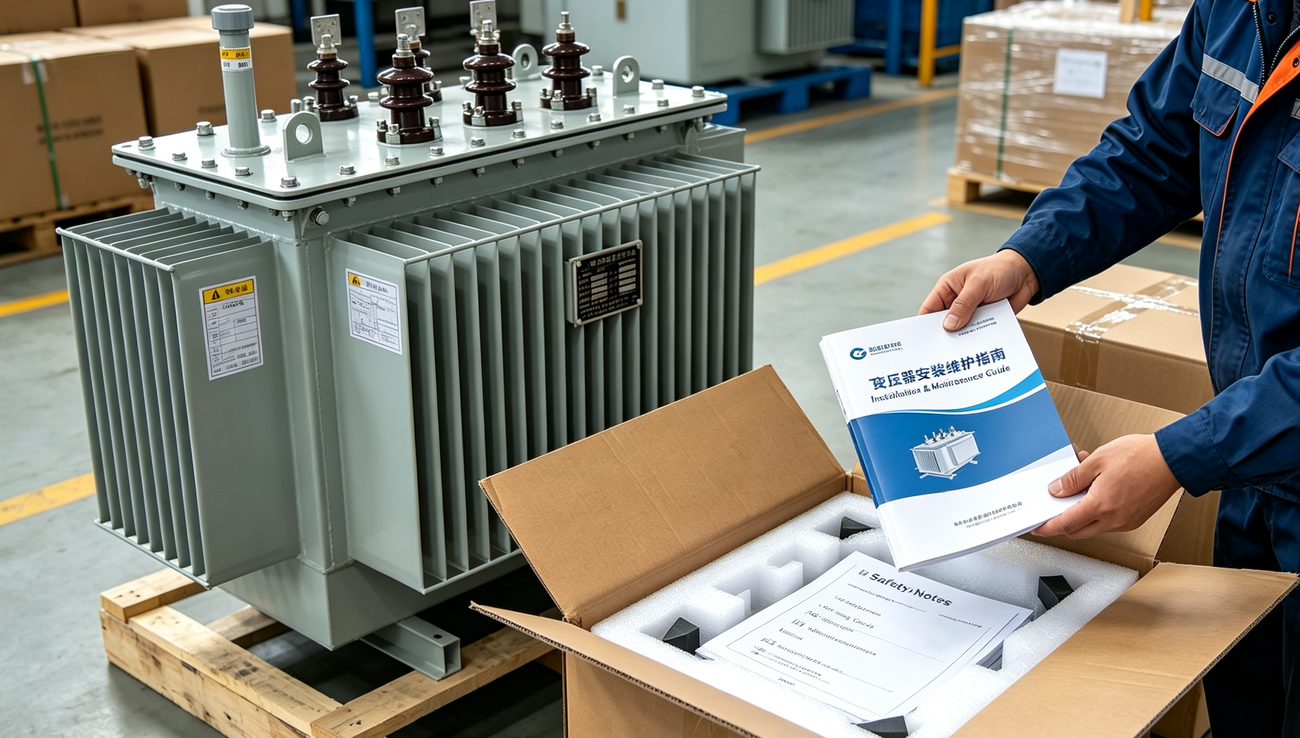
Tap changer adjustment must only be performed after the transformer is completely disconnected from all voltage sources. It must be carried out by qualified electrical personnel in accordance with local safety rules and the manufacturer’s instructions.
Do not attempt to change tap positions while the transformer is energized.
Final takeaway
For many overseas distributors and EPC teams, transformer reliability is often judged only by brand, price and nameplate capacity. But in reality, one of the most common root causes of premature failure is much simpler: a tap changer that does not match the local grid voltage.
A more expensive transformer is not always a better transformer. The best transformer is the one that is properly selected, correctly commissioned and matched to the actual grid condition.
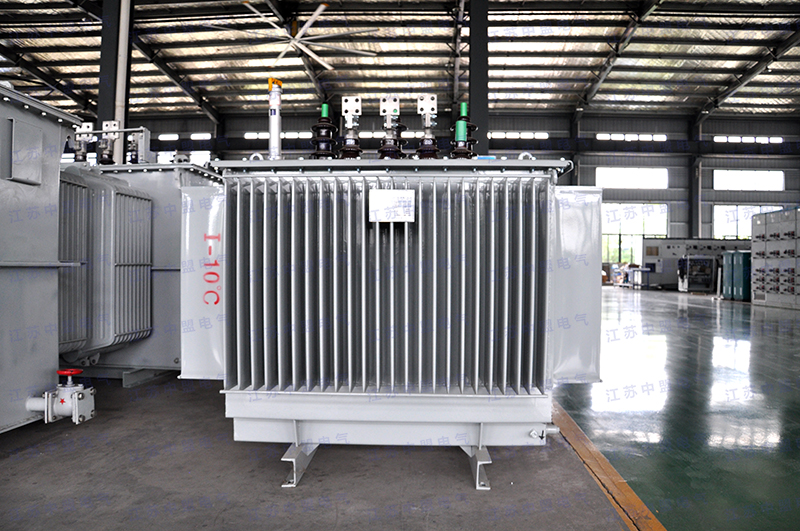
If you need our tap changer setting guide and transformer commissioning checklist for your overseas project, leave the word TAP in the comment section.
Follow us for more practical field knowledge from our transformer export team.