+86 18751738721
 sales@unitatransformer.com
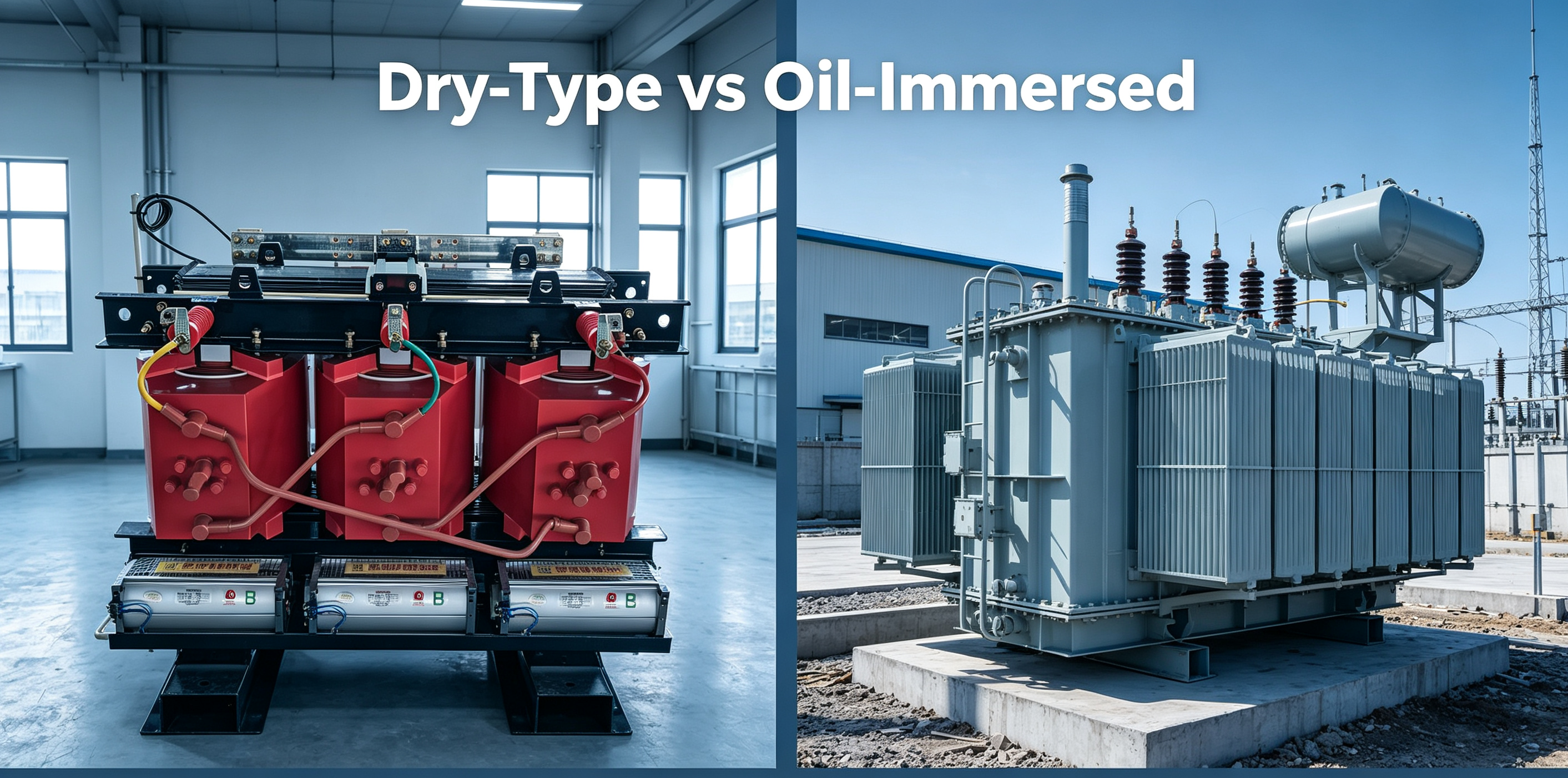
Many overseas distributors, contractors, and project owners treat transformer selection like gambling. Choosing between oil-immersed and dry-type transformers often relies on guesswork rather than engineering standards.
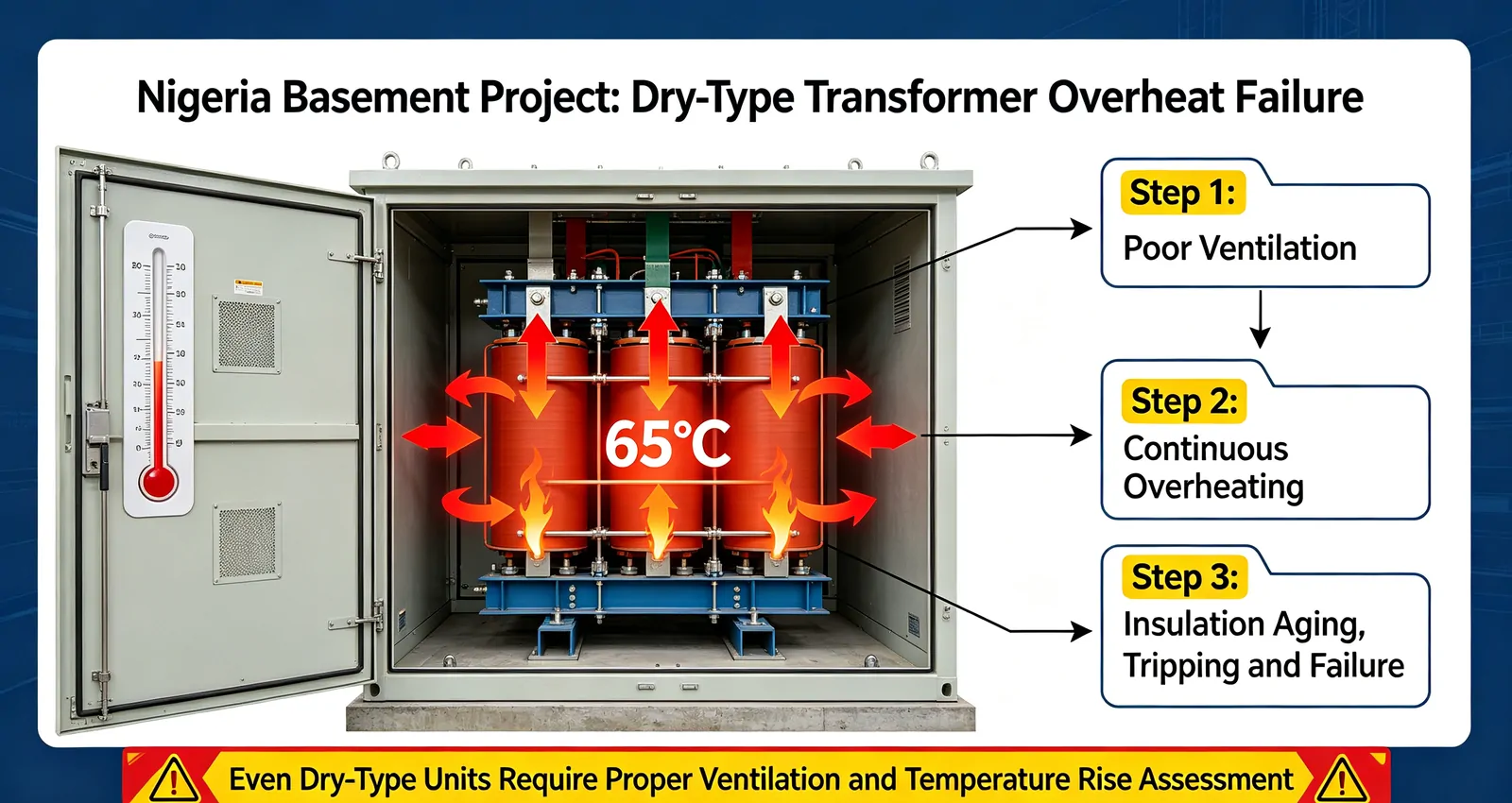
Which type fits indoor installation? Which works better for outdoor sites? Wrong choices frequently cause overheating, continuous tripping, unstable power supply, and extremely high rework costs.
To eliminate blind selection, we share a standard 3-minute transformer selection table tailored for Middle Eastern, African, and global overseas projects. You can match your project conditions directly to avoid almost all selection mistakes.
Oil-Immersed vs Dry-Type Transformer: Official Selection Table
| Selection Dimension | Dry-Type Transformer | Oil-Immersed Transformer |
|---|---|---|
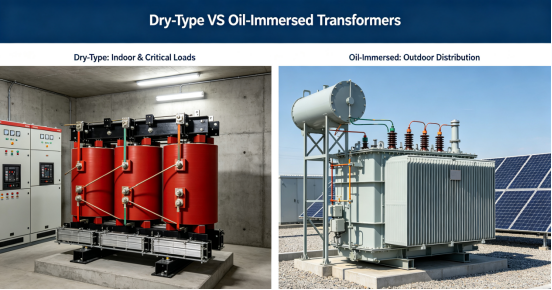
| Installation Environment & Fire Requirement | Indoor, building interior, closed substationZero fire risk, flame-retardant, fully compliant with strict international fire codes. Mandatory for high-rise, residential, and densely populated project sites. | Outdoor, open yard, well-ventilated areaSuitable for open-field installation with lower fire restrictions, ideal for outdoor industrial and rural power distribution. |
| Power Capacity (kVA) | Perfect for small to medium power below 800kVACompact size, clean operation, more suitable for community and commercial distribution. | Better performance for large power above 800kVASuperior heat dissipation structure, stable continuous load capacity, longer service life for heavy-duty operation. |
| Maintenance Demand | Low maintenanceNo insulating oil, no leakage risk. Only regular dust cleaning and fan function inspection required. | Regular maintenance requiredNeed periodic oil quality testing, oil replacement, and sealing leakage inspection to ensure long-term stability. |
| Overload Tolerance | Standard short-term overload capacity, limited thermal buffer. | 10%–15% higher overload capacityStronger thermal tolerance, capable of sustaining temporary peak load surges in grid-fluctuating regions. |
| Project & Budget Feature | Higher unit price, fire-safe, code-compliant for high-standard EPC projects | Cost-effective, lower upfront cost, more competitive for outdoor large-scale power projects |
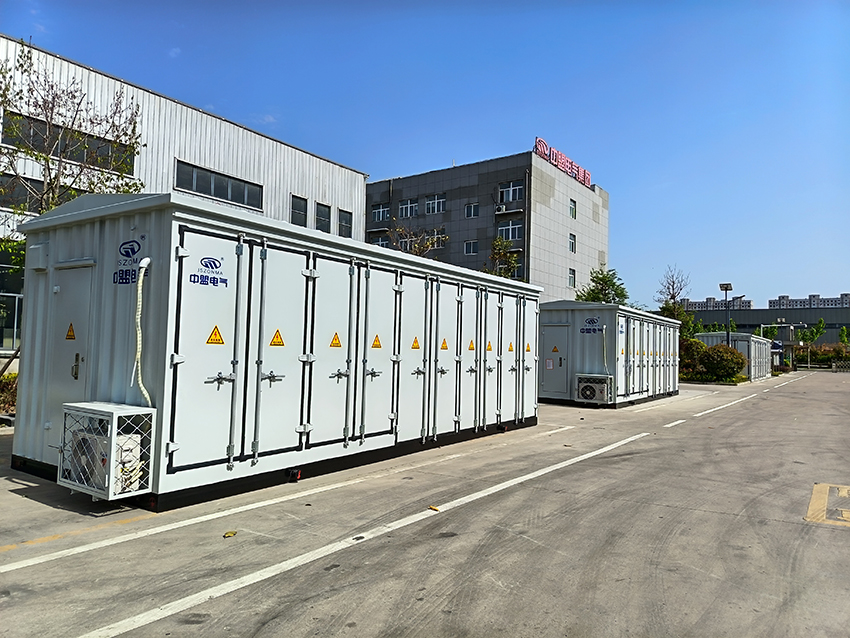
Core Selection Logic No One Tells You
Most buyers only compare prices, ignoring environmental adaptability and load characteristics — this is the root of wrong selection.
Dry-type transformers are not “better”. They excel in fire safety and zero-leakage performance, which is why many European, Middle Eastern, and urban overseas projects explicitly require dry-type units for indoor installation.
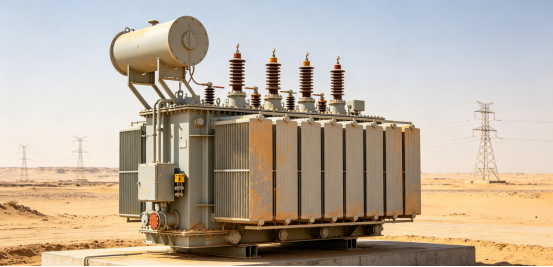
Oil-immersed transformers are not “outdated”. With stronger heat dissipation and higher overload resistance, they perform far more stably under long-term high-load operation and volatile grid conditions common in Africa and Central Asia.
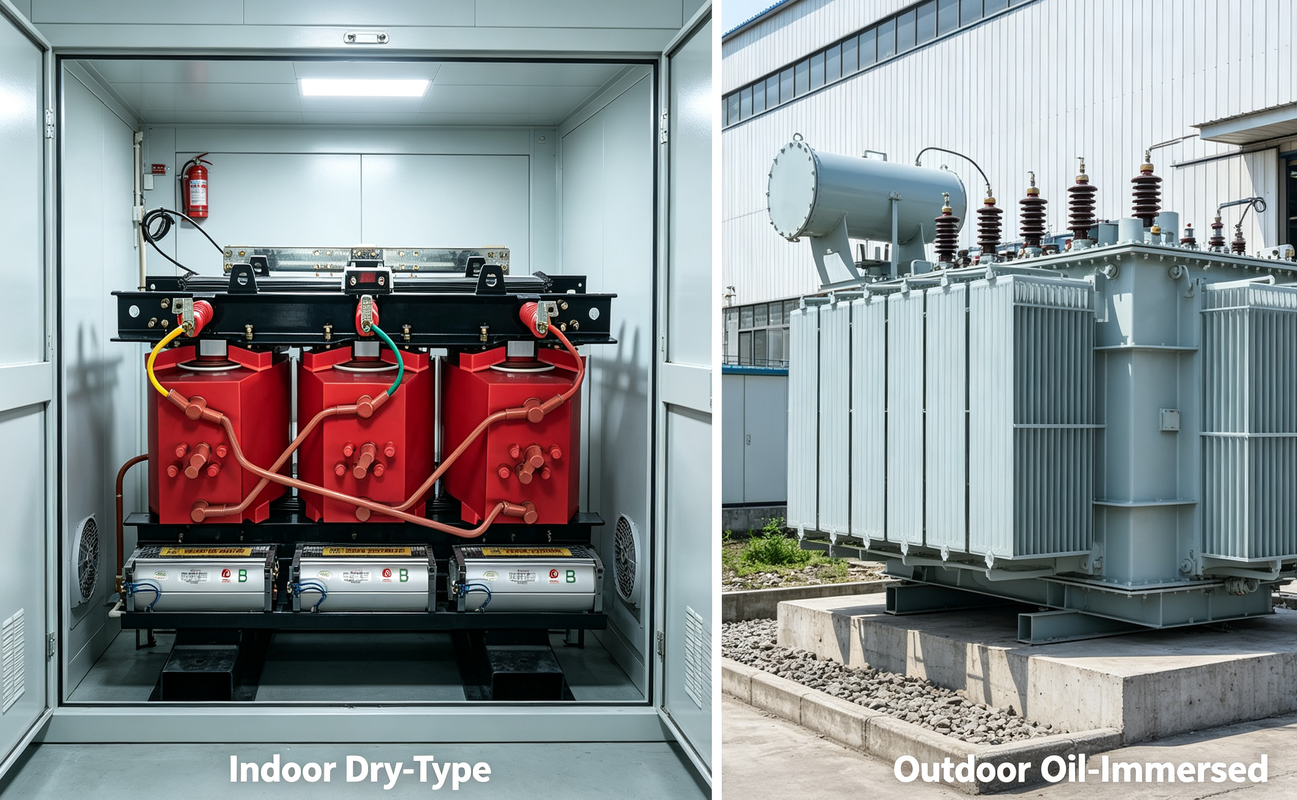
Why You Should Never Guess Transformer Types
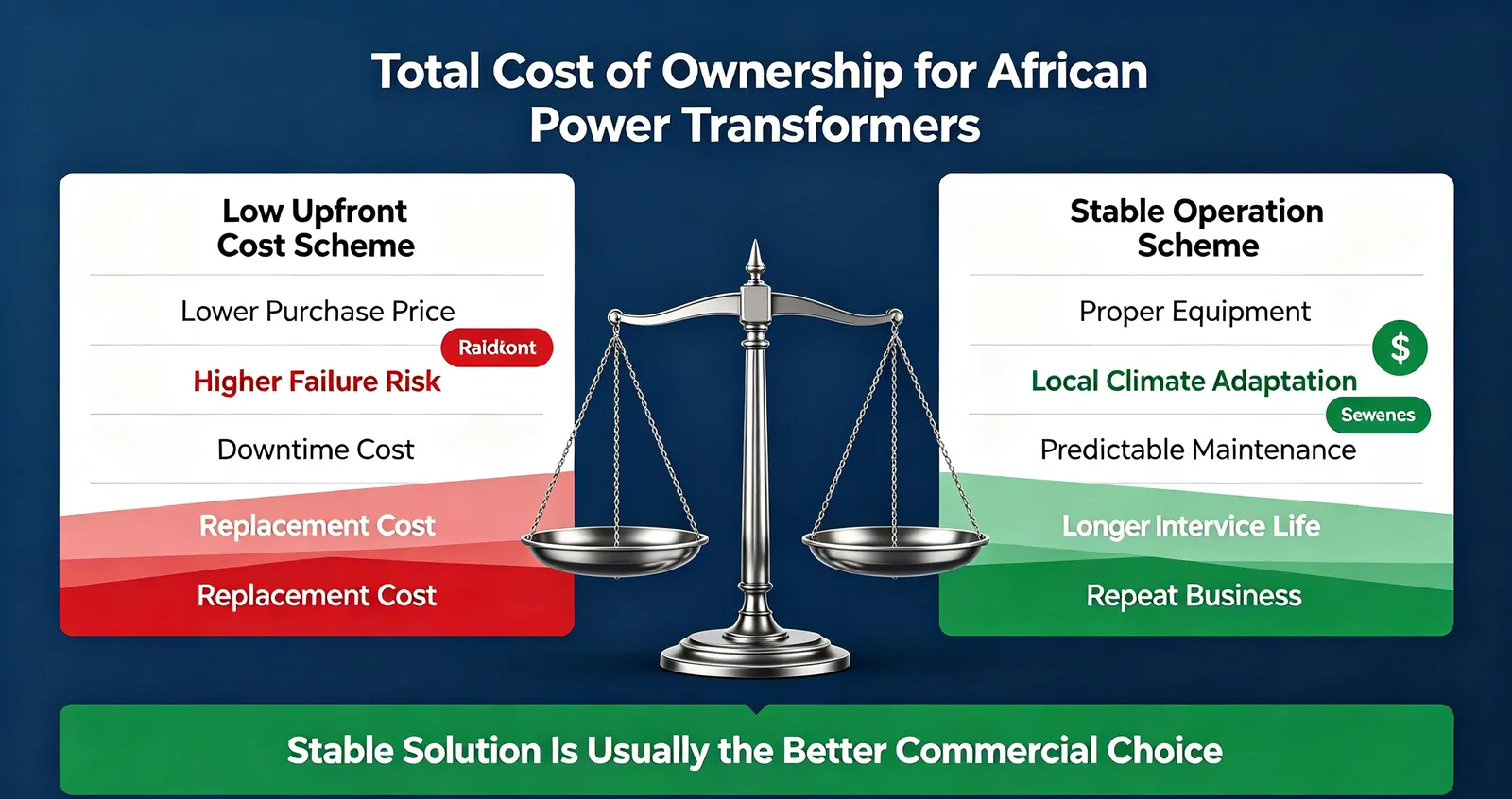
A wrongly selected transformer will not only cause frequent tripping and overheating during operation but also lead to complete equipment replacement, project shutdown, and massive rework losses. The hidden cost is dozens of times higher than the price difference of the transformer itself.
With this selection table, you can match your installation environment, power demand, maintenance conditions, and project standards one by one, reducing selection errors to nearly zero.
Get the Full Project Selection Checklist
If you need our complete overseas transformer selection checklist (including grid adaptation, climate matching, and code compliance rules), leave the word TABLE in the comment section.
Follow us to avoid all common transformer selection and operation pitfalls for global power projects.