 +86 18751738721
 sales@unitatransformer.com
The Hidden Export Transformer Risk: Rated Voltage Is Not Enough
Many overseas EPC contractors and distributors believe one simple rule: if the transformer nameplate shows the same voltage, it can work universally across different countries. This misunderstanding causes countless on-site failures, overheating, coil smoking, and even complete equipment burnout in Middle Eastern and African projects.
This is not a hypothetical scenario — it is a real technical failure case from one of our Middle Eastern clients, who encountered issues with transformers purchased from other suppliers.
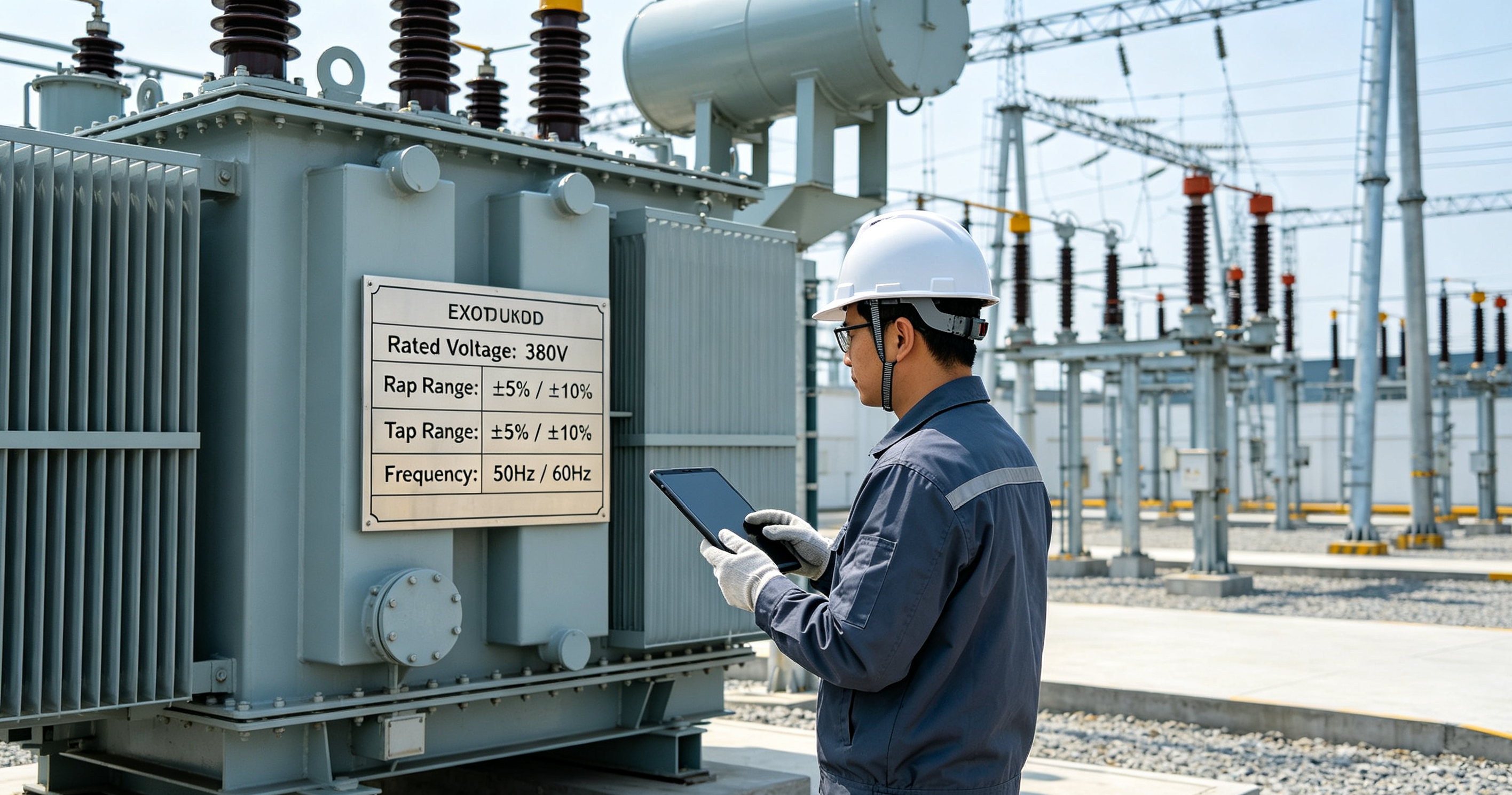
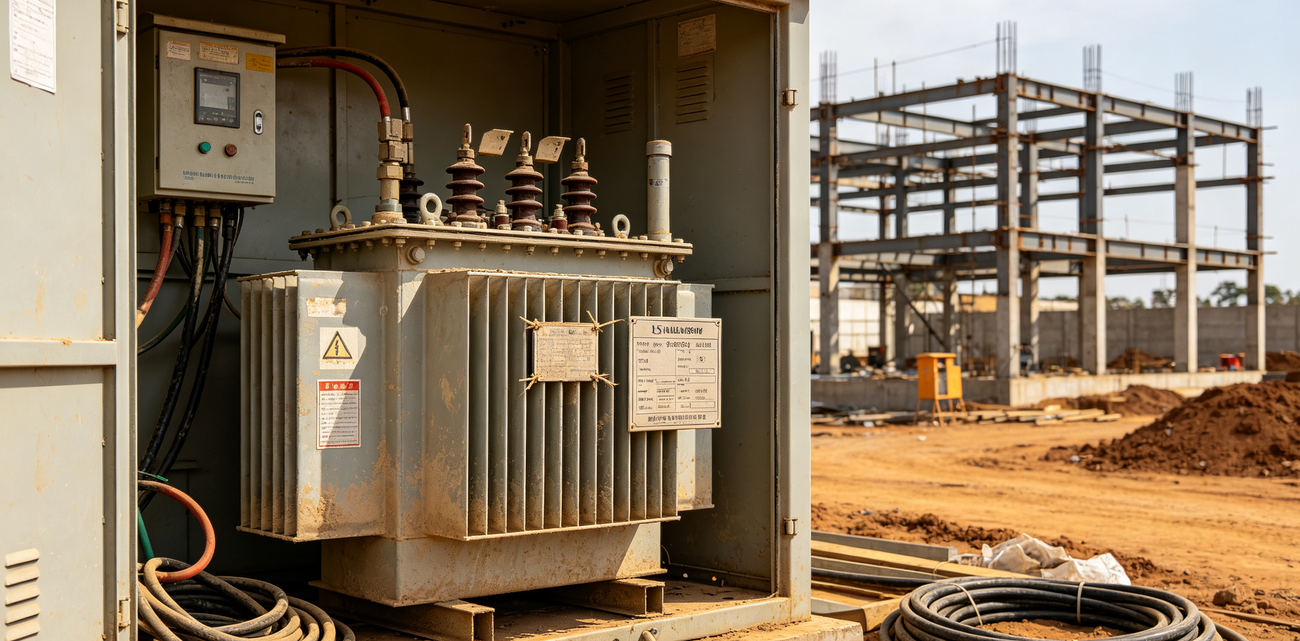
The client reached out to us for urgent technical help. They had purchased a batch of transformers from third-party manufacturers, all marked with a standard 380V rated voltage. Unfortunately, the units began to smoke and overheat within just half an hour after being put into operation on their production line.
The client purchased a batch of transformers marked with a standard 380V rated voltage. However, within half an hour after commissioning on the production line, the transformers began to smoke and overheat.
After checking the nameplate parameters, we quickly located the core problem. Although the rated voltage was correctly labeled 380V, the factory only configured a ±5% tap range. This design allows stable operation only between 361V and 399V.
In reality, the local grid voltage in this Middle Eastern area steadily runs around 400V, constantly exceeding the transformer’s designed tolerance range. Long-term overvoltage operation caused core saturation, excessive heating, accelerated insulation aging, and eventually led to smoking failure.
Why Same Voltage Transformers Fail in Overseas Markets
For export transformers, rated voltage is never the most critical parameter. The actual determining factors are tap range and frequency compatibility.
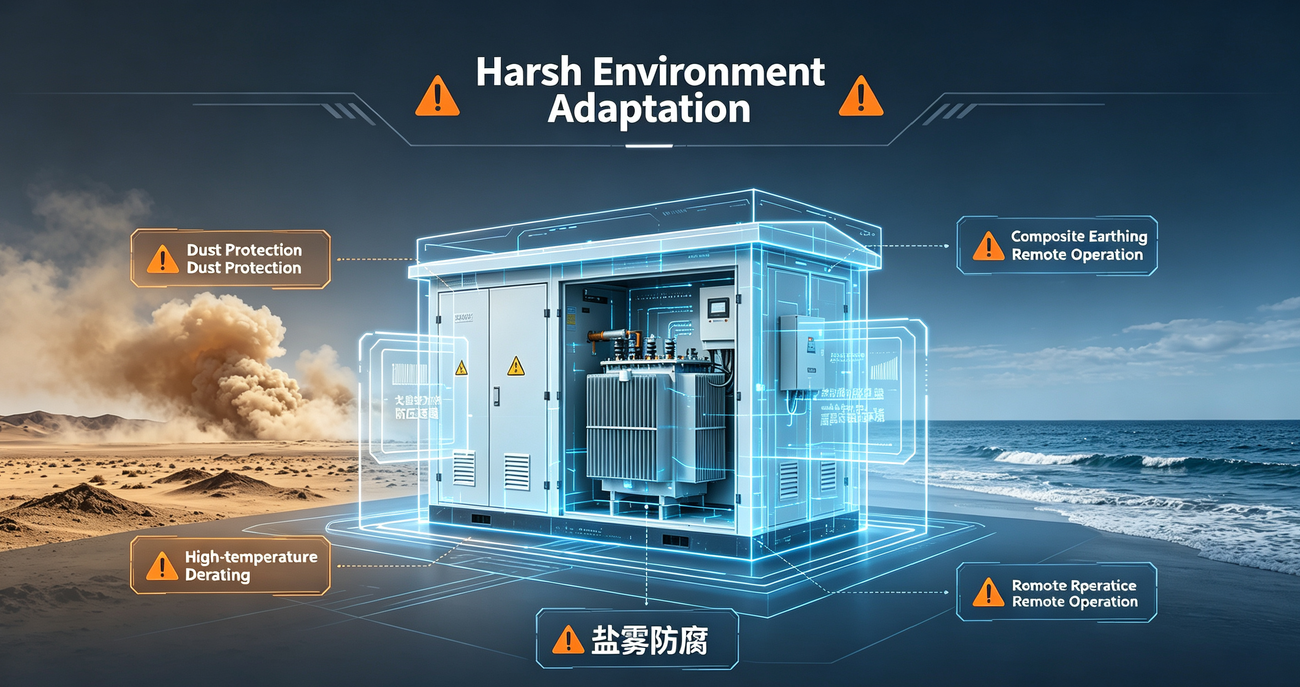
Grid conditions in the Middle East, Africa, and many developing regions differ greatly from China’s stable power grid. Local voltage fluctuation is frequent and severe. Some countries adopt 400V nominal systems but deliver actual voltage close to 480V. Standard domestic transformers cannot adapt to such wide fluctuations.
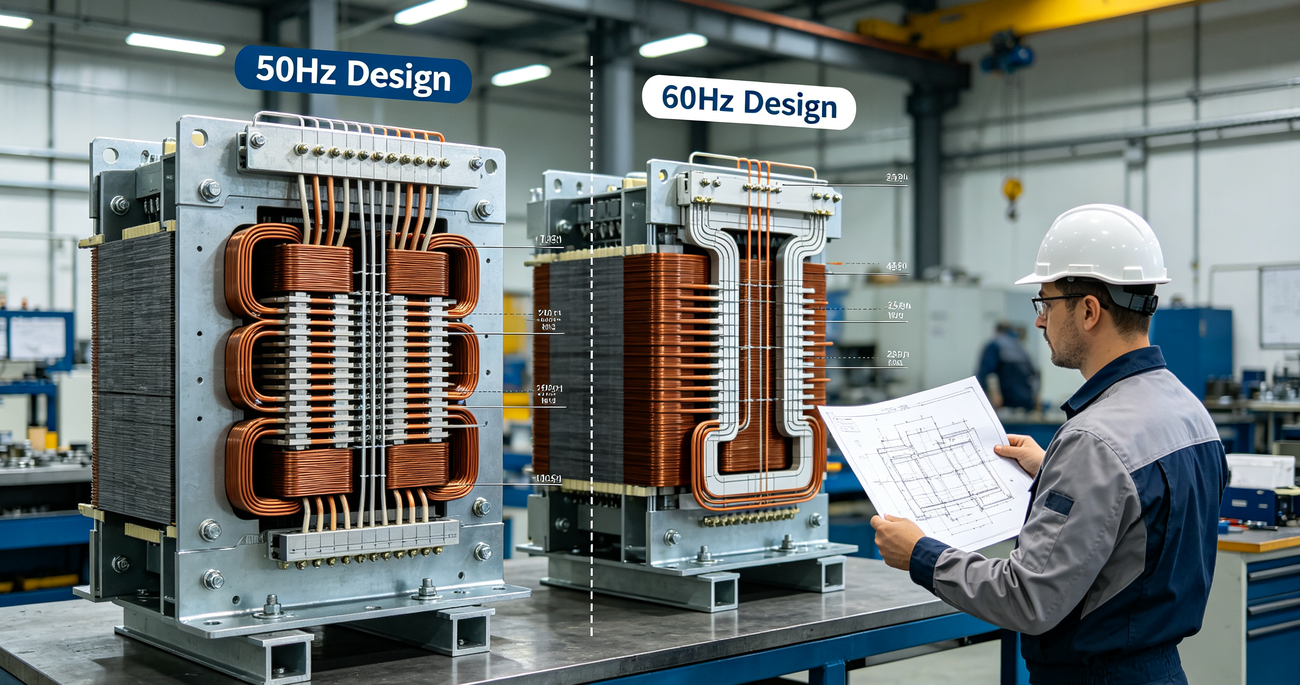
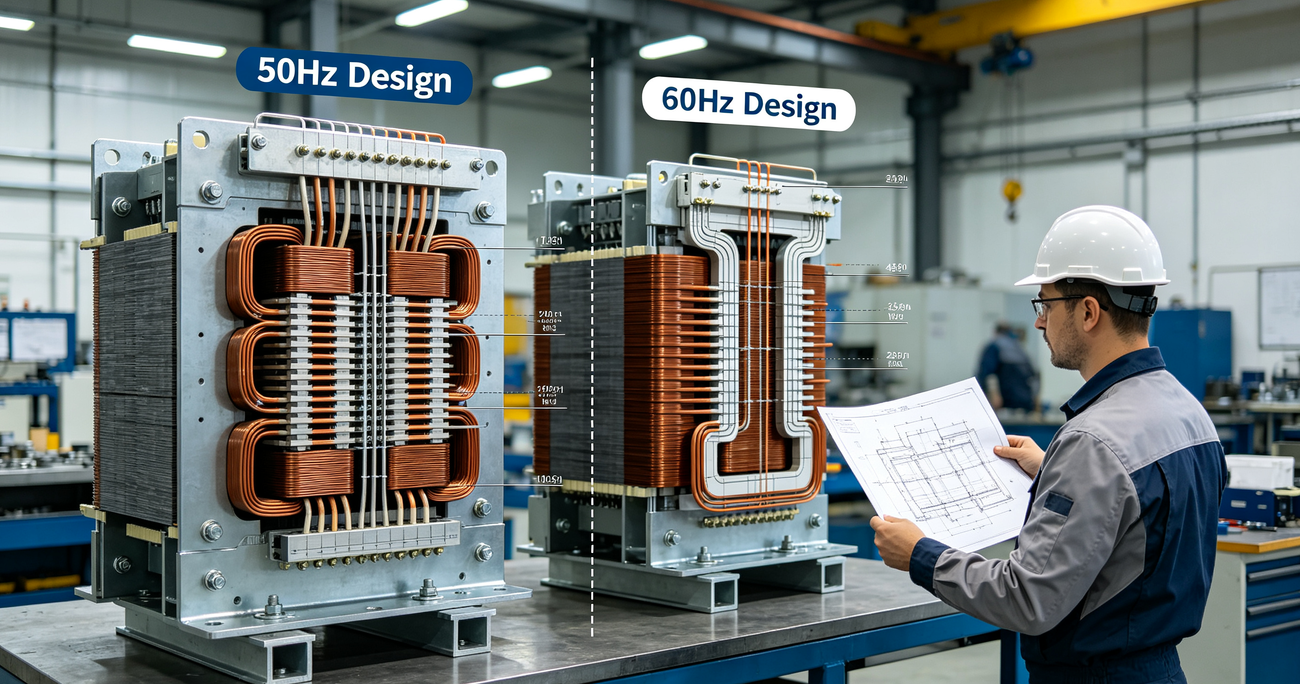
Besides voltage tolerance, frequency matching is equally critical. 50Hz and 60Hz transformers feature completely different magnetic circuit designs. Improper frequency application directly causes magnetic saturation, abnormal temperature rise, and inter-turn short circuits.
Professional Export Solution: Customized Tap Range Design
Experienced transformer manufacturers never rely solely on nominal voltage for export orders. Before production, we collect clients’ actual local grid data, including steady-state voltage and fluctuation limits.
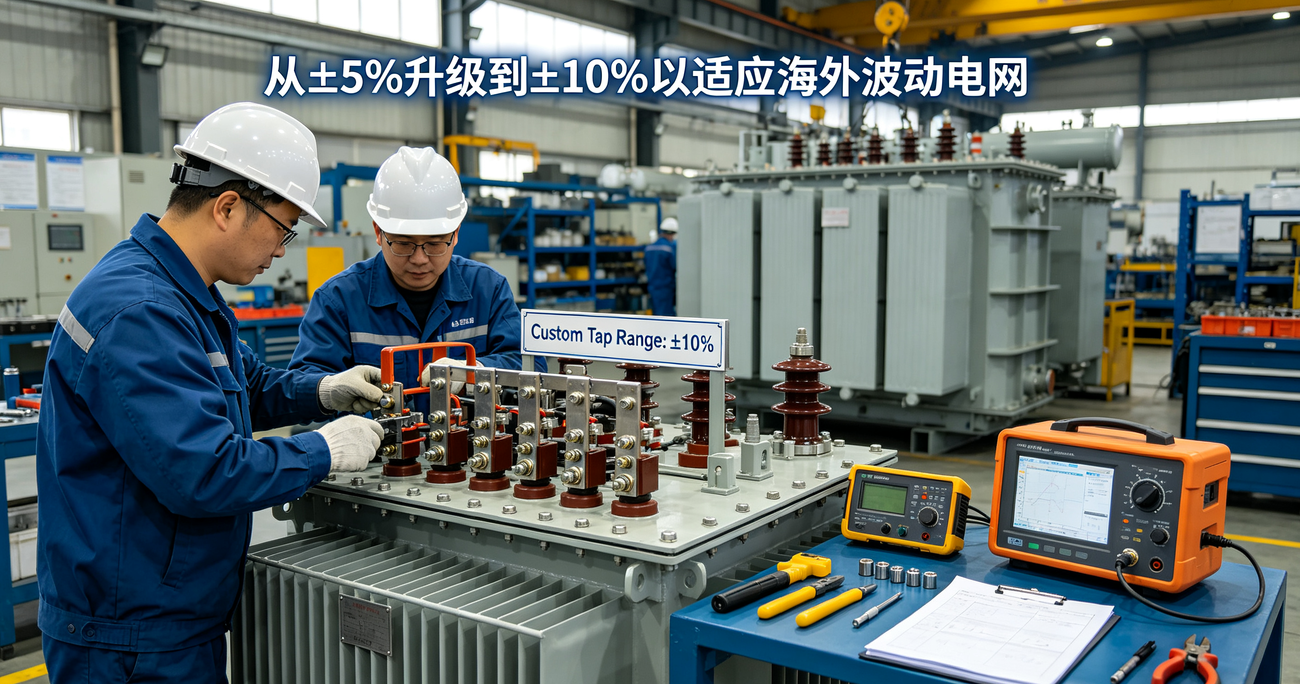
To adapt to unstable overseas grids, we commonly extend the standard tap range from ±5% to ±10%. This minor upgrade adds only a small production cost but enables stable operation under extreme voltage fluctuations, effectively eliminating overvoltage burnout risks.
The Hidden Cost of Unmodified Standard Transformers
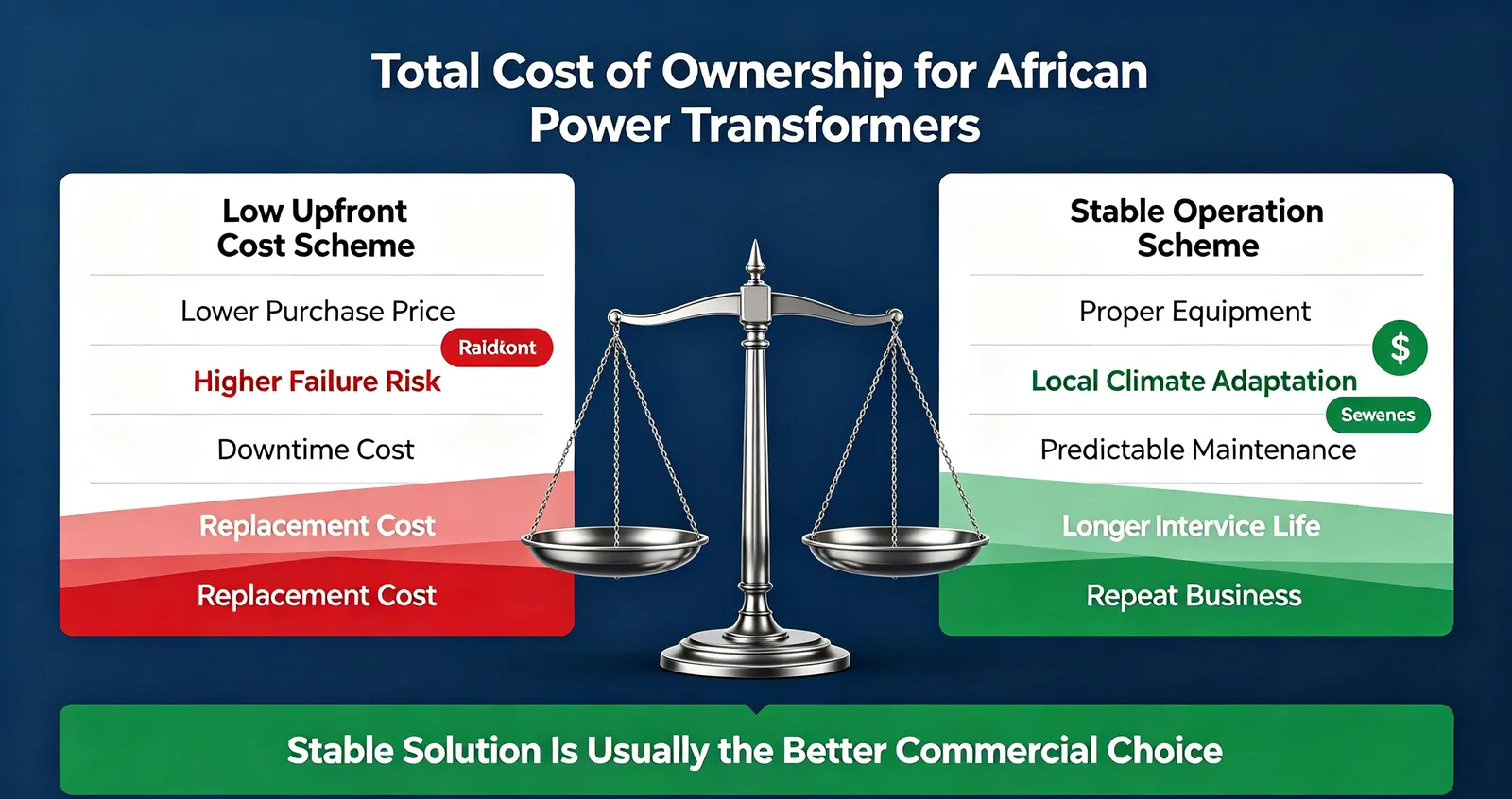
Many local distributors and small manufacturers ignore tap range customization to save trivial costs or due to insufficient technical awareness. They supply standard domestic transformers directly to overseas projects.
The result is far more costly: transformer burnout, production line shutdown, project delay, equipment replacement, and on-site rework losses often exceed the saved cost dozens of times.
Our Export Manufacturing Principle
We always prioritize on-site adaptability over low-price competition. We clearly present grid adaptation options for every export order. We refuse to deliver simplified standard products that cannot withstand local grid conditions.
Reliable export transformers require customized technical configuration, not just identical nameplate voltage.
Never judge an export transformer by rated voltage alone. Tap range tolerance and frequency adaptation determine on-site safety and service life, especially for unstable grids in Africa and the Middle East. Small technical customization avoids massive project losses.
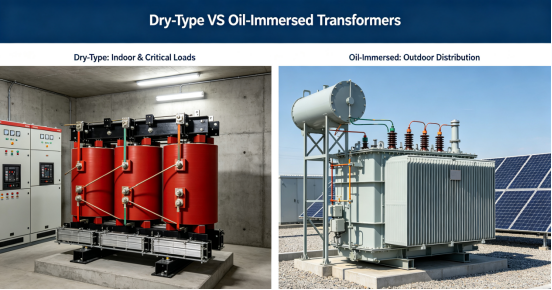
Follow us to learn more professional transformer export knowledge, including how to choose between dry-type and oil-immersed transformers for different overseas project scenarios.
One thought on “Why Identical-Voltage Transformers Fail in MENA & Africa”
Comments are closed.