+86 18751738721
 sales@unitatransformer.com
A Real African Project Case: Low-Price Transformers Lead to Huge Losses
Most African transformer distributors and project owners focus only on upfront purchase prices. They always chase the lowest quotation to save immediate costs. However, in actual African power projects, choosing ultra-cheap transformers is the riskiest shortcut. Many clients who tried to cut costs finally paid more than three times the original price for repairs, delays and compensation.
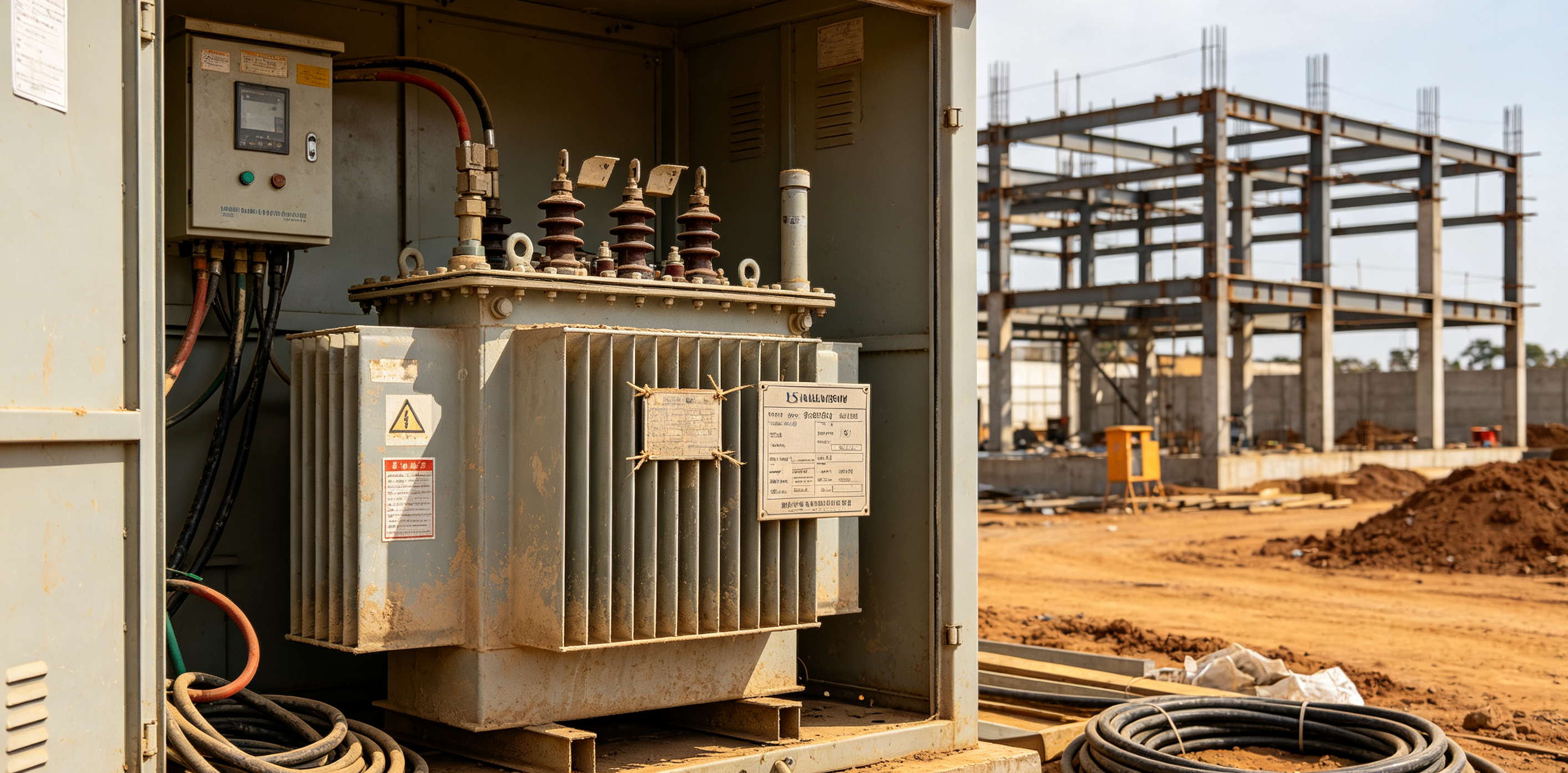
I witnessed a typical failure case on an African construction site. A local client wanted to save nearly 30% of the procurement budget. He rejected standard-quality dry-type transformers and chose the cheapest alternative from an unknown supplier.
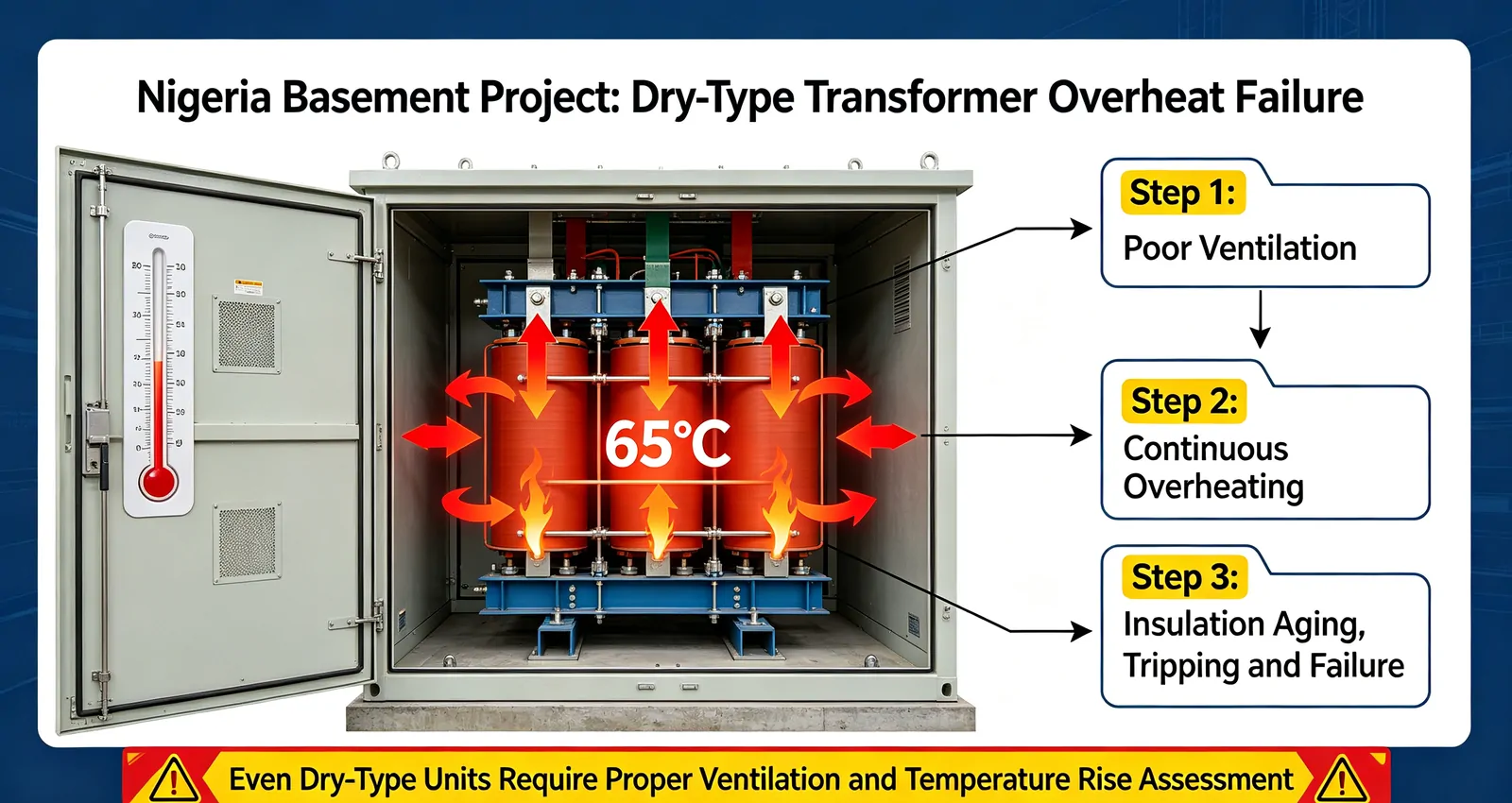
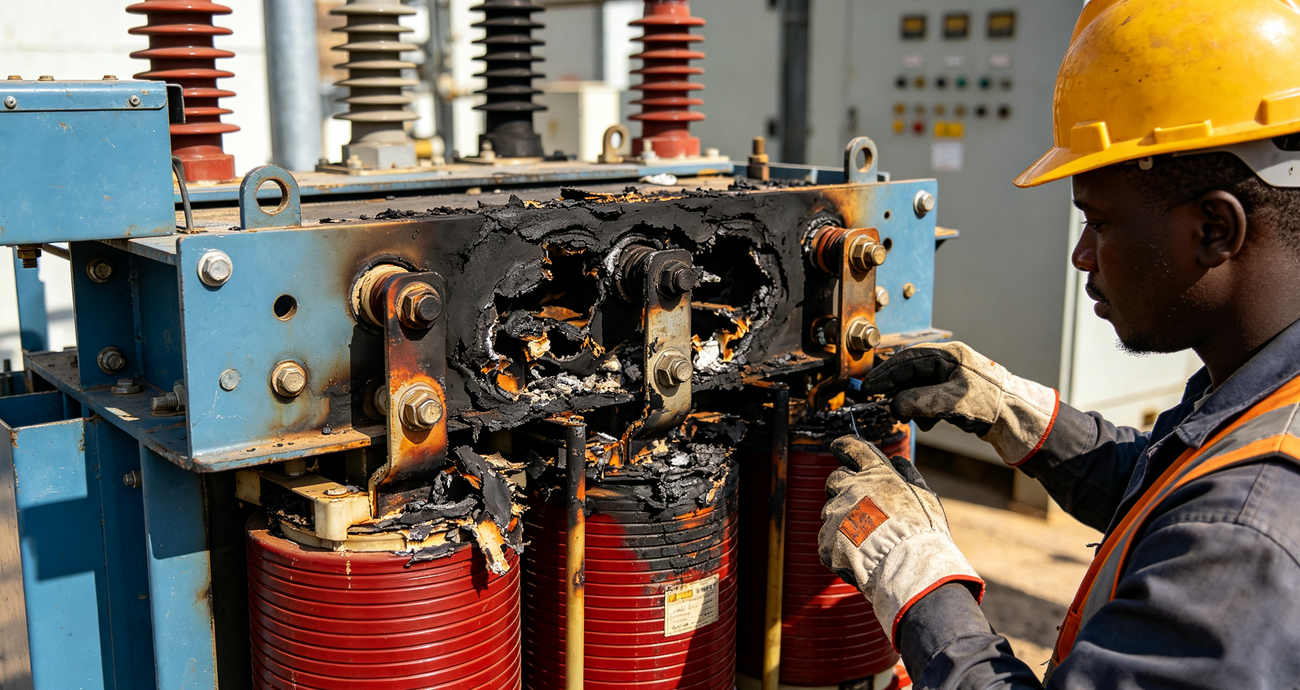
The result was predictable. Within just three months after installation, the transformer coil overheated and burned out. The sudden equipment failure caused a full-site power outage. The entire construction project stopped directly. The project lost one full month of construction progress, bringing massive economic losses far beyond the saved purchase cost.
Surprisingly, the client later came to us questioning why we did not strongly stop him from choosing low-cost equipment. This case clearly reveals a common misunderstanding in African transformer procurement: price gaps do not equal cost gaps — they equal process and quality gaps.
What Hidden Risks Do Low-Price Dry-Type Transformers Bring?
Unprofessional buyers cannot identify internal quality defects simply by appearance. Cheap dry-type transformers always cut corners on core processes and materials:
Low-cost manufacturers use impure copper winding materials, reduce insulation thickness, and simplify heat dissipation structures. These invisible downgrades do not affect the initial installation, but they greatly reduce the transformer’s overload resistance, temperature stability and service life.
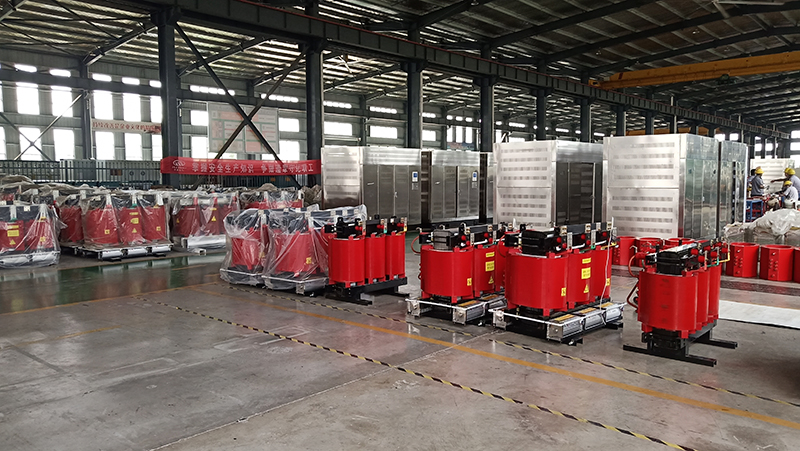
In contrast, reliable standard-quality transformers strictly follow complete production procedures. For example, the vacuum impregnation process alone takes one extra full working day. This key procedure eliminates internal air gaps, improves insulation strength, and prevents local overheating and breakdown. Strict craftsmanship undoubtedly increases production costs, but it guarantees long-term stable operation on site.
Why African Projects Cannot Afford Cheap Transformers
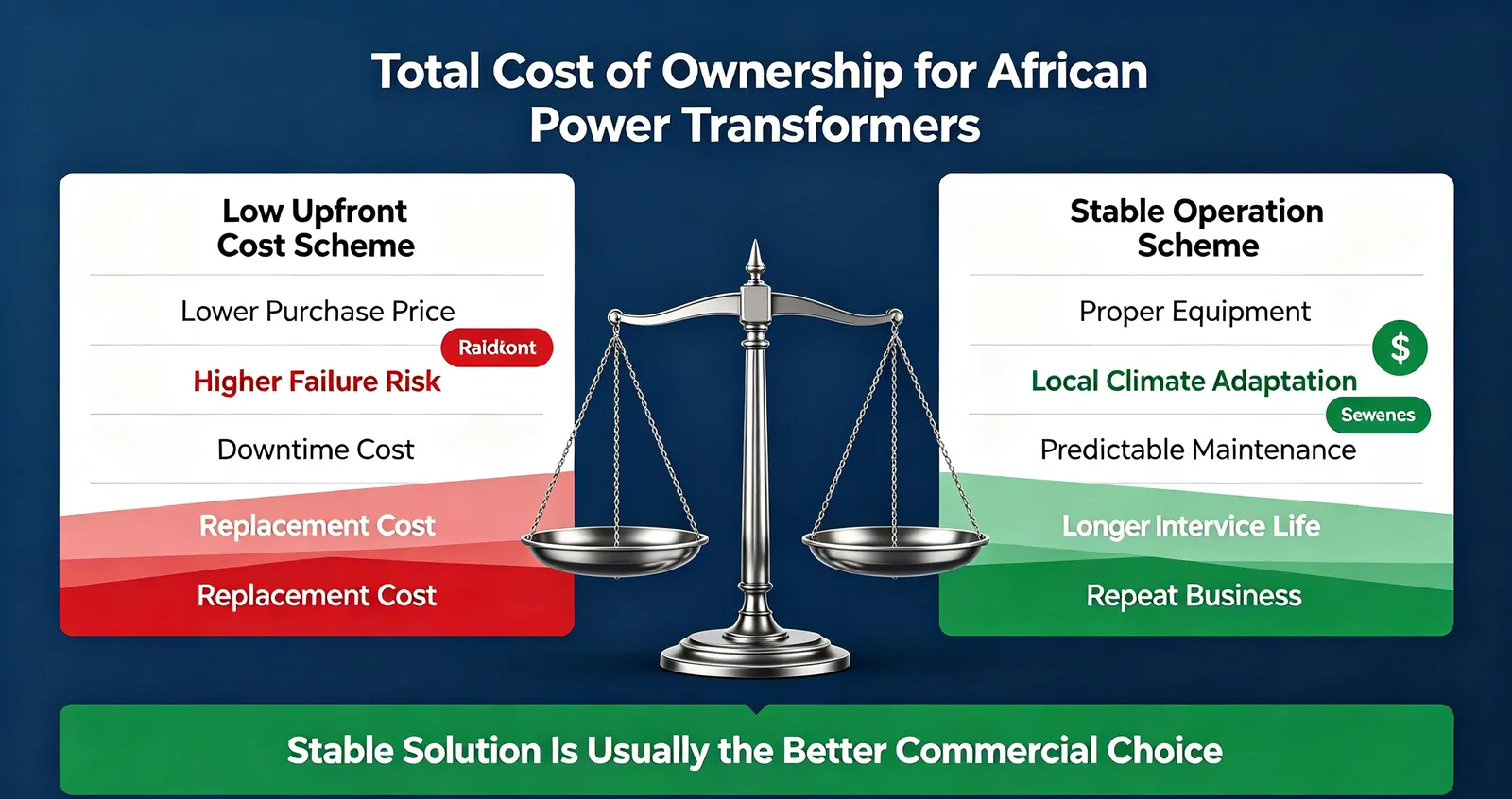
Power equipment failure triggers chain losses on African construction sites. A single transformer burnout does not only require replacement and maintenance fees. It also causes construction suspension, labor idling, schedule delays and project penalty compensation.
Calculated in full life-cycle cost, the hidden loss is often 2 to 3 times higher than the money saved from low-price procurement.
Many local distributors only compare unit prices and ignore long-term operational risks. They think they save money in the short term, but actually bury huge safety and schedule risks for the whole project.
Conclusion: Transformer Procurement Is Not Bargain Shopping
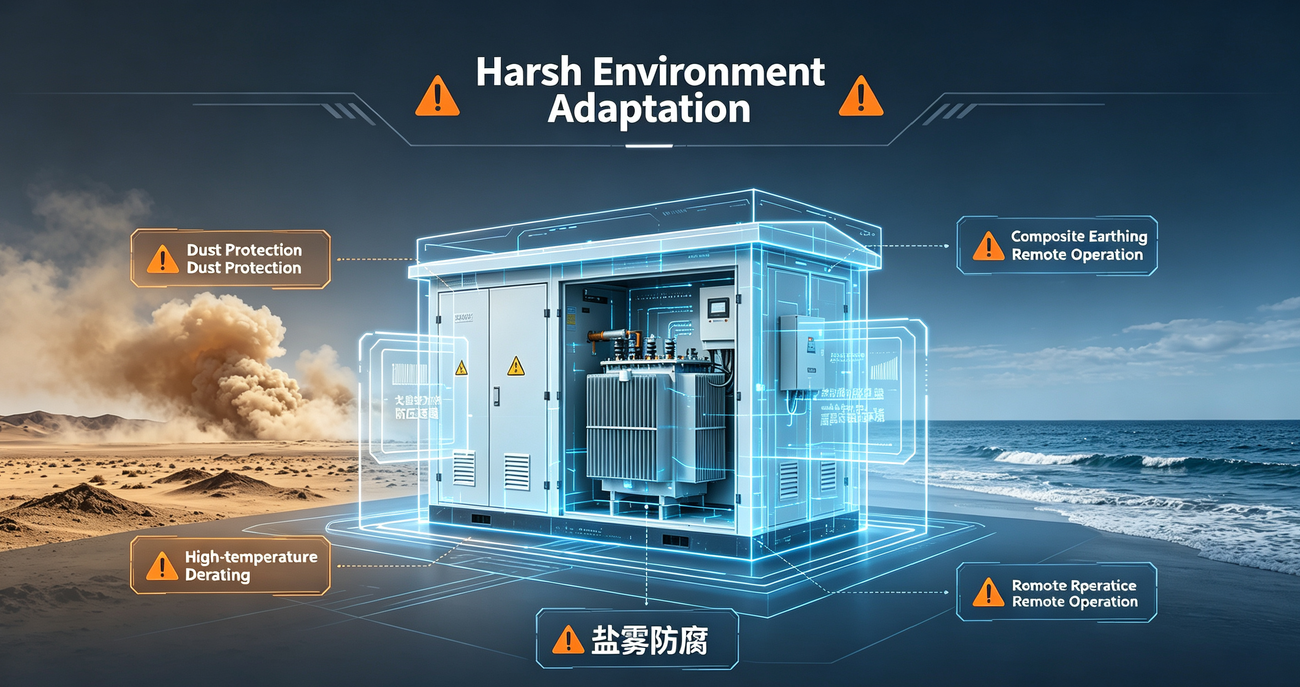
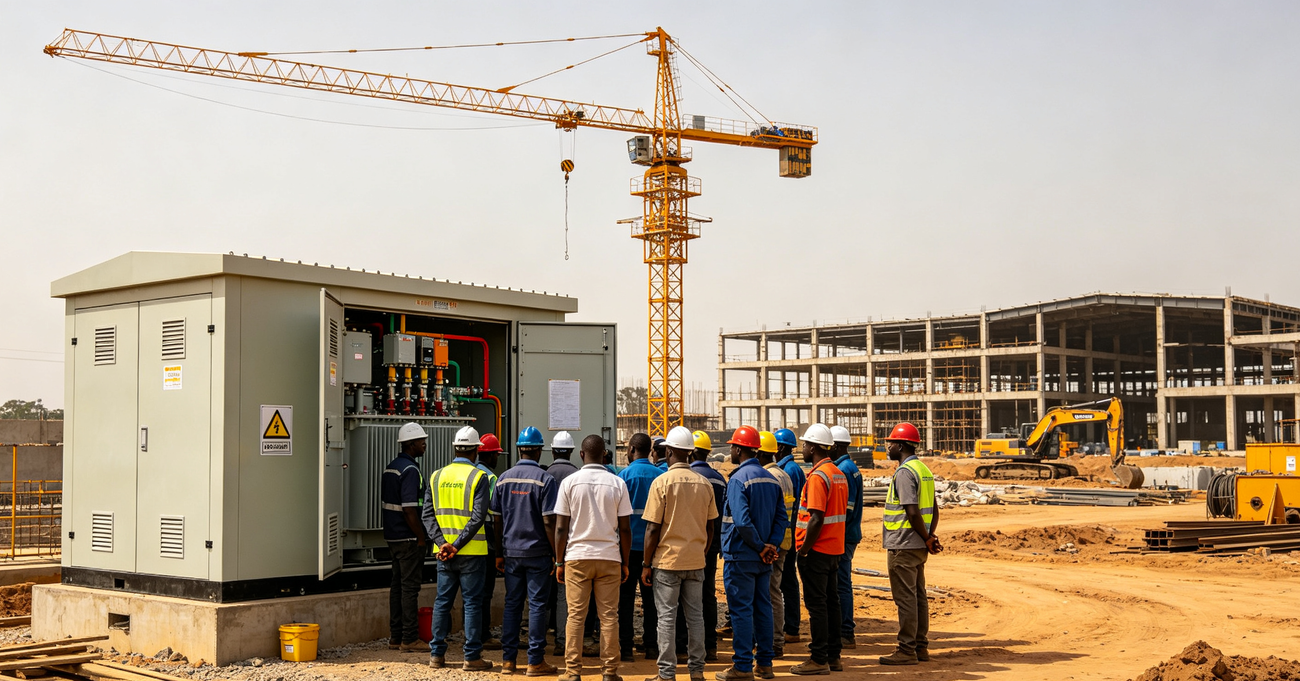
Transformer selection is never simple commodity purchasing. Low-price products sacrifice craftsmanship, material quality and safety margins. In African high-load and unstable grid environments, unqualified transformers fail easily and cause heavy losses.
We have served numerous African power projects for years. We have seen countless clients regret choosing ultra-low-cost transformers. In the end, they all return to reliable manufacturers for stable and compliant equipment.
If you are running construction, commercial or industrial power projects in Africa, do not let temporary price discounts ruin your entire project profit. Follow us to learn practical skills to identify transformer quality at a glance and avoid project risks.
African transformer project, dry-type transformer quality, cheap transformer risk, power project cost saving, transformer procurement guide