+86 18751738721
 sales@unitatransformer.com
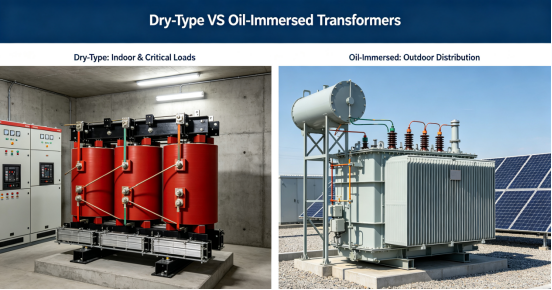
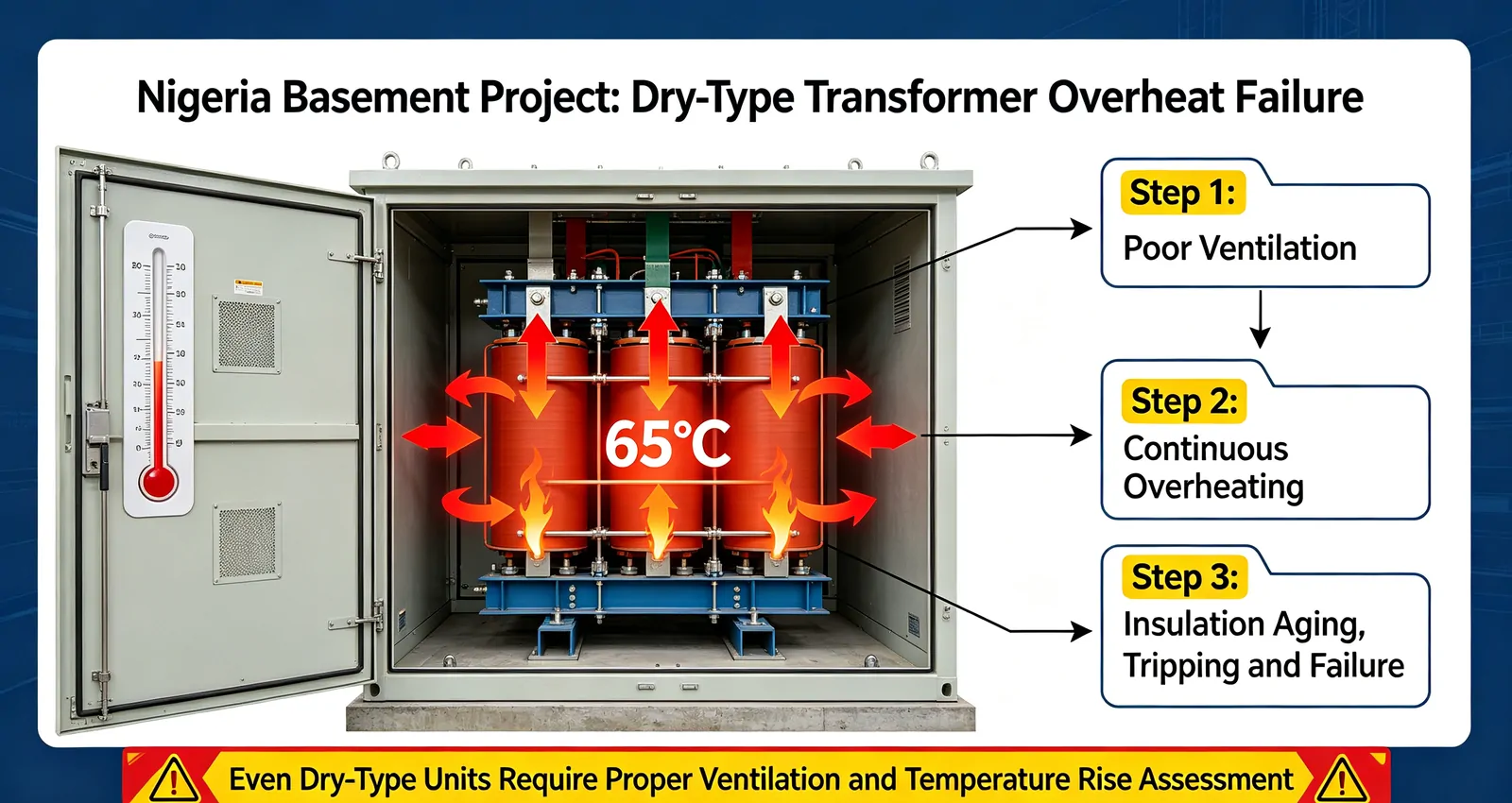
Dry-type transformers and oil-immersed transformers are selected based on fire safety requirements, installation location, noise limits, maintenance conditions and local code requirements.
For the same rated capacity, the upfront cost of dry-type transformers is generally about double that of oil-immersed transformers. Many buyers rule out dry-type transformers just because of the higher initial price. However, for certain application scenarios, dry-type transformers effectively reduce project risks and total life-cycle costs.
Scenario 1: Underground power rooms in high-rise buildings
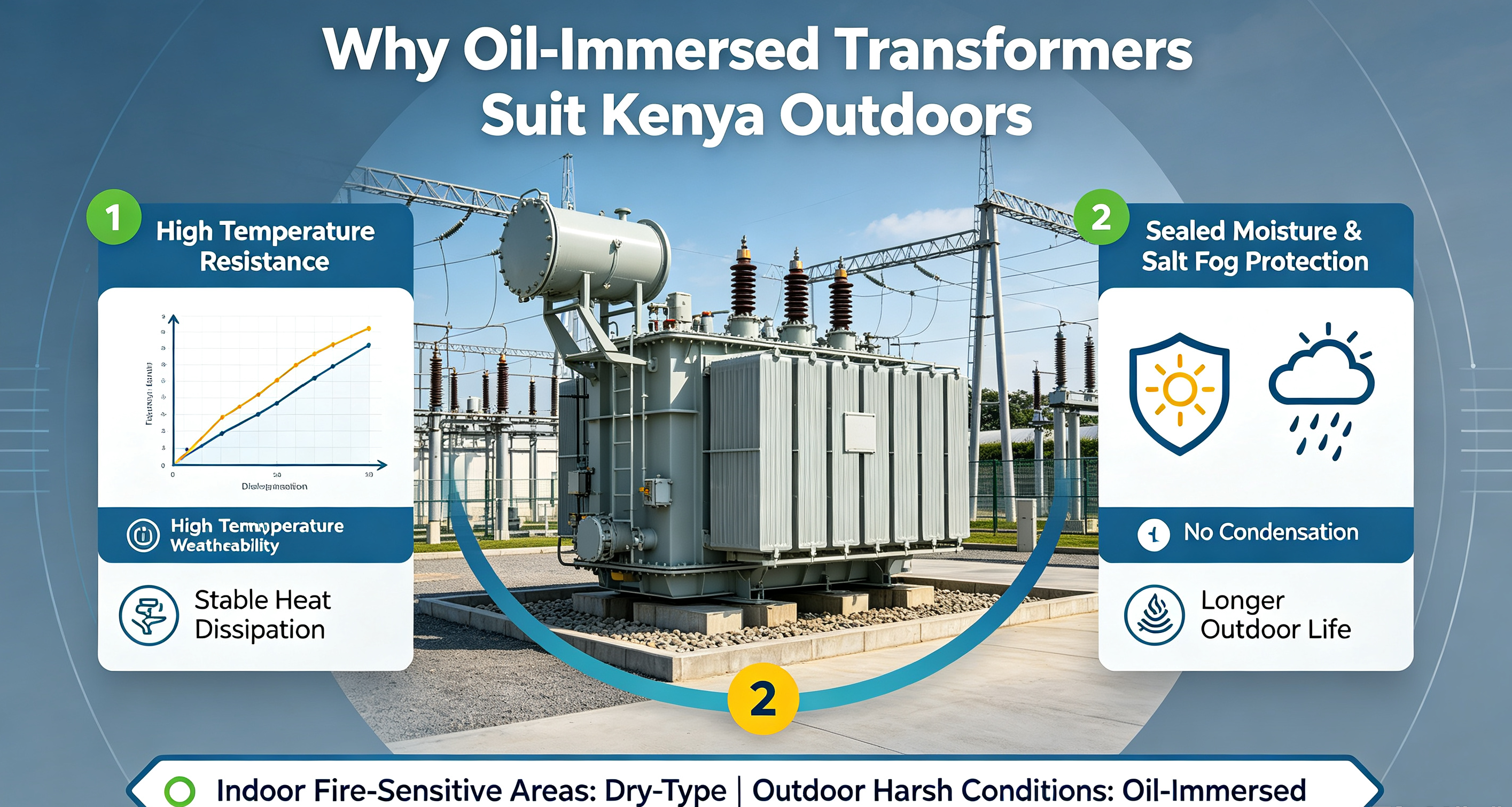
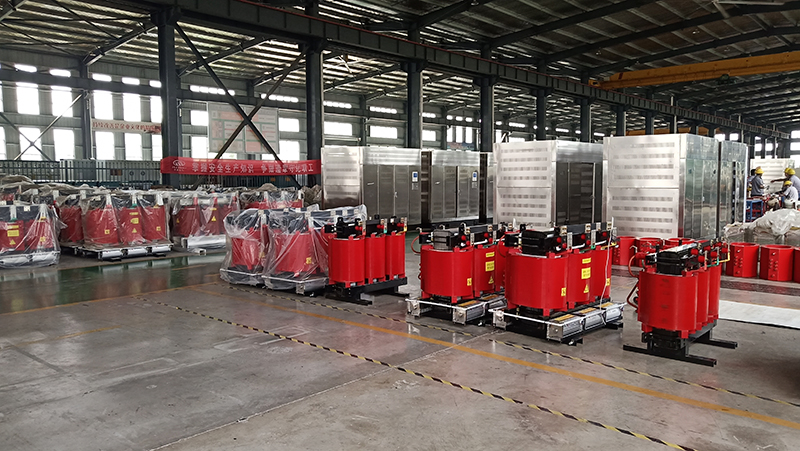
When oil-immersed transformers are installed in underground power rooms of high-rises, insulation oil leakage may occur due to aging seals or loose connections. In case of short-circuit arcs, leaked insulating oil brings the risk of flowing fire, which will cause failure in fire inspection. The cost of later civil reconstruction and equipment removal is usually much higher than the transformer price.Dry-type transformers adopt epoxy resin cast solid insulation with self-extinguishing flame retardant property. No flammable liquid will be generated under fault conditions. According to relevant standards, dry-type transformers are preferred for power distribution in Class 1 high-rise buildings. Fire codes in many overseas regions also impose strict fire requirements for enclosed indoor power rooms.
Scenario 2: Critical load sites such as data centers and hospital operating rooms
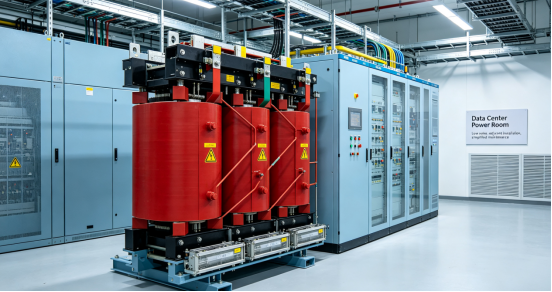
Data centers and hospital operating rooms are critical loads with strict requirements for operational stability, noise and maintenance management. Oil-immersed transformers require regular oil tests and oil chromatography analysis, with risks of oil leakage, vibration and noise.Dry-type transformers produce lower operating noise and can be installed adjacent to low-voltage cabinets to save room space. Maintenance is simple: only annual thermal imaging inspection of connection points is needed. No oil filtration, oil replacement or leakage pollution treatment is required, cutting long-term maintenance workload.
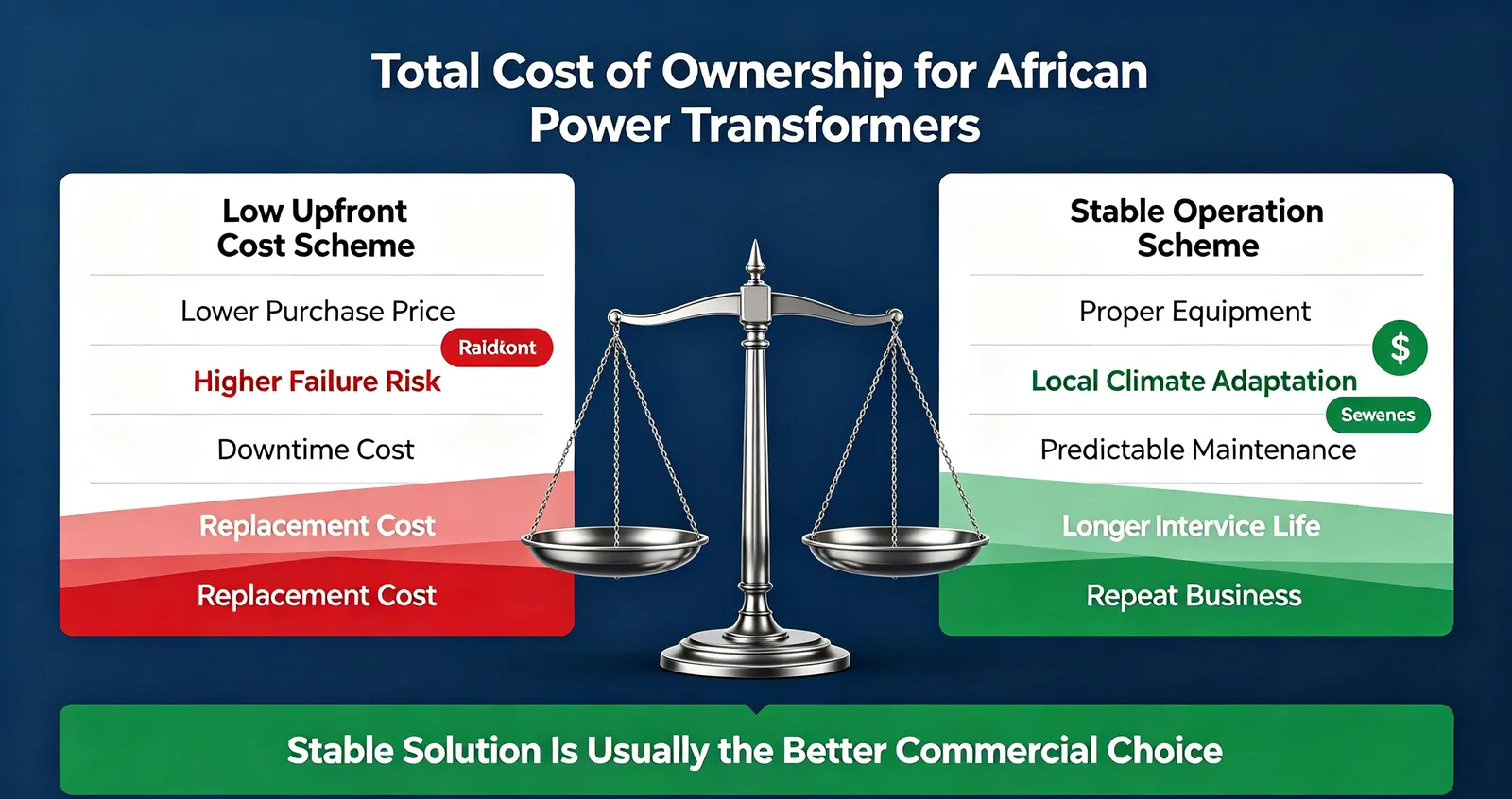
Core point: Dry-type transformers have higher upfront purchase cost. Their advantages lie in lower fire risks and less maintenance over a 20-year service life. When accounting for civil engineering modification and accident compensation, the total life-cycle cost can be better.
Our overseas project case: For high-rise residential projects in the Middle East, local fire authorities do not approve oil-immersed transformers indoors. These projects fully adopted dry-type transformers and obtained operation certificates smoothly.
Project tip: Check local electrical and fire codes in advance. Avoid heavy losses caused by mismatched transformer types after equipment arrival at the port.