+86 18751738721
 sales@unitatransformer.com
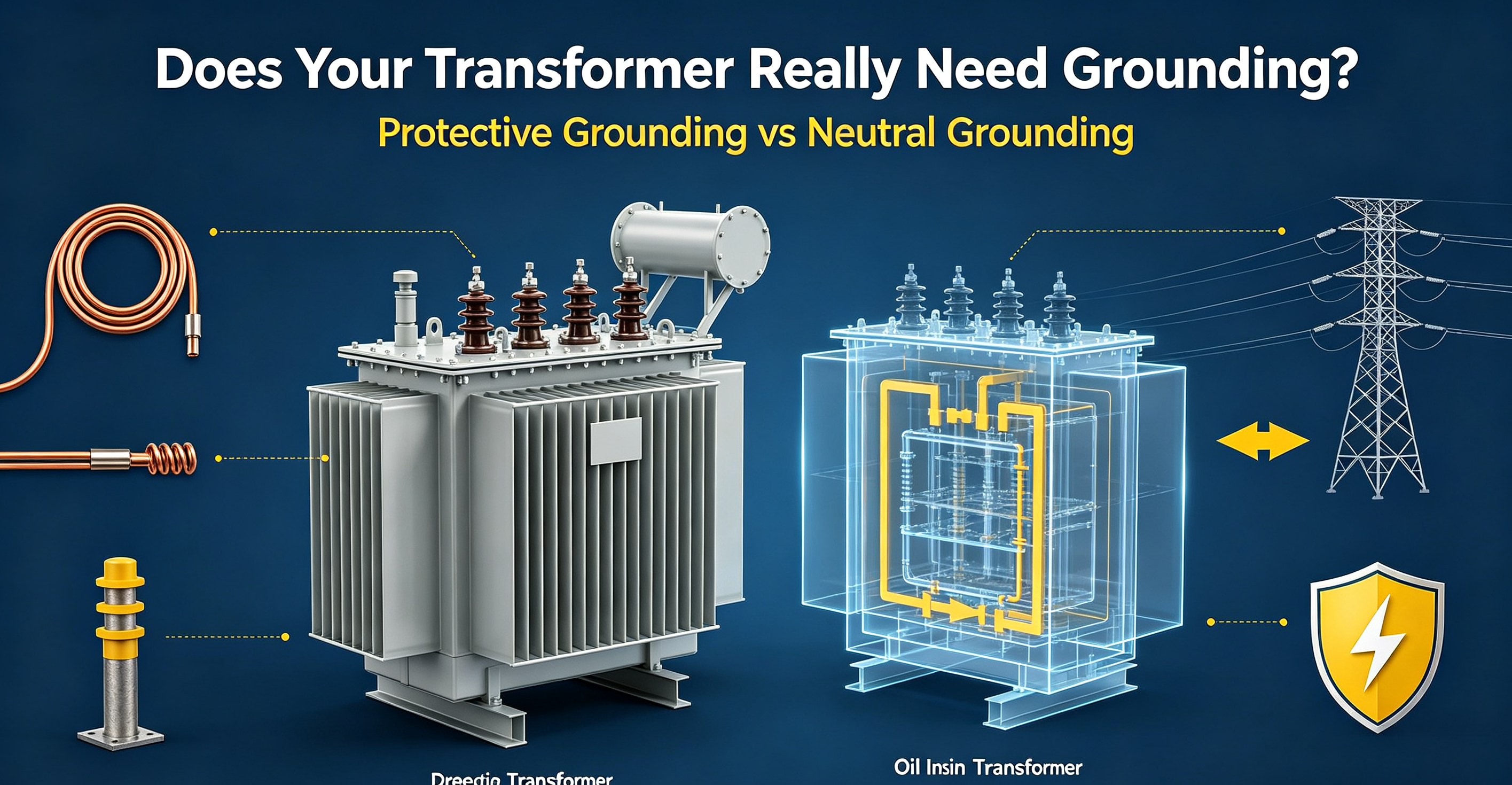
Have you ever heard this statement: some transformers do not need grounding at all?
With 15 years of professional experience in the transformer manufacturing and power engineering industry, I want to expose a common industry pitfall that 90% of transformer distributors and on-site electricians have fallen into — incorrect transformer grounding operation.
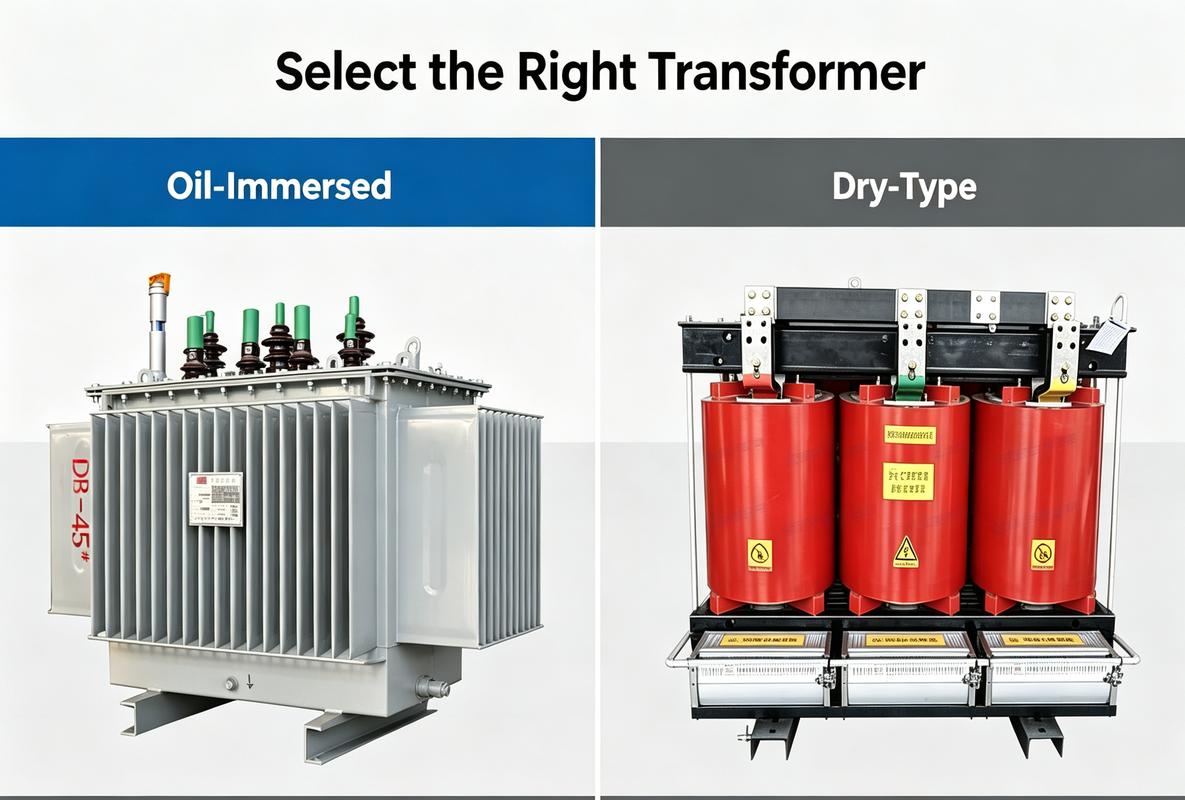
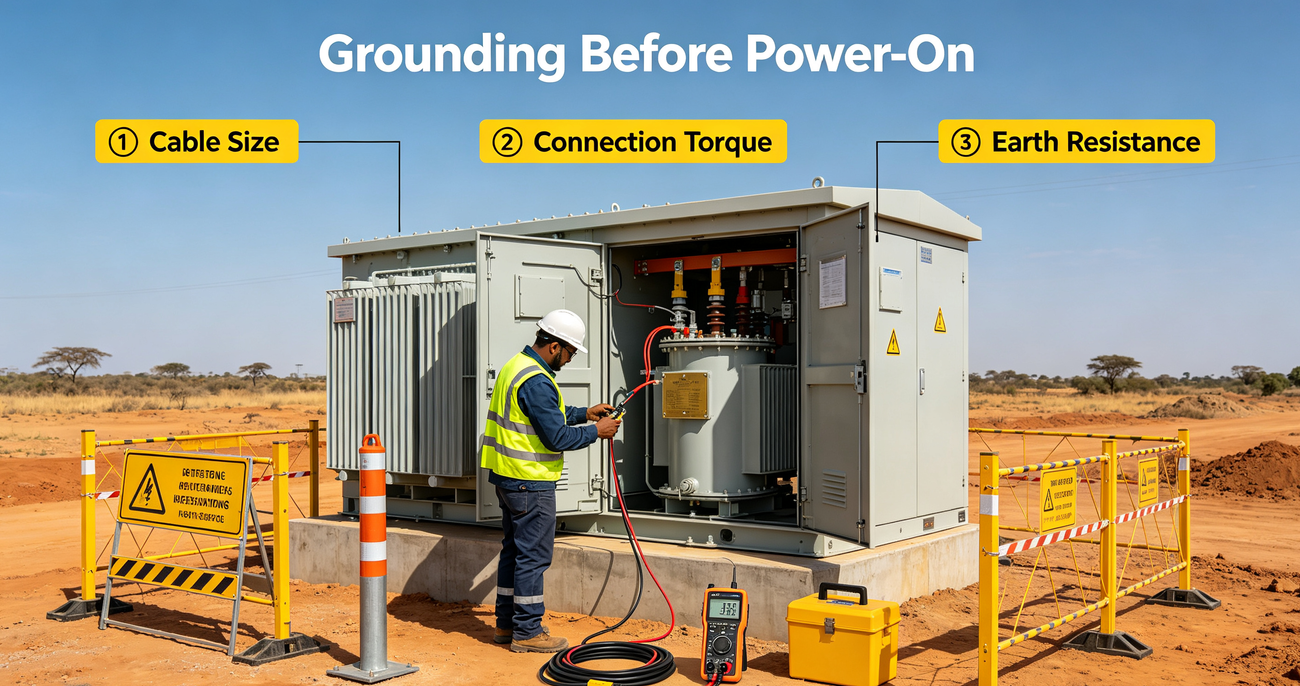
Last year, one of our Middle Eastern clients purchased a dry-type transformer for a local power project. After on-site installation, the local electrician connected a thick copper wire from the transformer enclosure to the ground pile following conventional construction experience.
However, the equipment tripped three times within just one month of formal operation, causing unstable power supply and serious project troubles.
After our technical engineers arrived at the site for inspection, we found the core cause: the on-site team confused neutral system grounding with equipment protective grounding.
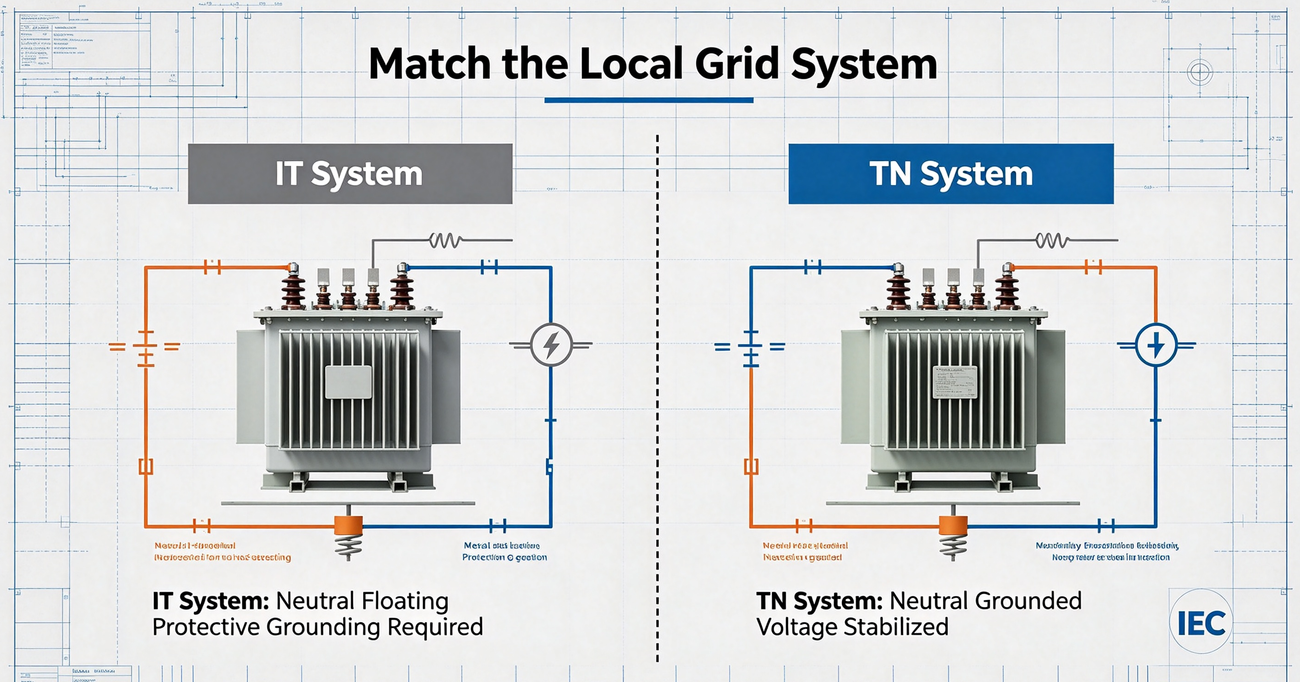
This dry-type transformer was designed for an IT isolated power distribution system. The unit is fully insulated, with an intentionally ungrounded neutral point per IEC system requirements. While the transformer’s metal enclosure always requires protective grounding for safety, incorrectly configuring neutral grounding on an IT system caused repeated false leakage tripping.
Most buyers and construction personnel hold a simplistic misunderstanding: transformer grounding is just connecting a wire and burying it underground.
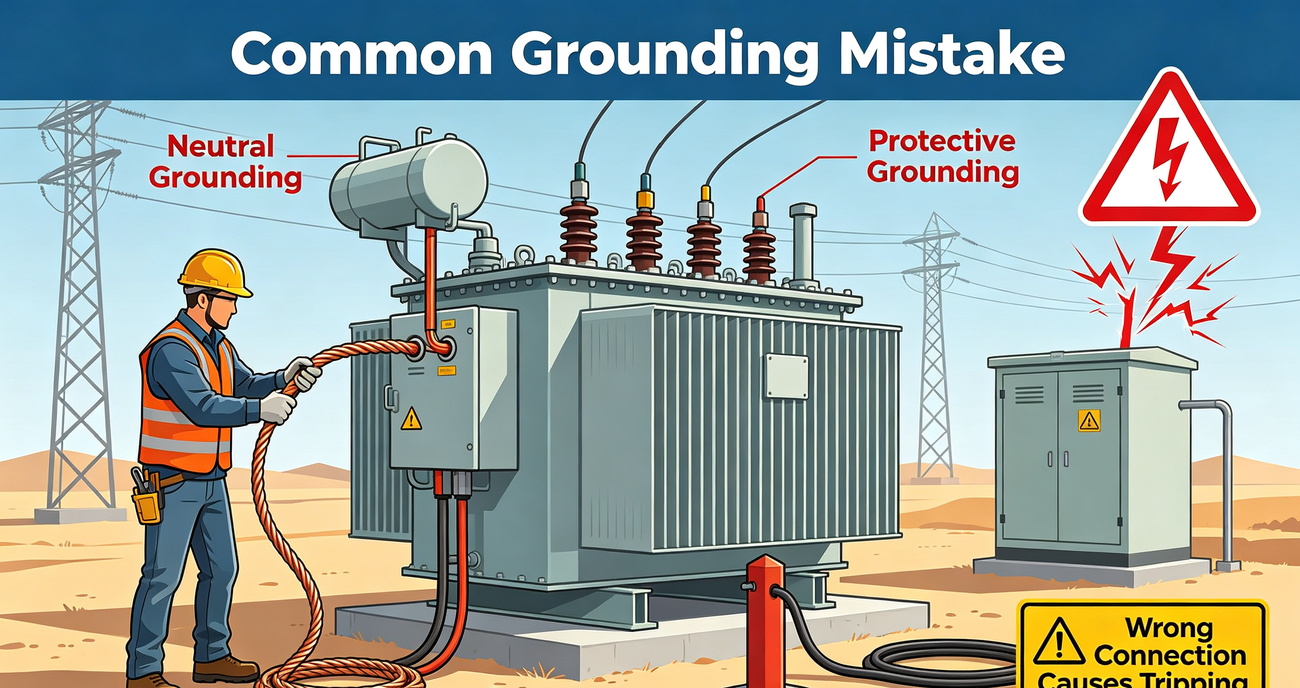
In fact, transformer grounding involves two completely independent core logics in power distribution engineering:
1. Protective Grounding (Enclosure Grounding)
Its core purpose is to prevent electric shock accidents and ensure personal safety. For all transformers with metal enclosures, protective grounding is mandatory under almost all working conditions. It can quickly release induced voltage and leakage current when internal insulation fails, effectively avoiding safety risks for operators.
2. System Neutral Grounding
It is designed to stabilize grid voltage and ensure the stable operation of the power system. For example, oil-immersed transformers widely used in TN power systems require direct neutral point grounding to maintain normal grid voltage balance.
Is there any special case where a transformer does not need grounding?
A typical example is an isolation transformer. Its primary and secondary sides are magnetically isolated with no electrical connection, creating a floating secondary system. When the overall system insulation level meets local grid standards, the secondary side can operate without neutral grounding.
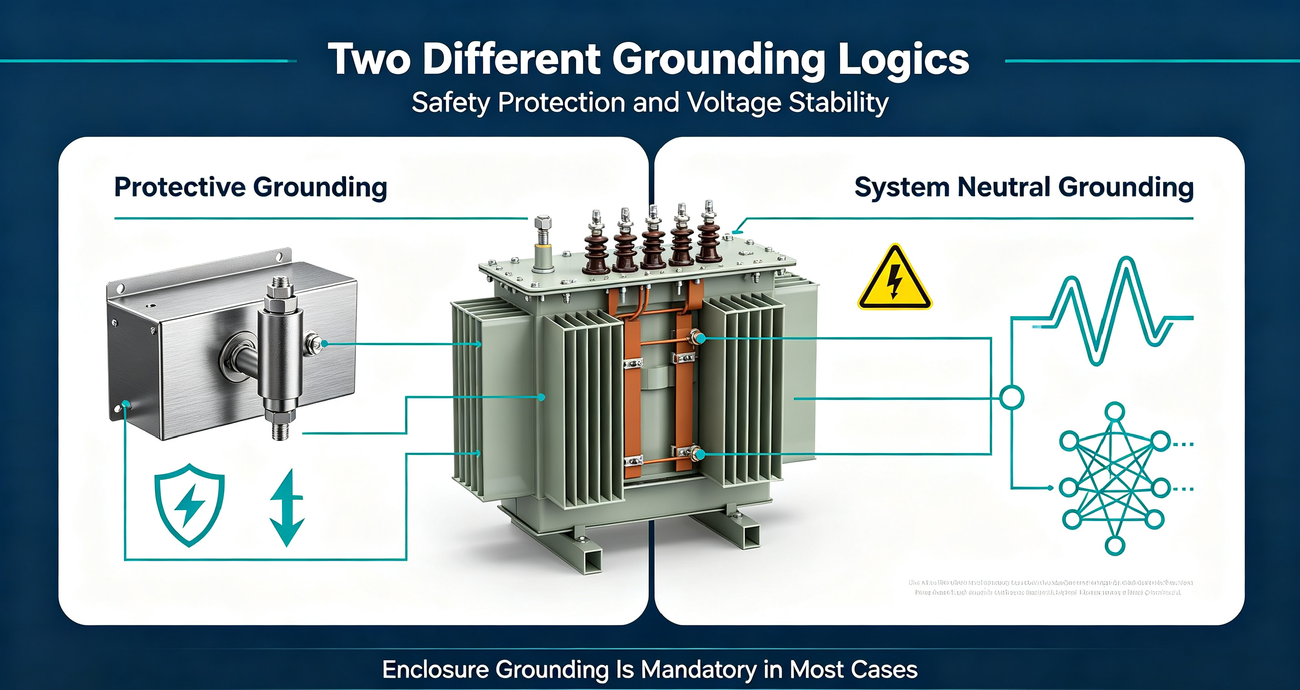
It is crucial to emphasize: even for floating-operation transformers, the metal enclosure still requires mandatory protective grounding.
The ultimate standard for transformer grounding is never based on experience, but on matching the local power grid grounding system and transformer type.
This is why our factory provides a professional grounding schematic diagram with every transformer before delivery. We clearly mark the standardized grounding and wiring solutions corresponding to different power distribution systems (IT, TN, TT), helping overseas customers avoid construction mistakes and equipment failures.
Here is practical overseas field knowledge: many rural and remote power grids in Africa adopt IT ungrounded systems due to incomplete grounding infrastructure. In these specific scenarios, neutral-floating transformer operation complies with local standards and delivers safer, more stable power performance.
Final takeaway: Transformer grounding configuration must never rely on subjective experience. It should strictly match the transformer type, system classification (IT/TN/TT), and local power grid specifications.
Follow us, and in the next article, we will deeply decode the professional grounding principles and operation secrets of oil-immersed transformers.
Contact us – Distribution transformer,Oil immersed transformer,Dry type transformer-Unita Electric