+86 18751738721
 sales@unitatransformer.com
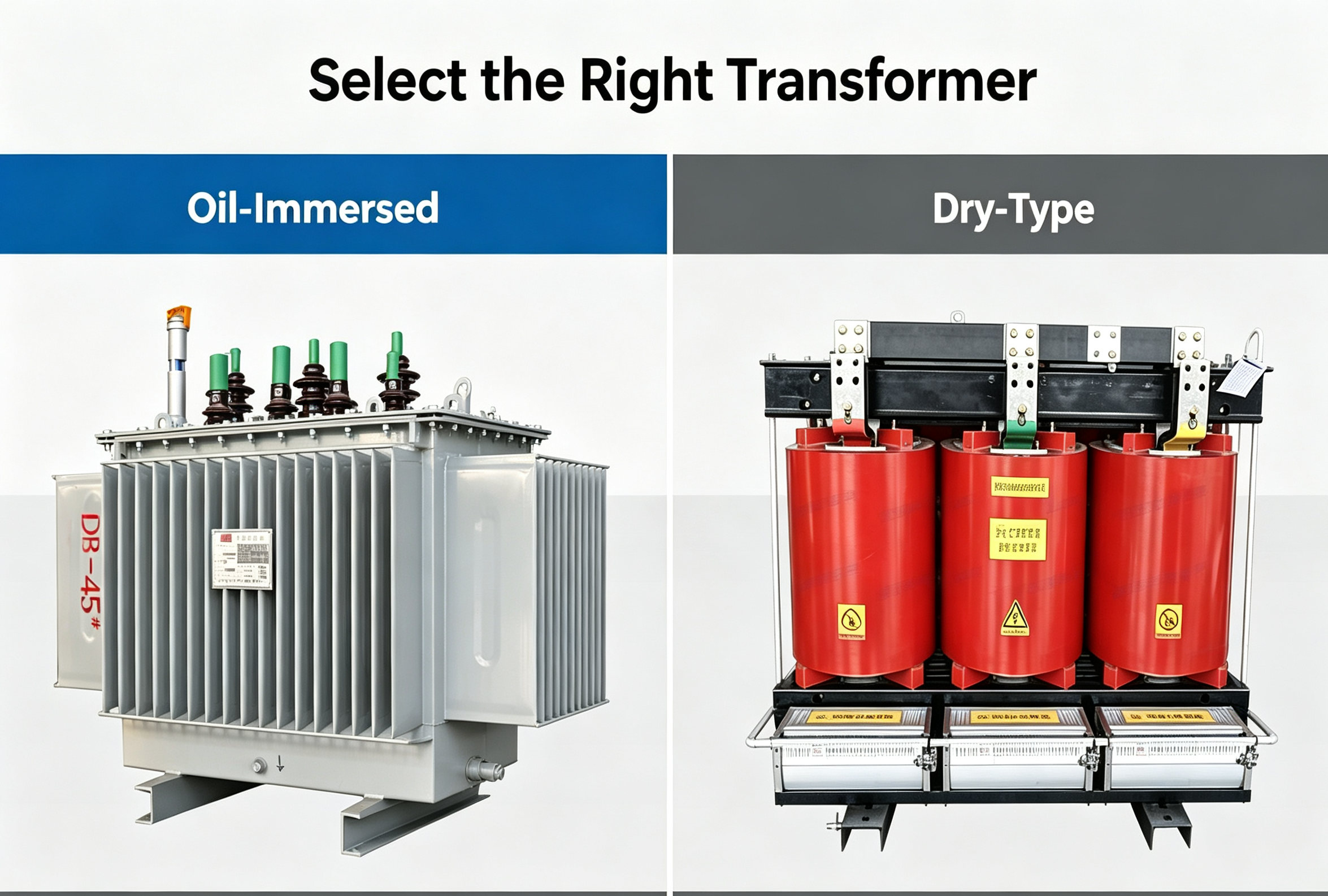
After understanding the technical differences between oil‑immersed and dry‑type transformers, project teams need clear criteria to make the correct selection.
1. Select by installation environment
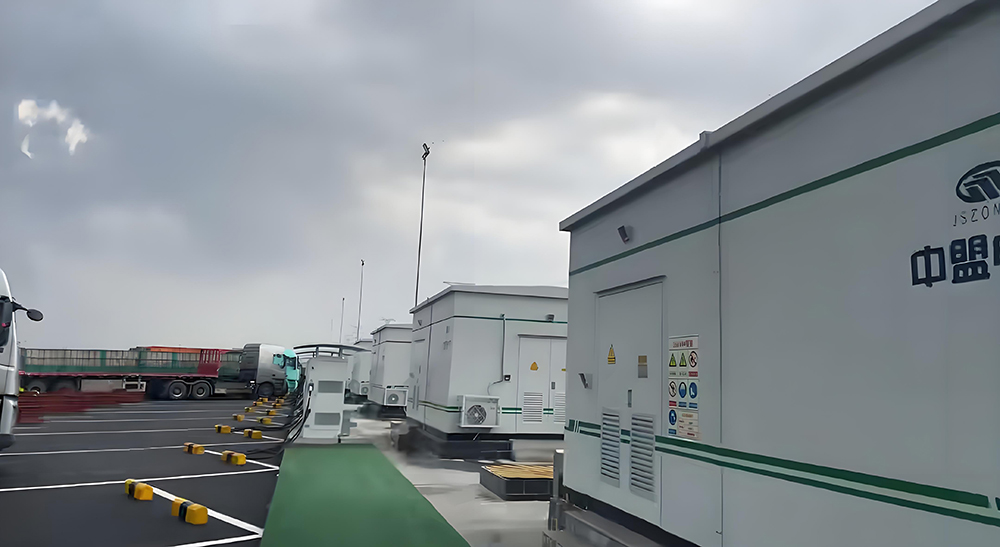
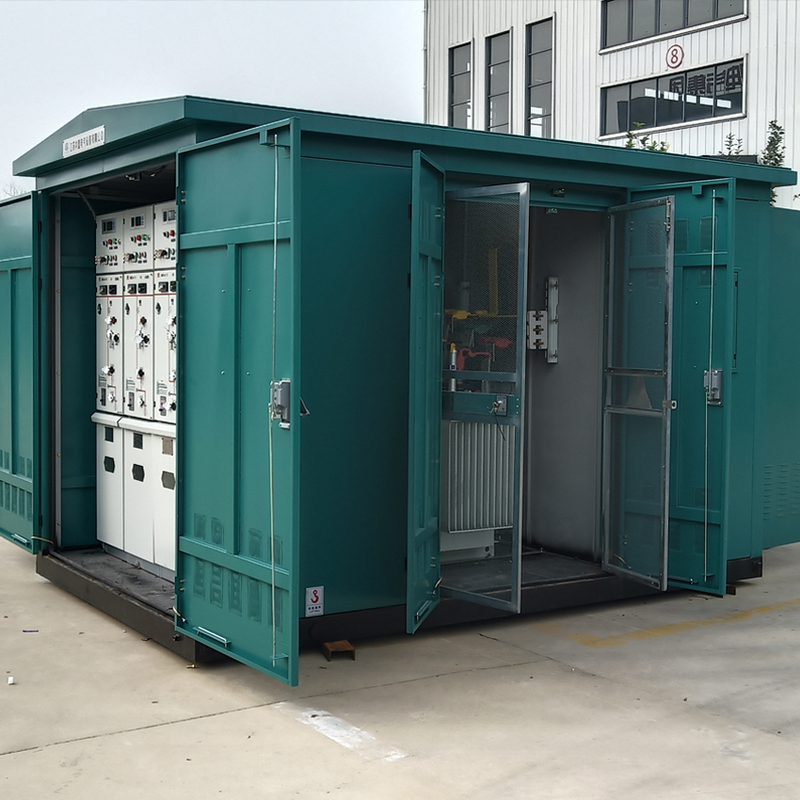
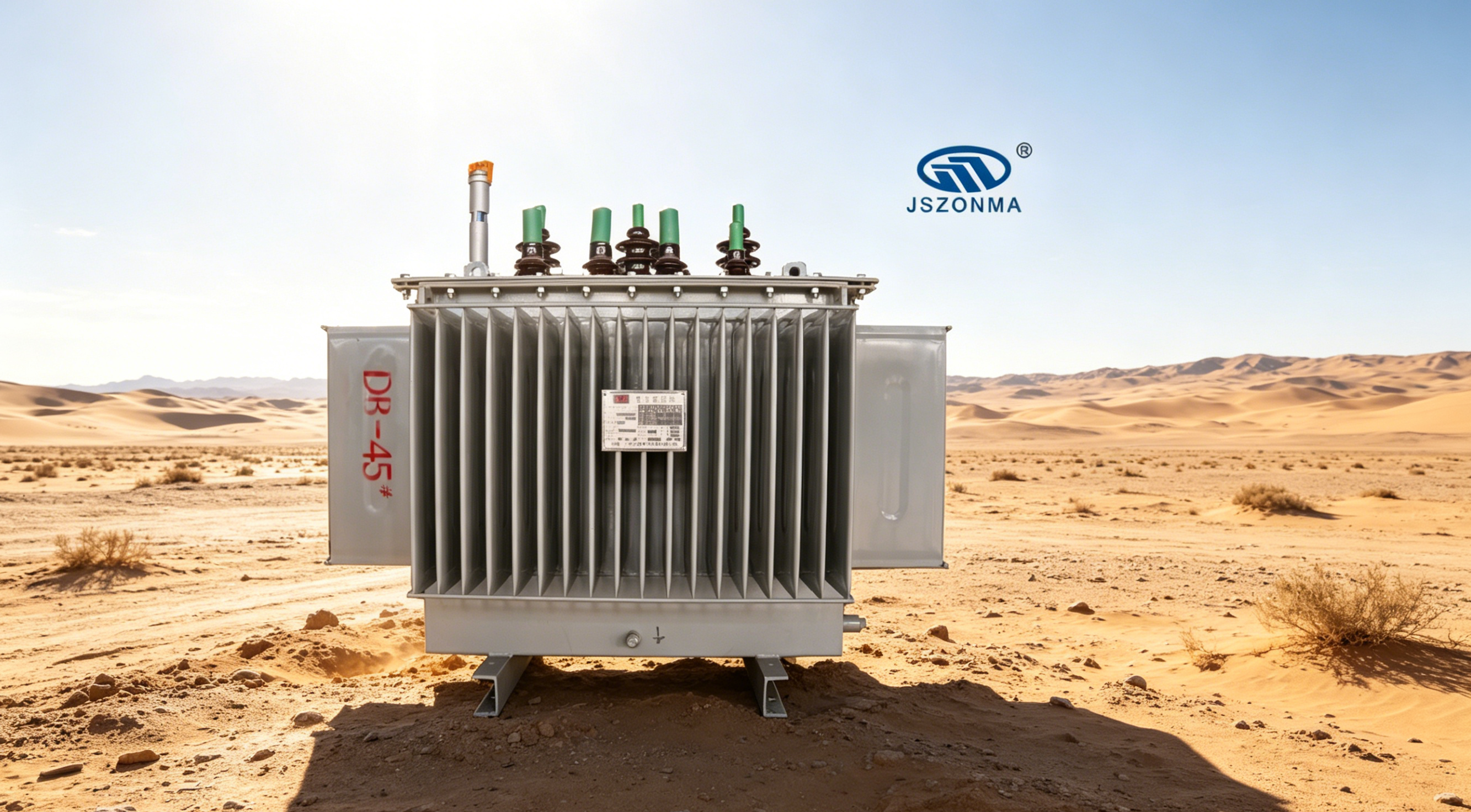
Oil‑immersed transformers deliver good cost performance for outdoor, well‑ventilated sites away from fire hazards.
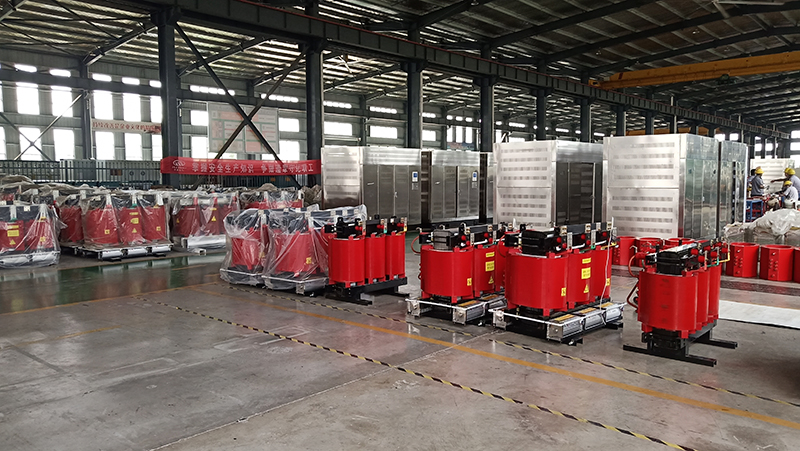
For indoor sites or projects with strict fire protection requirements, dry‑type transformers are mandatory.
2. Select by load condition
Dry‑type transformers withstand frequent full load and overload better. Their epoxy resin reaches H‑class thermal resistance, suitable for unstable peak loads common in commercial and residential power systems.
Oil‑immersed models are more sensitive to overload and prone to accelerated thermal aging.
3. Verify factory test records, do not compare quotations only
Never make purchase decisions based solely on price. Request suppliers’ short‑circuit withstand test reports.
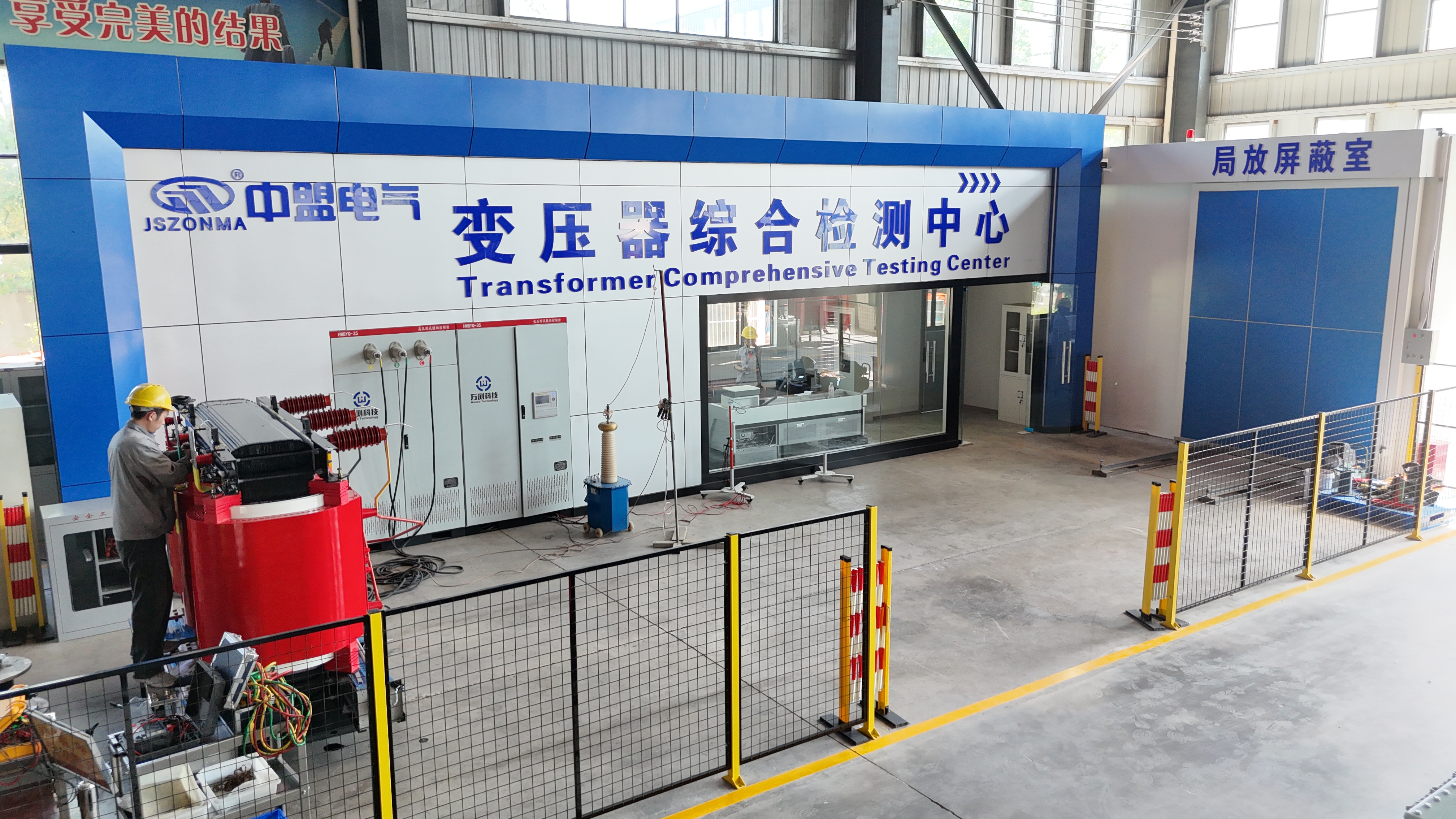
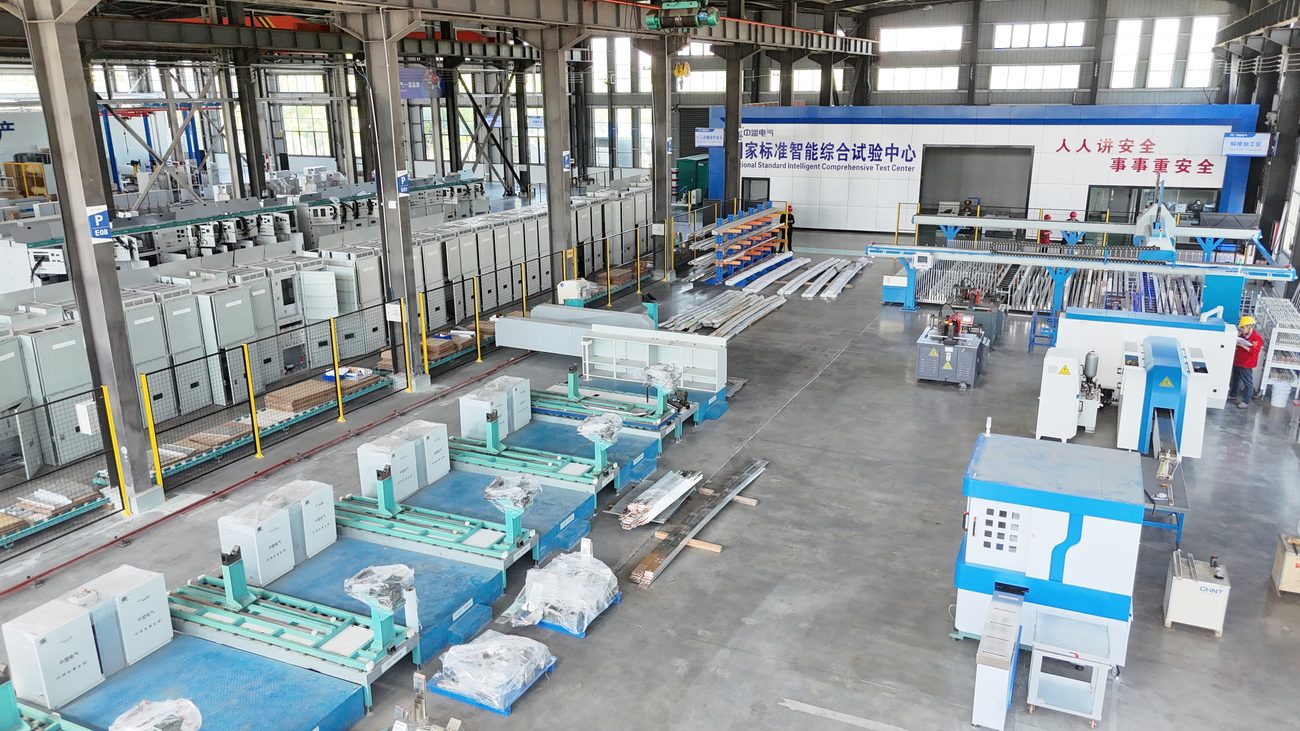
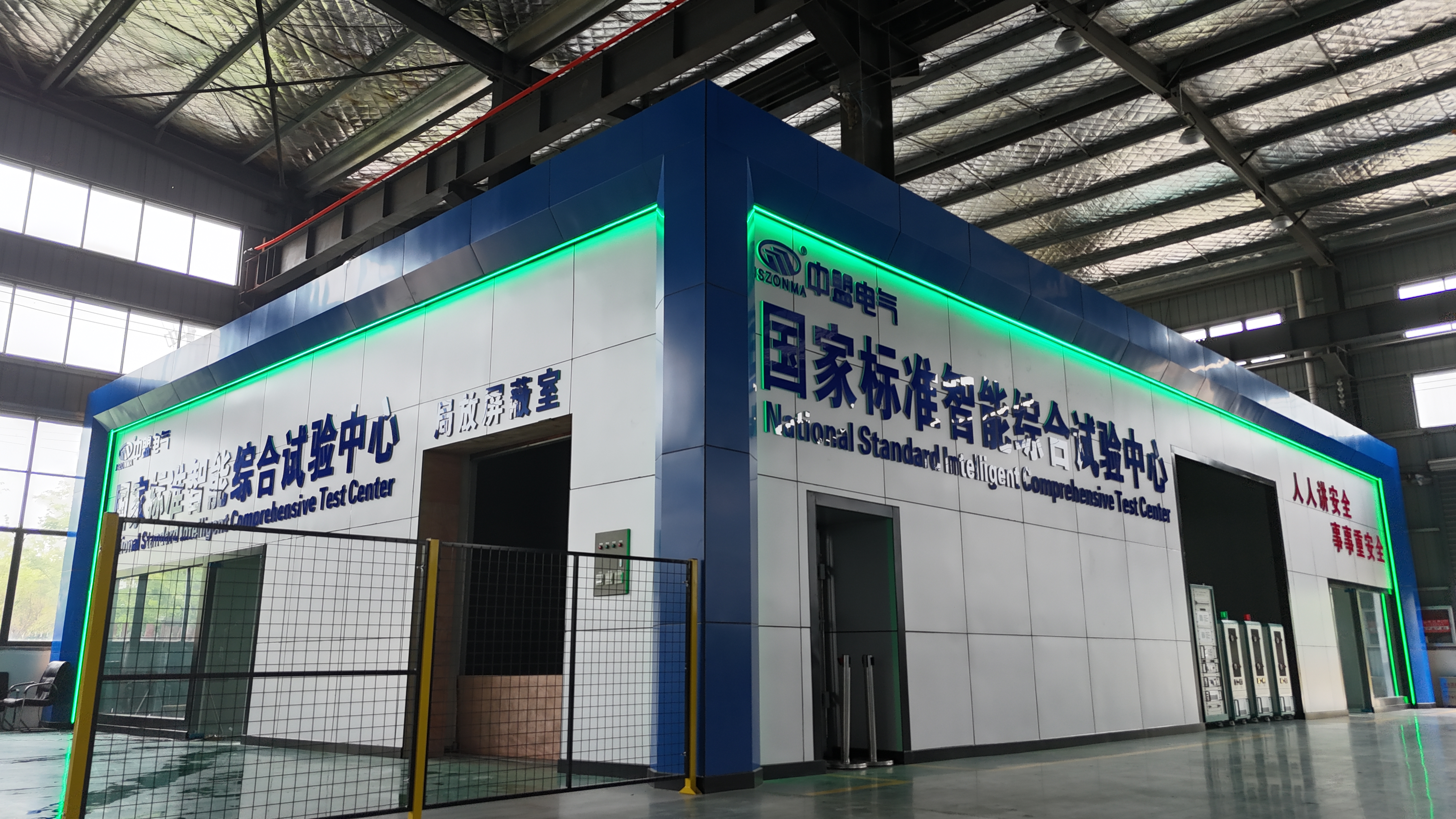
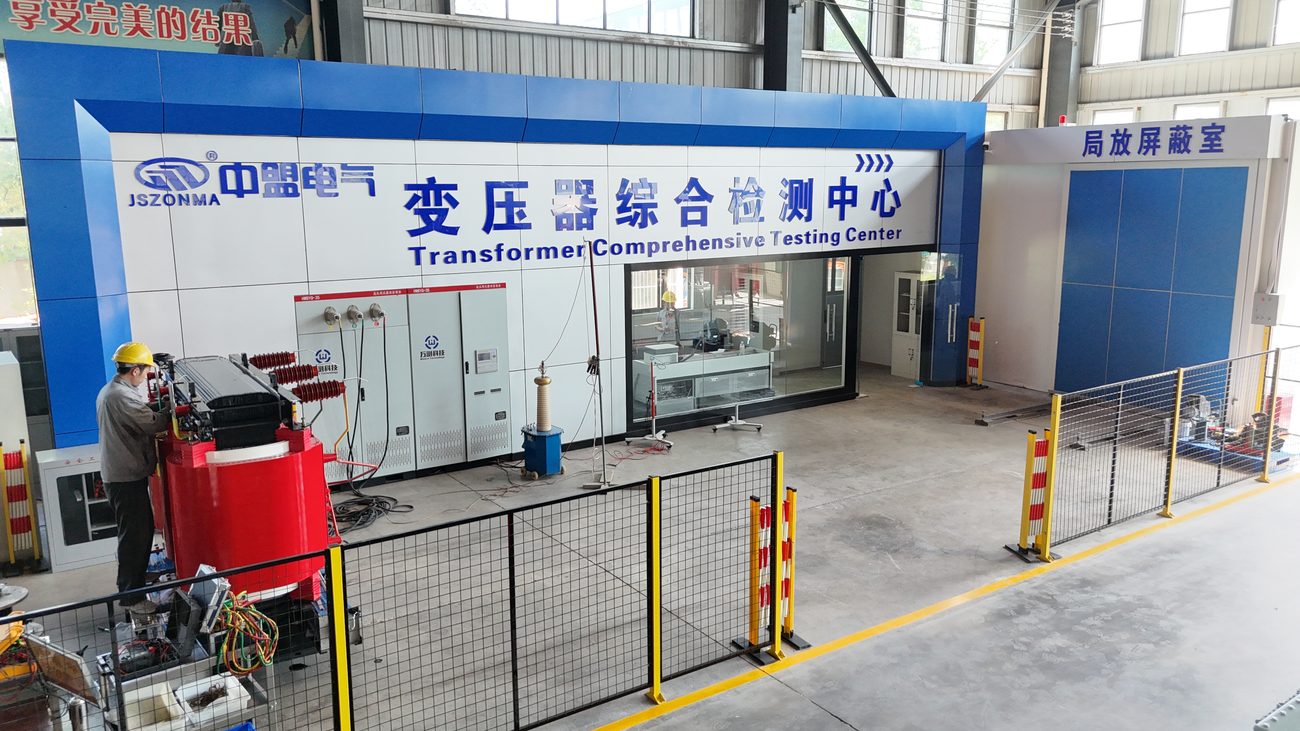
Every transformer manufactured in our factory undergoes partial discharge testing before shipment, with all test data archived for five years.
For overseas projects across Central Asia, Africa and the Middle East, harsh high‑temperature and dusty conditions raise higher requirements for transformer stability.
The core rule remains simple: match transformer type to site conditions and load demands. Proper selection prevents costly mid‑term failures.
Internal link: Link back to Article1 — Which Transformer Selection Trap Costs Project Owners Most? – Distribution transformer,Oil immersed transformer,Dry type transformer-Unita Electric
Contact us – Distribution transformer,Oil immersed transformer,Dry type transformer-Unita Electric