 +86 18751738721
 sales@unitatransformer.com
African climate and site working conditions differ greatly from those in China. It is not advisable to directly copy domestic transformer selection standards. Ambient temperature, humidity, dust and installation space will directly affect the long service life of transformers. Practical selection rules based on installation scenarios are listed below.
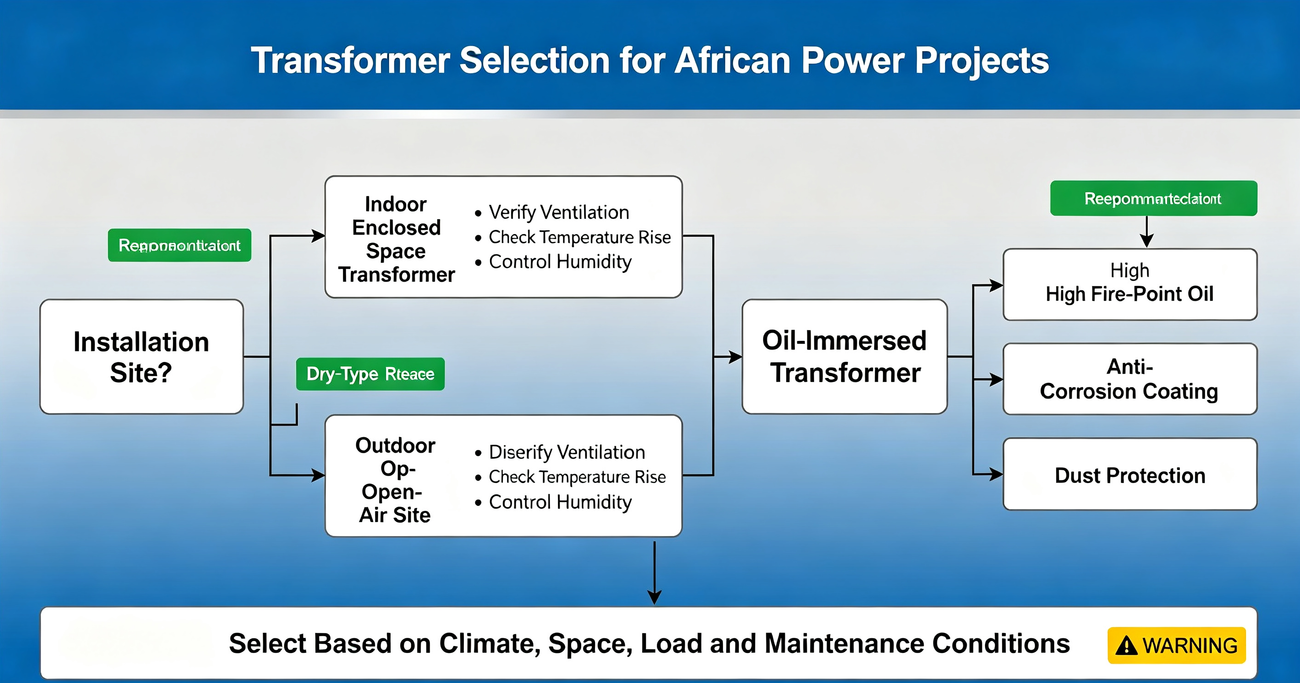
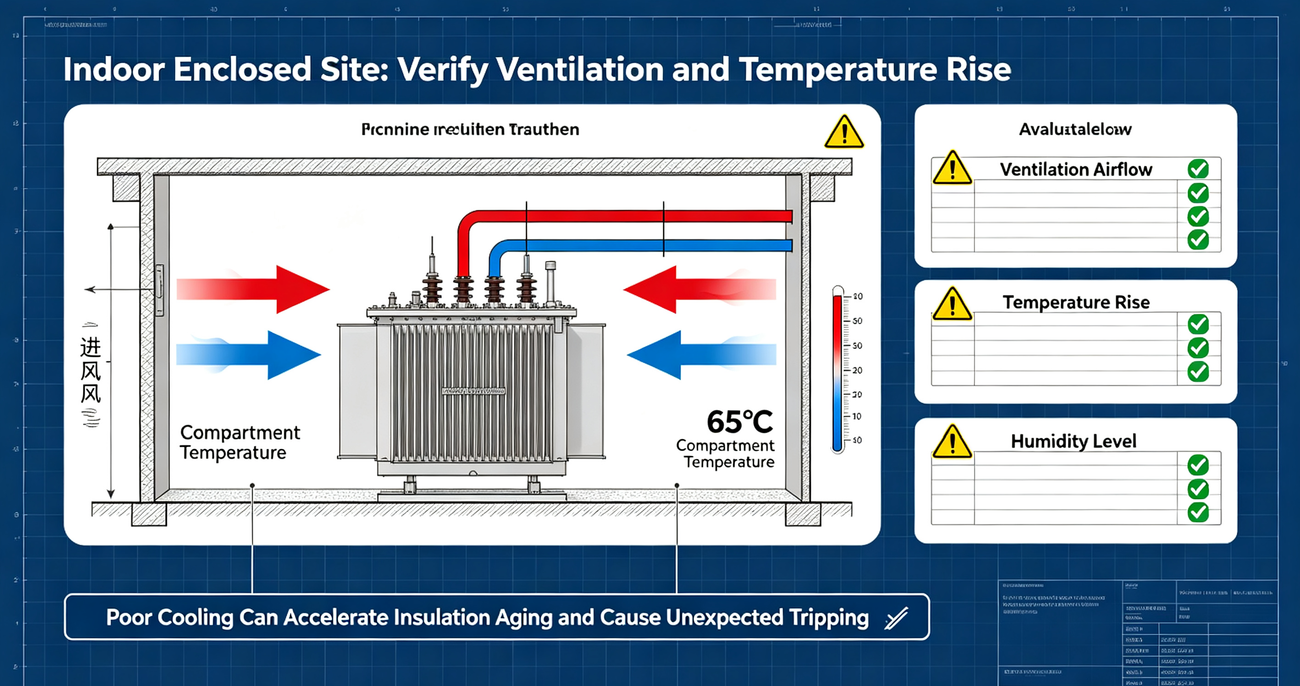
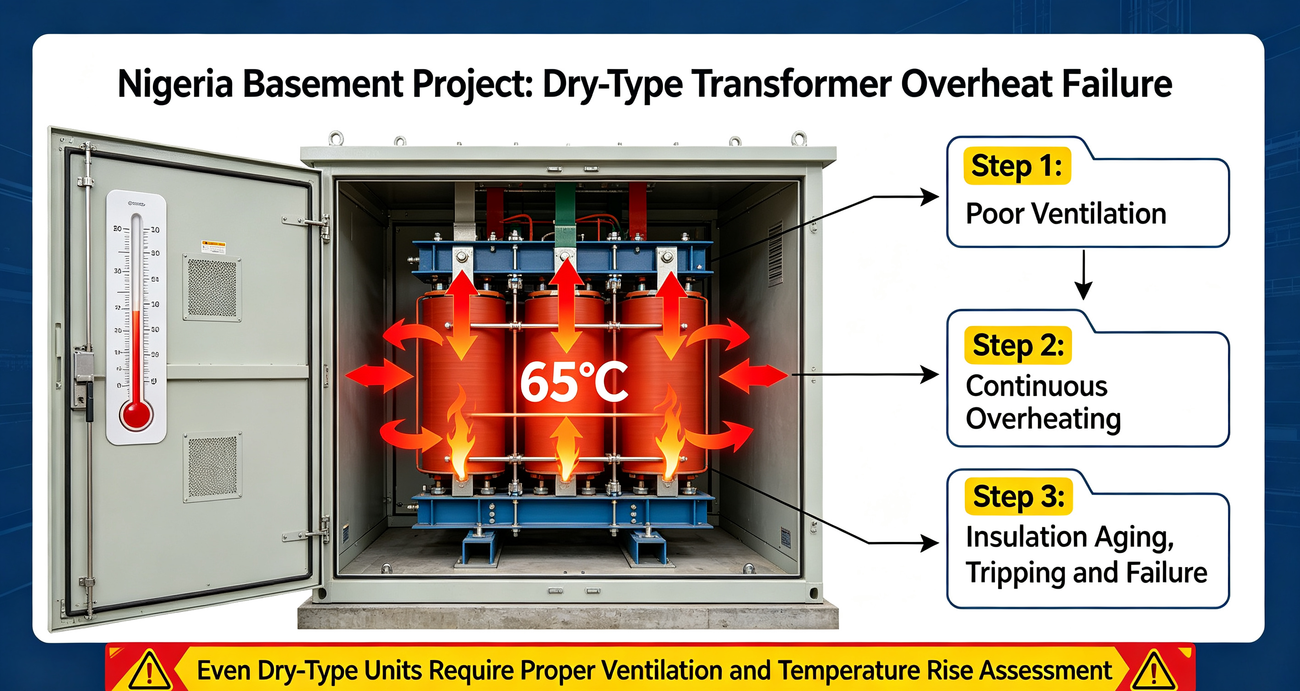
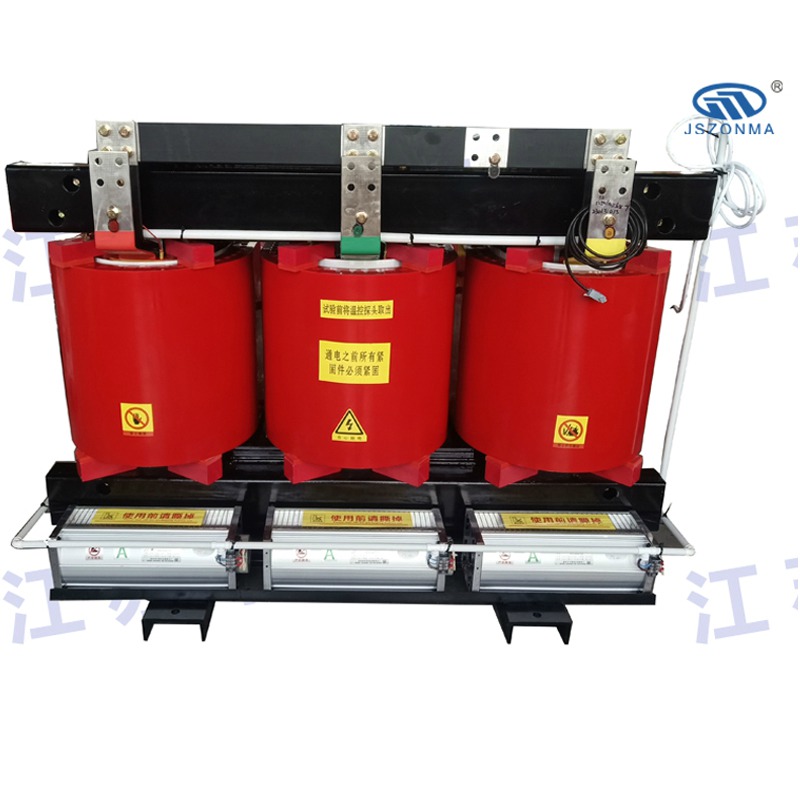
- Dry-type transformers are acceptable for enclosed indoor sites. However, heat dissipation and ventilation must be carefully calculated. For basements, temperature rise and humidity assessment are required to mitigate risks of insulation overheating and aging. Even with dry-type transformers, poor ventilation and inadequate heat dissipation can cause rapid insulation degradation and unplanned shutdowns.
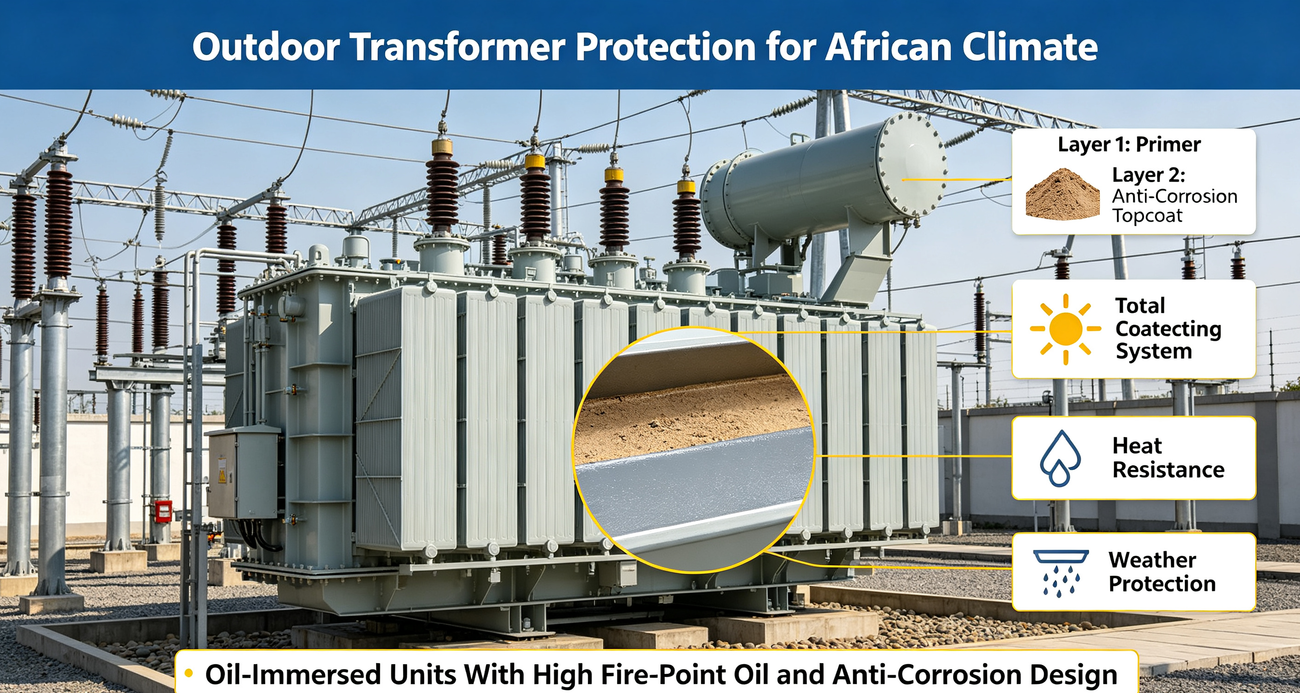
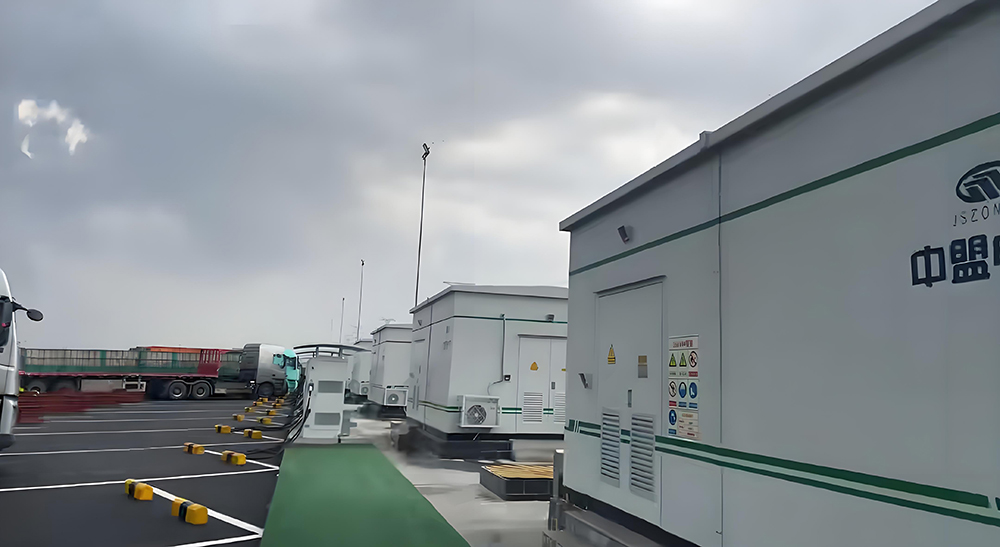
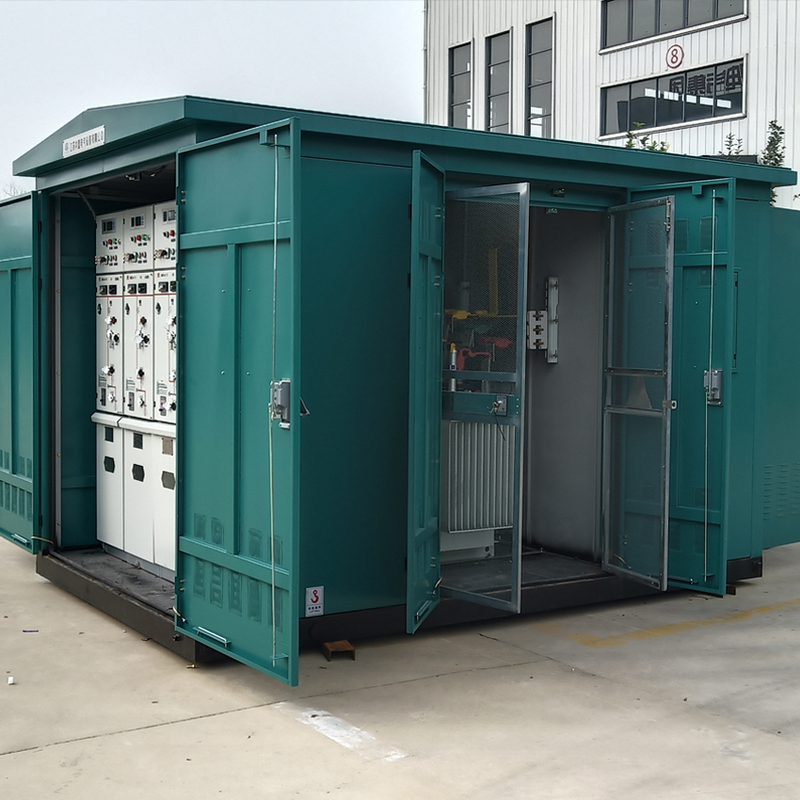
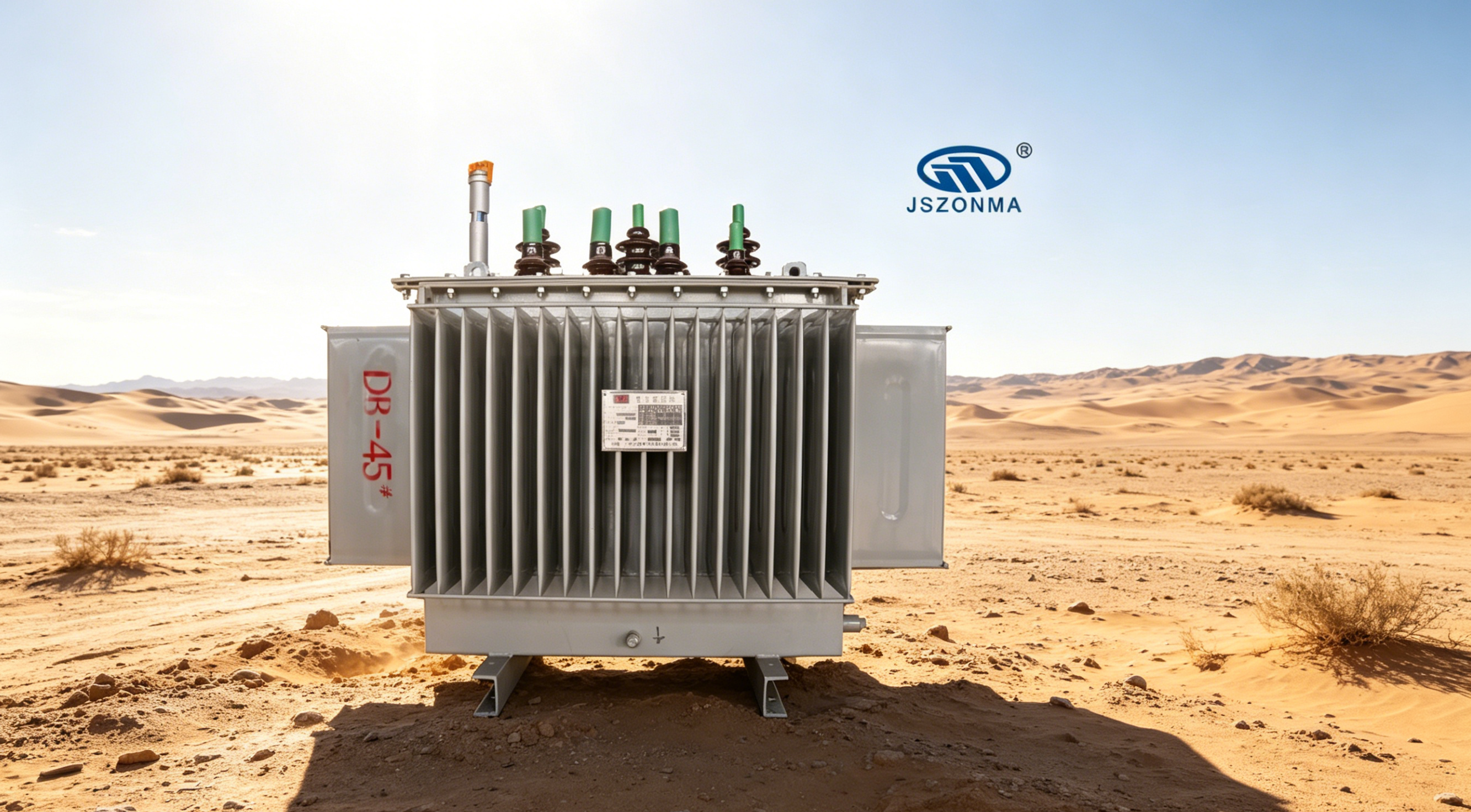
- Outdoor Open-air SitesFor outdoor installations, oil-immersed transformers are preferred. High-fire-point insulating oil together with anti-corrosion and dust-proof design can resist high temperature and sandstorms to prevent premature equipment breakdown.
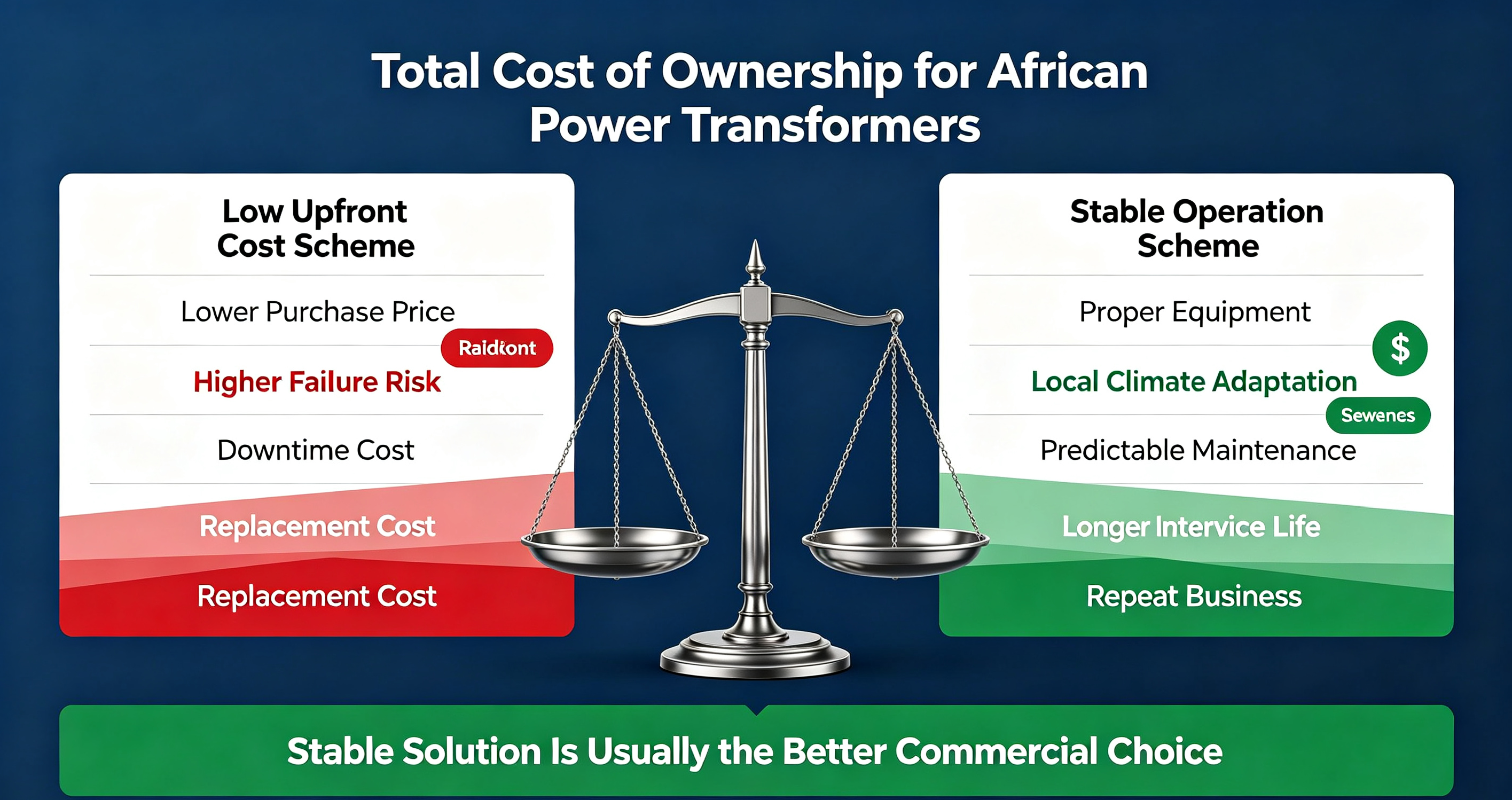
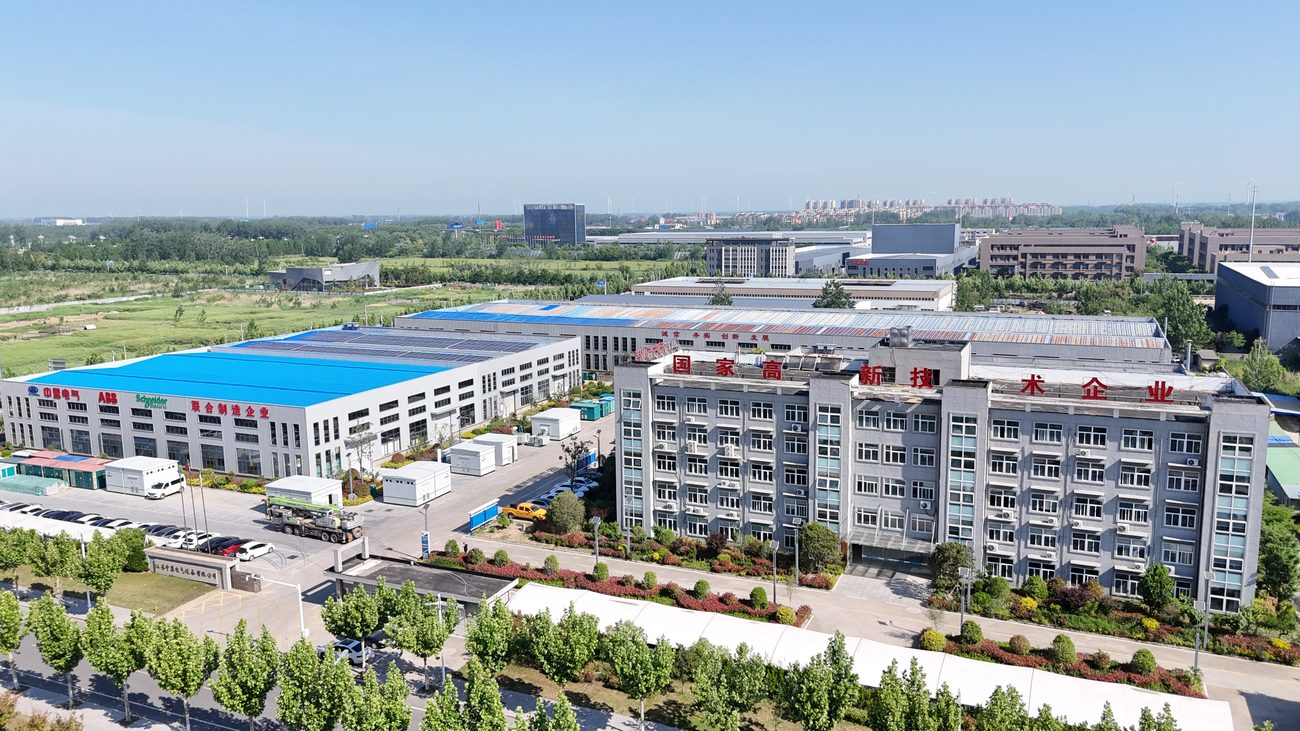
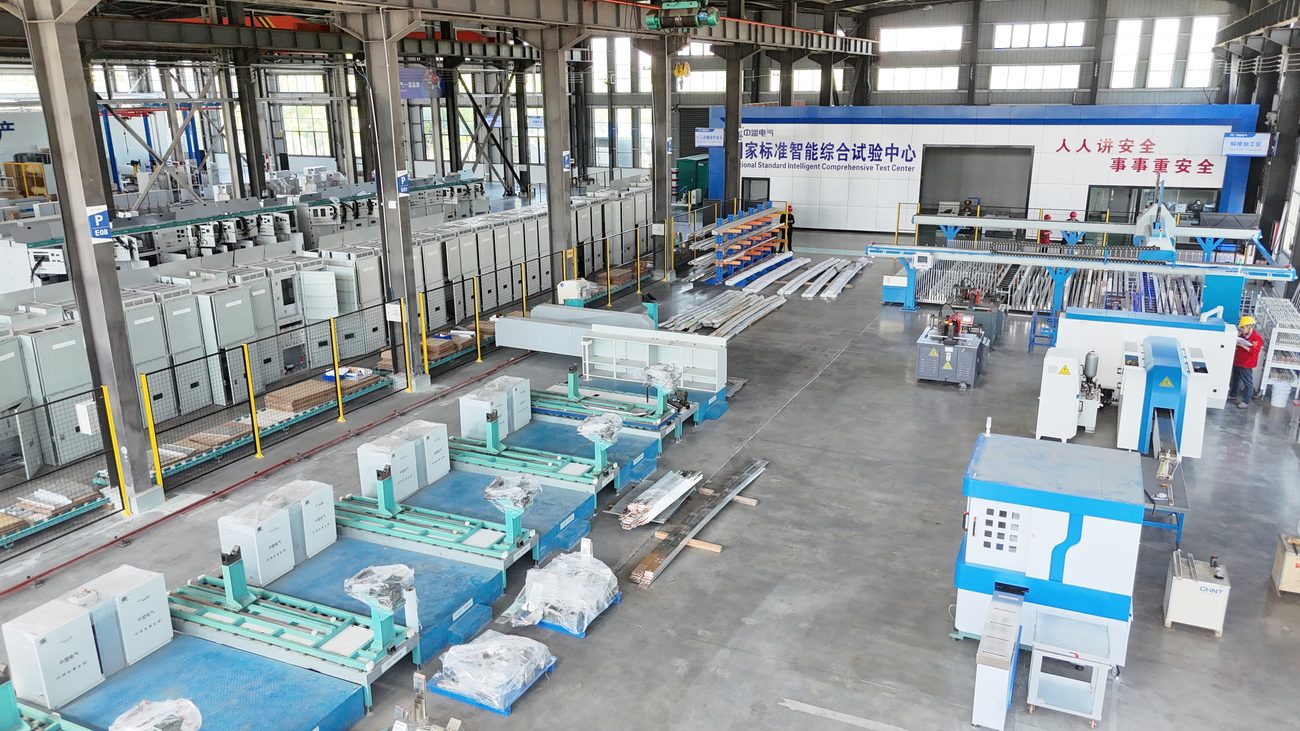
With over ten years of experience in transformer export, we provide two customized solutions for Africa and Middle East projects according to local climate, installation type and load requirement: one for lower initial cost, and the other focusing on long-term operational stability.
Most EPC clients choose the stable solution. In power projects, hidden costs from shutdown maintenance and equipment replacement are usually much higher than the price gap of transformers.
Contact us with your site environment and load parameters for custom transformer evaluation for your African project.
Contact us – Distribution transformer,Oil immersed transformer,Dry type transformer-Unita Electric
One thought on “Practical Guide to Transformer Selection for African Power Projects: Avoid Mismatched Site Condition Risks”
Comments are closed.