 +86 18751738721
 sales@unitatransformer.com
During the construction of new energy EV charging stations, many investors and engineering teams face a common selection question: whether third-level energy-efficiency transformers are still available for new projects. Currently, second-level energy-efficiency transformers have become the unified standard for all high-standard and compliant charging station projects.
Many industry practitioners regard second-level efficiency as an optional upgrade. In fact, it is a mandatory basic configuration for compliance, stable operation and long-term cost reduction. EV charging stations feature drastic load fluctuation, strong harmonic interference and frequent current surges, which put forward higher requirements for transformer performance than ordinary industrial and commercial power distribution scenarios. This article explains the necessity of second-level efficiency transformers based on national standards, on-site pain points and industry operation data.
1. National Standard Compliance: Second-level Efficiency as Industry Access Threshold
Transformer energy efficiency is regulated by the mandatory national standard GB 20052-2024. For newly-built and renovated commercial EV charging and battery swap stations, third-level energy-efficiency transformers shall not be applied for newly purchased and commissioned equipment. Second-level or higher efficiency is the official access standard. Existing in-service transformers are not required for mandatory replacement.
Grid acceptance, project filing and energy-saving audits have become increasingly strict nationwide. Third-level efficiency transformers fail to meet loss indicators and cannot pass official acceptance and grid filing. Many old charging stations equipped with low-efficiency transformers have faced rectification requirements and additional operating costs. Adopting second-level efficiency transformers is not an optional upgrade, but a basic prerequisite for legal and compliant operation.
2. Optimized for Harsh EV Charging Working Conditions
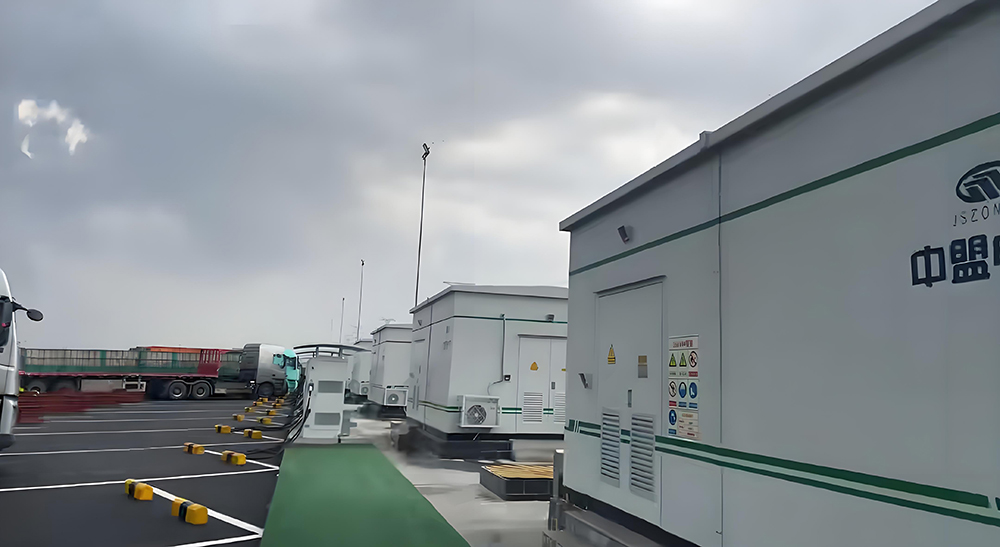
EV charging stations operate under highly fluctuating and high-intensity power conditions. Ordinary third-level efficiency transformers cannot support long-term high-frequency operation, while second-level efficiency models effectively solve three major on-site pain points.
Stable energy-saving under peak-valley load fluctuation
EV station loads change irregularly, with full-load operation in daytime and long-term no-load standby at night. Third-level efficiency transformers cause severe idle power waste. Second-level efficiency transformers adopt optimized electromagnetic design to reduce no-load and load losses, maintaining low energy consumption under all working conditions.
Strong harmonic resistance to delay aging
Rectifier and inverter operation of charging piles continuously generate harmonics, which cause overheating, insulation degradation and tripping faults. Second-level efficiency transformers adopt high-permeability cores and optimized windings to resist harmonic interference, reduce
Enhanced surge and overload resistance
High-power fast charging produces frequent instantaneous current surges. Second-level efficiency transformers feature upgraded anti-short-circuit, anti-surge and overload-resistant structures, adapting to high-intensity operation of fast charging piles and reducing downtime risks.
3. Full Lifecycle Value: Low Upfront Investment, Long-term Profit Growth
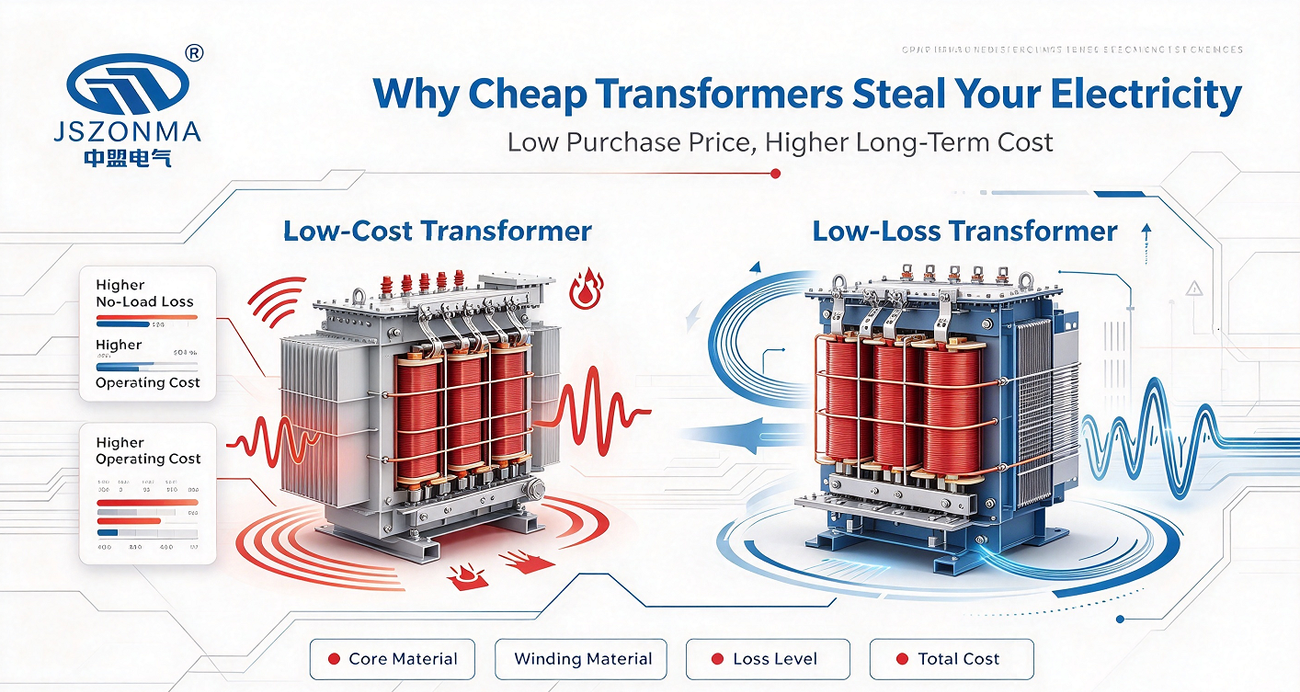
Although second-level efficiency transformers have slightly higher initial procurement costs, they bring significant long-term economic benefits. Compared with traditional third-level efficiency models, S20 and SCB14 second-level efficiency transformers reduce comprehensive energy loss by 3%-5%.
A medium-sized charging station achieves considerable annual electricity cost savings. The extra procurement cost can be recovered within 1 to 2 years, bringing continuous energy-saving benefits throughout the decades-long service life. Meanwhile, second-level efficiency transformers reduce failure rates, maintenance costs and outage losses, improving the overall return on investment of charging stations.
Related Reading: Custom Second-level Efficiency Transformers for EV Charging Stations | VoltCloud Electric Solutions
One thought on “Why EV Charging Stations Need Second-level Efficiency”