+86 18751738721
 sales@unitatransformer.com
Many EV charging-station operators have encountered frustrating faults: the protective relay trips immediately upon switch-on. After repeated re-closing, the transformer may finally power up, yet its windings burn out within less than three years. Manufacturer inspection reports usually point to one root cause: severe insulation aging.
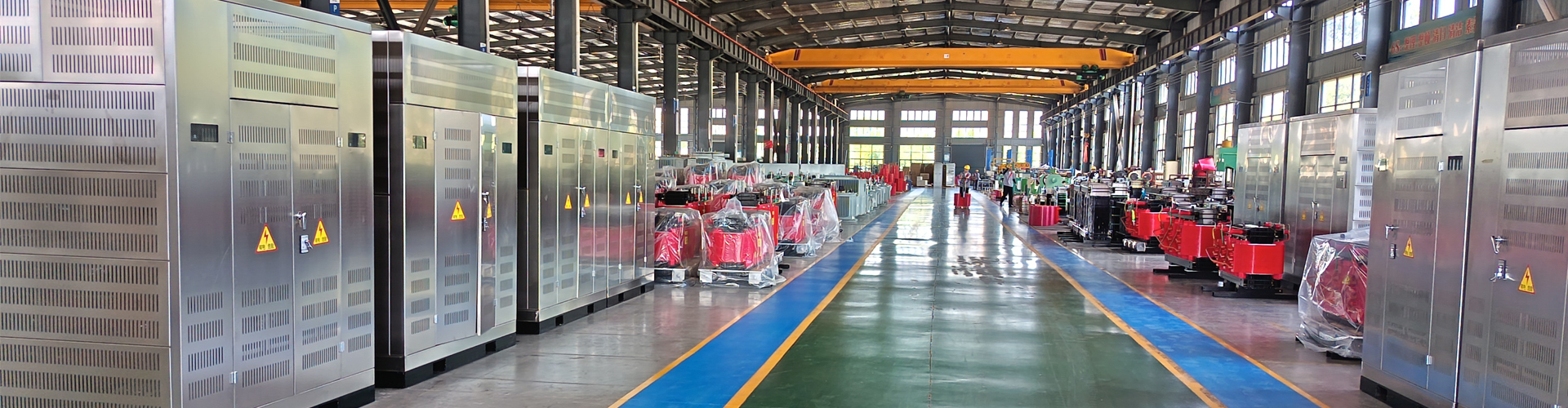
This damage often comes from one overlooked daily operation — frequent transformer start-stop cycles.
To save power costs, some site technicians shut down transformers when no EVs are charging and restart them when vehicles arrive. Though this seems to cut no-load losses, it gradually destroys your high-value transformer asset worth hundreds of thousands.
1. Excitation Inrush Current Damages Transformer Windings
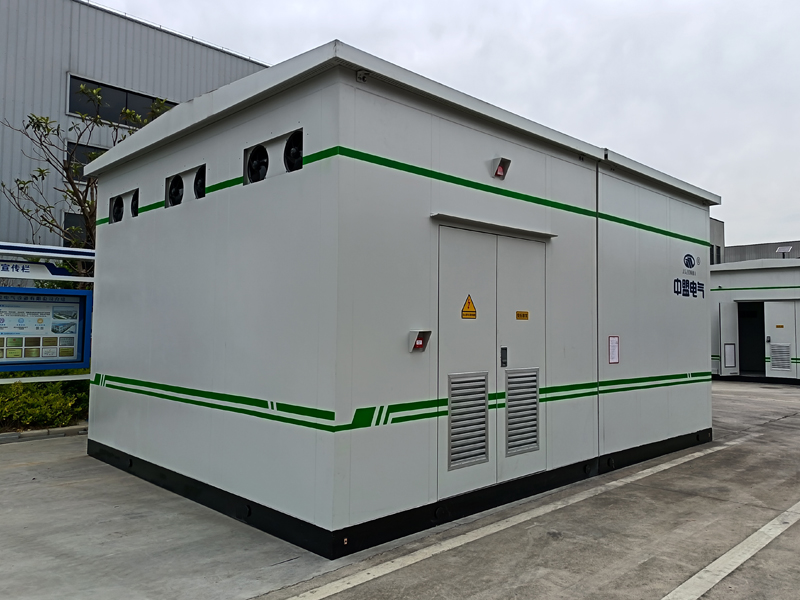
Every time you close the switch to energize a transformer, huge excitation inrush current occurs.
When the iron core builds up magnetic field at switch‑on moment, instantaneous peak current can reach 6-8 times the rated current.
For a 1000 kVA transformer with rated current of 1440 A, inrush current may surge to 8000-10000 A. Such massive current generates strong electromagnetic force, squeezing and pulling transformer coils.
A single switch-on brings minor harm. But repeated daily start-stop cycles loosen and deform windings gradually. Insulation layers over conductors get worn and crushed. Eventually insulation breaks down, leading to short-circuit burnout and site shutdown.
Besides, heavy inrush current can mislead protection relays into recognizing normal energization as short-circuit faults. Operators fall into a vicious loop: trip on closing, no obvious fault found, re-close and trip again, disrupting site operation.
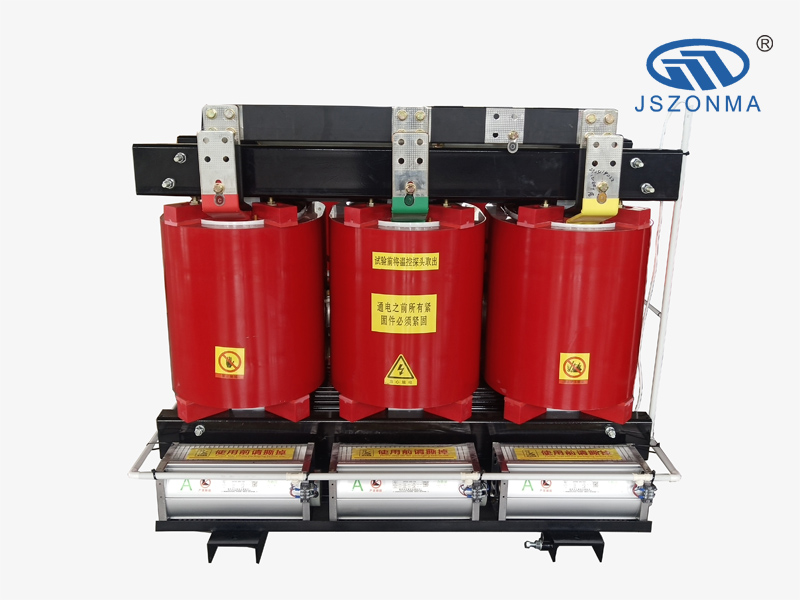
2. Repeated Thermal Cycles Accelerate Insulation Ageing
Transformer windings heat up during operation and cool down after shutdown. Frequent start-stop creates continuous hot-cold cycles that harm internal insulation components.
Copper conductors, insulating paper, epoxy resin and insulating oil feature different thermal expansion coefficients. Metals expand and contract more sharply than insulation materials.
Temperature cycling creates persistent mechanical stress and tiny relative displacement at material interfaces. Insulating paper turns brittle and develops micro-cracks over time. Moisture penetrates through cracks and sharply degrades insulation performance.
A transformer designed for 25-30-year service life may fail due to insulation breakdown within 8-10 years under frequent cycling. The money saved from no-load losses cannot cover new-transformer replacement expenses.
3. Switching Over voltage Causes Hidden Turn-to-Turn Insulation Damage
Switch-off also brings risks besides switch-on shocks.
When cutting power to an unloaded or lightly-loaded transformer, large magnetic energy stored inside the core needs to discharge. Without proper discharge paths, magnetic energy converts into high-magnitude impulse over voltage, several to more than ten times the rated voltage.
Overvoltage propagates across windings and attacks turn-to-turn insulation, one of the weakest points inside transformers. It creates invisible internal defects instead of immediate failure. Hidden damage breaks down completely during the next energization and burns the unit out.
Some transformers do not fail while switching off; they develop latent injuries and collapse at the next power-on.
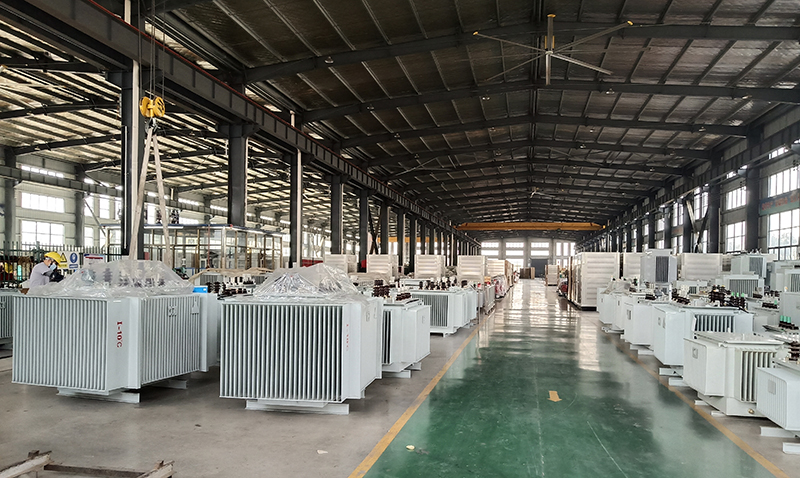
4. Secondary Damages to Switchgear & Grid Power Quality
Frequent start-stop harms not only transformers, but also upstream switchgears and shared power grids.
Damage to high‑voltage switch equipment
Circuit breakers and load switches endure heavy-current impacts at every switching action. Electric arcs erode contact surfaces and mechanical parts wear faster. A circuit breaker rated for 10 000 operations may suffer contact burning or mechanism jamming after merely 3 000 frequent cycles.
Grid voltage fluctuation & harmonic pollution
Excitation inrush current triggers short-term voltage dips during energization. If your charging station shares a 10 KV line with nearby factories or residences, voltage fluctuations may cause malfunctions of frequency converters and precision devices, triggering complaints or compensation claims.
Inrush current contains rich harmonic components and degrades grid power quality. Power-supply authorities may impose power-factor-related penalties once excessive harmonics are detected.
Practical O&M Rules for EV Charging Stations
Heavy loading rarely destroys transformers; frequent cycling does. Add these rules to your site operation manual:
- Allow at least 5-minute interval between two closing operations Do not re-energize immediately after tripping or shutdown. Five minutes enables residual magnetic flux inside the core to decay and avoids amplified inrush current in the next switch-on. It also gives windings and insulation time for temperature stabilization.
- Forbid rapid repeated switching within minutesIf closing triggers a trip, do not force repeated closing. Check fault records from the protection relay, eliminate faults, then re-energize after a minimum 5-minute waiting period.
- Reasonable start-stop strategy If shutdown is required for late-night low-traffic hours, limit to one daily start-stop cycle, e.g. shutdown at 00:00, energize at 06:00.Avoid frequent on-off triggered by each arriving vehicle.
Better solution: Keep the transformer continuously energized and cut power only to downstream EV chargers. For a 1000 kVA high-efficiency transformer, no-load loss sits around 750 W. Daily idle power consumption is below 18 kWh, costing only several thousand USD per year. Compared against transformer replacement investment, continuous energization makes solid economic sense.
Conclusion
The transformer represents one of the most costly single devices at EV charging stations. It handles heavy-duty loads well but cannot endure frequent cycling.
- Frequent closing: Excitation inrush loosens windings → insulation breakdown
- Frequent shutdown: Thermal cycling ages insulation → drastically shortened service life
- Frequent opening: Switching overvoltage creates latent turn-to-turn defects
- Side-effects: Premature switchgear failure, grid disturbance and potential fines
Core O&M principle: Minimize unnecessary transformer start-stop actions. When shutdown is mandatory, observe the 5-minute interval rule and ban rapid repeated switching. Proper daily maintenance protects your large-scale capital investment and keeps transformers running reliably for decades.