+86 18751738721
 sales@unitatransformer.com
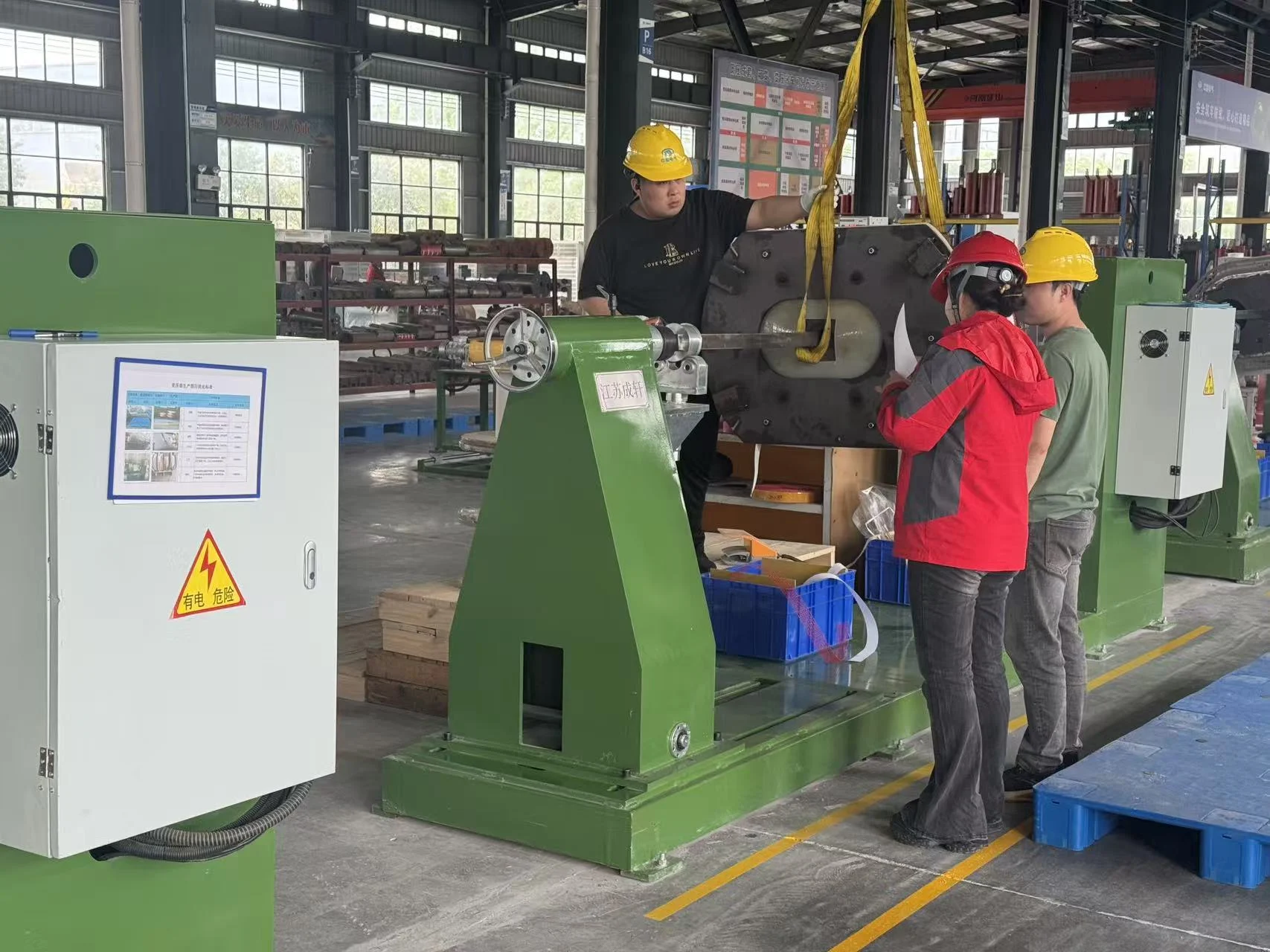
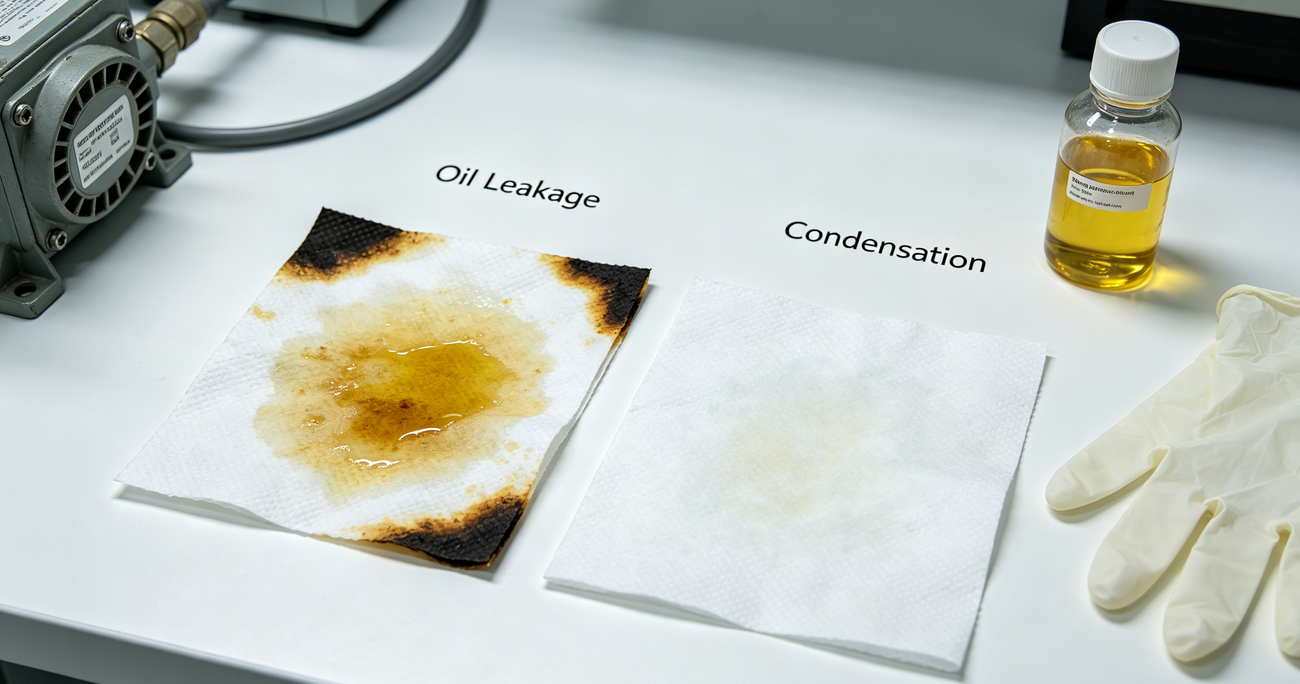
Oil leakage is one of the most frequent abnormal conditions of oil immersed transformers in Southeast Asia. High temperature aging, damp air corrosion, gasket aging and bolt loose vibration are the main triggers. Once leakage occurs, internal cooling and insulation medium will be lost continuously, leading to overheating acceleration, insulation performance decline and even permanent winding damage if left unattended.
Many onsite staff lack standardized handling methods, allowing minor seepage to gradually evolve into severe dripping and large area shell corrosion. Classifying leakage locations and adopting targeted disposal methods can solve most common problems efficiently.
| Leakage Position | Root Cause Analysis | Onsite Phenomenon | Standard Disposal Method |
|---|---|---|---|
| Shell Joint | Aging sealing parts, uneven assembly pressure, edge corrosion | Oil seepage along splicing gap, visible oil stains spreading outward | Clean joint surface thoroughly, replace corrosion resistant sealing accessories, evenly fasten bolts and apply durable sealant |
| Bushing Connection | Installation loose, insulation aging, thread corrosion | Oil accumulation around porcelain sleeve, occasional voltage fluctuation | Power off and disassemble, clean contact surface, replace matched accessories, reseal and fix with standard torque |
| Bolt Fitting Position | Vibration loosening, thread rust, insufficient pressing force | Local slight seepage around bolt perimeter | Clear rust on thread, apply anti oxidation grease, retighten with torque standard |
| Corroded Tank Area | Salt fog erosion, long term damp immersion, surface scratch damage | Rust spot expansion accompanied by oil exudation | Polish rust layer completely, repair surface coating, reinforce anti-corrosion protection in surrounding area |
Any leakage disposal must be carried out under complete power off and cooling state. Clean residual oil stains timely to avoid fire risk. For large area corrosion and severe dripping failure, arrange professional technical personnel for overall maintenance instead of simple temporary plugging. Daily routine inspection of sealing status can effectively reduce the probability of oil leakage failure in high temperature and humid environment.