 +86 18751738721
 sales@unitatransformer.com
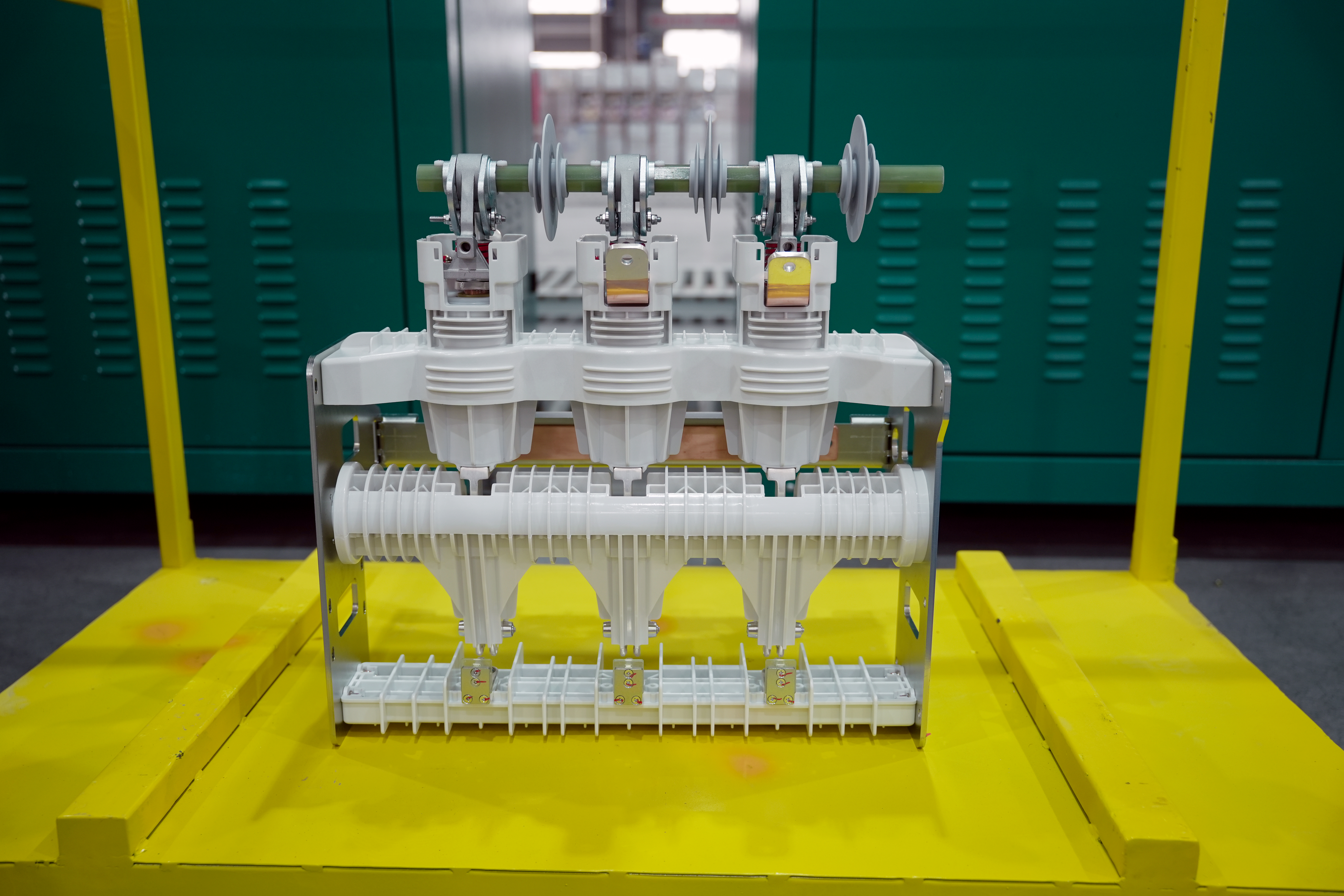
Improper installation is one of the invisible causes of long-term operation losses for power transformers in Southeast Asian regions. Many engineering teams only pursue rapid construction, ignoring standardized installation details such as foundation treatment, sealing structure and grounding configuration. These non-standard operations will not trigger immediate faults, but will continuously increase power consumption, accelerate component aging, and bring long-term economic losses to factories, parks and rural power supply projects.
Combined with the high humidity, salt spray and heavy rain climate characteristics of Southeast Asia, standardized installation is the first line of defense for transformer stable operation. It can effectively reduce later maintenance frequency and extend the overall equipment service life. The following table compares qualified and unqualified installation differences and loss performance:
| Installation Item | Non-standard Construction Performance | Long-Term Hidden Loss | Standard Construction Solution |
|---|---|---|---|
| Foundation Setting | Low-lying placement, uneven base | Waterlogging erosion, equipment vibration damage | Heighten concrete base, level & solid reinforcement |
| Sealing Treatment | Simple assembly, missing waterproof gaskets | Moisture invasion, insulation layer damp aging | Full-circle sealing, anti-corrosion waterproof accessories |
| Grounding Layout | Random wiring, insufficient grounding area | Leakage risk, overvoltage damage | Standard grounding grid, regular grounding resistance test |
| External Protection | No windproof & anti-corrosion measures | Shell rust, fastener loosening | Anti-rust coating, windproof fixing bracket installation |
Investing a small amount of cost in the installation stage can avoid continuous hidden loss expenditure in the later stage, which is the most cost-effective operation and maintenance strategy for overseas power projects.