 +86 18751738721
 sales@unitatransformer.com
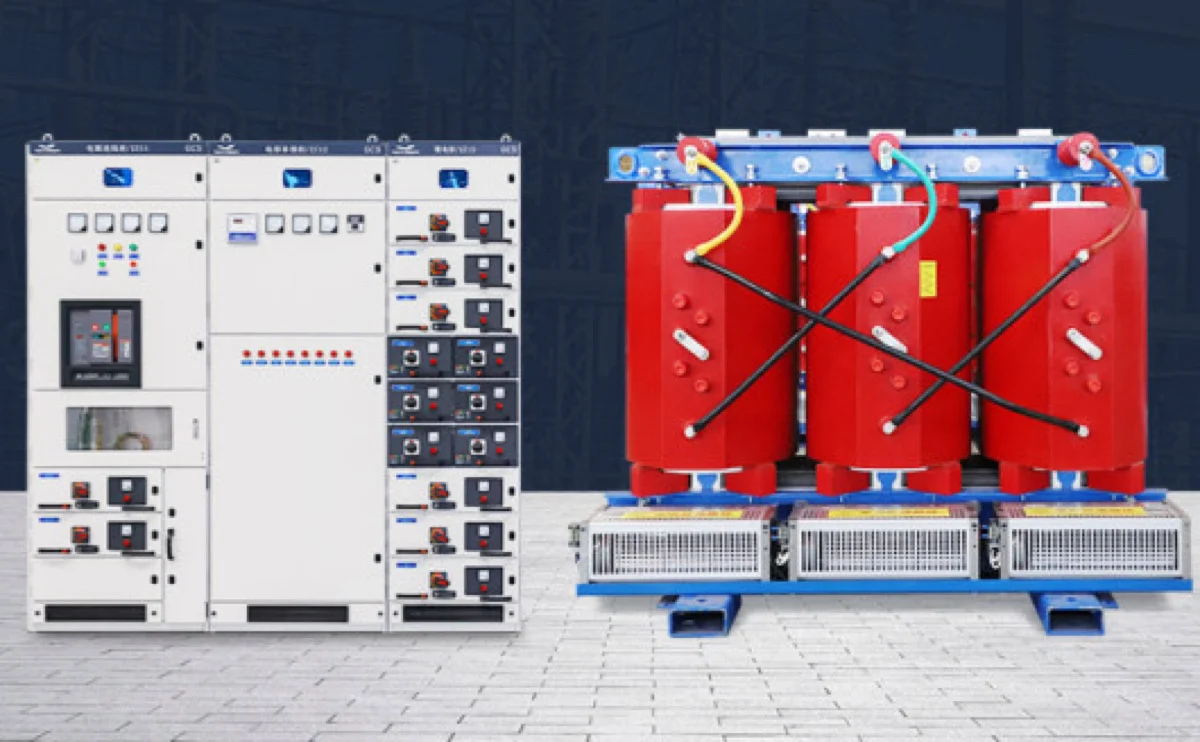
Two Technologies, One Job
Both dry-type and oil-immersed transformers change voltage safely — they differ in how they insulate and cool. This comparison helps you pick the right one.
Comprehensive Comparison
| Factor | Dry-Type | Oil-Immersed |
|---|---|---|
| Dielectric medium | Air / epoxy | Insulating oil |
| Fire safety | Excellent | Needs precautions |
| Maintenance | Low | Oil care required |
| Capital cost | Higher (small/mid) | Lower at high power |
| Environmental | Clean | Leak risk |
| Typical use | Indoor / safe zones | Outdoor / substations |
Decision Shortcut
If the unit sits indoors or fire safety is paramount, choose dry-type. If it is outdoor, high-power, and cost-driven, oil-immersed wins. Get the nuance in our complete guide.
Frequently Asked Questions
Can one replace the other directly?
Often yes on rating, but footprint, cooling, and fire provisions differ — re-check the install.
Which is greener?
Dry-type has no spill risk; modern ester-oil units close the gap on eco-friendliness.
One thought on “Dry-Type vs Oil-Immersed Transformers: A Comprehensive Comparison”
Comments are closed.