 +86 18751738721
 sales@unitatransformer.com
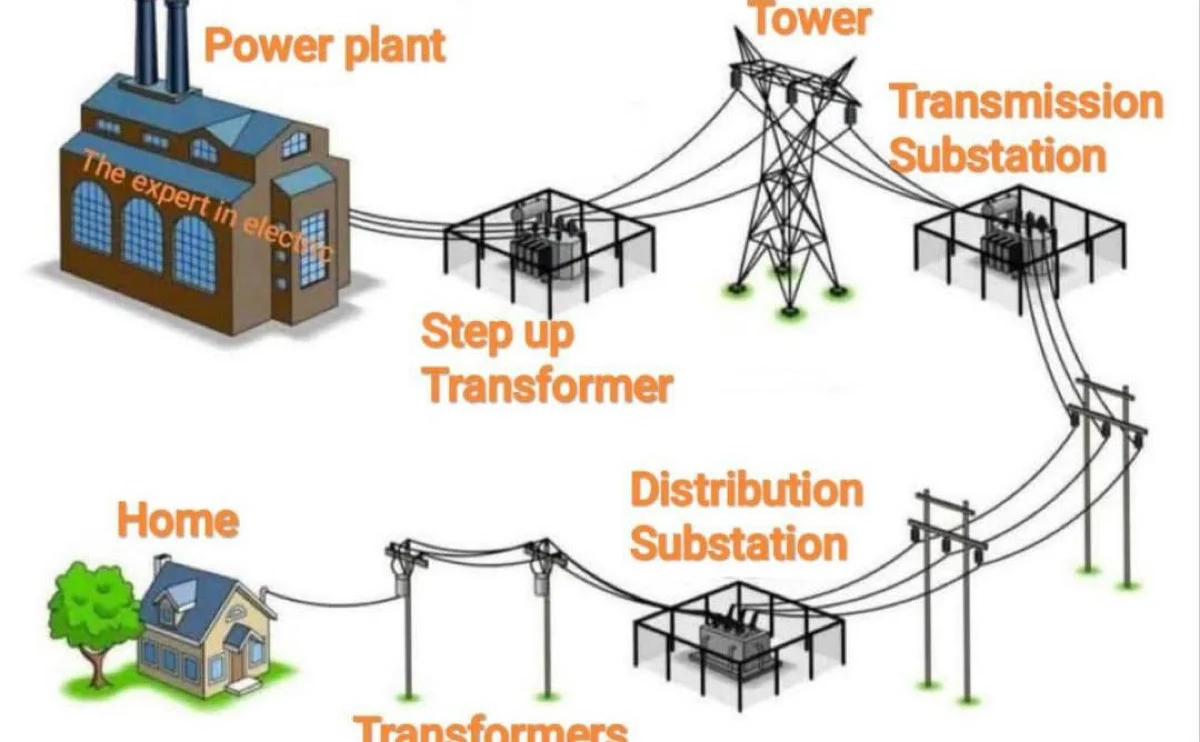
As the core equipment of power systems, the selection of distribution transformers directly impacts power supply reliability and energy efficiency. With numerous products on the market, how can you make a scientific choice? This article breaks down the key selection criteria from five critical dimensions.
1. Load Type Determines Transformer Selection
• Commercial/industrial users: Recommended to use SCB13 dry-type distribution transformers, with noise levels below 55 dB
• Photovoltaic power stations: Require specialized distribution transformers capable of bidirectional operation
• Old residential area upgrades: Amorphous alloy distribution transformers can reduce no-load losses by 40%
2. Energy Efficiency Level = Long-Term Cost
The 2023 national standard classifies distribution transformer efficiency into 3 tiers:
- Tier 1 (most efficient): 15% higher initial cost but recovers price difference within 3 years
- Tier 3 products will be completely phased out by 2025
3. Installation Environment is Decisive
(Comparison Table)
| Environment | Recommended Type | Advantages |
|---|---|---|
| Underground substations | Dry-type distribution transformers | Fireproof & moisture-resistant |
| Outdoor substations | Oil-immersed distribution transformers | Superior heat dissipation |
| High-altitude areas | Special insulation distribution transformers | High voltage resistance |
4. Smart O&M Becomes Standard
High-quality distribution transformers should feature:
✓ Wireless temperature monitoring
✓ Self-diagnostic fault detection
✓ Mobile APP remote control
5. Supplier Qualification Checklist
✔ State Grid qualified supplier certification
✔ Complete type test reports
✔ Minimum 5-year warranty commitment