 +86 18751738721
 sales@unitatransformer.com
**1. ** Introduction
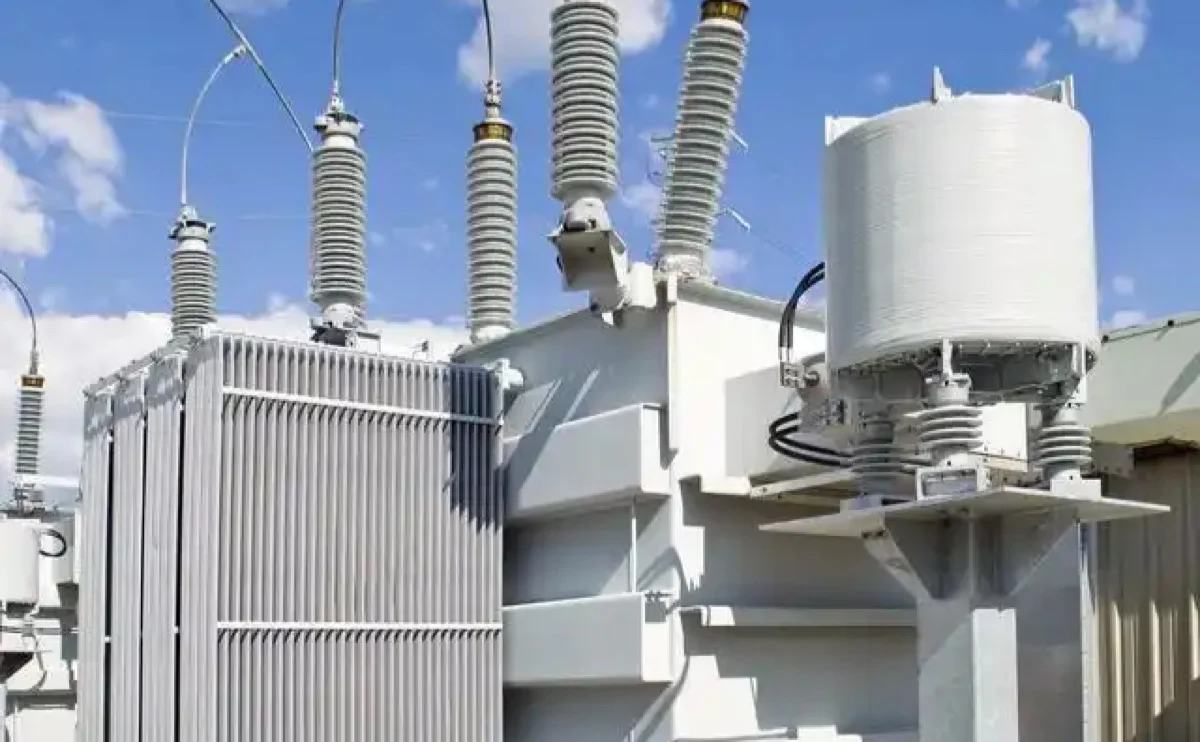
Oil-immersed transformers remain the cornerstone of electrical power distribution, offering unmatched reliability, efficiency, and scalability. As energy demands grow and grids modernize, these transformers continue to evolve with smart technologies and sustainable materials. This article explores their technical advantages, emerging innovations, and future trends in power infrastructure.
**2. ** Core Advantages of Oil-Immersed Transformers
✅ Superior Cooling & Efficiency
- Mineral oil insulation provides 40% better heat dissipation than dry-type alternatives.
- Lower operating temperatures extend lifespan (30+ years vs. 20-25 for dry-type).
- Amorphous metal cores reduce no-load losses by 70% (DOE 2023 standards).
✅ High Reliability in Extreme Conditions
- Sealed tanks prevent moisture and dust ingress (IP67 protection).
- Withstands short-circuit currents up to 50kA (IEC 60076 certified).
- Arctic & desert variants available (-60°C to +55°C operation).
✅ Cost-Effectiveness
- Lower initial cost (30-50% cheaper than dry-type per kVA).
- Minimal maintenance (oil testing every 3-5 years).
**3. ** Smart Innovations Transforming the Industry
🔹 IoT & AI Integration
- Real-time DGA (Dissolved Gas Analysis) predicts faults weeks in advance.
- Digital twins simulate stress conditions for proactive maintenance.
- Edge computing enables local decision-making without cloud dependency.
🔹 Eco-Friendly Materials
- Natural ester oils (biodegradable, fire-safe up to 350°C).
- Recyclable copper & aluminum windings (95% recovery rate).
- Hemp-based insulation paper (lower carbon footprint).
🔹 Grid-Interactive Features
- Dynamic load adjustment for renewable energy fluctuations.
- Harmonic filtering (THD <3% for sensitive industrial equipment).
- Black start capability for emergency power restoration.
**4. ** Key Applications Across Industries
| Industry | Use Case | Key Benefit |
|---|---|---|
| Utility Grids | 500kV transmission substations | Handles multi-GW power flows |
| Industries | Steel plants, data centers | High overload tolerance |
| Renewables | Wind & solar farm step-up units | Stable voltage regulation |
| Urban Power | Underground substations | Compact, low-noise operation |
**5. ** Oil-Immersed vs. Dry-Type: Key Differences
| Factor | Oil-Immersed | Dry-Type (Epoxy Resin) |
|---|---|---|
| Cooling | Oil-based (higher efficiency) | Air-cooled (limited capacity) |
| Lifespan | 30+ years | 20-25 years |
| Maintenance | Oil testing every 3-5 years | No oil, but sensitive to humidity |
| Cost (per kVA) | $800-$1,200 | $1,500-$2,500 |
| Best For | Outdoor, high-power applications | Indoor, fire-sensitive locations |
**6. ** Future Trends & Sustainability
🚀 Smart Grids & Digitalization
- Blockchain-secured monitoring for tamper-proof data.
- AI-driven load forecasting to optimize transformer usage.
🌱 Green Transformer Initiatives
- Carbon-neutral manufacturing by 2030 (Siemens, ABB roadmaps).
- Fully recyclable designs (modular disassembly).
⚡ High-Efficiency Standards
- DOE 2027 regulations mandating >99% efficiency for new units.
- Superconducting transformers (pilot projects in EU/US).
**7. ** Buyer’s Guide: How to Choose the Right Transformer?
📌 Key Selection Criteria
- Capacity (50kVA to 500MVA options).
- Voltage class (10kV, 35kV, 110kV, etc.).
- Efficiency tier (DoE Tier 1, IEC 60076).
- Smart features (IoT, DGA, remote control).
🏆 Top Manufacturers
- Siemens (EnergyLite™ series).
- ABB (Trafogas™ eco-design).
- Hitachi (Amorphous metal core models).
- TBEA (Cost-effective Chinese OEM).
**8. ** Conclusion: Why Oil-Immersed Transformers Still Dominate
Despite the rise of dry-type alternatives, oil-immersed transformers remain the most reliable and cost-effective solution for high-power applications. With smart upgrades, eco-materials, and IoT integration, they are evolving to meet next-gen grid demands.