Many purchasers and EPC contractors encounter marketing claims stating “lifetime maintenance‑free transformers”. This sounds appealing, yet no high‑voltage power transformer can operate totally unattended throughout its service life. Believing such over‑stated slogans may lead to insulation breakdown, catastrophic failure, project delay and heavy financial losses.
Whether oil‑immersed or dry‑type, transformers suffer from oxidation, moisture ingress, dust accumulation and environmental erosion. Even well‑manufactured units require periodic inspection and service.
1. Oil‑immersed Transformer: Insulating Oil Determines Service Condition
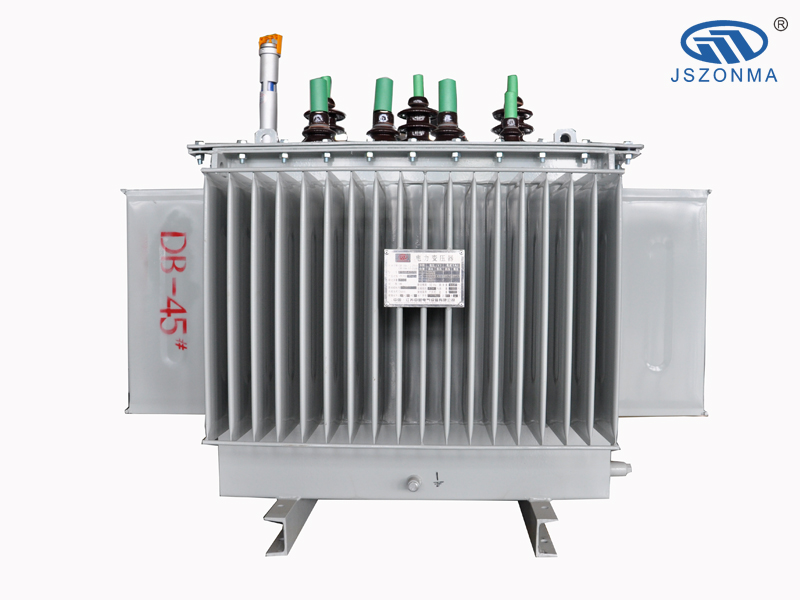
Insulating oil provides insulation and heat dissipation for oil‑immersed transformers. During long‑term operation, oil will degrade through oxidation, moisture contamination and metallic impurities, which sharply reduce dielectric strength.
‑ Industry recommendation: Take oil samples for lab analysis at least once per year, testing dielectric strength, moisture content and acid value.
‑ Without oil filtering or replacement when indicators degrade, internal electric arcs may occur and eventually destroy windings.
Note: For dusty Central‑Asia or hot‑humid African sites, oil degradation accelerates; shorten sampling intervals accordingly.
2. Dry‑type Transformer: No Oil Does NOT Mean No Maintenance
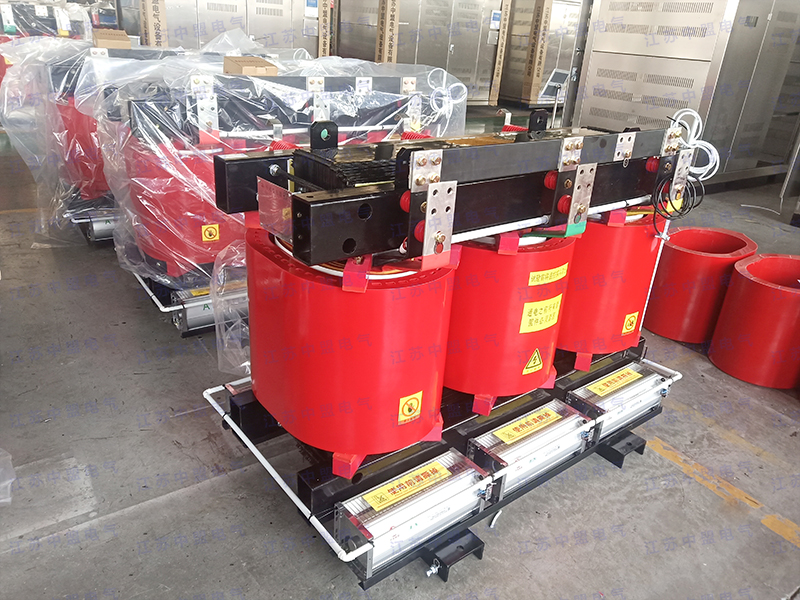
Some buyers assume dry‑type transformers require zero maintenance because they contain no insulating oil. This is incorrect. Dry‑type units rely on air convection and cooling fans for heat dissipation, with epoxy resin as main insulation. Main risks include:
Cooling‑fan blockage or failure leads to over‑temperature and accelerated insulation ageing;
Heavy dust clogs cooling channels, especially in desert and Gobi regions of Central Asia & North Africa;
Thermal cycling, UV radiation and environmental stress may cause epoxy resin cracking over years.
Routine work includes dust cleaning, fan function check and visual inspection for resin cracks. Neglecting inspection will eventually trigger failures.
3. Real‑world Case: Heavy Losses Caused By “Maintenance‑free” Claim
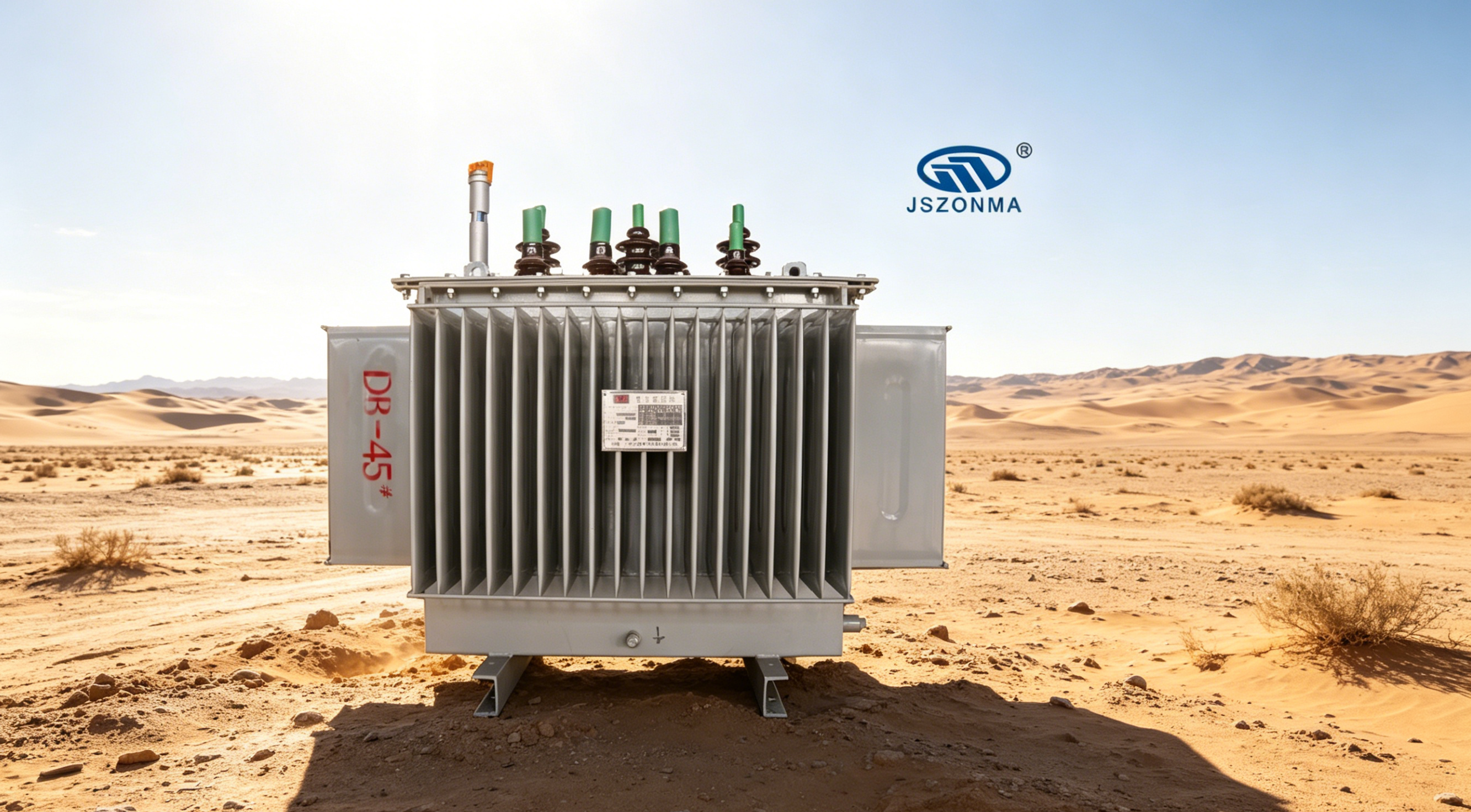
One distributor purchased an outdoor transformer advertised as “lifetime maintenance‑free” to cut costs. Only two years after commissioning, heavy rain caused insulation breakdown and total unit failure.
Besides full equipment loss, project schedule was delayed and the distributor paid around 200 000 CNY compensation. The original manufacturer could no longer be contacted after the accident.
This demonstrates the real‑world risk of trusting over‑hyped “maintenance‑free” marketing.
4. Why Do Some Manufacturers Promote “Lifetime Maintenance‑free”?
It is purely marketing‑driven. The “maintenance‑free” slogan reduces buyer concerns and speeds‑up sales.
Nevertheless, manufacturers cannot control on‑site conditions: temperature, dust, humidity and actual load variations. The “lifetime maintenance‑free” statement contradicts real‑world engineering practice.
5. Responsible Manufacturer Practice: Honest Guidance Instead Of Exaggeration
Reliable manufacturers avoid misleading “maintenance‑free” claims. Instead, they deliver clear service guidance: what items to inspect and recommended service intervals.
Our factory principles:
Complete maintenance manuals supplied with every unit, for both oil‑immersed and dry‑type transformers. English / Russian versions are available for export orders.
Remote technical support for abnormal conditions, with on‑site service available when required.
A transformer is comparable to an automobile: premium build quality cannot remove the need for regular maintenance. Periodic inspections extend service life and prevent severe accidents.
Conclusion
Do not expect “set‑and‑forget” high‑voltage transformers. Stay alert to “lifetime maintenance‑free” marketing hype. Build reasonable maintenance schedules adapted for local site conditions (domestic China, Central‑Asia, Africa desert / coastal sites). Regular inspection is the real way to secure power‑supply safety and lower total‑of‑ownership‑cost.
Inspection intervals & checklist for oil‑immersed and dry‑type transformers, including special notes for Central‑Asia and African harsh‑site conditions.
Box‑type prefabricated substation selection guide for residential projects in China, Central‑Asia and Africa. Tips on capacity, IP rating, anti‑corrosion, earthing and regional certification requirements.
China Unita Electric offers factory‑direct dry‑type transformers with full‑chain quality control. Custom solutions for energy‑storage, PV, high‑altitude & coastal projects.
China Unita Electric GB 20052-2024 compliant transformers are customized for EV charging and battery swap stations, with strong harmonic & surge resistance and stable energy-saving performance.
Based on GB 20052-2024 national standard, learn why second-level energy-efficiency transformers are mandatory for new EV charging stations. Understand compliance rules, operational pain points and long-term energy-saving benefits.
China Unita Electric offers extended full‑unit warranty and free preventive inspection for PV step‑up box substations. 24h response and full core‑component coverage for solar power plants.
Learn the exact cost proportion of transformer, switchgear and enclosure for 10kV box substations. Know why prefabricated container substations dominate modern PV EPC projects.
Explore 2026 Africa power market trends, renewable energy growth, T&D infrastructure gaps, and business opportunities for electrical equipment manufacturers and exporters.
Frequent start‑stop cycles cause excitation inrush current, switching overvoltage and insulation aging for transformers. Master practical O&M guidelines for your EV charging station.
EU Ecodesign Tier 2 is mandatory for power transformers sold in Europe. Learn official scope, loss limits, exemptions, common errors and full compliance steps for solar and distribution transformer exports.
 +86 18751738721
 sales@unitatransformer.com
One thought on “Are Transformers Truly Maintenance‑free For Life? A Practical Maintenance Guide”
Comments are closed.