 +86 18751738721
 sales@unitatransformer.com
1. What Is an Oil-Immersed Transformer?
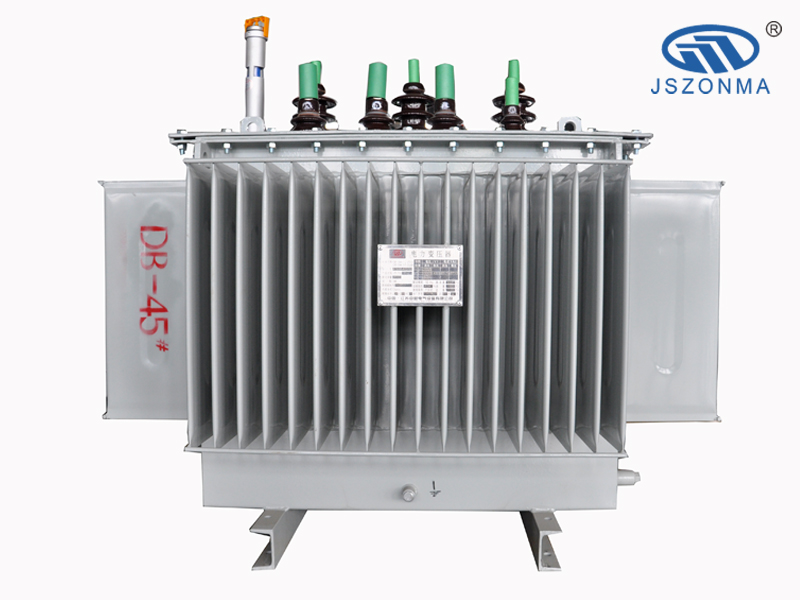
An oil-immersed transformer is a type of power transformer that uses mineral oil as both an insulating medium and a cooling agent. It is one of the most widely used transformers in power grids worldwide.
Inside the sealed steel tank, the core and windings are fully submerged in transformer oil. This oil prevents electrical breakdown and dissipates heat generated during operation. Compared to dry-type transformers, it is known for its low cost, high reliability and strong overload capacity.
2. How It Works: The Core Principle
It operates on the basic principle of electromagnetic induction. When alternating current flows through the primary winding, it creates a magnetic field in the iron core. This magnetic field then induces voltage in the secondary winding, stepping the voltage up or down as needed.
The oil plays two critical roles in this process:
- Insulation: It prevents arcing between windings, even at high voltages.
- Cooling: Heat from the core and windings is transferred to the oil. The oil circulates naturally or via forced convection, dissipating heat through the external radiator fins.
3. Key Components & Functions
3.1 Core & Windings
The heart of the transformer, made of high-grade silicon steel sheets and copper windings. It converts and transfers electrical energy efficiently.
3.2 Transformer Tank & Radiators
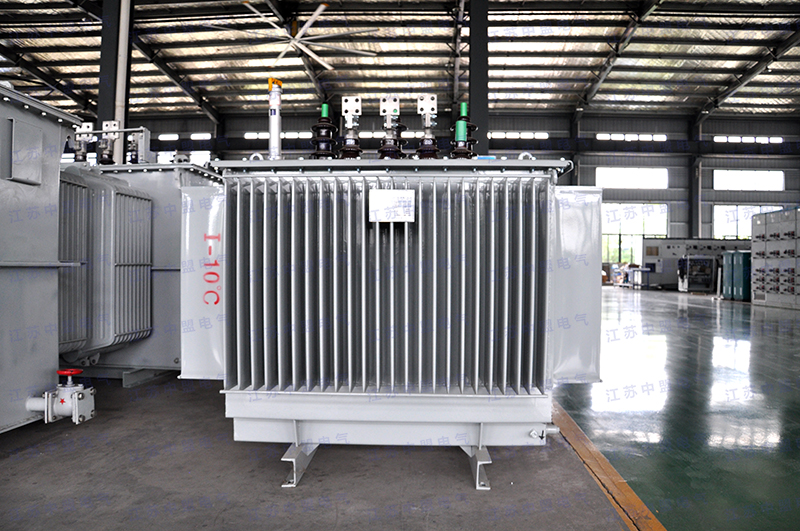
The sealed steel tank holds the oil. The corrugated fins or radiators you see on the side are designed to expand the surface area for better heat dissipation.
3.3 Insulating Oil
Special mineral oil that provides insulation, cooling, and protection against moisture and oxidation.
3.4 Bushings
The ceramic or polymer components on the top that allow electrical connections to pass through the tank wall safely.
3.5 Protection Devices
Including the conservator tank, breather, pressure relief valve and Buchholz relay, which monitor pressure, temperature and internal faults.
4. Why Choose Oil-Immersed Transformers?
✅ High Efficiency & Low Loss: Advanced core materials reduce no-load and load losses, saving energy over the long term.
✅ Strong Overload Capacity: The oil cooling system allows it to handle temporary overloads better than air-cooled alternatives.
✅ Long Service Life: With proper maintenance, they can operate reliably for 25–30 years.
✅ Cost-Effective: Lower initial cost and simpler installation compared to dry-type transformers.
✅ Wide Adaptability: Suitable for outdoor substations, industrial plants, commercial facilities and utility grids.
5. Typical Applications
- Utility Power Grids: Substations and distribution networks.
- Industrial Facilities: Factories, mining sites and manufacturing plants.
- Commercial Buildings: Shopping malls, hospitals and office complexes.
- Renewable Energy Projects: Wind farms, solar power plants and energy storage stations.
6. Maintenance & Safety Tips
- Regular Oil Testing: Check for moisture, acidity and dielectric strength annually.
- Leak Inspection: Ensure there are no leaks around the tank, valves or gaskets.
- Temperature Monitoring: Keep an eye on top-oil temperature to prevent overheating.
- Keep Vents Clear: Ensure the radiator fins are not blocked by dust or debris.
Home – Distribution transformer,Oil immersed transformer,Dry type transformer-Unita Electric