+86 18751738721
 sales@unitatransformer.com
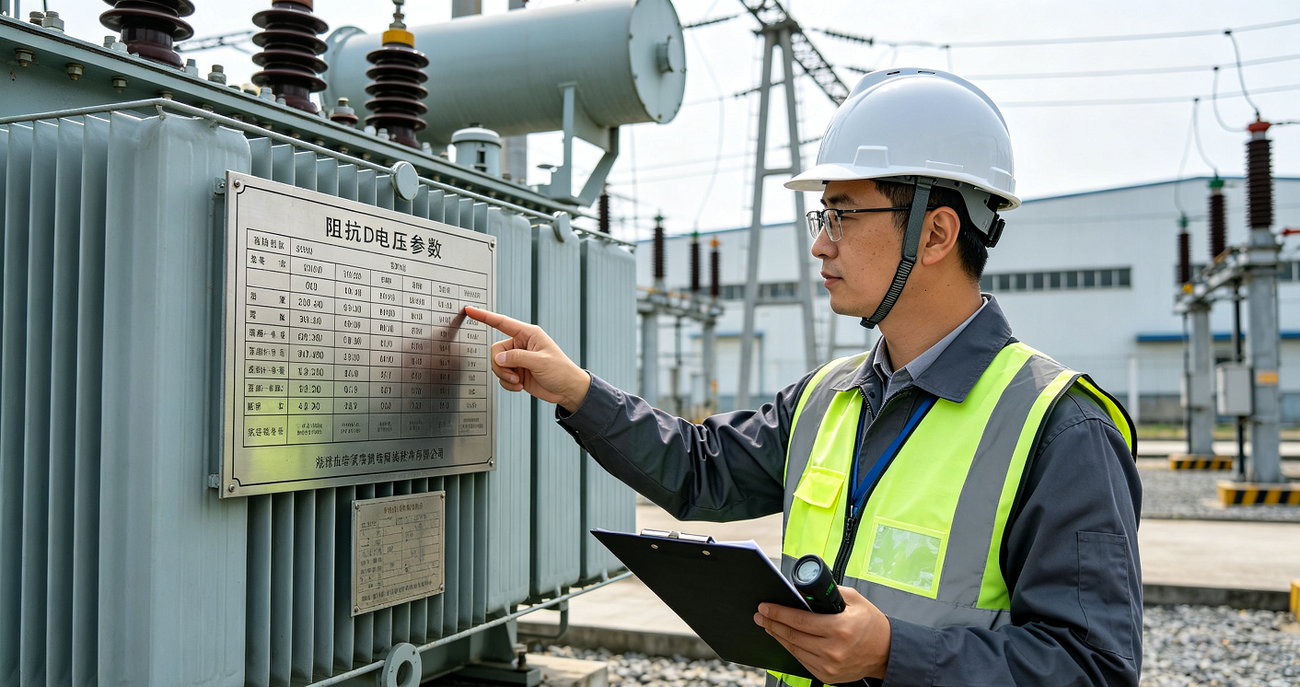
Rural electrification in Southeast Asia faces unique challenges including scattered households, unstable terrain, high humidity and frequent thunderstorms. Choosing a suitable transformer is the core step to ensure stable power supply for remote villages. Many project buyers simply pick low-cost models without considering local climate and load characteristics, leading to frequent faults and short service life.
| Selection Factor | Rural Area Feature | Common Wrong Choice | Recommended Option |
|---|---|---|---|
| Climate Adaptation | High humidity, heavy rain and seasonal thunderstorm | Ordinary model with weak waterproof performance | Fully sealed structure with moisture and lightning resistance |
| Load Demand | Scattered users, small average load | Over large capacity causing idle loss | Medium and small capacity with proper margin |
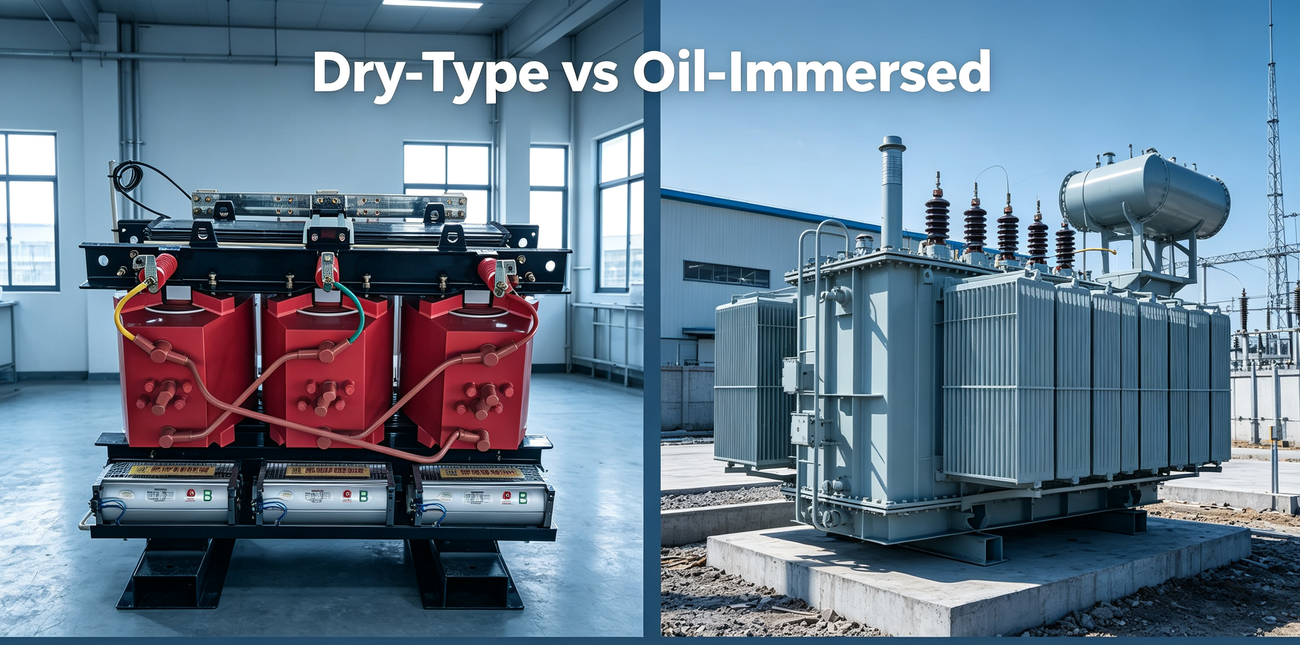
| Installation Environment | Open outdoor space, no dedicated distribution room | Indoor type needing enclosed room | Outdoor type with rainproof and anti-corrosion design |
| Maintenance Condition | Lack of professional maintenance personnel | Complex structure hard to repair | Simple structure with low daily maintenance demand |
Matching the transformer model with rural actual conditions can reduce failure rate, cut later maintenance cost and provide stable power supply for long-term rural development.