+86 18751738721
 sales@unitatransformer.com
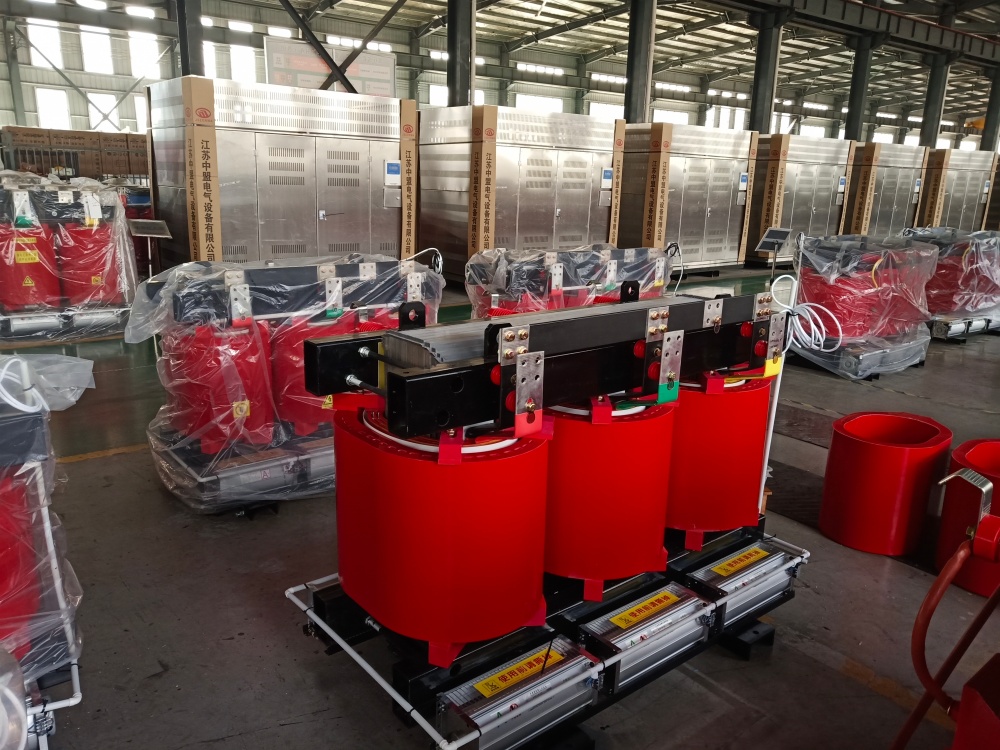
Dry-type and oil-immersed transformers are the two primary types used in Africa, Central Asia, and Southeast Asia—but choosing the right one depends on climate, installation location, load capacity, and maintenance availability. Selecting the wrong type leads to premature failure, high maintenance costs, and operational disruptions—critical issues in regions with limited technical support. This guide compares the two types, their pros/cons, and how to select the right one for regional projects.
Core Differences Between Dry-Type and Oil-Immersed Transformers
表格
| Feature | Dry-Type Transformers | Oil-Immersed Transformers |
|---|---|---|
| Cooling Medium | Air (natural or forced) | Mineral oil or synthetic oil |
| Insulation | Epoxy resin or paper | Oil-impregnated paper |
| Safety | No oil leakage/fire risk; safe for indoor use | Oil leakage/fire risk; requires outdoor installation (or fire-rated indoor space) |
| Heat Dissipation | Less efficient (air is a poor heat conductor) | More efficient (oil dissipates heat better) |
| Durability | Susceptible to dust, moisture, and temperature extremes | More durable in harsh climates (dust, humidity, extreme temperatures) |
| Maintenance | Regular dust cleaning; no oil maintenance | Annual oil checks, filtration, and replacement |
| Cost | Higher upfront cost (epoxy insulation) | Lower upfront cost; higher long-term maintenance cost (oil) |
| Load Capacity | Best for low to medium loads (<250kVA) | Best for medium to high loads (100kVA+) |
Pros & Cons for Emerging Market Applications
1. Dry-Type Transformers
- Pros:
- Safe for indoor installation (e.g., urban buildings, hospitals, factories) – no oil fire risk.
- Low maintenance (no oil checks/filtration) – ideal for remote areas with limited technical support.
- No oil leakage – avoids environmental contamination (critical for water-sensitive areas in Southeast Asia).
- Cons:
- Poor heat dissipation – not suitable for hot climates (Africa, Southeast Asia) or high loads.
- Susceptible to dust and moisture – fails quickly in dusty African/Central Asian rural areas or humid Southeast Asian environments.
- Higher upfront cost – may be cost-prohibitive for budget-constrained projects.
2. Oil-Immersed Transformers
- Pros:
- Efficient heat dissipation – ideal for hot climates (Africa, Southeast Asia) and high loads.
- Durable in harsh conditions – resistant to dust, humidity, and temperature fluctuations (Central Asia’s extreme cold/hot).
- Lower upfront cost – more affordable for large-scale projects (mining, manufacturing, rural electrification).
- Longer lifespan (25–30 years) – compared to 15–20 years for dry-type transformers.
- Cons:
- Oil leakage risk – environmental contamination (critical for coastal Southeast Asia or water sources in Africa).
- Fire risk – requires outdoor installation or fire-rated indoor spaces.
- Higher long-term maintenance – oil checks, filtration, and replacement are required.
Regional Selection Guide
1. Africa
- Rural Areas (Arid/Tropical): Oil-immersed transformers (ONAN/ONAF) – durable, efficient heat dissipation, resistant to dust. Avoid dry-type (dust clogs air vents).
- Urban Indoor Installations (Cities like Lagos, Nairobi): Dry-type transformers (AF) – safe, low maintenance, no oil leakage risk.
- High-Load Projects (Mining, Manufacturing): Oil-immersed transformers (OFAF) – efficient heat dissipation for hot climates and heavy loads.
2. Central Asia
- Extreme Temperature Zones (Kazakhstan, Uzbekistan): Oil-immersed transformers – low-pour-point oil handles sub-zero winters; efficient heat dissipation for hot summers. Avoid dry-type (air cooling is inefficient in cold weather).
- Indoor Small-Scale Projects (Rural Clinics, Offices): Dry-type transformers (AN) – low maintenance, safe for indoor use (small loads only).
- Remote Off-Grid Sites: Oil-immersed transformers – durable, low maintenance (no frequent dust cleaning).
3. Southeast Asia
- Tropical Humid Zones (Vietnam, Thailand):
- Outdoor Projects: Oil-immersed transformers (ONAF) with anti-corrosion coatings – resistant to humidity and rain.
- Indoor Projects: Dry-type transformers (AF) with moisture-resistant windings – no oil leakage risk, safe for humid indoor spaces.
- Coastal Areas (Indonesia, Philippines): Oil-immersed transformers with stainless steel tanks – anti-corrosion protection against salt spray.
- Small-Scale Rural Projects: Oil-immersed transformers (ONAN) – durable, low maintenance, resistant to moisture.
Key Selection Factors Beyond Climate
- Installation Location: Indoor = dry-type; outdoor = oil-immersed (unless fire-rated indoor space is available).
- Load Capacity: <100kVA (small loads) = dry-type; ≥100kVA (medium/high loads) = oil-immersed.
- Maintenance Availability: Remote areas with no technical support = oil-immersed (low maintenance beyond oil checks); urban areas with maintenance support = dry-type (requires regular dust cleaning).
- Budget: Low upfront budget = oil-immersed; willing to pay more upfront for low maintenance = dry-type.
Common Mistakes to Avoid
- Using Dry-Type Transformers in Dusty Rural Areas: Dust clogs air vents, leading to overheating and failure (Africa/Central Asia).
- Using Oil-Immersed Transformers in Indoor Spaces Without Fire Protection: Fire risk (urban buildings in Southeast Asia/Africa).
- Choosing Oil-Immersed for Small Indoor Loads: Wastes money on unnecessary oil maintenance (e.g., small clinics in Central Asia).
- Ignoring Corrosion Protection for Oil-Immersed in Coastal Areas: Salt spray corrodes tanks, leading to oil leaks (Southeast Asia).