 +86 18751738721
 sales@unitatransformer.com
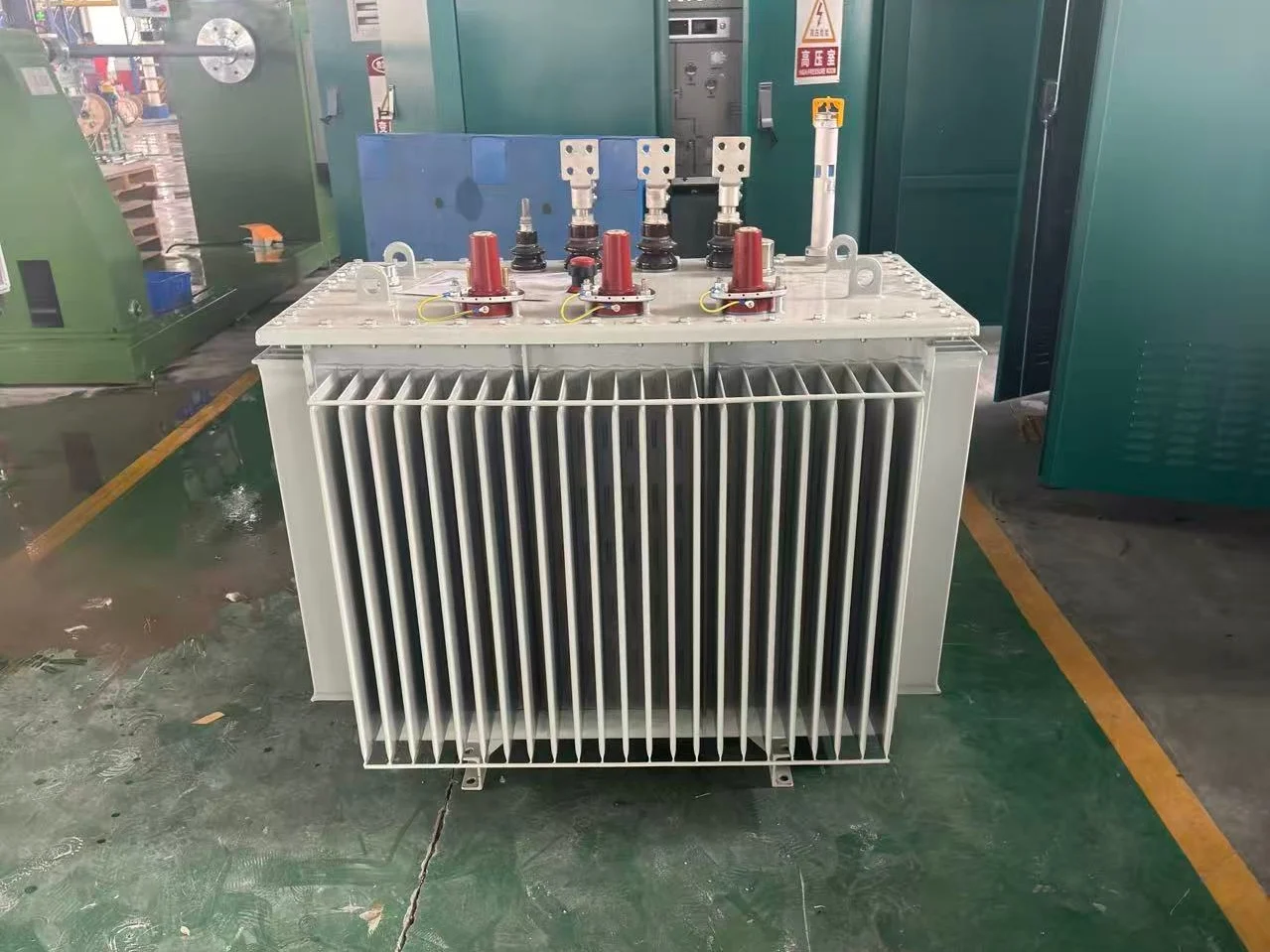
High humidity and year-round hot weather are the biggest enemies of power transformer insulation across most Southeast Asian regions. Moist air easily penetrates into the equipment through tiny gaps, slowly eroding internal insulation materials and reducing overall insulation resistance over time. Many small factories and rural power operators only pay attention to normal running status and ignore invisible insulation aging, which leads to sudden tripping, short circuit and unexpected shutdown during rainy and monsoon seasons.
Insulation degradation is a gradual process that cannot be observed directly. Only by mastering the changing rules and adopting daily protective measures can users delay aging and extend equipment service life effectively.
| Aging Stage | Visible Signs | Internal Impact | Practical Protection Approach |
|---|---|---|---|
| Early stage | Frequent moisture absorption of desiccant, slight condensation on outer surface | Insulation resistance drops slowly without obvious failure | Replace moisture absorption parts regularly and keep ventilation smooth |
| Middle stage | Terminal oxidation, faint heat at connection points | Poor contact causes local overheating and accelerates insulation wear | Clean terminals regularly and apply anti-oxidation protection grease |
| Late stage | Unusual running noise, occasional unstable voltage | Hidden internal short circuit risk and irreversible insulation damage | Carry out overall inspection, drying maintenance or replace damaged components |
Keeping transformers away from low-lying waterlogged areas, maintaining good ventilation and doing regular visual checks are simple yet effective ways to slow down insulation aging in tropical climates. This routine care greatly cuts unexpected maintenance costs for local enterprises and engineering projects.