+86 18751738721
 sales@unitatransformer.com
Overview
B&D Transformer, operating under PT Bambang Djaja, is one of Indonesia’s longest-established transformer manufacturers, headquartered in Surabaya. For decades it has supplied power and distribution transformers to PLN (the national utility), independent power producers, and industrial clients across the archipelago.
Product Scope
- Power transformers for transmission and large plants
- Distribution transformers (pole-mounted and pad-mounted)
- Instrument and measurement transformers
- Custom units for mining, cement, and palm-oil industries
Why Buyers Consider B&D
| Factor | What buyers look for |
|---|---|
| Local presence | Fast service, spare parts, and Indonesian certifications |
| Track record | Long operating history with PLN projects |
| Capacity | Ability to handle large power-transformer orders |
| Lead time | Domestic production shortens logistics vs imports |
How to Evaluate Any Indonesian Transformer Supplier
Beyond brand name, verify SNI certification, type-test reports (short-circuit, temperature rise), warranty terms, and after-sales response. For import alternatives, compare total landed cost, lead time, and whether the supplier provides on-site commissioning.
An Alternative for Indonesia Projects
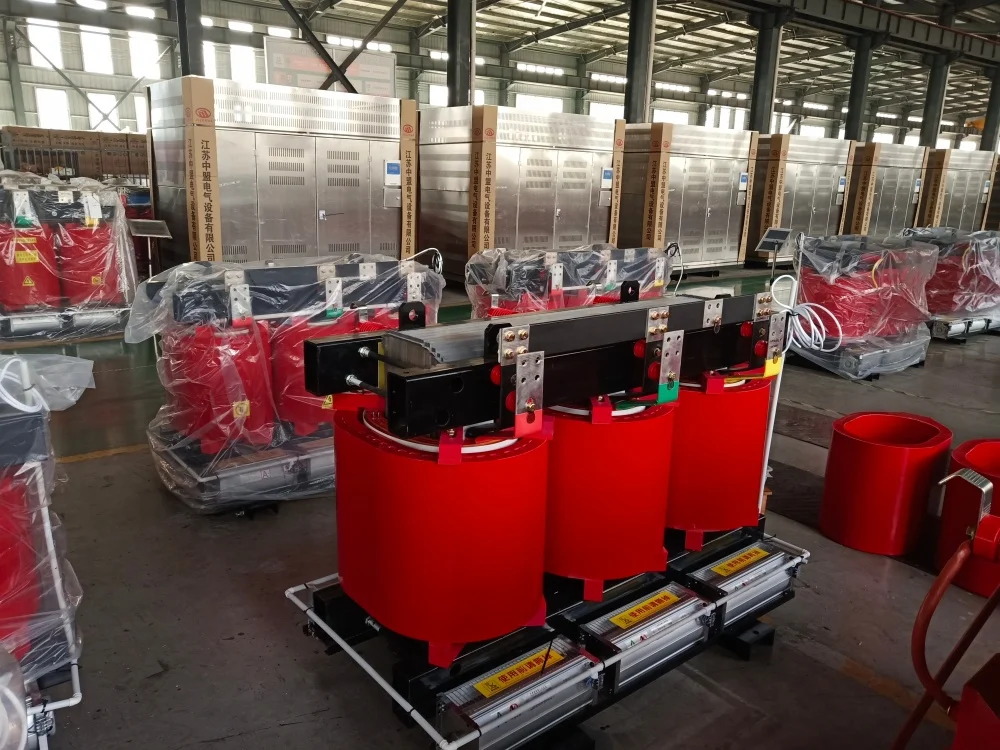
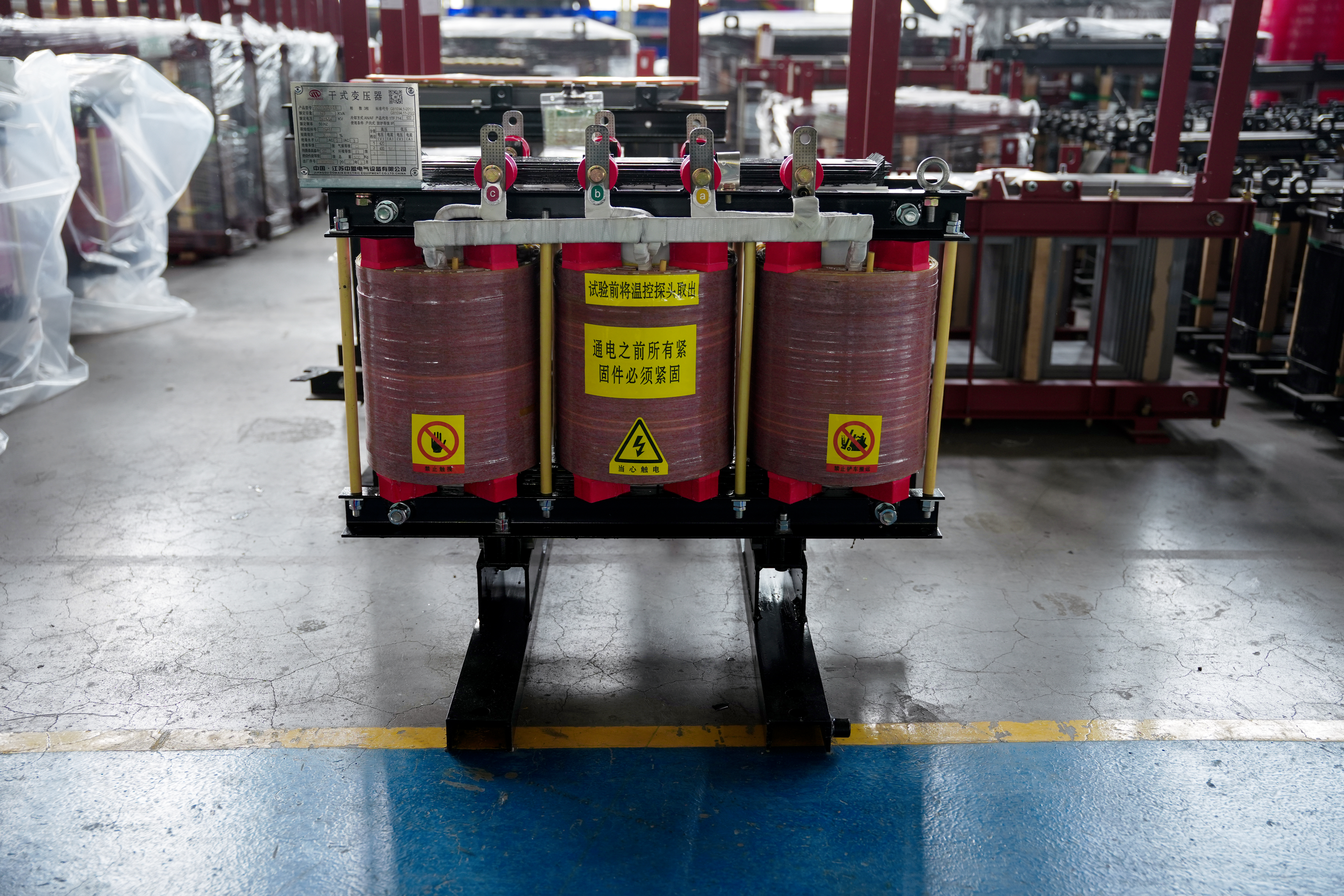
VoltCloud Electric (Jiangsu Unita) also supplies Indonesian EPCs and factories with dry-type and oil-immersed transformers, distribution and box-type substations, with IEC/IEEE-aligned designs and export experience across Asia, the Middle East, and Africa. Our technology guide helps you choose the right type before requesting a quote.
Frequently Asked Questions
Is B&D the only major local brand?
No — Indonesia has several local and joint-venture manufacturers; the right choice depends on rating, certification, and delivery window.
Should I buy local or import?
Local shortens lead time and simplifies service; imports can win on price or special ratings. Compare both with a clear specification sheet.