+86 18751738721
 sales@unitatransformer.com
When procuring transformers for African projects—whether rural electrification, industrial facilities, or community centers—many buyers face a critical choice: new or used units. While used transformers may seem cheaper upfront, they often lead to higher long-term costs, safety risks, and project delays. This guide compares new vs. used transformers for African projects, with a focus on CE certification—a key factor in reliability and compliance.
Key Comparison: New vs. Used Transformers in Africa
| Factor | New CE Certified Transformers | Used Transformers |
|---|---|---|
| Safety & Compliance | Full CE certification (meets international safety standards), no hidden defects | Rarely CE certified; may have unreported damage, outdated insulation, or non-compliant components |
| Lifespan | 25–30 years (minimal maintenance) | 5–10 years (unknown history, likely worn components) |
| Maintenance Costs | Low (only basic inspections, annual oil checks for oil immersed units) | High (frequent repairs, replacement parts, unplanned downtime) |
| Customization | Can be adapted to Africa’s climate (heat, dust, humidity) and project needs | No customization; may not fit local climate or load requirements |
| Customs & Risk | Seamless customs clearance (CE certification is widely accepted in Africa) | High risk of rejection at customs (no certification, unknown origins) |
| Total Cost of Ownership | Lower (long lifespan, low maintenance, no downtime) | Higher (frequent repairs, early replacement, project delays) |
Why New CE Certified Transformers Are Better for African Projects
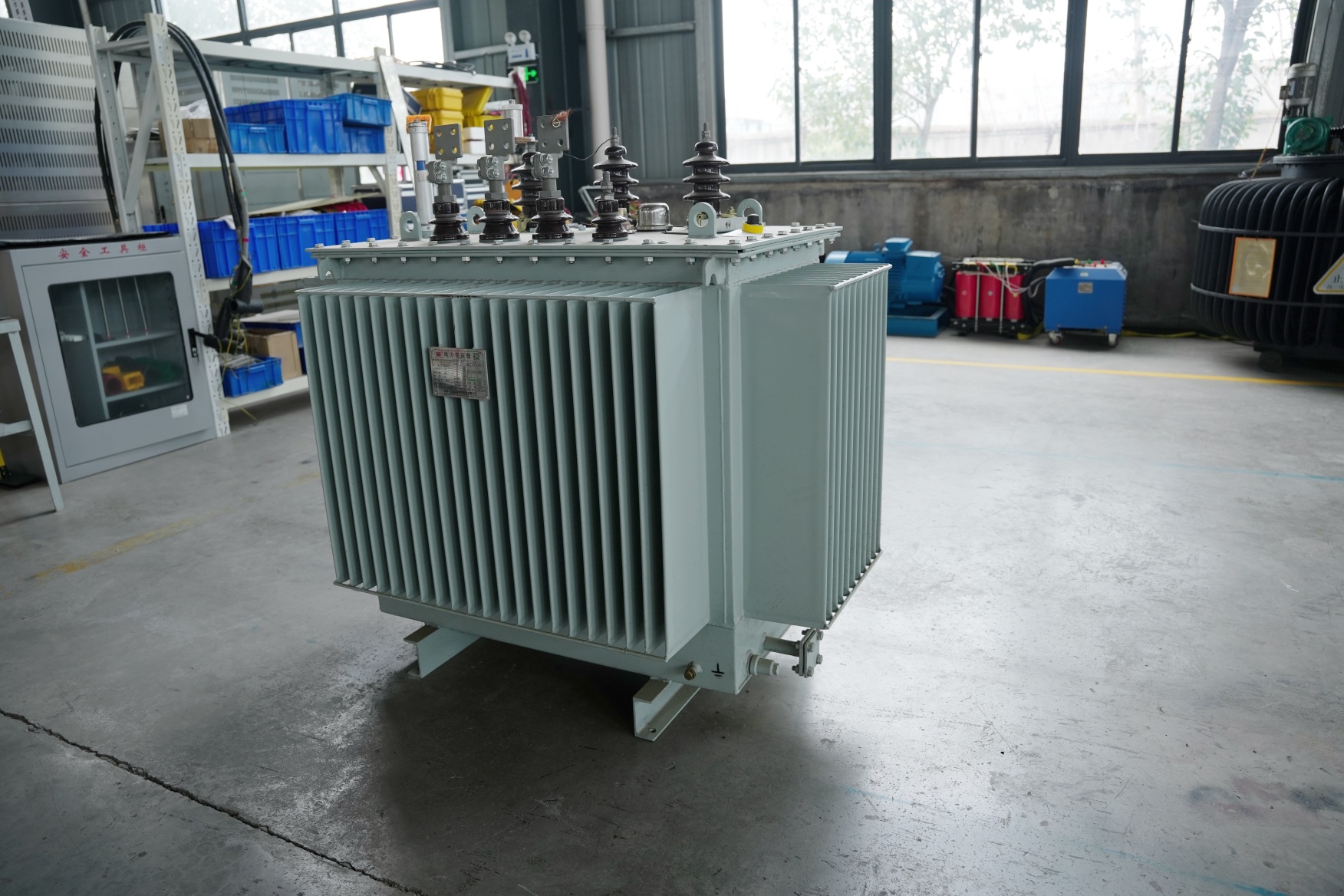
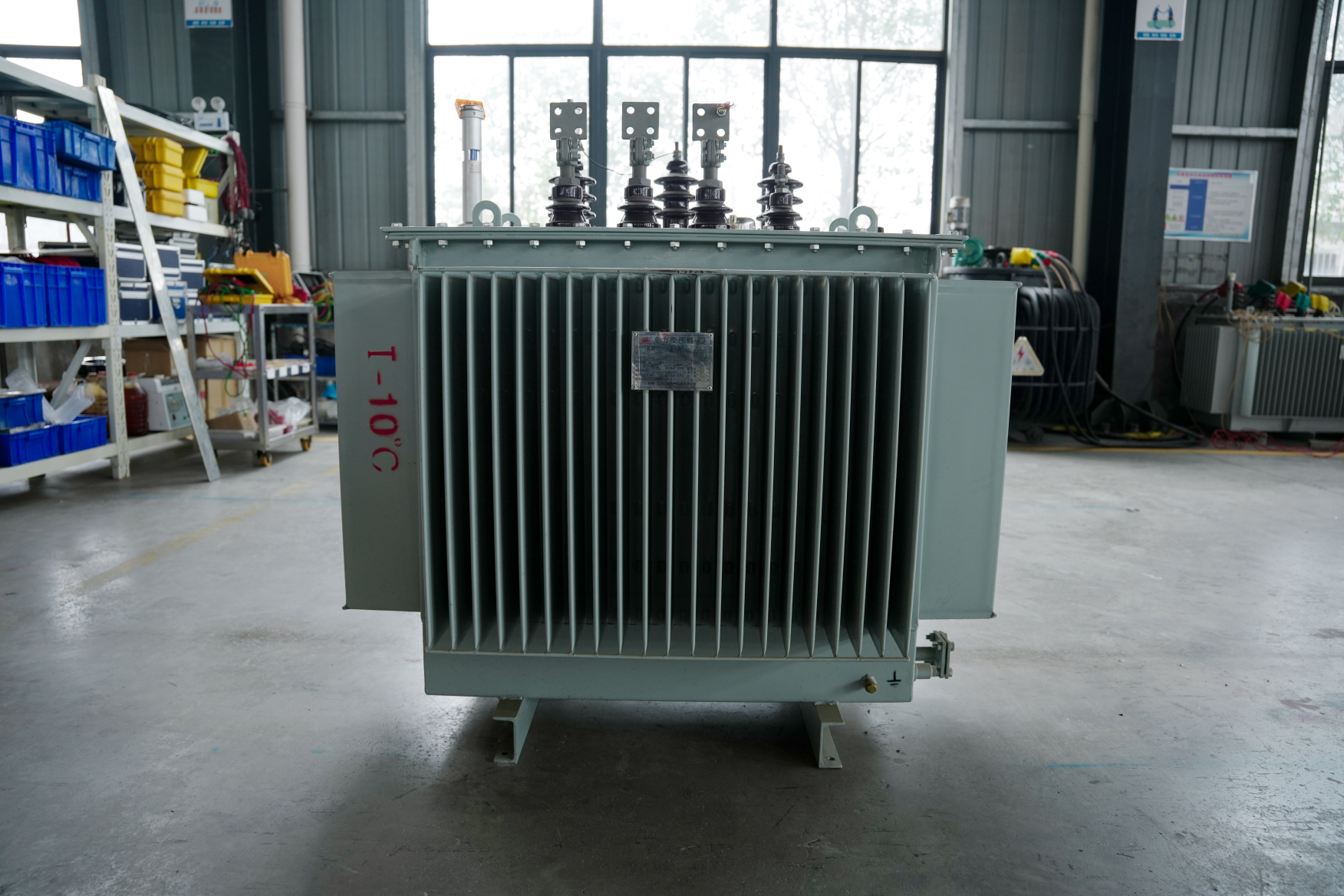
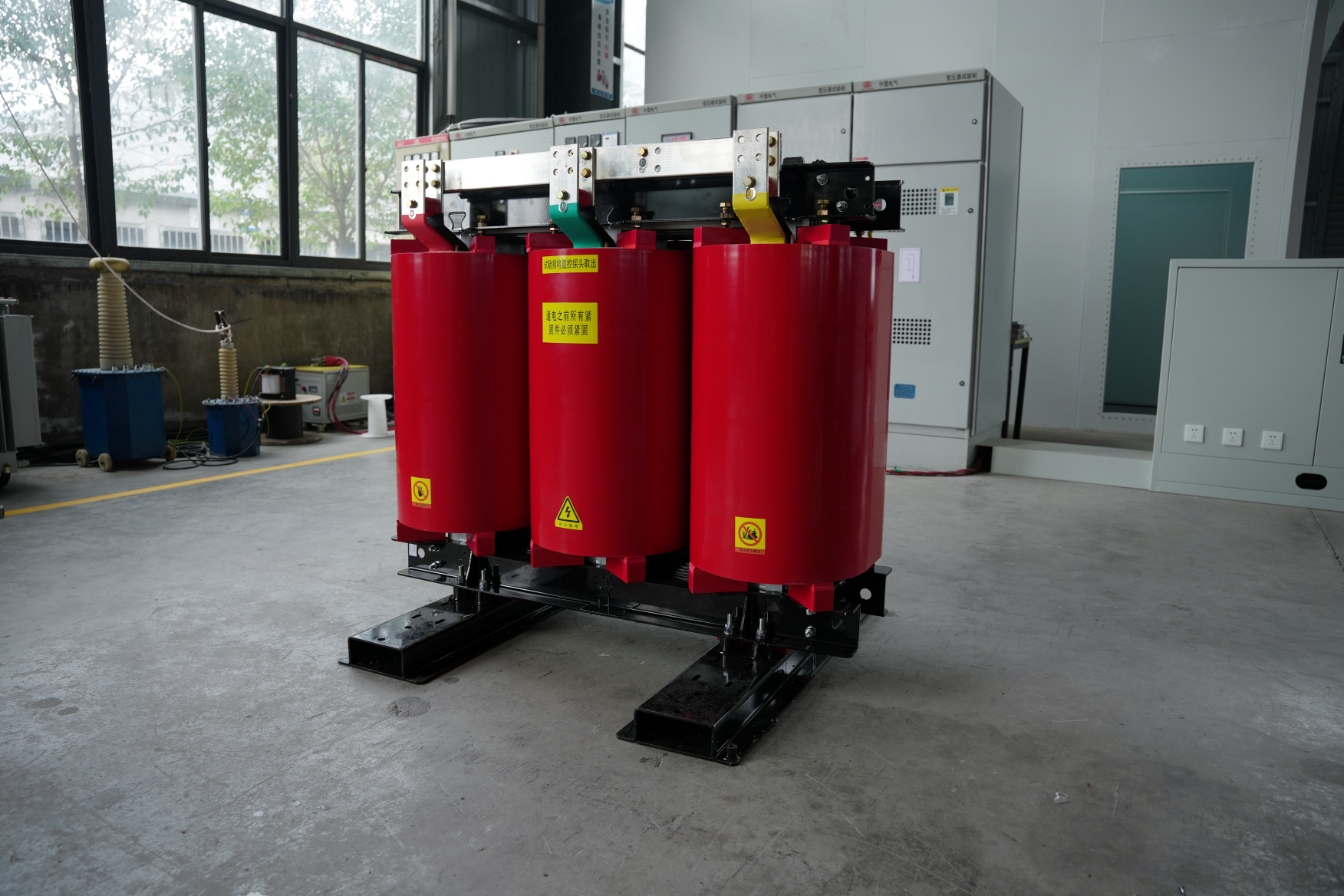
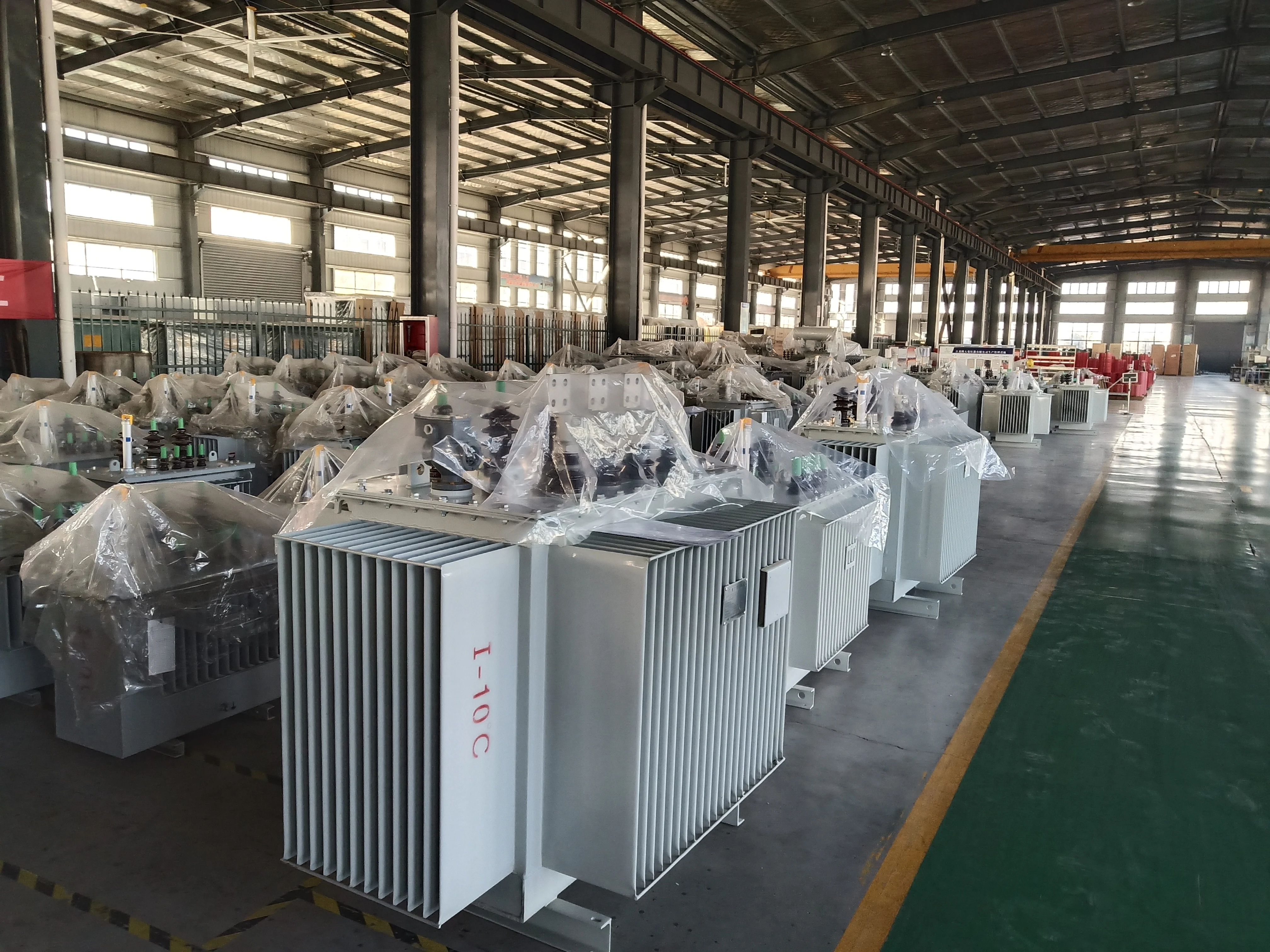
- Reliability: New CE certified transformers (like the 11kV 100kVA oil immersed or dry type) are factory-tested, ensuring they can withstand Africa’s harsh conditions and variable loads. Used transformers often have hidden damage (e.g., worn windings, leaky tanks) that leads to premature failure.
- Compliance: Nearly all African countries require CE certification for electrical equipment. Used transformers rarely have valid CE documentation, leading to customs delays, fines, or rejected shipments—costing time and money.
- Long-Term Savings: While new transformers have a higher upfront cost, their 25–30 year lifespan and low maintenance costs make them far more cost-effective than used units, which often need replacement within 5–10 years.
- Climate Adaptation: New CE certified transformers can be customized for Africa’s diverse climates—heat-resistant insulation for hot regions, dust-sealed enclosures for arid areas, and anti-corrosive coatings for coastal zones. Used transformers cannot be adapted, leading to rapid degradation.
When (If Ever) to Consider Used Transformers
The only scenario where a used transformer might be acceptable is for short-term, temporary projects (e.g., disaster relief, temporary construction sites) where cost is the sole priority. Even then, buyers must verify the unit’s condition, test for defects, and ensure it meets local safety standards (though CE certification is unlikely).
Conclusion
For most African projects—whether rural electrification, schools, hospitals, or industrial facilities—new CE certified transformers are the smarter choice. They offer reliability, compliance, and long-term savings, avoiding the safety risks and costly delays of used units. Investing in a new 11kV 100kVA CE certified transformer is an investment in project success.