 +86 18751738721
 sales@unitatransformer.com
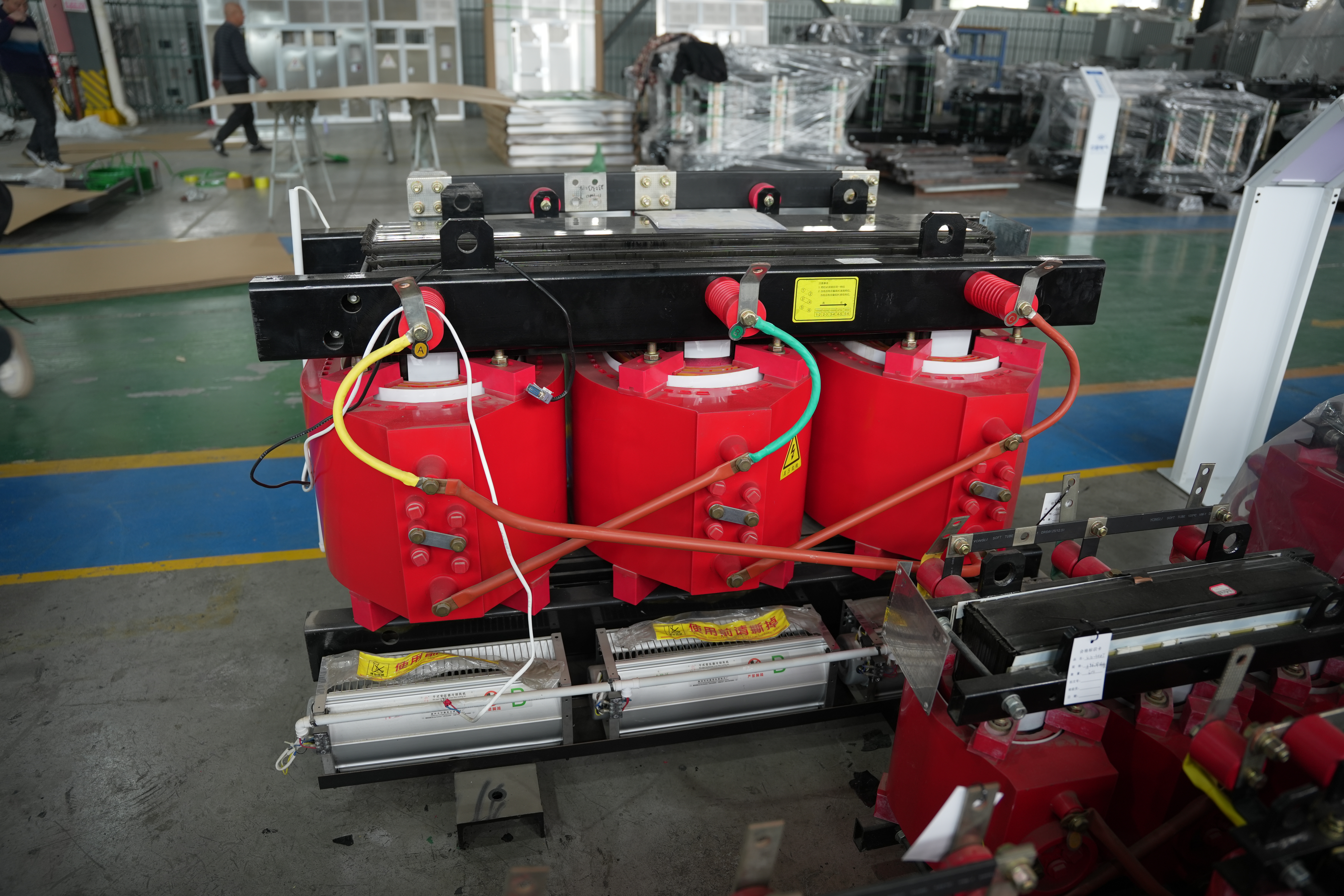
With the rapid expansion of urban construction in Jakarta, Bandung and Surabaya, dry-type transformers have gradually replaced oil-immersed products and become the mainstream choice for high-rise buildings, shopping malls, schools and residential complexes. Different from outdoor oil-filled equipment, dry-type transformers feature fireproof performance and compact structure, which perfectly fit the narrow installation environment of densely populated urban areas.
Several Indonesian local manufacturers have mature dry-type transformer production lines. PT Sintra Sinarindo Elektrik and B&D Transformer are the main suppliers for urban indoor projects, while PT Trafoindo Prima Perkasa and PT Mettakindo Dayakubus provide customized dry-type models for special commercial scenarios to satisfy diverse PLN urban power distribution standards.
| Evaluation Dimension | Core Advantages | Existing Disadvantages | Best Application Scenarios |
|---|---|---|---|
| Fire Safety Level | No flammable insulating oil, self-extinguishing and explosion-proof | None obvious safety defects under indoor environment | High-rise apartments and crowded public buildings |
| Installation Condition | Small floor space, no special fireproof room required | Cannot be directly buried underground like oil type | Indoor distribution room and basement area |
| Operating Cost | Zero oil replacement cost, simple daily inspection | Higher initial purchasing price than oil immersed type | Long-term fixed urban construction projects |
| Climate Adaptability | Stable performance in high humidity indoor space | Poor heat dissipation under direct outdoor sunlight | Indonesian urban indoor power distribution system |
For urban building developers, dry-type transformers are the safest indoor power distribution solution in Indonesia. Although the upfront investment is higher, it can save fireproof transformation cost and daily oil maintenance cost in the long run. Choosing PLN-certified dry-type transformers from formal local manufacturers can completely eliminate fire hazards and create a stable power consumption environment for urban buildings.