+86 18751738721
 sales@unitatransformer.com
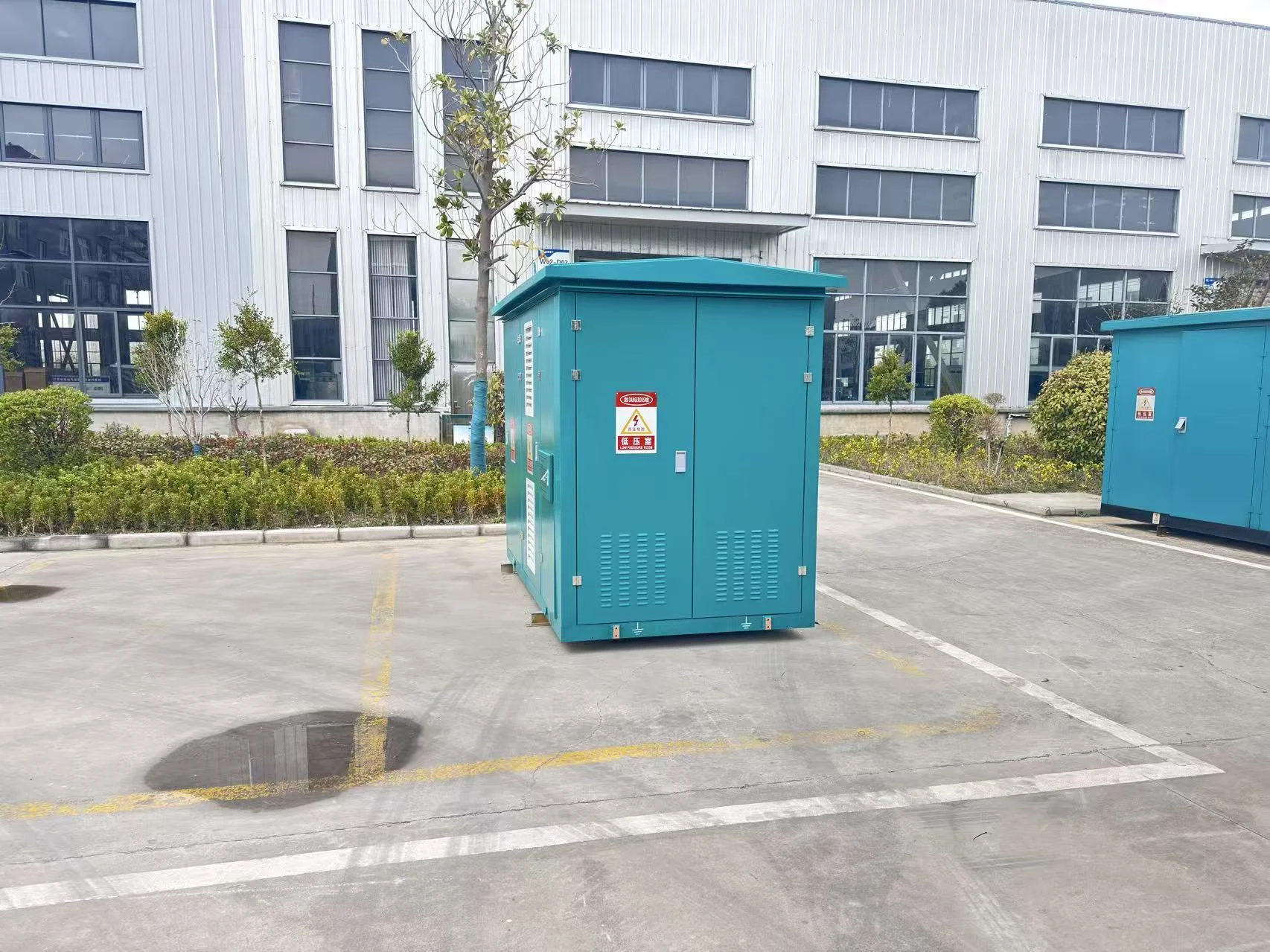
Industrial facilities across Africa—from manufacturing plants to mining operations, food processing factories to logistics hubs—rely on transformers to power their operations. Poor load management is one of the leading causes of transformer failure, unplanned downtime, and high energy costs for African industrial operators. This guide breaks down the best practices for transformer load management, to keep your facility running smoothly and efficiently.
First, it’s critical to understand the risks of poor load management. Overloading your transformer—running it above its rated capacity for extended periods—causes overheating, which degrades the insulation, shortens the transformer’s lifespan, and can even lead to catastrophic failure. Underloading, while less dangerous, leads to excessive no-load loss, wasting electricity and driving up your energy bills.
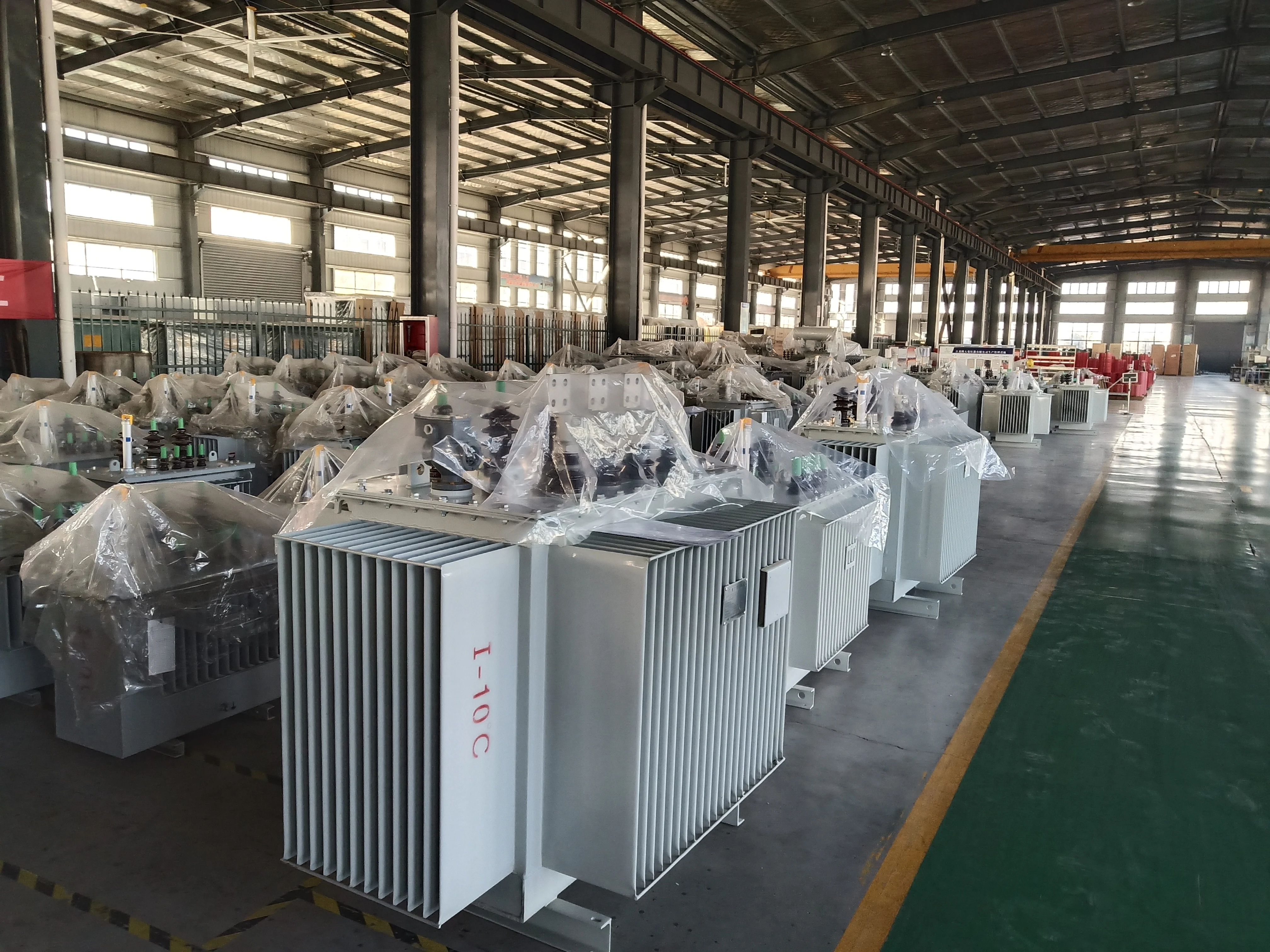
For most medium-sized African industrial facilities, a 11kV 100kVA oil immersed transformer with full CE certification is the ideal base unit. These transformers are built to handle the variable loads of industrial operations, with robust construction and high efficiency. But even the best transformer will fail without proper load management.
Core Best Practices for Industrial Transformer Load Management
- Know Your Load ProfileThe first step is to map your facility’s load profile—how much power you use, when you use it, and which equipment draws the most power. Many African industrial facilities have highly variable loads, with peak demand during production shifts and low demand overnight. Understanding this profile helps you size your transformer correctly, and avoid overloading during peak hours.
- Stay Within the Optimal Load RangeThe optimal load range for a distribution transformer is 50–80% of its rated capacity. This is where the transformer operates at maximum efficiency, with minimal wear and tear. For a 100kVA transformer, this means a consistent load of 50–80kVA.The table below shows the impact of load levels on transformer efficiency and lifespan: 表格Load LevelEfficiency ImpactLifespan Impact<30% (Underloaded)Low efficiency, high no-load lossMinimal lifespan impact, but high energy waste50–80% (Optimal)Maximum efficiency, minimal lossFull 25–30 year lifespan100–120% (Overloaded)Efficiency drops, overheating riskLifespan reduced by 50%+>120% (Severely Overloaded)Extreme overheating, high failure riskImminent failure risk
- Balance Loads Across PhasesUnbalanced phase loads are a common issue in African industrial facilities, where single-phase equipment is often mixed with three-phase machinery. Unbalanced loads cause overheating in the windings, leading to premature failure. Always balance your loads evenly across all three phases, and regularly check for imbalances.
- Monitor Temperature ContinuouslyTemperature is the best indicator of your transformer’s health. Even if your load seems within range, high temperatures signal a problem. Install temperature monitoring systems, and set alerts for when the transformer exceeds its rated operating temperature. For facilities in high-temperature African regions, this is especially critical.
- Plan for Load GrowthAfrican industrial facilities often grow quickly, adding new equipment and expanding production. Always plan for future load growth when selecting your transformer, to avoid overloading it as your facility expands. A CE certified 11kV 100kVA transformer has enough flexibility to handle moderate load growth, but you should always plan ahead.
Conclusion
Proper transformer load management is one of the easiest, most cost-effective ways to reduce downtime, lower energy costs, and extend the lifespan of your industrial transformer. By following these best practices, and using a CE certified, high-quality 11kV 100kVA oil immersed transformer, you can keep your African industrial facility running reliably and efficiently.