 +86 18751738721
 sales@unitatransformer.com
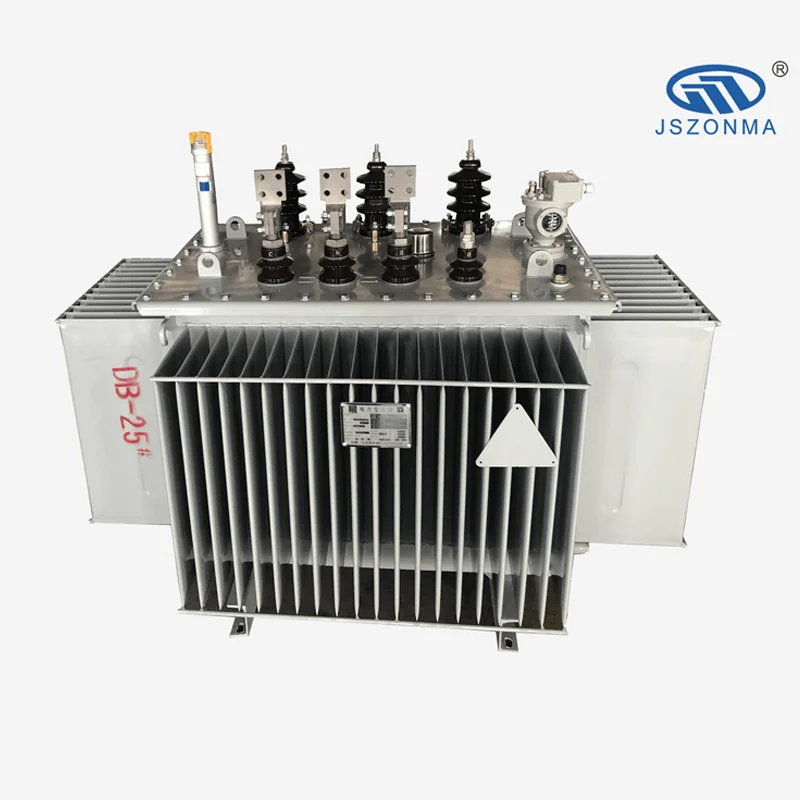
Hydropower transformers are key electrical equipment in hydropower stations, small hydro plants, pumped storage, and micro-hydro projects. They are specially designed to match generator voltage, stabilize output, and transmit clean hydroelectric power to the grid safely and efficiently.
This blog covers types, features, applications, selection tips, and why you need a professional hydropower transformer manufacturer.
What Is a Hydropower Transformer
A hydropower transformer is a specialized power transformer used in hydroelectric generation systems.
It steps up the low voltage generated by water turbines to high voltage for long-distance grid transmission.
Compared with standard distribution transformers, it has:
- Higher short-circuit resistance
- Stronger overload capacity
- Better insulation and heat dissipation
- Stable performance under variable water flow & load
Main Types of Hydropower Transformers
1. Oil-Immersed Hydropower Transformer
- Most widely used in medium & large hydropower stations
- High capacity, high reliability, long service life
- Cooling: ONAN / ONAF / OFAF
- Suitable for outdoor and powerhouse installation
2. Dry-Type Hydropower Transformer
- Fire-resistant, safe, low maintenance
- Used in indoor powerhouse, confined spaces
- Good for small hydropower & micro-hydro projects
3. Generator Step-Up Transformer (GSU Transformer)
- Directly connected to hydro generator
- High voltage class: 35kV, 66kV, 110kV, 220kV
- Core equipment for grid connection
4. Mobile / Compact Hydropower Transformer
- For small hydro, temporary hydropower stations
- Compact structure, easy installation & transportation
Key Features & Advantages
- High efficiency & low lossReduces energy waste in power generation and transmission.
- Strong short-circuit withstand strengthAdapt to grid fluctuations and load changes.
- Wide load adaptabilityStable operation under variable water flow and output.
- Long design lifeNormally 30+ years with proper maintenance.
- Corrosion & moisture resistanceSuitable for humid, rainy, mountainous hydro sites.
- Compliant with grid standardsMeets IEC, GB, IEEE, and local grid connection requirements.
Typical Applications
- Large & medium hydropower stations
- Small hydropower plants
- Micro-hydroelectric systems
- Pumped storage power stations
- Rural hydro-powered grid
- Renewable energy grid integration
What to Consider When Choosing a Hydropower Transformer
- Generator voltage & output voltageMatch turbine generator parameters.
- Rated capacity (kVA/MVA)Based on installed hydro-generator capacity.
- Voltage class10kV, 35kV, 66kV, 110kV, 220kV.
- Connection group (vector group)Such as Dyn11, YNd11, YNyn0d11.
- Cooling methodONAN, ONAF, etc.
- Installation environmentIndoor / outdoor, altitude, humidity, temperature.
- Certificates & grid access requirementsIEC, CE, test reports, type tests.
Why Choose a Professional Hydropower Transformer Factory
- Professional design for hydro generation conditions
- Strict quality control & full type testing
- Customization for special voltage & capacity
- Stable supply chain & on-time delivery
- Technical support for grid connection
Conclusion
Hydropower transformers are critical for safe, efficient, and stable operation of hydroelectric power stations. Choosing the right type, specification, and reliable manufacturer directly affects power generation efficiency, grid stability, and project ROI.
If you are planning a small hydro, micro-hydro, or large hydropower project, working with an experienced transformer supplier ensures long-term performance and lower operating costs.