 +86 18751738721
 sales@unitatransformer.com
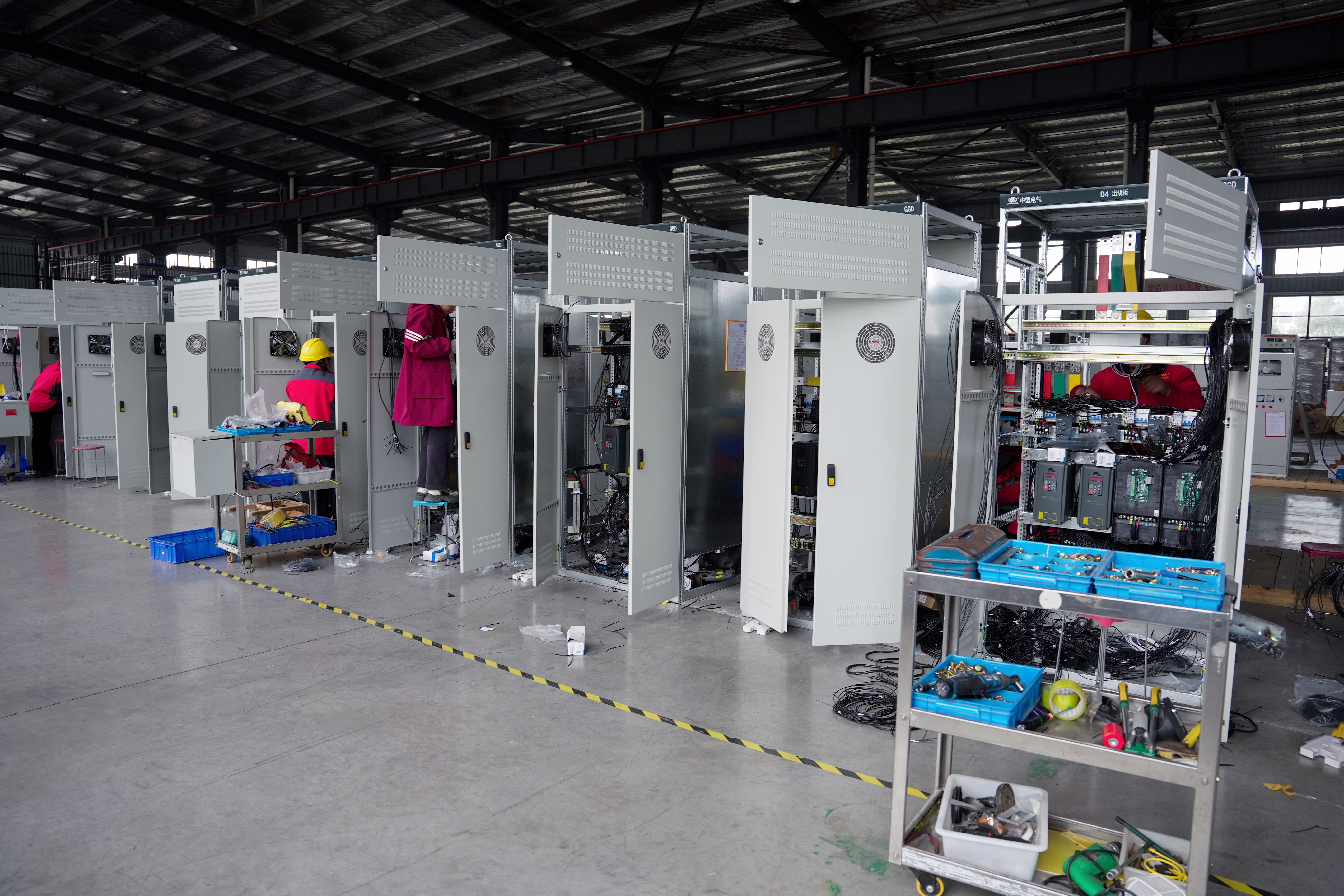
Transformers are critical assets in Africa, Central Asia, and Southeast Asia—powering homes, businesses, and critical infrastructure. Without proper protection devices, they are vulnerable to damage from overcurrent, short circuits, overvoltage, and temperature extremes—common issues in emerging market grids. These protection devices not only prevent transformer failure but also ensure safety for workers and communities. This guide breaks down the essential transformer protection devices, their functions, and how to select them for regional conditions.
Essential Transformer Protection Devices
1. Overcurrent Protection (OCP)
- Function: Protects the transformer from damage caused by excessive current (overloading, short circuits, or grid faults). Trips the circuit breaker when current exceeds the transformer’s rated capacity.
- Types:
- Circuit Breakers: Used for medium to large transformers (100kVA+); can be reset after tripping.
- Fuses: Used for small transformers (<100kVA); are one-time use (must be replaced after tripping).
- Regional Adaptation:
- Africa: Use weather-resistant circuit breakers (dust-sealed) for rural areas; fuses for small off-grid projects (easy to replace).
- Central Asia: Choose cold-resistant circuit breakers (operate at -30°C); fuses with low-temperature ratings.
- Southeast Asia: Corrosion-resistant circuit breakers (coastal areas); moisture-proof fuses for humid environments.
2. Short Circuit Protection (SCP)
- Function: Detects short circuits (e.g., between windings, or winding to ground) and quickly disconnects the transformer from power to prevent catastrophic damage (fire, explosion).
- Types:
- Molded Case Circuit Breakers (MCCB): Ideal for industrial transformers (100kVA+); offer adjustable trip settings.
- Air Circuit Breakers (ACB): Used for large transformers (250kVA+); suitable for high-load projects (mining, manufacturing).
- Regional Adaptation:
- All regions: Use circuit breakers with fast trip settings (≤0.1 seconds) to minimize short circuit damage.
- Central Asia: ACBs with cold-resistant mechanisms; MCCBs for small industrial projects.
- Southeast Asia: MCCBs with corrosion-resistant contacts (coastal areas).
3. Overvoltage Protection (OVP)
- Function: Protects the transformer from voltage spikes (e.g., lightning strikes, grid surges, generator fluctuations)—common in all three regions.
- Types:
- Surge Arresters (Lightning Arresters): Divert excess voltage to ground, preventing damage to windings and insulation.
- Voltage Relays: Monitor voltage and trip the circuit breaker if it exceeds safe levels.
- Regional Adaptation:
- Africa/Southeast Asia: Surge arresters with high lightning protection ratings (common thunderstorms/monsoons); install near transformers in open areas.
- Central Asia: Surge arresters with cold-resistant components; voltage relays to handle generator-induced spikes.
- Coastal Southeast Asia: Corrosion-resistant surge arresters (salt spray protection).
4. Temperature Protection (TP)
- Function: Prevents overheating by monitoring transformer temperature and disconnecting power if it exceeds safe limits (critical in hot regions).
- Types:
- Temperature Sensors (RTDs, Thermocouples): Installed in the transformer tank (oil-immersed) or windings (dry-type); send signals to a controller.
- Thermal Relays: Trip the circuit breaker when temperature exceeds a preset limit (e.g., 90°C for oil-immersed units).
- Regional Adaptation:
- Africa: Thermal relays with high temperature settings (up to 100°C); sensors with heat-resistant cabling.
- Central Asia: Temperature sensors that operate in extreme cold (-30°C to 40°C); thermal relays with adjustable settings.
- Southeast Asia: Moisture-proof temperature sensors; thermal relays with humidity compensation.
5. Buchholz Relay (Oil-Immersed Transformers Only)
- Function: Detects internal faults in oil-immersed transformers (e.g., winding short circuits, oil decomposition) by monitoring gas buildup and oil level.
- How It Works: Faults cause oil to decompose, producing gas that triggers the relay—either an alarm (minor fault) or a trip (major fault).
- Regional Adaptation:
- All regions: Use Buchholz relays with corrosion-resistant components; regular cleaning to prevent dust/moisture ingress.
- Africa/Central Asia: Relays with dust-sealed enclosures; Southeast Asia: Relays with moisture-proof seals.
Protection Device Selection Guide for Regional Projects
1. Small-Scale Projects (≤100kVA: Rural Homes, Small Clinics, Irrigation)
- Protection Devices: Fuses (overcurrent/short circuit), surge arresters (overvoltage), thermal relays (temperature).
- Best For: All three regions; easy to install and maintain with basic tools.
2. Medium-Scale Projects (100–250kVA: Small Factories, Agricultural Processing, Urban Residential)
- Protection Devices: MCCBs (overcurrent/short circuit), surge arresters, temperature sensors, Buchholz relay (oil-immersed).
- Best For: Industrial projects in Africa, Central Asia, and Southeast Asia; balances protection and cost.
3. Large-Scale Projects (>250kVA: Mining, Manufacturing, Solar Farms)
- Protection Devices: ACBs (overcurrent/short circuit), surge arresters, temperature sensors with controllers, Buchholz relay, voltage relays.
- Best For: High-load projects; ensures maximum protection and minimal downtime.
Common Mistakes to Avoid
- Skipping Surge Arresters: Lightning strikes and grid spikes are common in all three regions—omitting surge arresters leads to frequent transformer failure.
- Using Low-Quality Fuses/Circuit Breakers: Cheap devices fail to trip during faults, causing transformer damage (common in budget-constrained projects).
- Ignoring Temperature Protection: Overheating is a top cause of transformer failure in Africa and Southeast Asia—thermal relays are non-negotiable.
- Not Maintaining Protection Devices: Dust, corrosion, and moisture damage protection devices—regular cleaning and inspection are critical (especially in harsh regions).
Maintenance Tips for Protection Devices
- Inspect surge arresters quarterly (clean dust/corrosion, check for cracks).
- Test circuit breakers and fuses annually (ensure they trip at the correct current).
- Calibrate temperature sensors and thermal relays annually.
- Clean Buchholz relays every 6 months (remove gas buildup, check for oil leaks).