 +86 15852255369
 sales@unitatransformer.com
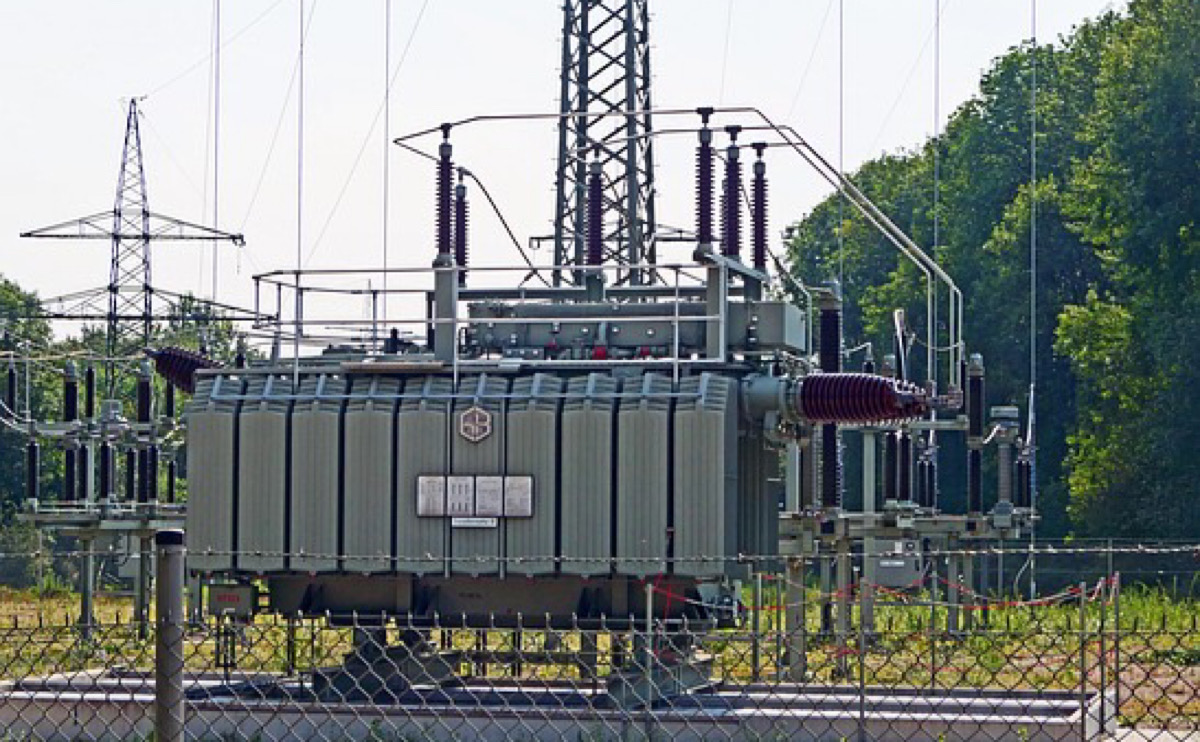
In a power system, the oil-immersed transformer is one of the most valuable and critical core assets. An unexpected failure of a transformer can lead to significant economic losses and power outages. Therefore, implementing a scientific and systematic transformer maintenance strategy is not a cost center but a crucial investment. It effectively extends equipment life, prevents catastrophic failures, and ensures power supply continuity and reliability. This article serves as your ultimate guide to transformer maintenance, delving into best practices.
1. Why is Transformer Maintenance So Important?
The fundamental purpose of transformer maintenance is to identify and eliminate potential problems before they lead to failure, shifting from reactive repairs to proactive prevention. Its importance is reflected in:
- Enhanced Safety: Prevents serious accidents like fires and explosions, protecting personnel and equipment.
- Guaranteed Reliability: Minimizes unexpected downtime, ensuring continuous power supply to critical loads.
- Extended Service Life: With meticulous maintenance, an oil-immersed transformer can operate reliably well beyond its design life.
- Reduced Total Cost of Ownership (TCO): The cost of preventive maintenance is far lower than the expensive repair or replacement costs after a failure.
2. Types and Cycles of Transformer Maintenance
An effective transformer maintenance plan typically combines three approaches:
- Routine Visual Inspections: (Weekly to Monthly)
- Content: Record oil temperature and load current; check if the oil level is normal; observe the color change of silica gel in the breather; listen for abnormal sounds from the unit; inspect bushings for cracks, contamination, and discharge traces.
- Regular Preventive Maintenance: (Annually or Bi-Annually)
- Content: This is the core of transformer maintenance, involving more in-depth inspections, tests, and upkeep. Such as transformer oil testing and electrical tests detailed below.
- Condition-Based Maintenance: (As-needed, based on condition)
- Content: Schedule maintenance based on real-time data from online monitoring devices (e.g., DGA monitors) and regular test results when significant equipment degradation is detected. This is a more advanced and economical strategy.
3. Core Items for Oil-Immersed Transformer Preventive Maintenance
A comprehensive oil-immersed transformer maintenance session should include these key items:
- Transformer Oil Testing and Analysis:Transformer oil is the “lifeblood” of the transformer; its condition directly reflects internal health.
- Tests: Breakdown voltage, water content, dielectric dissipation factor (DDF), Dissolved Gas Analysis (DGA). DGA is the most effective method for diagnosing internal latent faults (e.g., overheating, discharge).
- Electrical Testing:
- Tests: Winding resistance test, insulation resistance and polarization index test, transformer turns ratio test, etc., used to assess the integrity of windings and the insulation system.
- External Component Inspection and Maintenance:
- Bushings: Clean contamination, check for cracks and seals.
- Cooling System: Check if fans and oil pumps operate normally; clean radiators.
- Tap Changer: Check the operating mechanism and record the number of operations (for on-load tap changers, also check the seal and oil quality of the diverter switch compartment).
- Protection Devices: Calibrate gas (Buchholz) relays, pressure relief devices, temperature gauges, etc., for accuracy and reliability.
- Tightening and Sealing: Check and tighten all bolts and terminals to prevent heating due to loosening; check for any oil leakage points.
4. Common Issues and Early Warning Signs
Effective transformer maintenance requires recognizing early warning signs:
- Abnormally Low Oil Level: Often indicates an oil leak.
- Abnormally High Oil Temperature: Can be caused by overload, cooling system failure, or internal overheating defects.
- Abnormal Dissolved Gas Analysis (DGA) Data: Excessive levels of specific gases (e.g., acetylene, hydrogen) are clear indicators of internal discharge or overheating.
- Abnormal Sounds: Internal loosening or discharge can create unusual noises different from the normal “hum.”
- Severely Contaminated Bushings: Can cause flashover discharges in humid conditions.
Upon noticing these signs, immediate in-depth diagnosis is required.
5. Conclusion: Investing in Maintenance is Investing in the Future
Transformer maintenance is not an optional task but a mandatory requirement for ensuring the safe, reliable, and economical operation of power assets. A modern transformer maintenance plan, based on the concept of condition-based maintenance and combined with regular preventive testing, is the strong backbone of your power system.
If you lack a professional maintenance team or equipment, hiring an experienced transformer maintenance company or electrical equipment maintenance service provider is a wise choice. They can offer professional testing tools, rich analytical experience, and standardized procedures for comprehensive “health management” of your oil-immersed transformers, maximizing your return on investment.