 +86 15852255369
 sales@unitatransformer.com
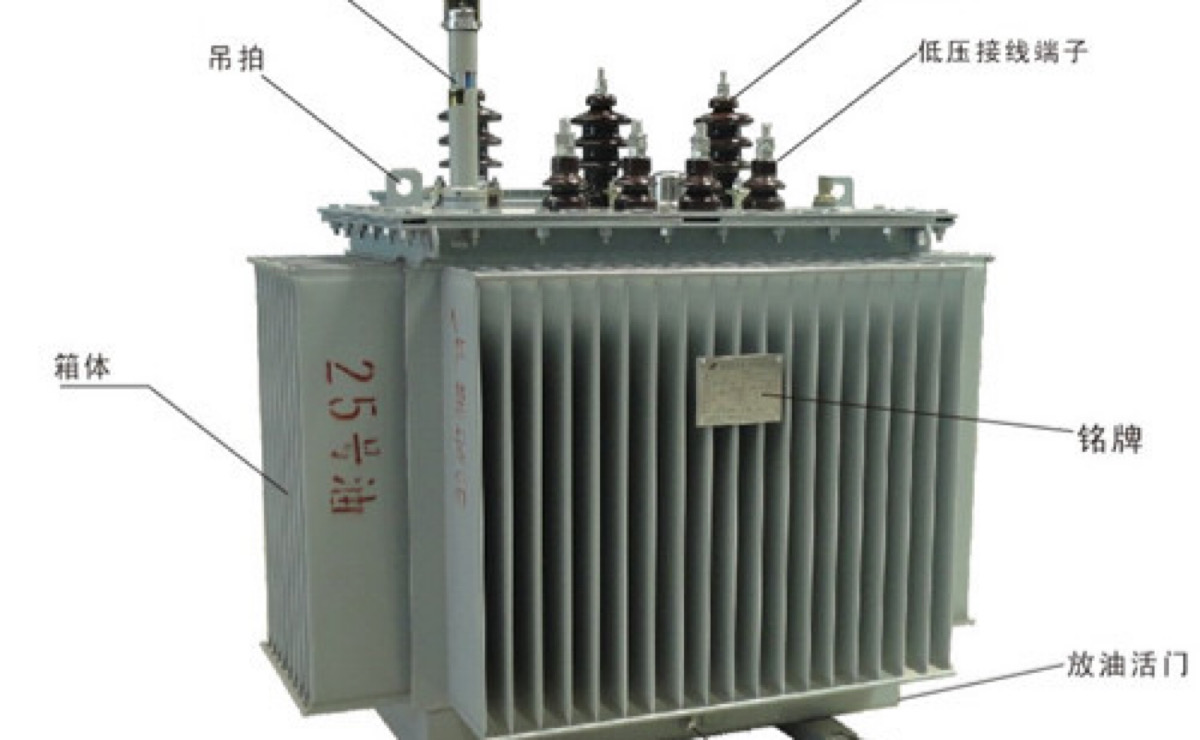
Oil-immersed transformers have long been the cornerstone of electrical power distribution, offering a reliable and efficient solution for voltage conversion and energy transmission. These transformers utilize insulating oil to provide superior cooling and electrical insulation, ensuring stable performance even under heavy loads. Their robust construction, combined with advanced monitoring technologies, makes them indispensable in utility grids, industrial plants, and renewable energy installations.
1. Historical Development of Technology
Oil-immersed transformer technology has undergone three significant development stages:
- First Generation (1885-1950): Utilized mineral oil insulation and natural cooling technology
- Second Generation (1951-2000): Introduced forced oil circulation cooling and silicon steel cores
- Third Generation (2001-present): Developed smart monitoring and eco-friendly insulating oil technologies
2. Key Technological Breakthroughs
- Insulation System Optimization
- New insulation paper with heat resistance up to 120°C
- Nano-modified oil-paper composite insulation systems
- Development and application of environmentally friendly vegetable insulating oils
- Cooling Technology Innovations
- Directional oil flow cooling design
- Phase-change material assisted heat dissipation
- Intelligent variable frequency cooling control systems
- Structural Design Improvements
- Fully sealed corrugated tanks
- Modular detachable structures
- Earthquake and short-circuit resistant reinforcement designs
3. Analysis of Typical Applications
3.1 Renewable Energy Plant Applications
- Solving harmonic tolerance issues
- Adapting to intermittent load fluctuations
- Special anti-corrosion treatment technologies
3.2 Urban Grid Applications
- Low-noise design (<55dB)
- Compact structure optimization
- Fire and explosion safety guarantees
4. Performance Test Data Comparison
| Parameter | Traditional Model | New Model | Improvement |
|---|---|---|---|
| No-load loss | 15kW | 8kW | 46.7% |
| Load loss | 120kW | 95kW | 20.8% |
| Temperature rise | 65K | 55K | 15.4% |
| Noise level | 68dB | 52dB | 23.5% |
5. Future Development Directions
- Intelligent Upgrades
- Digital twin technology applications
- Self-diagnosing fault systems
- Remote operation and maintenance platforms
- Environmental Improvements
- Biodegradable insulation materials
- Carbon footprint tracking management
- Decommissioning and recycling technologies
- High-Efficiency Designs
- Superconducting material applications
- New cooling medium development
- Electromagnetic optimization algorithms
6. Industry Challenges and Countermeasures
- Technical bottlenecks: Strengthen industry-academia-research collaboration, establish special R&D funds
- Cost pressures: Promote mass production, optimize supply chain management
- Standardization lag: Participate in international standard setting, establish industry norms
7. Conclusions and Recommendations
Continuous innovation in oil-immersed transformer technology drives progress in the power industry. Recommendations:
- Increase investment in new insulation material R&D
- Improve smart monitoring standard systems
- Establish full lifecycle databases
- Cultivate interdisciplinary technical talent